Difference Between 2012 and 2013 Toyota Corolla Compared
The 2012 and 2013 Toyota Corolla share a lot in common, but small yet meaningful changes set them apart. From subtle exterior tweaks to updated tech features, knowing these differences helps you make a smarter purchase. This guide breaks down every major area so you can compare with confidence.
Key Takeaways
- Exterior Updates: The 2013 Corolla received a refreshed front fascia and updated headlights compared to the 2012 model.
- Engine Remained the Same: Both years use the reliable 1.8-liter four-cylinder engine with similar fuel economy.
- Interior Improvements: The 2013 model introduced better materials and a slightly updated infotainment layout.
- Safety Features: Both years offer solid safety, but the 2013 added a few extra standard features.
- Price Difference: The 2013 Corolla carried a modest price bump over the 2012, reflecting the updates.
- Reliability: Both years are known for excellent long-term dependability and low maintenance costs.
📑 Table of Contents
- Difference Between 2012 and 2013 Toyota Corolla Compared
- Overview of the Ninth Generation Corolla
- Exterior Design Changes
- Engine and Performance Comparison
- Interior and Feature Updates
- Safety Features Compared
- Pricing and Value
- Common Issues and Reliability
- Which Year Should You Choose?
- Customization and Accessories
- Maintenance Tips for Both Years
- Final Verdict
Difference Between 2012 and 2013 Toyota Corolla Compared
When you are shopping for a used compact sedan, the difference between 2012 and 2013 Toyota Corolla models can be easy to miss. These two years sit right next to each other in the Corolla timeline, and Toyota did not make huge changes between them. However, the small updates matter if you are trying to decide which one to buy.
Both the 2012 and 2013 Corolla belong to the ninth generation of Toyota’s best-selling sedan. They share the same platform, the same engine, and a very similar overall design. But the 2013 model year brought a mild refresh that touched on styling, interior quality, and a few tech features. If you want to know exactly what changed and why it matters, you are in the right place.
This guide covers every major area of comparison. We will look at exterior design, engine performance, interior features, safety, pricing, and reliability. By the end, you will have a clear picture of which year fits your needs and budget best.
Overview of the Ninth Generation Corolla
The ninth generation Toyota Corolla ran from 2009 to 2013. It was a huge success for Toyota because it offered a perfect balance of fuel efficiency, reliability, and affordability. Both the 2012 and 2013 models fall within this generation, which means they are built on the same fundamental platform.
The Corolla has always been Toyota’s volume seller. It appeals to first-time car buyers, families looking for a second vehicle, and anyone who wants a dependable daily driver. The ninth generation took things a step further by improving ride quality and adding more standard features than ever before.
So when you compare the 2012 and 2013 versions, you are really looking at a base model versus a slightly updated base model. Toyota does not like to reinvent the wheel with the Corolla, and that is part of its appeal. The formula works, and both years prove it.
Why Compare These Two Years Specifically?
You might wonder why anyone would compare two years that are so similar. The answer is simple: the small differences can affect your buying decision. A 2013 model might have a slightly higher sticker price, but it could also offer better resale value and a few extra features. On the other hand, a 2012 model might be easier to find at a lower price point.
Also, if you are looking at used cars, you want to know exactly what you are getting. A one-year difference can mean different trim availability, different standard equipment, and even different recall histories. Understanding these details puts you in a stronger negotiating position.
Exterior Design Changes
The most noticeable differences between the 2012 and 2013 Toyota Corolla are on the outside. Toyota gave the 2013 model a mild facelift that refreshed its look without turning it into a completely different car.
Front Fascia and Headlights
The 2013 Corolla received updated headlights that are slightly sleeker than the 2012 version. The grille design also changed, with the 2013 model featuring a more refined look. These changes might seem small, but they make the 2013 model appear more modern and polished.
The 2012 Corolla has a more angular front end. Some buyers actually prefer this look because it gives the car a sporty, aggressive appearance. The 2013 model softened some of those edges, which appeals to a different taste.
Rear End and Body
At the rear, the changes are minimal. Both years share the same body shape, the same trunk design, and the same overall proportions. The taillights are nearly identical between the two model years. If you are looking at the car from the side, it is very hard to tell them apart.
The body panels, wheel arches, and bumpers are the same on both models. Toyota kept the changes focused on the front end to keep costs low while still giving the 2013 model a fresh feel.
Engine and Performance Comparison
Under the hood, the 2012 and 2013 Toyota Corolla are essentially twins. Both years use the same 1.8-liter four-cylinder engine that produces 132 horsepower and 128 pound-feet of torque. This engine has been a workhorse for Toyota and has proven itself over millions of miles of service.
Transmission Options
Both model years offer a choice between a six-speed manual transmission and a four-speed automatic. The manual gives you more control and slightly better fuel economy, while the automatic is easier for daily driving. Toyota did not change the transmission options between these two years.
If you are someone who enjoys shifting gears yourself, either year will serve you well. The manual transmission in the Corolla is well-weighted and provides a satisfying driving experience for its class.
Fuel Economy
Fuel economy is nearly identical between the two years. The 2012 Corolla gets an estimated 27 mpg in the city and 36 mpg on the highway with the automatic transmission. The 2013 model matches those numbers closely. With the manual, both years achieve similar results.
This consistency is one of the reasons the Corolla has remained so popular. You get excellent gas mileage regardless of which year you choose. For budget-conscious buyers, this is a huge advantage.
Interior and Feature Updates
Step inside the car, and you will find that the 2013 Corolla made some thoughtful improvements over the 2012 model. Toyota focused on upgrading materials and adding features that make daily driving more comfortable.
Seat Materials and Trim
The 2013 model year introduced better seat fabrics and slightly upgraded trim pieces. The 2012 Corolla has hard plastics in some areas, which is common for this price range. The 2013 model softened some of those surfaces and added more texture to make the cabin feel more refined.
Both years offer cloth seats as standard, with leather available on higher trims. The SE trim, in particular, received some nice touches that make it feel more upscale. If interior quality matters to you, the 2013 model has a slight edge.
Infotainment and Technology
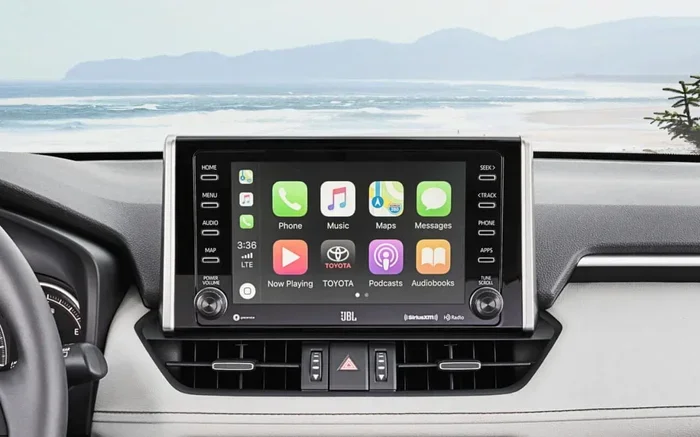
The infotainment system on both years is simple and functional. It includes a basic touchscreen with AM/FM radio, a CD player, and Bluetooth connectivity. The 2013 model may have slight software updates that improve responsiveness, but the core system remains the same.
Both years offer steering wheel audio controls, a USB port, and auxiliary input. These are standard features that make it easy to connect your phone or music player while driving. The technology is not cutting-edge, but it gets the job done well.
Climate Control and Comfort
Automatic climate control is available on both years, typically on higher trims. The air conditioning system works well and keeps the cabin comfortable in hot weather. Both models also feature power windows, power locks, and remote keyless entry as standard or widely available options.
The 2013 model may include a slightly updated dashboard layout, but the difference is subtle. Overall, the interior experience is very similar between the two years, with the 2013 offering minor upgrades in feel and finish.
Safety Features Compared
Safety is where the 2012 and 2013 Toyota Corolla really shine. Both years come with a strong suite of standard safety features that rival much more expensive cars.
Standard Safety Equipment
Both the 2012 and 2013 Corolla include multiple airbags, anti-lock brakes, electronic brakeforce distribution, and brake assist. These are standard across all trims, which is impressive for a compact sedan in this price range.
The 2013 model may have added a few additional standard safety items compared to the 2012. Toyota has a history of adding safety features as standard equipment from year to year, and this generation is no exception.
Crash Test Ratings
Both years earned strong crash test ratings from the National Highway Traffic Safety Administration and the Insurance Institute for Highway Safety. The Corolla has consistently been one of the safest compact sedans on the road, and these two model years are no different.
If safety is a top priority for you, either year will serve you well. The structural integrity of the ninth generation Corolla is excellent, and the safety systems work reliably in real-world conditions.
Pricing and Value
When comparing the 2012 and 2013 Toyota Corolla, price is an important factor. The 2013 model year typically commands a slightly higher price in the used car market because of its updated features and fresher model year.
When these cars were new, the 2012 Corolla started at a lower base price than the 2013. The exact difference varies by trim, but you can generally expect the 2013 to cost a bit more. This premium reflects the minor updates and the fact that the 2013 is a newer model.
In the current used car market, the price gap between the two years has narrowed significantly. You can often find both models at similar prices, especially if the mileage is comparable. This makes the 2012 Corolla an excellent value proposition if you are watching your budget.
Keep in mind that the 2013 model may have slightly better resale value because buyers often prefer the newer year. However, the difference is small, and both years hold their value well thanks to Toyota’s strong reputation for reliability.
Common Issues and Reliability
Both the 2012 and 2013 Toyota Corolla are known for their reliability. Toyota built these cars to last, and many owners report driving well over 200,000 miles with minimal major repairs. However, like any car, they are not completely immune to issues.
Known Problems for the 2012 Model
The 2012 Corolla has a few common issues that owners should be aware of. Some models have experienced issues with the starter motor, which can cause a car won’t start and no noise situation. This is a known problem that is usually easy and affordable to fix.
Other reported issues include minor oil leaks, worn suspension components over time, and occasional electrical gremlins. None of these are serious or expensive to repair, but they are worth knowing about before you buy a used car.
Known Problems for the 2013 Model
The 2013 Corolla shares most of the same issues as the 2012 model, with a few additions. Some 2013 owners have reported similar starting issues, and the model may also have had specific recall campaigns during its production run.
It is always a good idea to check for any open recalls before purchasing a used car. If you are looking at a 2012 model, you can research recall information to make sure any known issues have been addressed by the previous owner.
General Reliability
Overall, both years are extremely reliable. The 1.8-liter engine is one of Toyota’s most proven powertrains, and the transmission is durable when properly maintained. Regular oil changes, timely brake service, and routine maintenance will keep either car running strong for many years.
These are cars that you can buy and forget about, which is exactly what most people want in a daily driver. The Corolla has earned its reputation as one of the most dependable sedans on the market, and the 2012 and 2013 models uphold that standard.
Which Year Should You Choose?
Now that you know the differences, you might be wondering which year is the right choice for you. The answer depends on your priorities, budget, and personal preferences.
Choose the 2012 Corolla If…
You want the best possible price for a used car. The 2012 model is often available at a lower price point than the 2013, and the differences are minimal. If you are on a tight budget and want a reliable daily driver, the 2012 Corolla is an excellent choice.
You also might prefer the 2012 if you like the more angular exterior design. Some buyers find the 2012 front end more attractive than the softer 2013 look. Whatever your taste, the 2012 model delivers solid value.
Choose the 2013 Corolla If…
You want the latest updates and a slightly more refined interior. The 2013 model offers minor improvements in materials, styling, and features. If those small upgrades matter to you, the extra cost is worth it.
You also might prefer the 2013 if you plan to keep the car for a long time. The newer model year means you are getting a car with fewer miles on the clock (typically), which translates to more remaining life. The 2013 Corolla also tends to hold its resale value slightly better.
Customization and Accessories
Both the 2012 and 2013 Corolla are great platforms for customization. Whether you want to improve the look, enhance performance, or add comfort features, there are plenty of options available.
One popular upgrade for both years is window tint. A 32 percent window tint offers a good balance between style and visibility. It reduces glare, blocks UV rays, and gives the car a sleek appearance without going too dark. This level of tint is legal in most states and is a practical choice for daily driving.
Other popular upgrades include aftermarket wheels, upgraded audio systems, and interior accessories. The Corolla has a large aftermarket support network, which means parts and accessories are easy to find and install.
If you are considering window tint for either model year, make sure you check your local laws. Tint regulations vary by state, and you want to make sure your setup is legal and safe. A quality installation will also improve the longevity of your tint and keep your interior protected from sun damage.
Maintenance Tips for Both Years
Keeping your 2012 or 2013 Corolla in great shape is straightforward. These cars are designed to be low-maintenance, but a few proactive steps will extend their lifespan significantly.
- Change the oil regularly: Follow Toyota’s recommended oil change interval, typically every 5,000 to 7,500 miles.
- Check the transmission fluid: Inspect the fluid level and condition at least once a year.
- Replace the air filter: A clean air filter improves fuel economy and engine performance.
- Inspect the brakes: Check brake pads and rotors regularly, especially if you drive in stop-and-go traffic.
- Keep up with tire rotations: Regular rotations ensure even wear and extend tire life.
Following these simple maintenance tips will keep your Corolla running smoothly for years to come. Both the 2012 and 2013 models respond well to regular care and attention.
Final Verdict
The difference between 2012 and 2013 Toyota Corolla models is small but meaningful. The 2013 year brings a refreshed exterior, slightly improved interior materials, and minor tech updates. The 2012 model offers the same core experience at a typically lower price point.
Both years deliver the reliability, fuel efficiency, and practicality that make the Corolla one of the best-selling cars in the world. You cannot go wrong with either choice. The key is to find a well-maintained example with a clean history, regardless of the model year.
Take your time when shopping, test drive both years if possible, and compare the specific vehicles in front of you. The best car is the one that fits your needs, your budget, and your driving style. Whether you choose the 2012 or 2013 Toyota Corolla, you are getting a proven, dependable compact sedan that will serve you well for many miles to come.
Frequently Asked Questions
What is the main difference between the 2012 and 2013 Toyota Corolla?
The main difference is the exterior refresh on the 2013 model. The 2013 Corolla received updated headlights, a redesigned front grille, and slightly improved interior materials. Under the hood, both years are essentially the same with the same 1.8-liter engine and transmission options.
Is the 2013 Toyota Corolla significantly better than the 2012?
Not significantly. The 2013 model offers minor cosmetic and interior upgrades, but the driving experience, engine performance, and fuel economy are nearly identical. The 2013 is worth the extra cost if you prefer the updated styling and slightly better materials.
Which year has better fuel economy, the 2012 or 2013 Toyota Corolla?
Both years have virtually identical fuel economy. The 2012 and 2013 Corolla both achieve around 27 mpg in the city and 36 mpg on the highway with the automatic transmission. The manual transmission versions also match closely between the two years.
Are there any recalls I should worry about on a 2012 Toyota Corolla?
Like any vehicle, the 2012 Corolla may have had recall campaigns during its production. It is always a good idea to check the current recall status before purchasing a used car. You can look up recall information using the vehicle identification number on the NHTSA website.
Can I put a 32 percent window tint on either the 2012 or 2013 Corolla?
Yes, both the 2012 and 2013 Corolla can accommodate a 32 percent window tint. This tint level is popular because it offers good UV protection and glare reduction while remaining legal in most states. Always check your local tint laws before installation.
What should I check before buying a used 2012 or 2013 Corolla?
Check the maintenance history, look for any signs of accidents, test the starting system, and verify that all recall work has been completed. Also inspect the tires, brakes, and suspension. A pre-purchase inspection by a trusted mechanic is always a smart move.
=== CONCLUSION ===
The difference between 2012 and 2013 Toyota Corolla comes down to small but thoughtful updates rather than major changes. Both years offer the same reliable engineering, excellent fuel economy, and the proven quality that Toyota is known for. The 2013 model gives you a slightly fresher look and minor interior upgrades, while the 2012 model typically comes at a better price.
Whichever year you choose, you are investing in a compact sedan that will serve you well. The Corolla has earned its place as one of the most trusted cars on the road, and the 2012 and 2013 models are no exception. Take your time, do your research, and pick the specific vehicle that feels right for you.