Your Car Wont Start With New Battery And How To Fix It
Your car won’t start with new battery more often than you think, and it’s frustrating when you’ve already spent money on a fresh one. This guide walks you through the most common reasons your car won’t start with new battery and gives you clear, actionable steps to fix each one. From corroded terminals to faulty alternators, we cover every likely culprit so you can diagnose and solve the problem quickly.
You just installed a shiny new battery. You feel like a genius. You turn the key — or push the start button — and nothing happens. No cranking. No hum. Just silence.
This is more common than you’d think. A car won’t start with new battery situation stings because you did everything right. You bought the right battery. You connected it properly. So why won’t it work?
The truth is, a new battery is only one piece of the puzzle. Your car’s starting system involves many parts working together. If even one of them fails, you’re stuck. Let’s break down every possible reason and walk through the fixes step by step.
Key Takeaways
- New battery doesn’t mean instant fix: A fresh battery can still fail to start your car due to corrosion, bad connections, or other hidden issues.
- Check the terminals first: Corroded or loose battery terminals are the most common reason a new battery won’t work.
- Your alternator matters: Even with a new battery, a failing alternator will leave you stranded.
- Security systems can block startup: Anti-theft features may prevent your engine from turning over after a battery swap.
- Parasitic drain kills new batteries fast: Something in your car may be draining power even when the engine is off.
- Know when to call a pro: Some issues like starter motor failure or ignition switch problems need expert diagnosis.
📑 Table of Contents
Why Your Car Won’t Start With New Battery
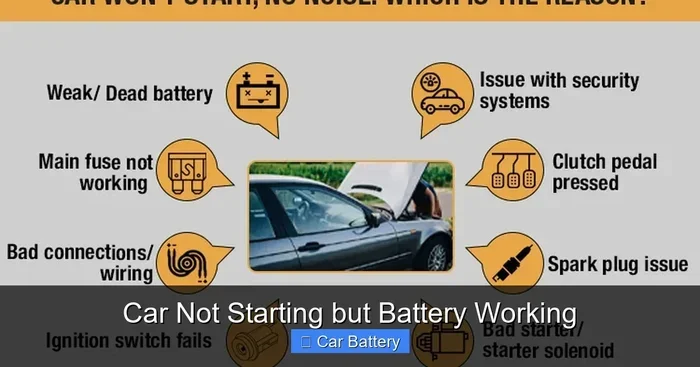
Before you panic or call a mechanic, let’s look at the most common reasons your car won’t start with new battery. Understanding the root cause saves you time, money, and a lot of frustration.
1. Corroded or Loose Battery Terminals
This is the number one culprit. Even with a brand-new battery, corroded terminals block the electrical connection. You might see a white or greenish crust around the battery posts. That’s corrosion, and it stops power from flowing.
Loose connections cause the same problem. If the clamps aren’t tight enough, electricity can’t reach the starter motor. It looks like your battery is dead, but really it’s just a connection issue.
Quick fix: Disconnect the terminals. Clean them with a wire brush or a baking soda and water solution. Reconnect them tightly and make sure they’re snug. This simple step solves the problem more often than you’d expect.
2. Wrong Battery Size or Type
Not all batteries are the same. If you bought the wrong size group or the wrong type for your car, it simply won’t provide enough power. A car won’t start with new battery when the battery doesn’t match your vehicle’s specifications.
Check your owner’s manual for the correct group size, cold cranking amps (CCA), and terminal placement. A battery that’s too small won’t crank the engine. A battery with the wrong terminal orientation won’t connect at all.
3. The Battery Isn’t Fully Charged
Here’s something many people don’t realize. A new battery sitting on a shelf at the auto parts store may not be fully charged. Some batteries arrive in a partially discharged state, especially if they’ve been sitting for a while.
You need to charge the battery fully before you expect it to start your car. Use a smart battery charger and let it charge for several hours. Then try starting again.
4. Faulty Alternator
Your alternator charges the battery while the engine runs. If the alternator is failing, your new battery will drain quickly and eventually won’t have enough power to start the car. This creates the illusion of a bad battery when the real problem is the alternator.
Signs of a bad alternator include dim headlights, a dashboard warning light, or a whining noise from the engine bay. If your car started once but died shortly after, the alternator is likely the issue.
You can test this with a multimeter. Set it to measure voltage and check the battery with the engine off, then again with the engine running. If the voltage doesn’t rise above 13.5 volts when the engine is on, your alternator probably needs replacement.
5. Parasitic Drain
Parasitic drain happens when something in your car continues to draw power after you turn off the engine. Modern cars have many electronic modules that stay awake for a short time. But if something is wrong, those modules can drain a new battery overnight.
Common causes include a glove box light that stays on, an aftermarket alarm system, or a faulty relay. If your battery was fine yesterday and dead today after installing a new one, parasitic drain is a strong suspect.
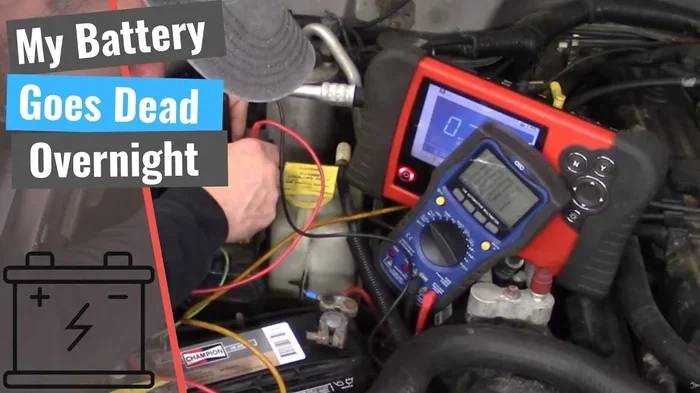
To test for parasitic drain, disconnect the negative battery terminal and use a multimeter in series between the terminal and the battery post. A normal reading should be under 50 milliamps. Anything higher means something is drawing too much power.
6. Bad Starter Motor
The starter motor is what actually cranks your engine. If the starter is worn out or has a dead spot, a new battery won’t help. You might hear a single click when you turn the key, but the engine won’t turn over.
Starter motors wear out over time, especially in high-mileage vehicles. Tapping the starter gently with a hammer while someone turns the key can sometimes free up a stuck starter. But this is only a temporary fix. You’ll likely need a replacement.
7. Ignition Switch Problems
The ignition switch controls the flow of electricity to your starter and ignition system. When it fails, your car won’t respond when you turn the key. This is often mistaken for a battery problem.
Signs of a failing ignition switch include the dashboard lights flickering, the engine stalling unexpectedly, or the key feeling loose in the ignition. If you notice these symptoms alongside a car won’t start with new battery situation, the ignition switch could be to blame.
8. Security System or Immobilizer Interference
Many modern vehicles have anti-theft systems that prevent the engine from starting unless the correct key or key fob is recognized. When you disconnect the battery, the system sometimes needs to relearn the key.
Try using your spare key. If that doesn’t work, you may need to re-sync your key fob with the car. Check your owner’s manual for the specific re-sync procedure for your vehicle model.
9. Clogged Fuel Filter or Bad Fuel Pump
Sometimes the problem isn’t electrical at all. If your fuel system isn’t delivering gasoline to the engine, your car won’t start no matter how good the battery is. A clogged fuel filter or a failing fuel pump can mimic battery problems.
Listen for a faint hum from the fuel tank when you turn the key to the “on” position (not start). If you don’t hear anything, the fuel pump may be dead. A fuel pressure gauge can confirm this diagnosis.
How To Troubleshoot Your Car That Won’t Start
Now that you know the possible causes, let’s walk through a systematic troubleshooting process. This approach saves you from replacing parts you don’t need.
Step 1: Check the Dashboard Lights
When you turn the key to the “on” position, do any dashboard lights come on? If nothing lights up at all, you have a complete electrical failure. If the lights are dim, your battery may not be making proper contact.
If the lights are bright and normal, the battery connection is likely fine. The problem is probably elsewhere, like the starter or ignition switch.
Step 2: Listen for Sounds
What do you hear when you turn the key?
- Nothing at all: Likely an electrical issue — battery connection, ignition switch, or parasitic drain.
- A single click: Probably the starter motor or a dead spot on the starter.
- Rapid clicking: The battery doesn’t have enough charge to engage the starter, even though it’s new.
- Engine cranks but won’t fire: The battery and starter are fine. The problem is fuel or spark.
Step 3: Inspect the Battery Connections
Pop the hood and look at your battery. Are the terminals clean and shiny? Do the clamps feel tight? Any wiggling means the connection is loose.
Clean the terminals with a wire brush. Tighten the clamps firmly. Apply a thin layer of petroleum jelly or terminal grease to prevent future corrosion.
Step 4: Test the Battery Voltage
Use a multimeter to check the battery voltage. A fully charged 12-volt battery should read 12.6 volts or higher with the engine off. If it reads below 12.2 volts, the battery isn’t fully charged yet.
If the voltage reads 12.6 or higher but the car still won’t start, the battery itself may be defective. This happens occasionally with new batteries that are simply faulty from the factory.
Step 5: Check the Alternator
With the engine running, the alternator should produce 13.5 to 14.5 volts at the battery terminals. If it reads lower, the alternator isn’t charging the battery properly.
Replace a failing alternator promptly. Driving with a bad alternator will eventually leave you stranded with a dead battery.
Preventing Future Starting Problems
The best way to deal with a car won’t start with new battery situation is to prevent it from happening again. Here are some proven tips to keep your car starting reliably.
Keep Your Terminals Clean
Inspect your battery terminals every few months. Clean off any green or white buildup with a wire brush. Tighten connections so they don’t vibrate loose over time.
Applying a thin coat of terminal grease or petroleum jelly after cleaning creates a barrier against corrosion. This small step extends battery life and ensures a strong connection.
Drive Your Car Regularly
Cars that sit for long periods develop battery problems. The battery slowly loses charge, and the alternator may not have enough time to fully recharge it.
If you don’t drive your car often, use a battery maintainer or trickle charger. This keeps the battery at full charge and prevents the sulfation that kills lead-acid batteries over time.
Turn Off Electronics Before Shutting Off the Engine
Headlights, radios, phone chargers, and other electronics draw power when the engine is off. If you leave them on, they put extra strain on your battery.
Get in the habit of turning everything off before you shut down the engine. This habit alone can significantly extend battery life.
Replace Your Battery Before It Dies Completely
Most car batteries last three to five years. Don’t wait until your car won’t start to replace it. Proactively swap out your battery before it fails, especially before winter.
Cold weather is the enemy of weak batteries. A battery that barely works in summer will fail completely in winter. Replace it early and avoid the hassle.
Get Regular Electrical System Checks
Have a mechanic check your alternator, starter, and battery during routine oil changes or service visits. Catching a failing alternator early saves you from being stranded.
Many auto parts stores offer free battery testing and charging system checks. Take advantage of these services to stay ahead of problems.
When To Call a Professional Mechanic
Some starting problems are beyond a DIY fix. Here’s when you should call in the experts:
- You’ve checked everything and the car still won’t start: There may be a complex electrical fault that requires professional diagnostic equipment.
- You smell burning or see smoke: Stop immediately. This could indicate a short circuit or damaged wiring that’s dangerous to handle.
- The starter motor needs replacement: Replacing a starter involves getting under the vehicle and working near the exhaust. If you’re not comfortable with this, leave it to a pro.
- Your alternator is failing: Alternator replacement requires disconnecting the serpentine belt and dealing with electrical connections. A mechanic can do this safely and quickly.
- The security system won’t let the car start: Dealerships and qualified locksmiths have the tools to reprogram immobilizer systems.
If you’re ever unsure, it’s always better to seek professional help than to make things worse. A qualified mechanic can diagnose the problem in minutes with the right tools.
Remember, even when you’ve done everything right, a car won’t start with new battery sometimes. Don’t blame yourself. The issue is usually simpler than you think, and now you have the knowledge to tackle it head-on.
Keep this guide bookmarked. The next time your car refuses to start, you’ll know exactly what to check first. And you’ll be back on the road before most people even finish Googling the problem.
Final Thoughts
A car won’t start with new battery doesn’t mean you wasted your money. It means there’s another piece of the puzzle that needs attention. Whether it’s corroded terminals, a bad alternator, or a security system that needs resetting, the fix is almost always within reach.
Start with the simplest checks — terminals, voltage, and connections. Work your way up to more complex diagnostics like parasitic drain and starter motor testing. This systematic approach saves you from throwing parts at the problem blindly.
And don’t forget prevention. Regular maintenance, clean terminals, and smart driving habits keep your car starting reliably for years. Your new battery deserves a fighting chance, and now it has one.
You’ve got this. The next time your car won’t start, you’ll know exactly what to do.
Frequently Asked Questions
Why won’t my car start even with a new battery?
There are several reasons a car won’t start with a new battery, including corroded terminals, a loose connection, a faulty alternator, or a bad starter motor. Start by checking the battery terminals for corrosion and making sure the connections are tight. If the terminals are clean and secure, the issue may be with the alternator, starter, or ignition system.
Can a new battery be defective right out of the box?
Yes, it’s possible. New batteries can sometimes be defective from the factory or not fully charged when you buy them. If you’ve checked all the connections and the battery voltage reads below 12.2 volts, the battery may need to be charged first or replaced under warranty. Most reputable brands offer warranty coverage for defective new batteries.
How do I know if my alternator is killing my new battery?
Signs of a failing alternator include dim headlights, a dashboard battery warning light, and the car starting once but dying shortly after. You can test it with a multimeter by checking the battery voltage with the engine off (should be 12.6 volts or higher) and then with the engine running (should be 13.5 to 14.5 volts). If the voltage doesn’t rise when the engine is running, your alternator is likely the problem.
What should I do if my car clicks but won’t start with a new battery?
A single click usually means the starter motor isn’t engaging properly. Rapid clicking typically means the battery doesn’t have enough charge despite being new. First, check that the battery terminals are clean and tight. If connections are fine, the starter motor may need inspection or replacement. A parasitic drain could also be draining the new battery overnight.
Can a security system prevent my car from starting after a battery change?
Yes, absolutely. Many modern vehicles have anti-theft immobilizer systems that need to recognize your key or key fob. After disconnecting the battery, the system may need to relearn the key. Try using your spare key first. If that doesn’t work, you may need to follow your vehicle’s key re-sync procedure or visit a dealership for reprogramming.
How long should a new car battery last before I need to replace it again?
A quality car battery typically lasts three to five years, depending on driving habits, climate, and maintenance. Extreme heat and cold shorten battery life significantly. To maximize your new battery’s lifespan, keep the terminals clean, drive your car regularly, and avoid leaving electronics on when the engine is off.
=== INTERNAL LINKS ===
If your car won’t start and makes no noise, there could be a deeper electrical issue at play. Check out our guide on car won’t start and no noise what it means for more troubleshooting tips.
Sometimes the problem happens right after you turn off the engine. Learn more about why your car won’t start right after turning it off and how to prevent it.
If your engine turns over but still won’t fire up, you might be dealing with a different issue. Read our article on car won’t turn over but has power for expert diagnosis and fixes.