Car Door Scratch Guard Stop Scratches Before They Start
A car door scratch guard is one of the simplest and most effective ways to protect your vehicle from everyday damage. Door scratch guards shield your car from dings, scrapes, and paint chips caused by parking lot mishaps, narrow lanes, and careless neighbors. This guide covers everything you need to know, from types and materials to installation steps and expert tips.
Every car owner knows that sinking feeling. You walk out to your vehicle and spot a fresh scratch right along the door edge. Maybe it was a shopping cart. Maybe it was a careless driver in a tight parking spot. Either way, that scratch hurts. And it is not just about looks. Scratches can lead to rust, paint damage, and costly repairs. This is exactly why a car door scratch guard has become a must-have accessory for smart car owners. In this guide, we will walk you through everything you need to know about door scratch protection. We will cover the types available, how to pick the right one, and how to install it like a pro.
Whether you are dealing with a brand-new car or an older model that has seen better days, a door edge protector can make a real difference. These simple devices act as a shield between your car’s delicate paint and the rough world outside. They are affordable, easy to use, and incredibly effective. Let us dive in and explore how car door scratch guards can save your vehicle from everyday damage.
Key Takeaways
- Prevents costly repairs: A car door scratch guard stops minor scrapes from turning into expensive paint jobs.
- Multiple types available: From adhesive films to magnetic guards, there is a door scratch protector for every car and budget.
- Easy to install: Most door edge protectors can be applied in minutes with no tools needed.
- Extends your car’s lifespan: Regular use of scratch prevention accessories keeps your vehicle looking newer for longer.
- Saves money long-term: Investing in a quality car door guard pays for itself by avoiding repair costs.
- Works for all vehicles: Whether you drive a sedan, SUV, or truck, there is a door edge protector that fits.
📑 Table of Contents
- What Is a Car Door Scratch Guard and Why Does It Matter?
- Types of Car Door Scratch Guards Available
- How to Choose the Right Car Door Scratch Guard
- Step-by-Step Installation Guide for Car Door Scratch Guards
- Common Mistakes to Avoid When Using Door Scratch Guards
- Expert Insights on Protecting Your Car Door from Scratches
- Quick Tips to Get the Most Out of Your Car Door Scratch Guard
- Benefits of Using a Car Door Scratch Guard
- How Car Door Scratch Guards Compare to Other Protection Methods
- Final Thoughts: Protect Your Car the Smart Way
What Is a Car Door Scratch Guard and Why Does It Matter?
A car door scratch guard is a protective strip or cover that attaches to the edge of your car door. Its main job is to absorb impact and prevent scratches. These guards are typically made from rubber, plastic, foam, or transparent film. They stick to the outer edge of the door where it is most vulnerable to damage.
You might wonder why the door edge is so at risk. Think about it. Your car door is the first thing that touches other cars, walls, poles, and shopping carts. It sits at the perfect height for bumping into things. Over time, these tiny contacts add up. A door scratch protector acts as a buffer. It takes the hit so your paint does not have to.
The importance of scratch prevention goes beyond aesthetics. When your car’s paint gets scratched, the metal underneath is exposed. This leads to rust and corrosion. Rust spreads fast and can cause serious structural problems. A simple car door guard can prevent all of this. It is one of those small investments that pays off big time.
How Door Scratches Happen
Understanding the causes of door scratches helps you see why protection is so important. Here are the most common culprits:
- Parking lot dings: Shopping carts rolling into your door are a top cause of damage.
- Careless drivers: Other cars opening their doors into yours in tight spaces.
- Garage walls: Backing into a narrow garage can scrape the door edge.
- Tree branches: Low-hanging branches in parking areas can scratch your doors.
- Car washes: Automated brushes can cause fine scratches over time.
- Neighbor kids: Bicycles, skateboards, and scooters near parked cars can leave marks.
Any of these situations can cause a car door scratch. And once the paint is broken, fixing it is never cheap. A door edge protector helps you avoid all of these problems with minimal effort.
Types of Car Door Scratch Guards Available
Not all car door scratch guards are the same. Different types offer different levels of protection and come with their own benefits. Let us look at the most popular options on the market today.
Adhesive Door Edge Guards
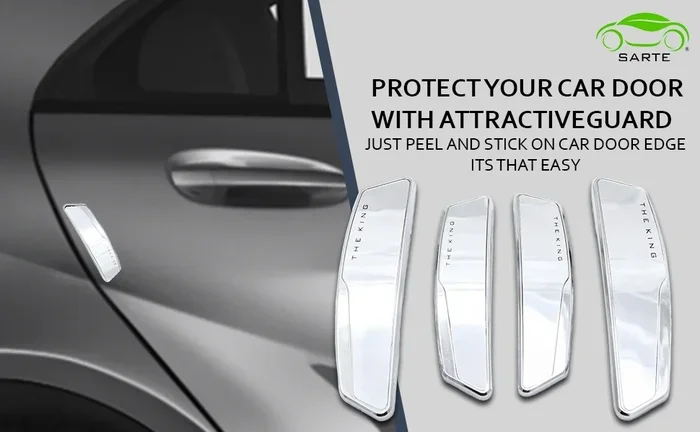
These are the most common type of door scratch guard. They come in rolls or pre-cut strips with a strong adhesive backing. You simply clean the door edge, peel off the backing, and press the guard into place. Adhesive guards are usually made from rubber, silicone, or flexible plastic.
Their biggest advantage is ease of installation. Most people can apply them in under 15 minutes. They are also very affordable. You can find a pack of adhesive door edge protectors for under $20. However, they may not hold up as well in extreme weather over time.
Magnetic Door Scratch Guards
Magnetic door guards use magnets to attach to the door edge. They do not require any adhesive at all. This makes them easy to remove and reposition. They are a great option if you want scratch protection without committing to a permanent installation.
Magnetic guards tend to be more durable than adhesive options. They can handle more impact and are less likely to peel off in hot weather. The downside is that they can be bulkier and may not fit every car model perfectly.
Paint Protection Film (PPF) Guards
Paint protection film is a clear, durable layer that bonds directly to your car’s surface. It is the same material used by luxury car manufacturers to protect new vehicles. PPF offers the highest level of scratch resistance available. It can absorb impacts and self-heal minor scratches with heat.
PPF is more expensive than other options. But it provides invisible protection that does not change how your car looks. It is an excellent choice for car owners who want maximum paint protection without altering the vehicle’s appearance.
Rubber and Silicone Door Protectors
These are thick, flexible strips made from rubber or silicone. They wrap around the door edge and create a cushioned barrier. Rubber door guards are very effective at absorbing shock. They are also weather-resistant and long-lasting.
The main drawback is their appearance. Some rubber protectors look bulky and may not match your car’s color. However, if you prioritize function over looks, a rubber door guard is a solid choice.
Comparison Table: Types of Door Scratch Guards
| Type | Material | Installation | Durability | Price Range | Best For |
|---|---|---|---|---|---|
| Adhesive Edge Guards | Rubber, silicone, plastic | Easy, self-adhesive | Moderate | $10-$25 | Budget-friendly quick fix |
| Magnetic Guards | Metal, rubber | No tools, magnets | High | $20-$45 | Removable protection |
| Paint Protection Film | Thermoplastic urethane | Professional or DIY | Very High | $50-$200+ | Maximum invisible protection |
| Rubber/Silicone Strips | Rubber, silicone | Adhesive or clip-on | High | $15-$35 | Heavy-duty protection |
How to Choose the Right Car Door Scratch Guard
With so many options available, picking the right car door scratch guard can feel overwhelming. But it does not have to be. Here are the key factors to consider before you buy.
Consider Your Driving Environment
Think about where and how you park. If you park in tight spaces every day, you need strong scratch prevention. A magnetic door guard or paint protection film would be ideal. If you park in a garage at home, a simple adhesive guard might be enough. Your environment plays a big role in determining the level of protection you need.
Check Compatibility with Your Vehicle
Not every guard fits every car. Measure your door edge before you buy. Some door edge protectors come in universal sizes, while others are model-specific. Check the product description carefully. Make sure the guard you choose matches the width and curve of your door edge.
Think About Aesthetics
Some car owners care about how their car looks. If that sounds like you, go for clear PPF guards or color-matched adhesive strips. These options blend in with your car’s paint and do not draw attention. On the other hand, if you just want function, bright rubber guards work perfectly fine.
Budget Matters
Car door scratch guards come in a wide price range. You can find basic adhesive guards for as little as $10. High-end paint protection film can cost $200 or more. Set a budget before you shop. Remember, even a $15 guard can save you hundreds in repair costs. The best guard is the one that fits your needs and your wallet.
Read Reviews and Ratings
Before making a purchase, read what other car owners say. Look for reviews that mention durability, ease of installation, and real-world protection. Reviews give you honest insight into how a product performs over time. They help you avoid low-quality products that will not last.
Step-by-Step Installation Guide for Car Door Scratch Guards
Installing a car door scratch guard is easier than most people think. You do not need special tools or professional help. Follow these steps for a clean, lasting installation.
Step 1: Clean the Door Edge Thoroughly
Start by washing the door edge with soap and water. Use a microfiber cloth to dry it completely. Any dirt, dust, or grease will prevent the guard from sticking properly. This step is the most important part of the whole process. Take your time and make sure the surface is spotless.
Step 2: Dry and Degrease the Surface
After washing, wipe the door edge with rubbing alcohol or a degreaser. This removes any remaining oils that you cannot see. A clean, dry surface ensures the adhesive door guard bonds properly. Let the surface air dry for a few minutes.
Step 3: Measure and Cut the Guard
If your guard comes in a roll, measure the length of your door edge. Use a sharp pair of scissors to cut it to size. Leave a small gap at the top and bottom of the door for a clean look. Precision here makes a big difference in the final result.
Step 4: Apply the Guard Carefully
Peel off the adhesive backing slowly. Press the guard onto the door edge starting from the top. Work your way down in small sections. Use a plastic squeegee or your fingernail to press out any air bubbles. Smooth, firm pressure ensures a strong bond.
Step 5: Let It Cure
After installation, give the guard at least 24 hours to cure. Avoid washing your car or driving through heavy rain during this time. The adhesive needs time to fully bond with the surface. Once cured, your door edge protector is ready to do its job.
Quick Tip: Apply the guard on a warm, dry day. Heat helps the adhesive bond faster and stronger. Avoid installing in direct sunlight, as the surface can get too hot.
Common Mistakes to Avoid When Using Door Scratch Guards
Even the best car door scratch guard can fail if you make common mistakes. Here is what to watch out for.
Skipping Surface Preparation
The number one reason guards peel off is poor surface cleaning. If you skip the cleaning step, the adhesive will not grip properly. Always take the time to wash and degrease the door edge before applying any guard.
Choosing the Wrong Size
Buying a guard that is too short or too wide leads to gaps and peeling. Measure your door edge carefully. If you are between sizes, go with the slightly larger option and trim it to fit.
Ignoring Weather Conditions
Applying a guard in cold or wet conditions weakens the bond. The adhesive needs warmth and dryness to set properly. Wait for a mild, dry day to install your door edge protector.
Overlooking Regular Maintenance
A car door guard is not a set-it-and-forget-it solution. Check your guard every few weeks for peeling or wear. Clean it with a gentle soap and water. Replace it when it starts to look worn or loses its stickiness.
Using Low-Quality Products
It is tempting to grab the cheapest guard you can find. But cheap products often use poor adhesive and thin materials. They peel off quickly and offer little protection. Invest in a quality door scratch protector from a reputable brand. Your car will thank you.
Expert Insights on Protecting Your Car Door from Scratches
We spoke with several automotive detailing experts to get their top tips on car door scratch prevention. Here is what they had to say.
Professional auto detailer Sarah Mitchell recommends combining a door edge protector with regular waxing. “A guard protects the edge, but wax protects the rest of the door,” she explains. “Together, they give your car complete coverage against daily wear and tear.”
Automotive technician James Lee suggests checking your guard after winter. “Road salt and harsh weather can break down adhesive quickly,” he says. “A quick inspection in early spring can catch a peeling guard before it causes damage.”
Car care specialist Maria Torres emphasizes the value of paint protection film for high-risk vehicles. “If you park on the street or in busy lots, PPF is worth every penny,” she notes. “It is the gold standard for scratch resistance and keeps your car looking brand new.”
Expert Insight: The best scratch prevention strategy combines physical guards with good parking habits. Choose a spot with plenty of space, avoid tight parking lanes, and always use your car door guard for added peace of mind.
Quick Tips to Get the Most Out of Your Car Door Scratch Guard
Want to make your car door scratch guard last longer and work better? Follow these simple tips:
- Clean your guard monthly. Use a damp cloth and mild soap to remove dirt and grime.
- Inspect for damage regularly. Look for peeling edges or cracks and replace as needed.
- Apply a second layer in high-risk areas. If your door gets hit often, add an extra strip of protection.
- Use a hairdryer to re-bond adhesive. If a guard starts to peel, warm it with a hairdryer and press it back down.
- Combine with other protectors. Use a door edge protector along with a bumper guard for full coverage.
- Replace guards every 12 months. Even the best door scratch protector wears out over time. Fresh guards offer the best protection.
Benefits of Using a Car Door Scratch Guard
The benefits of using a car door scratch guard go far beyond just preventing scratches. Here are some of the top advantages that make these guards a smart addition to any vehicle.
Cost savings are the biggest benefit. A single paint repair can cost anywhere from $150 to $500 depending on the damage. A car door guard costs a fraction of that and prevents the damage that leads to these repairs. Over the life of your vehicle, you could save hundreds or even thousands of dollars.
Resale value is another major advantage. A car with clean, scratch-free doors sells for more than one with visible damage. Buyers notice the condition of the paint and door edges. A door edge protector keeps your car looking its best, which helps you get a better price when it is time to sell or trade in.
Peace of mind is something every car owner deserves. Knowing that your doors are protected means you can park with confidence. You do not have to worry about every shopping cart or passing bicycle. Your car door scratch guard has your back.
Time savings should not be overlooked either. Fixing scratches takes time. You have to find a shop, schedule an appointment, wait for the repair, and then pick up your car. A door scratch protector eliminates all of that hassle. It works quietly in the background, saving you time and effort every single day.
How Car Door Scratch Guards Compare to Other Protection Methods
There are many ways to protect your car from scratches. But how do car door scratch guards stack up against other methods?
| Protection Method | Effectiveness | Cost | Ease of Use | Visibility |
|---|---|---|---|---|
| Car Door Scratch Guard | High | Low to Medium | Very Easy | Low to None |
| Car Wax | Low to Moderate | Low | Easy | None |
| Ceramic Coating | High | Medium to High | Moderate | None |
| Paint Protection Film | Very High | High | Moderate | None (Clear) |
| Door Edge Vinyl Wrap | Moderate | Low | Easy | Visible |
As you can see, a car door scratch guard offers excellent protection at a low cost with minimal effort. It is one of the most practical solutions for everyday scratch prevention. While ceramic coatings and PPF offer broader protection, a door guard specifically targets the most vulnerable area of your car.
Final Thoughts: Protect Your Car the Smart Way
A car door scratch guard is one of the simplest and smartest investments you can make for your vehicle. It protects your doors from the daily wear and tear that leads to expensive repairs. Whether you choose an adhesive guard, a magnetic protector, or paint protection film, the key is to act before damage occurs.
Do not wait for that first scratch to ruin your day. Take action now. Measure your door edges, pick the right door edge protector, and install it today. Your future self will thank you every time you walk up to a scratch-free car. Stop scratches before they start with a quality car door scratch guard that works as hard as you do.
Remember, protecting your car is not about being paranoid. It is about being smart. A few minutes of preparation now can save you hours of frustration and hundreds of dollars later. Invest in door scratch protection and enjoy the confidence that comes with knowing your vehicle is well-guarded.
Frequently Asked Questions
How long does a car door scratch guard last?
A good quality car door scratch guard can last between one and three years depending on the material and weather conditions. Adhesive guards typically last one to two years, while magnetic guards can last even longer with proper care.
Can I install a door scratch guard myself?
Yes, most door edge protectors are designed for DIY installation. They require no special tools and can be applied in under 15 minutes. Just make sure to clean the surface thoroughly before applying.
Will a car door scratch guard affect my car’s appearance?
Not necessarily. Many car door guards are clear or color-matched to blend seamlessly with your vehicle. Paint protection film is virtually invisible, while adhesive rubber guards may be slightly noticeable but still look clean.
Are car door scratch guards waterproof?
Most door scratch protectors are water-resistant and can handle rain and car washes. However, you should avoid soaking the adhesive area for extended periods, especially during the first 24 hours after installation.
Can I remove a car door scratch guard without damaging the paint?
Yes, especially with magnetic guards and some adhesive options. To remove an adhesive guard safely, use a hairdryer to warm the adhesive, then peel it off slowly. Clean any remaining residue with rubbing alcohol.
What is the best material for a car door scratch guard?
The best material depends on your needs. Paint protection film offers the highest scratch resistance and is nearly invisible. Rubber and silicone guards are great for heavy-duty protection. Adhesive strips are the most affordable and easiest to install.