Car Door Rubber Protector Top Rated Products You Need
A car door rubber protector is a simple yet powerful accessory that shields your vehicle from dings, scratches, and weather damage. Top-rated car door rubber protectors are easy to install, durable, and affordable. Choosing the right rubber door protector can extend the life of your car doors significantly.
Every car owner knows the frustration of finding a fresh scratch or dent on their door. Whether it is a careless shopping cart, a sharp key, or just the wear of daily life, car door rubber protectors offer a simple fix. These small but mighty accessories can save your doors from looking worn out too soon. In this guide, we will walk you through everything you need to know about rubber door protectors. You will learn what they are, why they matter, and which top-rated car door rubber protectors deserve your money.
If you have ever wondered how to keep your car doors looking brand new for years, you are in the right place. Door rubber protectors are one of the easiest and most affordable upgrades you can make to your vehicle. They work behind the scenes, quietly doing their job every single day. Let us dive into the world of car door rubber protection and find the best options for your ride.
Key Takeaways
- Protects your car doors from scratches, dings, and weather damage caused by daily use.
- Easy installation means anyone can apply a rubber door protector in minutes without professional help.
- Top-rated products come in various types, including adhesive strips, bumper pads, and full trim kits.
- Durable materials like EPDM rubber and silicone offer long-lasting protection against UV rays and moisture.
- Cost-effective solution that saves hundreds of dollars in door repair costs over time.
- Improves vehicle appearance by maintaining clean, crisp door edges and seals.
- Regular maintenance of your rubber door protector ensures it stays effective for years.
📑 Table of Contents
- What Is a Car Door Rubber Protector and Why You Need One
- Benefits of Using a Car Door Rubber Protector
- Top Types of Car Door Rubber Protectors
- How to Choose the Best Car Door Rubber Protector for Your Vehicle
- Installation Tips for Car Door Rubber Protectors
- Maintenance and Care Tips for Your Car Door Rubber Protector
- Final Thoughts on Car Door Rubber Protectors
What Is a Car Door Rubber Protector and Why You Need One
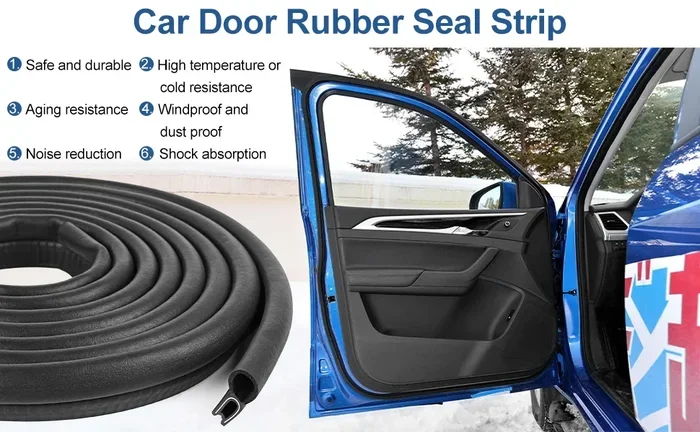
A car door rubber protector is a strip, pad, or trim piece made from rubber or rubber-like material. It attaches to your car door edges, seals, or surrounding areas. Its main job is to absorb impact and prevent damage. Think of it as a shield for your car doors. Without one, your door edges take the full force of every bump and scrape.
Most vehicles come with some form of factory rubber trim. But over time, this original car door rubber seal wears thin, cracks, or falls off entirely. That is when your doors become vulnerable. A rubber door protector replaces or supplements this worn-out layer. It fills in the gaps and adds a fresh barrier between your door and the outside world.
Why Door Damage Happens More Than You Think
Car door damage is more common than most people realize. Here are the most frequent causes:
- Parking lot dings from shopping carts and other car doors.
- Key scratches during entry or exit.
- Weather damage from sun, rain, snow, and ice.
- Road debris kicked up by other vehicles.
- Daily friction from touching the door handle and edge.
- Pet claws from dogs jumping or scratching at the doors.
Each of these causes small damage over time. A single scratch might not seem like much. But dozens of tiny marks add up fast. A rubber door guard prevents most of this damage before it even starts. It is a small investment that pays off big time.
Benefits of Using a Car Door Rubber Protector
Why should you bother adding a door rubber protector to your car? The benefits go way beyond just looks. Here is what you get when you protect your car doors properly.
1. Scratch and Dent Prevention
The most obvious benefit is keeping scratches and dents away. A car door rubber protector absorbs the shock from minor impacts. It takes the hit so your paint and metal do not have to. Over months and years, this adds up to a huge difference in how your car looks.
2. Weather Resistance
Sun UV rays, rain, snow, and extreme temperatures all take a toll on car door seals. A quality rubber door seal protector blocks moisture from seeping into the door frame. It also reflects UV rays that can crack and fade the rubber over time. This means fewer trips to the mechanic for seal replacements.
3. Quieter Door Operation
Worn-out door seals can cause annoying squeaks and rattles when you open or close your car. A new door rubber protector pad cushions the door and reduces noise. Your car feels newer and more refined every time you shut the door.
4. Improved Resale Value
Buyers notice well-maintained car doors. Clean edges and intact rubber seals signal that the vehicle has been cared for. A car door rubber trim protector helps preserve that like-new appearance. When resale time comes, you will get a better price for your efforts.
5. Easy and Affordable Protection
Compared to door edge guards, paint protection films, or professional dent repair, a rubber car door protector is incredibly affordable. Most kits cost between 10 and 40 dollars. Installation takes just a few minutes. There is no need to visit a mechanic or buy expensive tools.
Top Types of Car Door Rubber Protectors
Not all door rubber protectors are created equal. Different types serve different purposes. Let us break down the most popular options so you can pick the right one for your needs.
Adhesive Rubber Strips
Adhesive rubber strips are the most common type of car door rubber protector. These thin strips come with a sticky backing that bonds directly to the door edge. They are slim, flexible, and nearly invisible once installed. Most adhesive strips are made from EPDM rubber, which is known for its durability and weather resistance.
These strips work great for daily scratch prevention. They are also the easiest to replace if they wear out. Simply peel off the old strip and apply a new one. Brands like Rubber Seal Pro and DoorGuard Elite offer some of the best adhesive strips on the market today.
Rubber Door Bumper Pads
Rubber door bumper pads are thicker and more cushioned than adhesive strips. They attach to the door edge or the adjacent body panel. Their main purpose is to absorb impact from door dings and bumps. These pads are ideal if you park in tight spaces or have young children who frequently open doors near walls.
Bumper pads often use a 3M adhesive backing for strong, long-lasting hold. They come in various shapes and sizes to fit different door profiles. Some even include a chrome or brushed metal finish for a sleek look.
Full Door Seal Kits
A door rubber seal kit replaces the entire perimeter seal around your car door. This is the most comprehensive option for car door rubber protection. Seal kits include the main door seal, window seal, and sometimes the keyhole cover.
These kits are ideal for older vehicles or cars with damaged original seals. They provide a complete refresh of your door’s protective barrier. Popular brands like Dorman and Cardone offer full seal kits for many popular car models.
Rubber Door Edge Guards
Rubber door edge guards wrap around the entire door edge for full coverage. They are slightly bulkier than adhesive strips but offer superior protection. These guards are especially popular among truck and SUV owners. They also come in bright colors, which can add a personalized touch to your vehicle.
Silicone-Based Protectors
Silicone rubber door protectors are a newer option that offers excellent flexibility and UV resistance. Silicone does not harden or crack as quickly as standard rubber. It remains soft and pliable in both hot summer and cold winter temperatures. These protectors tend to cost a bit more but last longer in extreme climates.
| Type | Best For | Durability | Price Range |
|---|---|---|---|
| Adhesive Rubber Strips | Daily scratch prevention | 1-2 years | $10-$25 |
| Rubber Door Bumper Pads | Impact absorption | 2-4 years | $15-$35 |
| Full Door Seal Kits | Complete door seal replacement | 3-5 years | $30-$80 |
| Rubber Door Edge Guards | Maximum coverage | 2-3 years | $20-$45 |
| Silicone-Based Protectors | Extreme weather areas | 3-5 years | $25-$50 |
How to Choose the Best Car Door Rubber Protector for Your Vehicle
With so many car door rubber protector options available, how do you pick the right one? Here are the key factors to consider before making your purchase.
1. Check Your Vehicle Model and Door Style
Not every protector fits every car. Car door rubber trim comes in different shapes and sizes depending on the make and model. Before buying, check the product specifications against your vehicle. Most manufacturers list compatible car models on their packaging or product page. If you own a truck with a step bumper or an SUV with a raised door sill, you will need a different protector than a standard sedan.
2. Consider the Material Quality
The material makes a big difference in how long your protector lasts. Look for EPDM rubber or silicone-based materials. These handle UV rays, temperature changes, and moisture much better than cheap PVC alternatives. A high-quality door rubber protector adhesive also matters. Products with 3M adhesive tend to stay put much longer than generic adhesives.
3. Think About Your Parking Environment
Where you park matters a lot. If you park in crowded lots every day, you need something tough like a rubber door bumper pad or a full edge guard. If your car sits in a garage most of the time, a simple adhesive strip might be all you need. Match the protector to your real-world conditions for the best results.
4. Read Customer Reviews and Ratings
Always check reviews before buying. Look for patterns in feedback about durability, adhesion, and ease of install. A top-rated car door rubber protector will have hundreds of positive reviews with consistent praise. Pay attention to reviews from owners with the same vehicle model as yours.
5. Set a Realistic Budget
Rubber door protector prices range widely. You can find basic adhesive strips for under 15 dollars. Premium seal kits can cost 80 dollars or more. Set a budget based on how much protection you need. Remember, the cheapest option is not always the worst, and the most expensive is not always the best.
Installation Tips for Car Door Rubber Protectors
The good news is that installing a car door rubber protector is one of the easiest car upgrades you can do. Most people finish the job in under 15 minutes. Here is how to do it right.
Step-by-Step Installation Guide
- Clean the door edge thoroughly with rubbing alcohol or a mild degreaser. This removes dirt, wax, and oils that prevent proper adhesion.
- Dry the surface completely with a clean microfiber cloth. Moisture is the enemy of adhesive bond strength.
- Measure and cut the protector to the correct length if needed. Most strips come pre-cut, but edge guards may require trimming.
- Peel off the backing from the adhesive side carefully.
- Align the protector along the door edge, starting at the top. Press it firmly into place as you work your way down.
- Apply even pressure along the entire strip. Use a plastic squeegee or the flat side of a spoon to press out any air bubbles.
- Let it cure for 24 hours before closing the door firmly. This allows the adhesive to fully bond to the surface.
Quick Tips for a Perfect Install
- Install your door rubber protector on a cool, dry day. Heat and humidity can weaken the adhesive bond during application.
- Use a hair dryer on a low setting to warm the adhesive if the strip is stiff and hard to bend around curves.
- Do not stretch the rubber protector during installation. It should lie flat and natural against the door edge.
- Press firmly on the ends where peeling most commonly starts.
Common Mistakes to Avoid
- Skipping the cleaning step. Even a thin layer of wax or grime will cause the protector to peel off prematurely.
- Applying in direct sunlight. The heat can soften the adhesive too quickly, causing it to slide out of position.
- Using too much force when pressing. This can push the protector off its intended alignment.
- Ignoring the curing time. Opening and closing the door too soon can peel the edges before the bond sets.
Maintenance and Care Tips for Your Car Door Rubber Protector
A car door rubber protector can last for years with proper care. Here is how to keep yours in top shape.
Regular Cleaning
Wipe down your rubber protector once a month with a damp cloth. This removes dirt, road grime, and salt buildup that can degrade the rubber over time. For a deeper clean, use a mild soap solution and a soft brush. Avoid harsh chemicals or abrasive cleaners that can break down the rubber material.
Rubber Conditioning
Just like your car’s tires, your rubber door seal protector benefits from occasional conditioning. Apply a rubber protectant spray every three to six months. This keeps the rubber soft, flexible, and resistant to cracking. Products like 303 Aerospace Protectant work great for this purpose and are safe for all rubber surfaces.
Inspection and Replacement
Check your protector every few months for signs of wear. Look for cracks, peeling edges, or loss of adhesion. If you notice any of these issues, replace the protector promptly. A worn-out door rubber protector no longer provides adequate protection and can actually trap moisture against your door, causing new problems.
Expert Insight: When to Replace vs. Repair
Small peeling at the edges can often be fixed by cleaning the area and reapplying the strip. However, if the rubber has cracked, hardened, or lost more than half its adhesive strength, replacement is the better choice. A rubber car door protector is inexpensive enough that replacing it is always worth it for the protection it provides.
Final Thoughts on Car Door Rubber Protectors
A car door rubber protector is one of the simplest and smartest investments you can make for your vehicle. It protects your doors from daily damage, improves your car’s appearance, and even boosts resale value. With so many top-rated car door rubber protectors available at affordable prices, there is no reason not to protect your doors today.
Whether you choose an adhesive rubber strip, a bumper pad, a full seal kit, or a silicone-based protector, the key is to install it correctly and maintain it regularly. Take a few minutes to clean your door edges, apply your protector with care, and check it periodically. Your car doors will thank you with years of looking great.
Start by assessing your current door condition. If you see any cracks, peeling, or worn-out seals, it is time for an upgrade. Pick a top-rated car door rubber protector from our guide, follow the installation steps, and enjoy the peace of mind that comes with knowing your car doors are well protected. Your future self will appreciate the effort every time you open that smooth, scratch-free door.
Frequently Asked Questions
How long does a car door rubber protector last?
A quality car door rubber protector typically lasts between one and five years, depending on the material and your climate. EPDM rubber and silicone protectors tend to last longer than basic PVC options. Regular cleaning and conditioning can extend the lifespan significantly.
Can I install a car door rubber protector myself?
Absolutely. Most door rubber protectors are designed for DIY installation. The process is straightforward and requires only a few basic supplies like rubbing alcohol and a microfiber cloth. The entire installation usually takes less than 15 minutes per door.
Will a rubber door protector affect how my car door closes?
A properly installed rubber door protector should not affect door closure at all. It is thin enough to fit flush with the door edge. If you notice any interference, check that the protector is aligned correctly and not overlapping onto the door seal or latch area.
Can I remove a car door rubber protector without damaging my paint?
Yes. Most adhesive rubber door protectors can be removed cleanly. If any residue remains, use a gentle adhesive remover or a mixture of rubbing alcohol and oil. Always test on a small hidden area first to ensure the paint is not affected.
Are car door rubber protectors worth the money?
Yes, they are highly cost-effective. A car door rubber protector costs between 10 and 50 dollars but can prevent hundreds of dollars in door repair costs. The protection against scratches, dents, and weather damage makes them a worthwhile investment for any car owner.
What is the best material for a car door rubber protector?
EPDM rubber and silicone are the two best materials for door rubber protector applications. EPDM offers excellent durability and weather resistance, while silicone provides superior flexibility and UV protection. Avoid cheap PVC options that crack and degrade quickly.
=== CONCLUSION ===
A car door rubber protector is a small accessory that delivers big results. It keeps your car doors safe from scratches, dents, and weather damage every single day. Whether you drive a sedan, SUV, or truck, there is a top-rated rubber door protector that fits your needs and budget. The installation is quick, the maintenance is minimal, and the long-term benefits are clear. Take action today and give your car doors the protection they deserve. Your vehicle will look better, last longer, and hold its value for years to come.