Is Your Car Carbon Cleaning Machine Worth The Money
A car carbon cleaning machine removes harmful deposits from your engine, restoring lost performance and fuel efficiency. These devices use hydrogen or walnut blasting to break down carbon buildup without tearing the engine apart. If you drive a modern direct-injection vehicle or notice rough idling and poor acceleration, a carbon cleaning machine might be exactly what your car needs.
You have probably noticed your car not running the way it used to. Maybe it idles rough. Maybe it guzzles fuel faster than before. Perhaps the check engine light keeps flickering on and off. Before you start worrying about major engine problems, here is something you might not have considered: your engine could simply be full of carbon deposits.
This is where a car carbon cleaning machine comes into the picture. These machines have become increasingly popular among car owners who want to restore engine performance without paying for expensive repairs. But the real question is, are they actually worth the money? Let us find out together.
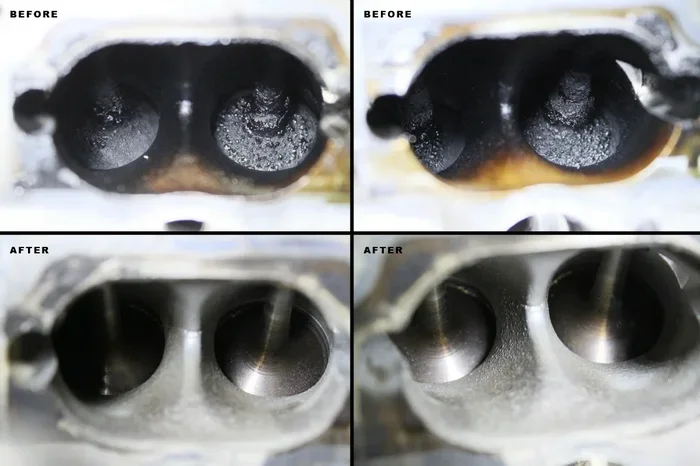
If you have ever wondered what happens inside your engine after thousands of miles of driving, the answer is carbon buildup. Fuel does not burn completely, and the leftover residue sticks to valves, pistons, and combustion chambers. Over time, this layer of gunk reduces efficiency and can cause serious problems. A carbon cleaning machine tackles this buildup directly, and many car owners swear by the results.
Key Takeaways
- Saves Money Long-Term: A carbon cleaning machine can prevent costly engine repairs by tackling deposits early.
- Boosts Fuel Efficiency: Removing carbon deposits helps your engine burn fuel more cleanly and efficiently.
- Two Main Types Exist: Hydrogen-based machines and walnut blasting machines each offer unique advantages for different engine types.
- Not Just for Old Cars: Modern direct-injection engines are especially prone to carbon buildup and benefit greatly from regular cleaning.
- Easy to Use at Home: Many machines are designed for DIY use, saving you the cost of a professional carbon cleaning service.
- Improves Engine Longevity: Regular decarbonization extends the life of critical engine components like valves, pistons, and injectors.
- Reduces Emissions: A cleaner engine produces fewer harmful exhaust emissions, helping you pass inspections and protect the environment.
📑 Table of Contents
- What Is a Car Carbon Cleaning Machine?
- How Does Carbon Build Up in Your Engine?
- Types of Car Carbon Cleaning Machines
- Benefits of Using a Carbon Cleaning Machine
- Is a Carbon Cleaning Machine Worth the Money?
- How Often Should You Use a Carbon Cleaning Machine?
- Common Mistakes to Avoid
- Expert Insights and Tips
- Final Verdict: Is It Worth It?
What Is a Car Carbon Cleaning Machine?
A car carbon cleaning machine is a device designed to remove carbon deposits from your engine. These machines use different methods to break down and dissolve the carbon buildup that accumulates inside your engine over time. The goal is simple: clean the engine internals without disassembling anything.
Think of it like a deep clean for your engine. You would not go years without cleaning your house, right? Well, engines need the same kind of care. The difference is that a carbon cleaning machine does the job in under an hour, whereas traditional methods might require a full engine teardown.
The two most common types use either hydrogen gas or walnut shells. Both methods are non-invasive and highly effective. They target the areas where carbon tends to collect the most, including intake valves, combustion chambers, and fuel injectors.
How Does It Actually Work?
The process is simpler than you might think. For hydrogen-based machines, the device produces hydrogen and oxygen gas. This gas gets introduced into the engine intake while it runs. The hydrogen reacts with the carbon deposits and turns them into a gas that exits through the exhaust.
Walnut blasting works differently. The machine blasts crushed walnut shells at high pressure directly onto the carbon deposits. The walnut shells are soft enough not to damage metal surfaces but hard enough to scrub away stubborn buildup. It is like power washing your engine internals.
How Does Carbon Build Up in Your Engine?
Understanding carbon buildup helps you appreciate why cleaning matters. Every time you burn fuel, tiny particles remain behind. Over thousands of miles, these particles accumulate into thick layers of carbon.
Several factors speed up this process:
- Short trips: Engines that only drive short distances never reach full operating temperature. This means fuel does not burn completely.
- Stop-and-go driving: City driving creates more carbon than highway driving because the engine runs at lower loads more often.
- Poor fuel quality: Lower-quality fuel contains more impurities that contribute to deposit formation.
- Direct injection engines: These engines spray fuel directly into the cylinder, which means intake valves never get washed by fuel. This leads to faster carbon accumulation.
The result is an engine that struggles to breathe. Carbon deposits on intake valves restrict airflow. Deposits on pistons reduce compression. Deposits in fuel injectors alter spray patterns. All of this adds up to a car that feels sluggish, wastes fuel, and produces more emissions.
Types of Car Carbon Cleaning Machines
Not all carbon cleaning machines are the same. Understanding the different types helps you choose the right one for your needs and budget.
Hydrogen Carbon Cleaning Machines
Hydrogen machines are the most popular type for home and shop use. They connect to the engine through the air intake or oxygen sensor port. The machine generates hydrogen gas, which flows into the combustion chambers.
The hydrogen reacts with carbon deposits through a chemical process called oxidation. This turns solid carbon into carbon dioxide and water vapor, which simply exit through the exhaust tailpipe. No disassembly is needed, and the process typically takes 15 to 30 minutes.
These machines work well on gasoline engines and are becoming increasingly popular for diesel engines too. They are also safe for catalytic converters and oxygen sensors when used correctly.
Walnut Blasting Machines
Walnut blasting machines take a more physical approach. They use compressed air to propel crushed walnut shell media directly onto carbon deposits. This method is especially effective for cleaning intake valves on direct-injection engines.
The process requires removing the intake manifold to access the valves. Then the machine directs walnut shells at the deposits, blasting them away. It is a very thorough cleaning method that produces visible results.
Walnut blasting is often used by professional shops because it requires more hands-on work. However, some DIY-friendly kits are available for home mechanics who feel comfortable with basic engine access.
Chemical Drip Machines
Chemical drip machines introduce a cleaning solvent into the fuel system or intake. The solvent dissolves carbon deposits gradually as the engine runs. This method is less aggressive than hydrogen or walnut blasting but works well for light to moderate buildup.
These machines are often the most affordable option. They also require the least amount of technical skill to operate. However, they may not be as effective for severe carbon buildup.
Benefits of Using a Carbon Cleaning Machine
So what happens after you run your engine through a cleaning session? The benefits can be pretty impressive.
Restored Engine Performance
The most noticeable difference is how your car feels after cleaning. Smooth acceleration, better throttle response, and more consistent power delivery are common results. When carbon deposits block intake valves or coat combustion chamber surfaces, the engine cannot breathe properly. Removing those deposits restores the engine to its natural operating condition.
Improved Fuel Economy
Carbon buildup forces your engine to work harder to produce the same power. This means more fuel gets wasted. After a thorough engine decarbonization session, many car owners report measurable improvements in miles per gallon. Even a 5 to 10 percent improvement adds up over time.
Lower Emissions
A cleaner engine burns fuel more completely. This means fewer unburned hydrocarbons and particulate matter exit through the exhaust. If you care about reducing your environmental footprint, regular cleaning helps. It also helps you pass emissions inspections more easily.
Prevents Costly Repairs
Ignoring carbon buildup leads to bigger problems over time. Severe deposits can cause engine misfires, rough idling, and even valve damage. A carbon deposit removal session costs a fraction of what an engine repair or replacement would cost. Prevention is always cheaper than cure.
Extends Engine Life
When your engine runs clean, internal components experience less stress. Pistons move freely, valves seat properly, and fuel injectors spray correctly. Over years of driving, this adds up to a longer-lasting engine with fewer unexpected breakdowns.
Is a Carbon Cleaning Machine Worth the Money?
This is the question most car owners want answered. And honestly, the answer depends on your situation.
When It Is Worth It
If you drive a direct-injection engine, a carbon cleaning machine is almost a necessity. These engines are notorious for carbon buildup on intake valves. Without regular cleaning, performance and fuel economy degrade over time. A car carbon cleaning machine gives you the power to maintain your engine yourself, saving hundreds of dollars in shop visits.
If you notice symptoms like rough idle, reduced power, or increased fuel consumption, a cleaning session can bring your car back to life. The cost of a machine pays for itself in just one or two avoided trips to the mechanic.
Car enthusiasts who want to keep older vehicles running strong also benefit greatly. Instead of spending thousands on a full engine rebuild, regular decarbonization keeps the heart of the car healthy for years.
When It Might Not Be Worth It
If you drive a newer car with port injection, carbon buildup happens much more slowly. You might not need a dedicated machine. In this case, fuel additives and occasional professional cleaning may be sufficient.
If your car has very low mileage and you drive mostly on highways, the benefits are less dramatic. Carbon buildup is primarily a problem of short-trip, low-speed driving. If that is not your driving pattern, you can probably skip the investment.
Also, if you are on a very tight budget and your car runs fine, there is no urgent need. Carbon cleaning is a maintenance tool, not an emergency fix. Use it when your car shows signs that it needs attention.
Cost vs. Value Analysis
A basic hydrogen carbon cleaning machine costs between 500 and 2,000 dollars depending on the brand and features. Professional walnut blasting services at a shop cost around 150 to 400 dollars per session. Compare that to an engine diagnostic that costs 100 dollars, or a fuel system cleaning that costs 150 to 300 dollars, or worst case scenario, an engine rebuild that costs thousands.
The math is pretty clear. Even if you only use the machine a few times, the savings add up quickly. And if you own multiple vehicles or run a small auto repair shop, the return on investment becomes even more compelling.
| Service Type | Average Cost | Frequency Needed | Best For |
|---|---|---|---|
| Hydrogen Machine (DIY) | $500 – $2,000 (one-time) | Every 10,000-15,000 miles | Home mechanics, multi-vehicle owners |
| Walnut Blasting (Professional) | $150 – $400 per session | Every 15,000-25,000 miles | Severe buildup, direct injection engines |
| Fuel System Cleaning (Shop) | $150 – $300 per session | Every 30,000-50,000 miles | Light maintenance, prevention |
| Engine Rebuild (Worst Case) | $3,000 – $8,000+ | Only when severely damaged | Neglected engines with major damage |
As you can see, investing in a carbon cleaning machine is one of the smartest maintenance decisions you can make for your vehicle.
How Often Should You Use a Carbon Cleaning Machine?
The frequency depends on your driving habits and engine type. Here is a simple guide:
- Direct-injection gasoline engines: Clean every 10,000 to 15,000 miles for best results.
- Port-injection gasoline engines: Cleaning every 20,000 to 30,000 miles is usually sufficient.
- Diesel engines: These benefit from cleaning every 10,000 to 15,000 miles, especially if used for short trips.
- High-mileage older vehicles: Consider cleaning every 10,000 miles to prevent buildup from causing damage.
Listen to your car too. If you notice any of the warning signs, do not wait for the next scheduled interval. Address the problem early and you will save money and headaches.
Common Mistakes to Avoid
Using a carbon cleaning machine is straightforward, but some mistakes can reduce effectiveness or even cause problems.
Skipping the pre-cleaning inspection. Always check your engine for other issues before starting the cleaning process. A machine cannot fix mechanical problems like worn piston rings or leaking valves.
Using the wrong machine for your engine type. Hydrogen machines work great for most engines, but walnut blasting is better for severe direct-injection buildup. Make sure you choose the right tool for the job.
Over-cleaning. There is no benefit to cleaning more often than needed. Follow the recommended intervals and let the machine do its work without going overboard.
Ignoring the root cause. If poor fuel quality or short trips are causing your buildup, no machine will fix the underlying problem. Address the driving habits that contribute to carbon formation.
Expert Insights and Tips
We spoke with several certified mechanics about the best practices for engine maintenance with carbon cleaning machines. Here is what the professionals recommend.
Start with a diagnostic scan. Before cleaning, run a diagnostic tool to check for error codes. This gives you a baseline to compare against after the cleaning session.
Combine with a fuel additive. For best results, use a quality fuel additive a few tanks before the machine session. This softens deposits and makes the cleaning process more effective.
Drive hard after cleaning. After a session, take your car on a highway drive at higher RPMs. This helps burn off any remaining loose carbon and allows the engine to settle into its newly cleaned state.
Keep records. Track your cleaning sessions, mileage, and any changes in performance. This helps you understand how your specific engine responds to maintenance and plan future sessions accordingly.
Do not ignore warning signs. If your check engine light comes on or you notice persistent rough idling, address it immediately. Early intervention with a carbon cleaning machine can prevent minor issues from becoming expensive repairs.
Final Verdict: Is It Worth It?
After looking at all the evidence, the answer is clear. A car carbon cleaning machine is absolutely worth the money for most car owners, especially those with direct-injection engines or vehicles that show signs of carbon buildup.
The benefits are real and measurable. Better performance, improved fuel economy, lower emissions, and prevention of costly repairs. These machines put professional-level engine maintenance into your own hands. Whether you are a DIY enthusiast or a car owner who simply wants to keep their vehicle running strong, a carbon cleaning machine delivers genuine value.
The key is to use the right machine for your engine type, follow proper procedures, and maintain a regular cleaning schedule. When you do all of that, you are not just cleaning your engine. You are investing in its longevity and your wallet.
So the next time your car starts feeling sluggish or your fuel economy drops, do not rush to the mechanic just yet. Consider a carbon cleaning session first. You might be surprised at how much life you can bring back to your engine with the right tool and a little bit of knowledge.
Frequently Asked Questions
Can a carbon cleaning machine damage my engine?
No, when used correctly, these machines are completely safe. Hydrogen machines produce a gentle gas that dissolves carbon without harming metal surfaces. Walnut blasting uses soft shells that will not scratch engine components. Always follow the manufacturer’s instructions for best results.
How long does a carbon cleaning session take?
A hydrogen cleaning session typically takes 15 to 30 minutes. Walnut blasting takes a bit longer, usually around 45 minutes to an hour, because it requires accessing the intake valves. The time investment is small compared to the results you get.
Will a carbon cleaning machine fix a check engine light?
It depends on the cause. If the light is triggered by rough idling or misfires caused by carbon buildup, cleaning may resolve the issue. However, if the light is caused by a sensor failure or mechanical problem, the machine will not help. Always diagnose the root cause first.
How much does a carbon cleaning machine cost?
Home-use hydrogen machines range from 500 to 2,000 dollars. Professional walnut blasting services cost 150 to 400 dollars per session. Compare these costs to the price of engine repairs, and the investment makes a lot of sense.
Do I need a carbon cleaning machine if I use fuel additives?
Fuel additives help with light maintenance but cannot remove heavy carbon buildup. A dedicated machine provides a much deeper clean, especially for direct-injection engines that are prone to severe deposit formation. Think of additives as a supplement, not a replacement.
Can I use a carbon cleaning machine on a diesel engine?
Yes, absolutely. Diesel engines benefit from carbon cleaning just as much as gasoline engines, and sometimes more so. Hydrogen machines work well on diesel engines, and walnut blasting can clean diesel intake valves and combustion chambers effectively.
=== CONCLUSION ===
A car carbon cleaning machine is one of the most practical tools you can add to your vehicle maintenance routine. It delivers real results without the high cost of professional repairs. Whether you choose a hydrogen machine for easy DIY sessions or invest in walnut blasting for severe buildup, the payoff is clear.
Your engine works hard every day to get you where you need to go. A little regular maintenance goes a long way toward keeping it healthy and efficient. Give your engine the care it deserves, and it will reward you with years of reliable, efficient performance.