Can You Tell If Your Car Is Low on Oil and Need Help
Can You Tell If Your Car Is Low on Oil? Yes — your car gives clear warning signs before serious damage occurs. From dashboard warning lights to unusual engine noises, low oil symptoms are easier to spot than you think. Catching these signs early can save you from costly repairs and keep your engine running smoothly.
Your car talks to you. It uses sounds, lights, and even smells to tell you when something is wrong. One of the most important messages it can send is that your oil level is dropping. Can you tell if your car is low on oil? Absolutely. The trick is knowing what to look for and what to listen for before the problem gets worse.
Engine oil is the lifeblood of your vehicle. It keeps all the moving parts inside your engine lubricated, cool, and running smoothly. When oil levels drop, those parts start grinding against each other. This can cause serious damage in a very short time. Low oil symptoms are your car’s way of saying, “Hey, I need help right now.”
Many drivers ignore the early signs of low engine oil until it is too late. They end up facing repairs that cost thousands of dollars. But here is the good news. Most cars give you plenty of warning before things reach that point. You just need to pay attention.
In this guide, we will walk you through every sign that your oil is running low. We will cover dashboard lights, strange sounds, physical symptoms, and what you should do right away. Whether you are a new car owner or a seasoned driver, this article will help you protect your engine and avoid expensive repairs.
Key Takeaways
- Dashboard Warning Lights: The oil pressure light and check engine light are your car’s first alerts for low oil levels.
- Unusual Engine Noises: Knocking, ticking, or grinding sounds often mean your engine is running low on lubrication.
- Regular Dipstick Checks: Learning how to use your dipstick is the simplest and most reliable way to monitor oil levels at home.
- Oil Leaks Are Red Flags: Puddles under your car or a burning oil smell can signal a leak that leads to low oil.
- Preventive Maintenance Matters: Staying on top of oil changes and fluid checks helps you avoid engine damage and expensive repairs.
- Act Fast: Ignoring low oil warning signs can lead to engine overheating, blown head gaskets, or total engine failure.
📑 Table of Contents
- Why Oil Level Matters for Your Engine
- Dashboard Warning Lights You Should Never Ignore
- Physical Signs Your Car Is Low on Oil
- How to Check Your Oil Level at Home
- Common Causes of Low Oil Levels
- What to Do When You Find Low Oil
- Can You Drive with Low Oil?
- Preventing Low Oil Problems Before They Start
- Expert Insights on Oil Maintenance
- Key Takeaways
- Conclusion
Why Oil Level Matters for Your Engine
Engine oil does more than just lubricate. It cleans internal components, reduces heat, and prevents rust. Without enough oil, your engine essentially runs dry. The metal parts start to grind, heat builds up fast, and damage follows quickly.
Understanding how oil lubrication works helps you appreciate why staying on top of your oil level is so important. Think of oil as the coolant and cushion for your engine’s inner workings. When that cushion disappears, everything suffers.
How Oil Protects Your Engine
Every time you start your car, the oil pump pushes oil through narrow passages inside the engine. It reaches the pistons, crankshaft, camshaft, and valves. These parts move at incredibly high speeds. Oil creates a thin film between them so they do not touch directly.
When oil levels drop, that film becomes thinner or disappears entirely. Metal starts rubbing against metal. Friction increases. Heat builds. Over time, this causes wear, warping, and eventually catastrophic engine failure.
How Much Oil Does Your Car Need?
Every vehicle has a specific oil capacity. You can find this number in your owner’s manual. Most cars need between four and six quarts of oil, but this varies widely. The key is to keep your oil between the minimum and maximum marks on the dipstick.
Running even a quart low can put extra stress on your engine. Two quarts low is dangerous. If you are below the minimum mark, stop driving and add oil immediately.
Dashboard Warning Lights You Should Never Ignore
Modern cars are packed with sensors and warning systems. These tools are designed to alert you the moment something goes wrong. Can you tell if your car is low on oil just by looking at your dashboard? In many cases, yes.
The Oil Pressure Warning Light
This is the most direct signal your car gives you. It usually looks like an oil can symbol or says “OIL” on the dashboard. When this light turns on, it means your oil pressure has dropped below a safe level.
Do not ignore this light. Do not keep driving. Pull over safely and turn off the engine. Check your oil level with the dipstick. If the oil is low, add the correct type of oil recommended by your manufacturer.
If you add oil and the light stays on, there may be a deeper problem. You could have a faulty oil level sensor, a clogged oil passage, or a failing oil pump. In this case, you should get a free diagnostic for your car at a trusted shop to find out what is going on.
The Check Engine Light
While the check engine light can mean many things, one common cause is low oil. Your car’s computer monitors oil pressure and oil level through various sensors. When it detects a problem, it triggers the check engine light.
Do not assume the check engine light is nothing. Use an OBD-II scanner to read the code, or visit a mechanic. Sometimes the code will directly point to an oil pressure issue.
Other Dashboard Indicators
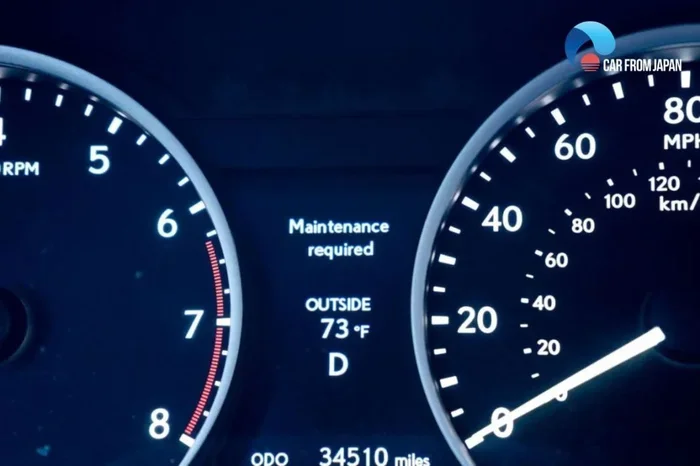
Some newer vehicles have a digital oil level display. This shows your exact oil level on the instrument cluster. If your car has this feature, check it regularly. Also, watch for any messages like “Check Oil” or “Service Engine Soon.” These are all your car’s way of communicating with you.
Physical Signs Your Car Is Low on Oil
Beyond dashboard lights, your car shows physical signs when oil is low. Learning to recognize these symptoms early can save you from major engine problems.
Unusual Engine Noises
This is one of the most common low oil symptoms. When oil levels drop, the engine loses its cushion. You may hear:
- Ticking or tapping sounds: These often come from the valve train. Without enough oil, the valves cannot properly lubricate.
- Knocking sounds: A deep knock from inside the engine is a serious warning. It means metal parts are making contact.
- Grinding noises: This is a late-stage sign. It means the lubrication has almost completely failed.
If you hear any of these sounds, pull over and check your oil. Continuing to drive with a knocking engine can cause permanent damage.
Oil Smells Inside the Cabin
Do you smell something burnt or oily inside your car? This could mean oil is leaking onto hot engine parts and burning. Oil leaks are a common cause of low oil levels. The smell might be mild at first but will get stronger as the leak worsens.
Check under your car for any puddles. Fresh oil is usually amber or dark brown. If you see a pool forming under your engine, you likely have a leak that needs attention.
Exhaust Smoke
While some exhaust vapor is normal in cold weather, blue or gray smoke is not. Blue smoke often means oil is burning inside the combustion chamber. This can happen when oil levels are low and the engine is starved of lubrication.
If you notice blue smoke coming from your tailpipe, get your car checked right away. This is not something to wait on.
Decreased Engine Performance
Low oil can make your engine feel sluggish. You might notice:
- Reduced power when accelerating
- Rough idling or stalling
- Delayed response when pressing the gas pedal
These symptoms happen because the engine is working harder without proper lubrication. The internal friction increases, and everything slows down.
How to Check Your Oil Level at Home
Checking your oil is one of the simplest things you can do as a car owner. It takes less than five minutes and requires no special tools. Here is how to do it the right way.
Step-by-Step Dipstick Check
First, make sure your car is parked on a level surface. The engine should be cool or warm (check your manual for the recommended timing). Most manufacturers suggest checking oil when the engine is warm but not hot.
- Open the hood and locate the dipstick. It usually has a brightly colored handle.
- Pull the dipstick out and wipe it clean with a rag or paper towel.
- Reinsert the dipstick fully, then pull it out again.
- Look at the oil level marks. There are usually two lines, holes, or a crosshatch area.
- If the oil level is between the marks, you are good. If it is below the minimum mark, you need to add oil.
While you have the dipstick out, check the oil color. Fresh oil is amber and translucent. Dark brown or black oil means it is time for an oil change. If the oil looks milky or frothy, you may have a coolant leak, which is a serious problem.
How Often Should You Check Your Oil?
Make it a habit to check your oil at least once a month. You should also check it before any long road trip. Some older cars burn oil faster than newer ones. If your car has high mileage, checking more frequently is a smart move.
Common Causes of Low Oil Levels
Oil does not just disappear on its own. Something is causing it to drop. Understanding the root cause helps you prevent the problem from coming back.
Oil Leaks
Leaks are the number one cause of low oil. Common leak points include:
- Valve cover gaskets
- Oil pan gasket
- Oil drain plug
- Oil filter seal
- Crankshaft seals
Even a small leak can drain your oil over time. If you notice oil spots under your car after parking, get it inspected. A mechanic can find and fix the leak before your oil level drops dangerously low.
Burning Oil
Some cars burn small amounts of oil as they age. Worn piston rings or valve seals can allow oil to enter the combustion chamber. If your car burns oil, you may need to add oil between changes. This is common in older vehicles with high mileage.
Wrong Oil Type or Viscosity
Using the wrong oil can cause increased consumption. Oil viscosity matters. Thinner oils may leak past seals more easily, while thicker oils may not flow properly in cold weather. Always use the oil weight recommended in your owner’s manual.
Missing or Damaged Oil Cap
This sounds simple, but it happens more often than you think. If the oil cap is loose, missing, or cracked, oil can splash out while driving. Check your oil cap regularly to make sure it is secure.
What to Do When You Find Low Oil
So you checked your oil and it is low. Now what? Here is a clear action plan to follow.
Step 1: Add Oil Immediately
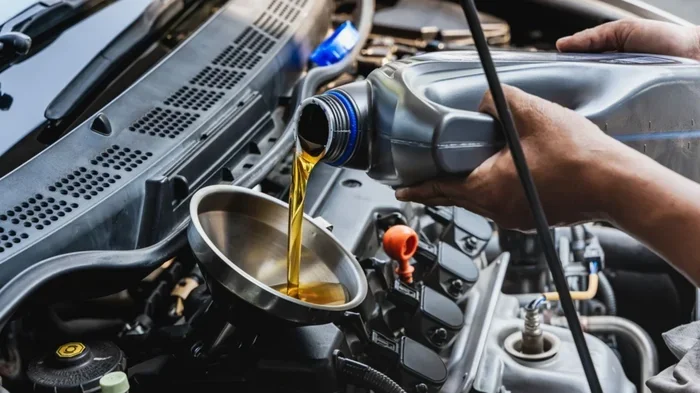
Buy the correct type of oil for your vehicle. You can find this information on the oil cap under your hood or in your owner’s manual. Add oil slowly and check the level frequently. You do not want to overfill.
Step 2: Look for Leaks
After adding oil, watch for signs of a leak. Check under your car for puddles. Monitor your oil level over the next few days. If it drops again quickly, you have a leak that needs professional attention.
Step 3: Visit a Mechanic
If your oil level drops frequently, or if you cannot find the source of the problem, see a mechanic. They can perform a thorough inspection and diagnose the issue. Can someone tow my car without permission? No, but a trusted mechanic will help you get to the bottom of the problem safely.
Also, if your car has been running low on oil for a while, it might be worth getting a diagnostic check. Some shops offer free diagnostic services that can reveal hidden damage before it becomes a bigger problem.
Step 4: Keep a Maintenance Log
Write down every oil check, oil change, and top-off. This helps you track patterns and catch problems early. A good maintenance log also helps if you ever need to sell your car or file a warranty claim.
Can You Drive with Low Oil?
This is one of the most common questions drivers ask. The short answer is: you should not. Even a few miles of driving with very low oil can cause serious engine damage.
If your oil light comes on while driving, find a safe place to pull over immediately. Turn off the engine and check the oil level. If you are far from a gas station or mechanic, call for roadside assistance. It is always better to be safe than sorry.
Driving with low oil is like running a marathon without water. Your engine will seize up eventually. The cost of replacing an engine far outweighs the cost of a simple oil change or top-off.
Some drivers wonder if driving a car with a blown head gasket is related to low oil. The answer is yes. Low oil can contribute to overheating, which in turn can blow a head gasket. Keeping your oil at the right level is one of the best ways to prevent this type of damage.
Preventing Low Oil Problems Before They Start
The best way to deal with low oil is to prevent it from happening in the first place. Here are some practical tips to keep your oil levels healthy.
- Follow the manufacturer’s oil change schedule. Every car has a recommended interval. Stick to it.
- Use the right oil. Check your owner’s manual for the correct viscosity and type.
- Check your oil monthly. Make it part of your regular car care routine.
- Watch for leaks. Inspect under your car regularly for any fluid puddles.
- Keep your oil filter clean. A clogged filter can restrict oil flow and cause pressure problems.
- Monitor your coolant levels too. Low antifreeze can cause overheating, which stresses the engine and can affect oil performance.
Taking these simple steps goes a long way in protecting your engine. Prevention is always cheaper and easier than repair.
Expert Insights on Oil Maintenance
Experienced mechanics agree that most engine problems start with something small. Low oil is one of the easiest issues to prevent, yet it causes more engine damage than almost any other factor.
“I see cars come into the shop every week with engine damage from low oil,” says a longtime mechanic. “Most of these drivers say they did not notice the warning signs. That is the real problem. The car was telling them something was wrong. They just did not know how to listen.”
Regular maintenance is your best friend. Oil changes, fluid checks, and paying attention to dashboard lights can add years to your engine’s life. And remember, your oil capacity and oil consumption rate will change as your car ages. Older cars need more attention and more frequent checks.
If you are ever unsure about your oil level or notice any of the warning signs we discussed, do not hesitate to get professional help. A quick check can save you from a major repair bill down the road.
Key Takeaways
- Dashboard Warning Lights: The oil pressure light and check engine light are your car’s first alerts for low oil levels.
- Unusual Engine Noises: Knocking, ticking, or grinding sounds often mean your engine is running low on lubrication.
- Regular Dipstick Checks: Learning how to use your dipstick is the simplest and most reliable way to monitor oil levels at home.
- Oil Leaks Are Red Flags: Puddles under your car or a burning oil smell can signal a leak that leads to low oil.
- Preventive Maintenance Matters: Staying on top of oil changes and fluid checks helps you avoid engine damage and expensive repairs.
- Act Fast: Ignoring low oil warning signs can lead to engine overheating, blown head gaskets, or total engine failure.
Conclusion
Can you tell if your car is low on oil? Yes, and now you know exactly how. From dashboard warning lights to strange engine noises, your car gives you plenty of signs before the situation becomes critical. The key is paying attention and acting quickly when you notice something is off.
Checking your oil regularly is one of the easiest and most important things you can do as a car owner. It takes just a few minutes and can save you thousands of dollars in repairs. Do not wait for the oil light to come on. Make it a habit to check your oil level at least once a month.
Remember that low oil is not just a minor annoyance. It is a serious issue that can lead to engine failure if ignored. Whether you spot a dashboard warning, hear a strange noise, or smell burning oil, take action immediately. Your engine depends on it.
Stay proactive with your car maintenance. Keep your oil at the right level, use the correct oil type, and address any leaks or warning signs right away. Your car will thank you with years of reliable performance. And the peace of mind that comes with knowing your engine is well-protected is priceless.
Frequently Asked Questions
What are the first signs that my car is low on oil?
The first signs include an illuminated oil pressure warning light on your dashboard, unusual ticking or knocking noises from the engine, and a burning oil smell inside the cabin. Some cars also show decreased performance or rough idling when oil levels drop. Checking your dipstick regularly is the best way to catch low oil early.
Can low oil cause engine overheating?
Yes, absolutely. Oil helps regulate engine temperature by reducing friction and carrying heat away from critical components. When oil levels are low, friction increases and heat builds up rapidly. This can lead to engine overheating and potentially a blown head gasket or warped engine parts.
How often should I check my car’s oil level?
You should check your oil level at least once a month. It is also a good idea to check it before any long road trips. Older cars or vehicles with high mileage may need more frequent checks since they tend to burn oil faster over time.
Is it safe to drive if my oil light comes on?
No, it is not safe. When the oil light comes on, it means your oil pressure has dropped to a dangerous level. Pull over immediately and turn off the engine. Continuing to drive can cause catastrophic engine damage within minutes. Check your oil level and add oil if needed, or call for roadside assistance.
What type of oil should I add if my levels are low?
Always use the oil type and viscosity recommended by your car’s manufacturer. You can find this information on the oil cap under your hood or in your owner’s manual. Using the wrong oil can lead to increased consumption, poor lubrication, and potential engine damage over time.
Can a free diagnostic for your car reveal low oil issues?
Yes, many auto shops offer free diagnostics that can read your car’s onboard computer for oil pressure and level codes. A diagnostic scan can also reveal related issues such as a faulty oil level sensor, clogged oil passages, or oil pump problems that might not be visible during a simple dipstick check.