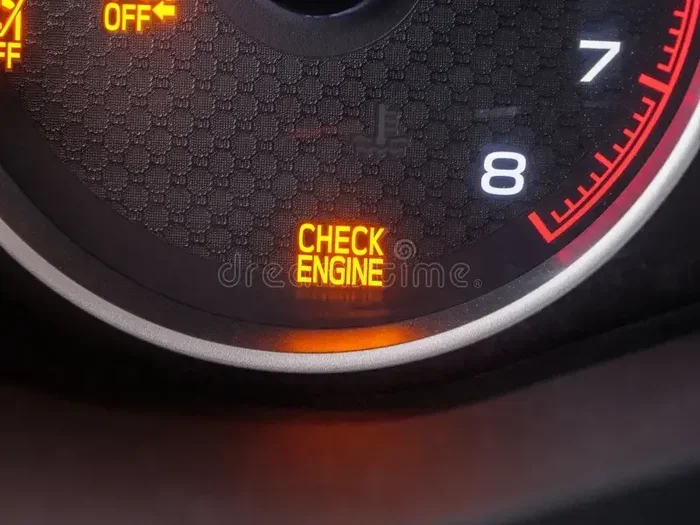
Can a Check Engine Light Turn Off on Its Own Sometimes
Yes, a check engine light can turn off on its own, but that doesn’t mean the problem is gone. Many drivers experience their check engine light illuminating and then disappearing without any action. Understanding why this happens can save you from costly repairs and keep your vehicle running safely. This guide covers the common causes, what it means when the light goes out, and when you should still see a mechanic.
Have you ever been driving down the road and noticed that little orange engine-shaped icon pop up on your dashboard? It’s enough to make anyone’s stomach drop. And then, just as suddenly as it appeared, it goes dark again. What gives? Can a check engine light turn off on its own? The short answer is yes. But the full story is a lot more important for every driver to understand.
Your vehicle’s check engine light is part of the onboard diagnostics system. This system monitors dozens of sensors and components to keep your engine running efficiently. When something falls outside the normal range, the light comes on to warn you. Sometimes the issue is minor and temporary. Other times, it signals a problem that needs immediate attention. Either way, knowing what’s behind that blinking or steady glow can save you time, money, and stress.
In this article, we’ll walk through exactly why your check engine light might shut off by itself, what common triggers cause it, and what you should do when it happens. We’ll also cover when it’s safe to keep driving and when you need to pull over and call for help. By the end, you’ll have a clear picture of how your car’s warning system works and how to respond like a pro.
Key Takeaways
- A check engine light can turn off by itself: Minor issues like a loose gas cap often resolve on their own, causing the light to shut off.
- The underlying problem may still exist: Just because the light is off doesn’t mean the issue is fixed. Fault codes may still be stored in your vehicle’s memory.
- Use an OBD-II scanner to check for codes: Even if the light is off, a scanner can reveal hidden diagnostic trouble codes that need attention.
- Some causes are serious: Issues like a failing catalytic converter or engine misfire need immediate attention, even if the light flickers off.
- Regular car maintenance prevents check engine light issues: Routine inspections and timely repairs keep your emissions system healthy and your dashboard clear.
- Driving with a check engine light on has risks: Continuing to drive without addressing the cause can lead to bigger, more expensive problems down the road.
📑 Table of Contents
- What Does the Check Engine Light Actually Do?
- Can a Check Engine Light Turn Off on Its Own?
- Common Reasons the Check Engine Light Comes On
- Should You Worry When the Light Goes Off?
- What to Do When Your Check Engine Light Turns Off
- When to See a Mechanic
- Can You Reset the Check Engine Light Yourself?
- How to Prevent Check Engine Light Issues
- Common Mistakes Drivers Make with the Check Engine Light
- Conclusion
What Does the Check Engine Light Actually Do?
The check engine light is part of your vehicle’s emissions and diagnostics system. It’s also called the malfunction indicator lamp, or MIL. When the powertrain control module (PCM) detects a problem, it stores a diagnostic trouble code (DTC) and triggers the light. This system has been standard in all cars sold in the U.S. since 1996.
The light can appear in two ways. A steady check engine light usually means a non-emergency issue. A check engine light flashing is more serious and often indicates a misfire or condition that could damage the catalytic converter. Both types of alerts deserve your attention, but they aren’t always urgent.
How the Diagnostics System Works
Your car has a network of sensors that constantly monitor engine performance. These sensors check things like fuel mixture, oxygen levels, engine temperature, and exhaust emissions. If any sensor reading falls outside the acceptable range for a set period, the PCM logs a fault code and turns on the check engine light. Think of it as your car’s way of saying, “Hey, something isn’t right here.”
The system is designed to be sensitive. Even small fluctuations can trigger the light. That’s why a loose gas cap or a brief temperature spike can set it off temporarily. The system doesn’t always know whether the issue is a one-time glitch or a real problem.
Can a Check Engine Light Turn Off on Its Own?
The answer is yes, a check engine light can turn off on its own in many situations. But the reason it went off matters a lot. Here are the most common scenarios where this happens:
Loose or Faulty Gas Cap
This is the number one most common reason a check engine light comes on and then goes away. Your fuel system has a sealed evaporative emissions system. If the gas cap isn’t tight, fuel vapors can escape and trigger a code. When you stop and tighten the cap, the system rechecks and the light often shuts off within a few drive cycles.
If this happens to you, don’t ignore it. A loose gas cap is easy to fix, but a cracked or worn cap should be replaced. A faulty cap can cause fuel evaporation and reduce your gas mileage over time.
Temporary Sensor Glitches
Modern vehicles have dozens of sensors. Sometimes a sensor reads an abnormal value due to heat, moisture, or a brief electrical hiccup. The system logs the code and turns on the light. But on the next startup, the sensor reads normally and the system clears the code. The light goes off, but the code may still be stored in memory.
This is why even experienced drivers should never assume a gone light means a gone problem. The underlying condition could still be present, just intermittent.
Self-Clearing Fault Codes
Many vehicles have a built-in feature where minor fault codes clear themselves after a set number of successful drive cycles. A drive cycle is a specific pattern of driving that allows the PCM to retest the system. If the system passes all tests, the code clears and the light goes out.
However, not all codes self-clear. Codes related to emissions system failures, catalytic converter issues, or persistent misfires typically need manual intervention to reset. That’s where an OBD-II scanner comes in handy.
Common Reasons the Check Engine Light Comes On
Understanding what triggers the check engine light helps you respond better when it happens. Here are the most common causes:
Loose or Damaged Gas Cap
As mentioned above, this is the simplest and most common trigger. A quick tighten often solves the problem.
Oxygen Sensor Failure
The oxygen sensor measures unburned oxygen in your exhaust. A failing sensor can hurt fuel economy and increase emissions. This is one of the most common reasons for a check engine light and usually requires a sensor replacement.
Faulty Catalytic Converter
The catalytic converter reduces harmful emissions. When it fails, the light comes on and often stays on. This is a more expensive repair, which is why early detection matters.
Engine Misfire
A misfire happens when one or more cylinders fail to fire properly. This can cause rough idling, reduced power, and increased emissions. A check engine light flashing with a misfire is a serious warning that needs immediate attention.
Mass Airflow Sensor Issues
The mass airflow sensor tells the computer how much air is entering the engine. A dirty or failing sensor can cause poor performance and trigger the light.
Spark Plug or Ignition Coil Problems
Worn spark plugs or faulty ignition coils can cause misfires and rough running. These are relatively inexpensive fixes that prevent bigger problems.
Should You Worry When the Light Goes Off?
This is where many drivers get tripped up. They see the check engine light turn off and assume everything is fine. That’s not always the case. Here’s what you need to know:
When It’s Probably Nothing
If the light came on once, stayed steady for a short time, and then went off, it might have been a temporary sensor glitch or a loose gas cap. If you retightened the cap and the light cleared after a day or two of driving, that’s usually a good sign. Still, it’s smart to keep an eye on it.
When You Should Be Concerned
If the check engine light comes on and off repeatedly, that’s a red flag. Intermittent lighting often points to an ongoing issue that hasn’t been resolved. The problem could be getting worse, even if the light isn’t on every time you drive.
Also, if the light was flashing and then became steady before turning off, you should still get the vehicle checked. A flashing light indicates a severe condition, and the fact that it changed doesn’t mean the damage didn’t occur.
The Hidden Codes Problem
Here’s something many people don’t know. Even when the check engine light is off, your vehicle’s computer may still store pending or historical codes. These codes don’t trigger the light anymore, but they remain in the system’s memory. A mechanic with an OBD-II scanner can pull these codes and identify issues before they become bigger problems.
This is why free diagnostic checks at auto parts stores are so valuable. Many shops will read your codes at no cost, even if the light isn’t currently on.
What to Do When Your Check Engine Light Turns Off
If your check engine light has gone off, here’s a step-by-step approach to make sure your vehicle is truly okay:
- Check the gas cap first. Make sure it’s tight and in good condition. If it’s cracked or worn, replace it.
- Observe your driving. Pay attention to any changes in performance, fuel economy, or unusual sounds. These can give you clues about what triggered the light.
- Get a diagnostic scan. Even if the light is off, visit a mechanic or use a personal OBD-II scanner to check for stored codes. This is the best way to know what actually happened.
- Don’t ignore it if it returns. If the check engine light comes back on, don’t wait. Address the issue promptly to avoid more expensive repairs.
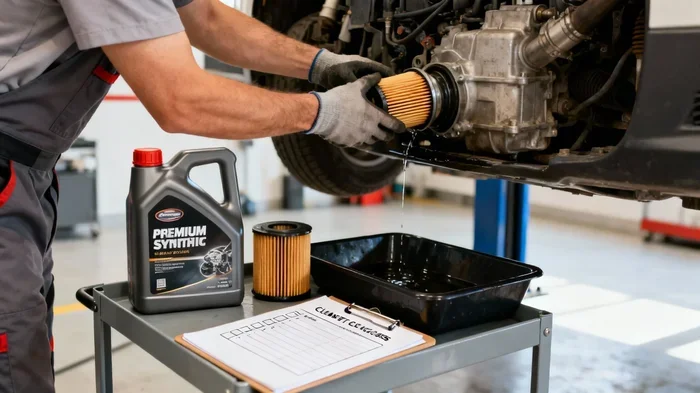
- Keep up with regular car maintenance. Routine oil changes, spark plug replacements, and air filter changes help prevent many check engine light triggers in the first place.
Quick Tips for Dashboard Warning Lights
- Don’t panic. A steady light is usually not an emergency.
- Don’t ignore it. Even if it goes off, the issue may still be there.
- Note when it happened. Did it come on during cold weather, after filling up, or under heavy load? These details help mechanics diagnose the issue.
- Keep a scanner handy. A basic OBD-II scanner is affordable and gives you peace of mind.
- Know the difference between steady and flashing. A flashing light is always more urgent than a steady one.
When to See a Mechanic
Not every check engine light situation requires an immediate trip to the shop, but some do. Here’s a simple guide:
Go Immediately If:
- The check engine light is flashing and the engine is shaking.
- You notice a significant loss of power.
- You see smoke or steam coming from the engine.
- The temperature gauge is in the red zone.
- You hear unusual knocking or clanking sounds from the engine.
Schedule a Visit Soon If:
- The light came on and went off but keeps returning.
- You notice decreased fuel economy.
- The engine runs rough or idles unevenly.
- You failed an emissions test.
- You want a professional diagnostic even if the light is off.
Regular vehicle repair and maintenance keep small issues from becoming big ones. A simple diagnostic scan can reveal problems long before they turn into costly repairs. Think of it as an investment in your car’s longevity.
Can You Reset the Check Engine Light Yourself?
Some drivers wonder if they can simply reset the check engine light and move on. Here’s the honest truth: you can, but you probably shouldn’t without understanding the cause first.
Disconnecting the battery or using a scanner to clear codes will turn off the light temporarily. But if the underlying problem hasn’t been fixed, the light will come back on. And in many modern vehicles, clearing codes without fixing the issue can cause your car to fail an emissions inspection.
If you want to reset the light after a repair, that’s different. Once the problem is fixed, an OBD-II scanner can clear the codes and turn off the light. Just make sure the repair is complete first.
Expert Insight: Why Clearing Codes Without Fixing the Problem Backfires
Many well-meaning drivers clear the check engine light just to pass an inspection or stop the annoying beep. But this approach often leads to bigger headaches. The underlying issue continues to cause damage, and the light will return within days or weeks. Worse, some insurance companies and buyers view cleared codes as a red flag during vehicle history reports.
Professional mechanics always recommend diagnosing the root cause first. A few dollars spent on a diagnostic scan can save hundreds in future repairs.
How to Prevent Check Engine Light Issues
Prevention is always better than cure. Here are some simple habits that reduce the chances of your check engine light coming on unexpectedly:
- Tighten your gas cap every time you fill up. Make sure you hear it click.
- Replace spark plugs on schedule. Worn plugs cause misfires and trigger codes.
- Use the right grade of fuel. Using a lower octane than recommended can cause engine knock and light activation.
- Keep up with oil changes. Fresh oil keeps engine components running smoothly and reduces stress on sensors.
- Check your air filter regularly. A clogged filter affects airflow and can trigger mass airflow sensor codes.
- Address small issues early. Don’t wait for a minor problem to become a major one. Early engine diagnostics save money.
- Avoid short trips when possible. Frequent short drives don’t allow the engine to reach full operating temperature, which can cause moisture buildup and sensor issues.
Common Mistakes Drivers Make with the Check Engine Light
Avoid these common errors to keep your car healthy and your wallet happy:
- Ignoring the light because it went off. The light being off doesn’t mean the problem is gone.
- Panicking over a steady light. A steady light is rarely an immediate emergency, but it does need attention.
- Clearing codes without diagnosing the cause. This masks the real problem and can lead to repeated failures.
- Assuming it’s just a sensor error. While sensors do fail, the light could also indicate a serious mechanical issue.
- Delaying repairs to save money. A small fix today prevents a major repair tomorrow. Ignoring the light often leads to more expensive vehicle repair costs.
Conclusion
So, can a check engine light turn off on its own? Yes, it absolutely can. But that doesn’t mean you should breathe a sigh of relief and forget about it. The check engine light is your car’s early warning system, and when it goes off and comes back, it’s trying to tell you something. Whether it’s a loose gas cap or a more serious emissions system issue, the best approach is always to investigate.
Get a diagnostic scan, pay attention to how your car drives, and don’t wait for the problem to get worse. A little proactive attention goes a long way in keeping your vehicle safe, reliable, and efficient. Your future self, and your wallet, will thank you.
Stay on top of your car’s health, and the check engine light will be one less thing to worry about on the road.
Frequently Asked Questions
Is it safe to drive with the check engine light on?
If the light is steady and your car is driving normally, it’s generally safe to drive a short distance. However, you should get the vehicle diagnosed as soon as possible. If the light is flashing, pull over safely and avoid driving until the issue is inspected by a professional.
How much does it cost to diagnose a check engine light?
Many auto parts stores offer free diagnostic scanning. If you visit a mechanic, a diagnostic fee typically ranges from $50 to $150 depending on your location and vehicle type. This small cost can save you from much larger repairs down the road.
Can a check engine light turn off after tightening the gas cap?
Yes, a loose gas cap is one of the most common reasons the light comes on and then goes off. After tightening the cap, it may take a few drive cycles for the system to recheck and clear the code. The light usually turns off within one to three days of normal driving.
Will a check engine light reset itself after the problem is fixed?
In many cases, yes. Once the underlying issue is resolved, the vehicle’s computer needs to complete a few successful drive cycles before it clears the code and turns off the light. Some vehicles clear the codes faster than others, but it typically takes a few days of normal driving.
What does it mean if the check engine light comes on and off repeatedly?
An intermittent check engine light often points to an ongoing issue that hasn’t been resolved. It could be a faulty sensor, a wiring problem, or an engine condition that only appears under certain driving conditions. You should get a diagnostic scan done even if the light is off at the time of inspection.
Can a bad battery cause the check engine light to come on?
Yes, a weak or failing battery can cause voltage fluctuations that trigger the check engine light. Low voltage can affect the sensors and the powertrain control module, leading to false or real fault codes. If you notice the light along with slow cranking or electrical issues, have your battery tested.