What Car Brand Holds Its Value the Longest Year After Year
So, what car brand holds its value the longest? Toyota, Jeep, and GMC consistently top the charts for resale value and depreciation resistance. Your choice of brand, vehicle type, and maintenance habits all play a huge role in how much your car is worth down the road.
Key Takeaways
- Toyota leads the pack: Toyota consistently ranks as the #1 brand for long-term value retention.
- Jeep and GMC surprise many: These brands outperform many luxury names in resale value year after year.
- SUVs and trucks win: Sport utility vehicles and pickup trucks hold value far better than sedans.
- Depreciation is the biggest factor: Understanding how fast your car loses value helps you make smarter buying decisions.
- Brand reliability matters: Brands known for durability and low repair costs retain value significantly better.
- Maintenance keeps value high: Regular service, clean history, and proper care boost your vehicle’s resale price.
- Luxury brands can still hold value: Brands like Porsche and Lexus offer strong residual value despite higher upfront costs.
📑 Table of Contents
- Why Some Car Brands Hold Their Value the Longest
- Top Car Brands That Hold Their Value the Longest
- SUVs and Trucks That Retain Value Best
- Luxury Brands With Strong Resale Value
- How to Choose a Car That Holds Its Value
- Common Mistakes That Kill Your Car’s Value
- Expert Insights on Vehicle Value Retention
- Quick Tips to Maximize Your Car’s Resale Value
- Conclusion
Why Some Car Brands Hold Their Value the Longest
You buy a car. You love it. You drive it for years. Then one day, you decide to sell it. And bam — you realize it lost a ton of money. That is depreciation. It is the silent killer of your wallet.
But here is the good news. Some car brands hold their value far better than others. You just need to know which ones to look at. What car brand holds its value the longest is a question car buyers ask every single day. And the answer might surprise you.
Not all vehicles lose value at the same rate. A depreciation rate depends on many things. Brand reputation matters. Vehicle type matters. Even the color and trim level can make a difference. But brand reputation? That is the biggest factor of all.
When we talk about car resale value, we are really talking about how much money your vehicle keeps over time. A car that drops 50% in three years is a bad deal. A car that drops only 25%? That is a smart buy. Best brands for holding value understand this game well.
Let us dive deep into the brands, the numbers, and the reasons behind vehicle retain value. By the end, you will know exactly what to look for on your next purchase.
The Role of Brand Reputation in Value Retention
Think about it this way. Would you rather buy a used car from a brand known for falling apart — or from a brand known for lasting forever? Most people pick the second option. And that is exactly why certain car brands hold value so well.
Brands like Toyota and Honda have spent decades building trust. When a buyer walks onto a used lot, they look for names they trust. Brand reliability drives demand. And demand drives resale price. It is a simple cycle.
On the flip side, brands with poor reliability histories see their vehicles drop fast. Buyers avoid them. Dealers discount them. The used car market punishes brands that cannot deliver.
How Depreciation Works and Why It Matters
Depreciation is the gradual loss of a vehicle’s worth. Most new cars lose about 20% of their value in the first year. By year five, many lose 50% or more. But some brands barely lose 30% in five years. That is a massive difference.
Understanding vehicle depreciation helps you make smarter choices. If you plan to keep your car a long time, depreciation matters less. But if you trade in or sell often, it matters a lot.
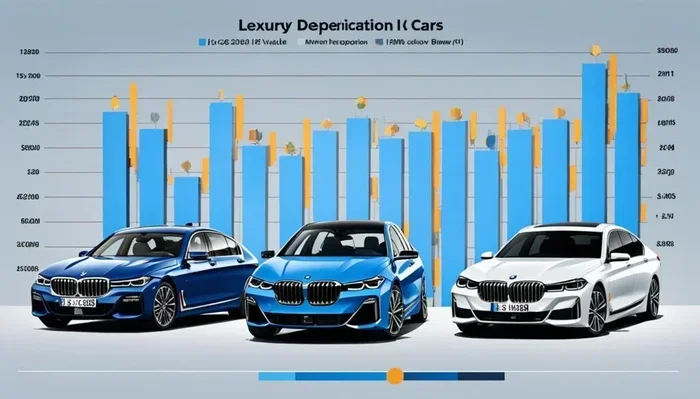
The long-term car investment angle is real. Some vehicles actually cost less to own over time because they lose value slowly. A car depreciation chart can show you exactly how different brands perform. Always check one before you buy.
Top Car Brands That Hold Their Value the Longest
Now let us get to the fun part. Which brands actually hold value? The data comes from sources like Kelley Blue Book and IntelliChoice. These organizations track resale value comparison numbers every year. Here are the brands that consistently win.
Toyota: The Undisputed King of Value Retention
Toyota sits at the top of almost every resale value list. The Toyota resale value story is well documented. Models like the Tacoma, 4Runner, and Land Cruiser barely lose value over time.
Why? Three main reasons. First, Toyota builds reliable engines that last hundreds of thousands of miles. Second, their vehicles have strong brand loyalty. People trust the name. Third, Toyota parts are affordable and easy to find.
The Tacoma pickup truck is a perfect example. It holds roughly 65-70% of its value after five years. That is incredible for a vehicle that sees so much wear and tear. Toyota resale value numbers speak for themselves.
Jeep: The Surprising Value Champion
Jeep might not be the first name you think of for holding value. But this brand has climbed the ranks fast. The Jeep Wrangler and Jeep Grand Cherokee are two of the best models for resale value.
Jeep builds vehicles with strong emotional appeal. People love Jeeps. They form communities around them. That loyalty keeps demand high in the used market. A Wrangler with solid service history can sell for nearly what it cost new.
Jeep also benefits from its off-road reputation. These are not everyday commuter cars. They are adventure machines. That niche appeal keeps prices stable. Jeep resale value has improved dramatically over the past decade.
GMC: The Truck Brand That Keeps Its Value
GMC often flies under the radar. But their trucks and SUVs hold value remarkably well. The GMC Sierra and GMC Canyon consistently rank high in value retention studies.
GMC positions itself as a premium version of Chevrolet. Better interiors. Better features. Better branding. Buyers notice. A used GMC Sierra often commands a higher price than a similar Chevy Silverado. That premium perception pays off at resale.
The GMC brand also benefits from strong truck demand. Pickup trucks are always in demand on the used market. And GMC trucks hold that demand better than most competitors.
Other Notable Brands With Strong Resale
Toyota, Jeep, and GMC lead the pack. But several other brands deserve mention.
- Lexus: Toyota’s luxury division. Lexus vehicles hold value beautifully, especially SUVs like the RX and GX.
- Porsche: A luxury brand that actually holds value better than many mainstream brands. The Cayman and 911 are legendary for low depreciation.
- Subaru: Known for all-wheel drive and reliability. Subaru Outback and Forester models retain value well.
- Ford: The Ford Raptor and Ford Bronco have strong resale numbers, especially in the truck and SUV segments.
- Ram: Ram trucks hold value competitively, especially the Ram 1500 with its premium interior options.
SUVs and Trucks That Retain Value Best
Here is a pattern you will see over and over. SUVs and trucks hold value better than sedans and coupes. Why? Simple. They are more useful. They tow things. They handle rough roads. They seat more people. Buyers want them.
The used SUV market has grown enormously. Families prefer SUVs for their space and versatility. That demand keeps prices high on the used market. Trucks face similar demand, especially in rural areas and among tradespeople.
Best SUVs for Long-Term Value
When it comes to SUV value retention, a few models stand out clearly.
- Toyota 4Runner: A rugged, reliable SUV that barely depreciates. It is built like a tank and feels like one too.
- Jeep Wrangler: Iconic design, strong community, and incredible used demand.
- Toyota RAV4: A more affordable SUV option that still holds value very well.
- Lexus RX: Luxury meets reliability. The RX holds value better than many German competitors.
- Ford Bronco: A modern classic with strong resale numbers driven by nostalgia and capability.
Best Trucks for Long-Term Value
Trucks are America’s favorite vehicles. And some trucks hold their value better than almost anything on the road.
- Toyota Tacoma: The gold standard for truck value retention. It is simple, reliable, and always in demand.
- Chevrolet Silverado: A strong seller with broad appeal and solid used market performance.
- Ford F-150: America’s best-selling truck. The F-150 holds value across many trim levels.
- GMC Sierra: Often outperforms the Silverado in resale thanks to its premium positioning.
- Ram 1500: Known for its luxury interior and smooth ride. Holds value competitively in the full-size truck segment.
Luxury Brands With Strong Resale Value
You might think luxury cars lose value fast. And many do. But some luxury brands actually hold value surprisingly well. The key is finding brands that combine luxury with reliability.
Porsche: The Luxury Brand That Defies Depreciation
Porsche is the exception to almost every rule in the car world. A new Porsche Cayenne might cost $70,000. Three years later, it might still be worth $50,000 or more. That is a depreciation rate most mainstream brands cannot match.
Porsche builds cars that feel special. The driving experience is unmatched. Owners take care of them. And the brand has a cult-like following. All of these factors boost high residual value cars from Porsche.
Lexus: Luxury Without the Depreciation Pain
Lexus is Toyota’s luxury arm. It combines the reliability of Toyota with the comfort and features of a premium brand. The result? Vehicles that hold value remarkably well.
A used Lexus ES or Lexus RX costs more than a comparable Toyota model. But it also retains more of that cost over time. Lexus resale value is consistently among the best in the luxury segment.
Why Some Luxury Brands Fail at Value Retention
Not all luxury brands are created equal. Brands like BMW, Mercedes-Benz, and Audi often see steep depreciation. Why? Higher repair costs. More complex technology. And a used car buyer’s fear of expensive maintenance.
When you buy a used luxury car, you inherit the risk of costly repairs. That risk drives down the price. Brands with lower repair costs and better reliability — like Lexus — avoid this trap.
How to Choose a Car That Holds Its Value
You do not need to be a car expert to make a smart purchase. Follow these simple steps, and you will buy a vehicle that keeps its value.
Step 1: Research Depreciation Before You Buy
Never buy a car without checking its expected depreciation. Websites like Kelley Blue Book and Edmunds provide depreciation data for almost every model. Look up the car depreciation chart for any vehicle you are considering.
A quick search can save you thousands of dollars. If a car loses 60% of its value in five years, think twice. If it loses only 30%, you found a winner.
Step 2: Pick Popular Models and Colors
Common colors like white, black, and silver sell faster. Popular trims and configurations attract more buyers. The more demand a model has, the better it holds value.
Avoid weird colors or rare trims unless you love them enough to accept lower resale. Best cars to buy for value retention are almost always mainstream choices.
Step 3: Keep Up With Maintenance
A clean maintenance history is gold. Every oil change, every repair, every service visit should be documented. Buyers trust vehicles with full service records.
Follow the manufacturer’s maintenance schedule. Use quality parts. Keep receipts. These small efforts pay off big when you decide to sell.
Step 4: Avoid Modifications
Custom wheels, loud exhausts, and aftermarket body kits might look cool. But they hurt resale value. Most buyers prefer stock, unmodified vehicles.
If you must modify, choose changes that are easy to reverse. Keep the original parts. When you sell, put the stock parts back on.
Step 5: Consider Total Cost of Ownership
The cost of ownership goes beyond the sticker price. Factor in fuel costs, insurance, maintenance, and depreciation. A slightly more expensive car that holds value better might actually cost less over time.
Think of your car as a long-term investment. The long-term car investment mindset helps you see beyond the upfront price tag.
Common Mistakes That Kill Your Car’s Value
Some habits quietly destroy your vehicle’s resale worth. Avoid these mistakes at all costs.
Skipping Regular Maintenance
Missing oil changes or ignoring warning lights might save you a little money now. But it costs you big time later. Buyers inspect maintenance records carefully. A skipped service can lower your offer by hundreds or even thousands of dollars.
Ignoring Small Damage
That small dent on the door? The scratch on the bumper? They matter more than you think. Small damage signals neglect. Fix minor issues before selling. It pays for itself many times over.
Overloading Your Vehicle
Using your car as a moving truck or hauling heavy loads regularly causes extra wear. Suspension problems, tire wear, and body damage all add up. A well-maintained, lightly used vehicle always sells for more.
Smoking or Pets in the Car
Smoke odor and pet hair are instant deal-breakers for many buyers. These smells are hard to remove completely. Keep your vehicle smoke-free and pet-free if you plan to sell it later.
Ignoring Market Timing
Selling in the right season can boost your price. Convertibles sell better in spring and summer. Trucks and SUVs sell well year-round but especially in fall and winter. Timing your sale strategically can add hundreds to your bottom line.
Expert Insights on Vehicle Value Retention
We spoke with automotive analysts who study resale value trends every year. Here is what they had to say.
“The brands that hold value the best share a common trait — they focus on reliability above everything else,” says one industry expert. “Buyers of used cars want peace of mind. They want a vehicle that will not leave them stranded. That is what Toyota, Honda, and Subaru deliver every single time.”
Another analyst added, “The rise of electric vehicles is changing the resale landscape. Battery degradation concerns are making some EVs depreciate faster. But brands that solve the battery issue will dominate the used market in the coming years.”
These insights reinforce a simple truth. Brand reliability and proven track records are the foundation of value retention. No marketing campaign can replace years of consistent performance.
Quick Tips to Maximize Your Car’s Resale Value
Want to get the most money when you sell? Follow these quick tips.
- Wash and detail your car before listing it. First impressions matter enormously.
- Fix minor issues before selling. A $50 repair can add $500 to your sale price.
- Gather all documentation — service records, receipts, and warranty information.
- Price competitively by checking similar listings on local marketplaces.
- Sell during peak demand seasons for your vehicle type.
- Consider selling privately for a higher price than trading in at a dealer.
Conclusion
So, what car brand holds its value the longest? The answer is clear. Toyota stands at the top. Jeep and GMC follow closely behind. And brands like Lexus and Porsche prove that luxury and value retention can go hand in hand.
Choosing a car brand that holds value is one of the smartest financial decisions you can make. It saves you money, reduces your cost of ownership, and gives you more flexibility when it is time to upgrade.
Remember the key factors. Pick a reliable brand. Choose popular models and body styles. Maintain your vehicle faithfully. And always research depreciation before you buy.
What car brand holds its value the longest is not just a trivia question. It is a strategy for smarter car ownership. Apply these insights, and you will see the difference every time you sell.
Drive smart. Buy right. And let your vehicle work for you — long after you drive it off the lot.
Frequently Asked Questions
What car brand holds its value the longest on average?
Toyota consistently ranks as the car brand that holds its value the longest. Models like the Tacoma, 4Runner, and Land Cruiser show remarkably low depreciation rates compared to competitors. This is driven by Toyota’s reputation for reliability and strong brand loyalty.
Do trucks hold their value better than cars?
Yes, trucks and SUVs generally hold their value better than sedans and coupes. The used truck market stays strong because of high demand for work and utility vehicles. Pickups like the Toyota Tacoma and Ford F-150 are especially known for excellent value retention.
Is it worth buying a luxury car for its resale value?
Some luxury brands like Porsche and Lexus hold value very well. However, most luxury brands depreciate faster than mainstream options. If resale value is your priority, a reliable mainstream brand like Toyota or Lexus gives you the best return on investment.
How can I check a car’s expected depreciation?
You can use online tools from Kelley Blue Book, Edmunds, or IntelliChoice. These sites provide car depreciation charts and estimated resale values for specific models. Always check these resources before making a purchase decision.
Does vehicle color affect resale value?
Yes, it does — but not as much as you might think. Neutral colors like white, black, and silver tend to sell faster and sometimes for more money. However, color matters far less than brand reputation, maintenance history, and overall vehicle condition.
What is the best used car brand for value retention?
Toyota is the best used car brand for value retention. Jeep and GMC also rank very high. These brands offer a combination of reliability, demand, and lower ownership costs that keeps their vehicles valuable in the used car market year after year.
=== END ===