Are Older Tacomas Good on Gas Everything You Should Know
Older Tacomas are surprisingly good on gas, especially the 4-cylinder models from the early 2000s. Whether you own a 2005 or a 2012 model, this guide covers Toyota Tacoma fuel economy by year, engine type, and practical tips to improve gas mileage.
Are older Tacomas good on gas? This is a question that comes up a lot among truck fans and budget shoppers. The Toyota Tacoma has been a favorite for decades. It is known for being tough, lasting forever, and holding its value. But what about gas mileage? Does an older Tacoma sip fuel or guzzle it?
The short answer is yes. Most older Tacomas handle gas pretty well. Especially the 4-cylinder versions from the early 2000s. But the full picture depends on a few things. The year matters. The engine type matters. And how you drive matters too. In this article, we will break down everything you need to know about Toyota Tacoma fuel economy. You will learn which years are the best, what to expect, and how to get the most out of every gallon.
If you are thinking about buying a used Tacoma or keeping your current one, this guide is for you. We will cover real numbers, real tips, and honest advice. No fluff. Just useful information to help you make a smart decision about your older truck gas mileage.
Key Takeaways
- Older Tacomas deliver solid gas mileage: Most models get between 16 and 25 MPG depending on the year and engine.
- 4-cylinder engines are the most fuel efficient: They outperform V6 models in city and highway driving.
- Maintenance matters a lot: Clean air filters, proper tire pressure, and regular tune-ups keep your Tacoma sipping gas.
- Driving habits impact MPG: Smooth acceleration and steady speeds make a big difference in fuel consumption.
- Older Tacomas are reliable and affordable: They remain a top choice for budget-conscious truck buyers.
- Fuel type matters: Using the right octane level helps optimize performance and efficiency.
📑 Table of Contents
- Understanding Toyota Tacoma Fuel Economy
- Best Years for Older Tacoma Gas Mileage
- Factors That Affect Your Tacoma’s Gas Mileage
- Common Mistakes That Hurt Tacoma Gas Mileage
- Is an Older Tacoma Worth Buying for Fuel Savings?
- Tips to Improve Gas Mileage in Your Older Tacoma
- How Does the Older Tacoma Compare to Other Trucks?
- Final Thoughts on Older Tacoma Gas Mileage
Understanding Toyota Tacoma Fuel Economy
To understand how older Tacomas perform at the pump, you need to know a few basics. Toyota Tacoma fuel economy varies a lot from one model year to the next. The engine size, the transmission, and even the body style all play a role.
Generally, older Tacomas fall into two main categories. The 4-cylinder engines and the V6 engines. The 4-cylinder models are the clear winners when it comes to saving gas. They are lighter and simpler. They do not burn as much fuel. The V6 models are more powerful, but they use more gas. That is the trade-off you need to keep in mind.
Here is a quick look at what you can expect from different Tacoma generations:
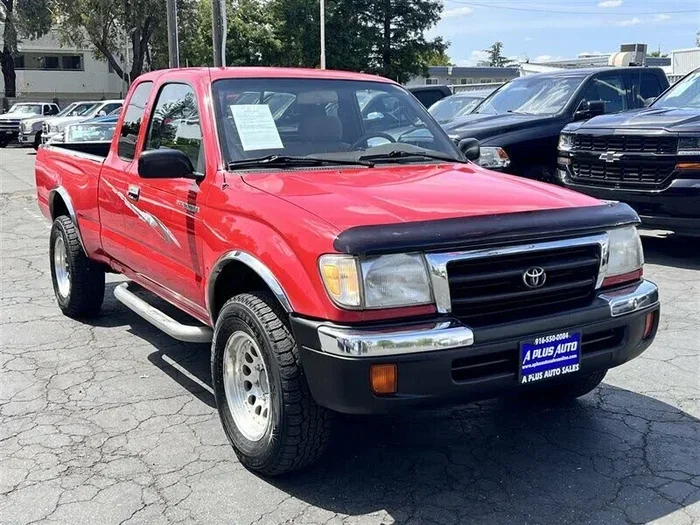
- 1995 to 2004 (first generation): These trucks mostly came with 4-cylinder engines. They get around 18 to 22 MPG on the highway.
- 2005 to 2011 (second generation): Available with both 4-cylinder and V6 engines. The 4-cylinder pulls in about 20 to 24 MPG highway.
- 2012 to 2015 (third generation): The V6 models became more common here. Highway MPG drops to around 17 to 20 for V6 versions.
These numbers are averages. Your actual results will vary. Driving style, cargo load, and tire condition all affect your Tacoma MPG. We will talk more about that later in the article.
Why the 4-Cylinder Engine Wins for Gas Mileage
The 2.4-liter and 2.7-liter 4-cylinder engines found in older Tacomas are real workhorses. They were designed for efficiency. These engines are simple and reliable. They have fewer parts that can break or wear out. That simplicity also helps them sip fuel instead of guzzling it.
If you want the best Toyota Tacoma gas mileage by year, look for a 4-cylinder model. The 2000 to 2004 Tacoma with the 2.4-liter engine is a standout. It was one of the most fuel-efficient trucks in its class. Many owners report getting over 25 MPG on the highway with proper maintenance.
What About the V6 Engine?
The V6 engines in older Tacomas are great for hauling and towing. But they come with a fuel economy cost. The 3.4-liter V6 from the early 2000s is a solid engine. It has plenty of torque. But it uses more gas than the 4-cylinder options.
If you need the power of a V6, do not write off the Tacoma entirely. Just be ready for lower MPG numbers. You can still get 16 to 19 MPG on the highway with a V6. That is not bad for a truck of this size and capability.
Best Years for Older Tacoma Gas Mileage
Not all Tacomas are created equal when it comes to fuel economy. Some years and models are much better than others. If gas mileage is your top priority, here are the years to focus on.
Top Picks for Fuel Efficiency
- 2000 to 2004 Toyota Tacoma: These models came mostly with the 2.4-liter 4-cylinder engine. They offer some of the best older Tacoma gas mileage ever recorded. Highway MPG can reach 23 to 25 in these years.
- 2005 to 2008 Toyota Tacoma: The second generation brought slight improvements. The 4-cylinder models still deliver around 20 to 23 MPG on the highway.
- 2009 to 2011 Toyota Tacoma: These years saw minor updates to the engine and transmission. Fuel economy stayed consistent with the previous generation.
Years to Avoid If Gas Mileage Matters
On the flip side, some years are not as friendly to your fuel tank. The V6 models from 2005 onward tend to use more gas. The 2012 and newer models with the 4.0-liter V6 are powerful but thirsty. If you are shopping for a used Tacoma and care about fuel costs, stick with the 4-cylinder versions from the earlier years.
Factors That Affect Your Tacoma’s Gas Mileage
Your Tacoma’s gas mileage is not set in stone. Several factors can make it better or worse. Understanding these can help you get the most out of your truck.
Driving Habits
How you drive has a huge impact on fuel economy. Aggressive driving kills MPG. Rapid acceleration, hard braking, and speeding all burn more gas. Smooth and steady driving is the key to saving fuel.
Try to maintain a constant speed on the highway. Use cruise control when it is safe to do so. Avoid tailgating, which forces you to brake and accelerate constantly. These small changes can add up to big savings over time.
Vehicle Maintenance
A well-maintained Tacoma runs more efficiently. Dirty air filters restrict airflow to the engine. That makes the engine work harder and use more fuel. Regular oil changes keep everything running smoothly. Fresh spark plugs improve combustion efficiency.
Tire pressure is another big one. Underinflated tires create more rolling resistance. That means your engine has to work harder to move the truck. Check your tire pressure at least once a month. Keep them at the recommended PSI for the best Tacoma MPG.
Load and Aerodynamics
Carrying heavy loads in your Tacoma bed or on the roof reduces fuel economy. The heavier the truck, the more gas it burns. Remove unnecessary items from your bed when you are not using them. Take off roof racks and cargo carriers when they are not needed.
Even the tailgate position matters. Studies have shown that keeping the tailgate up improves aerodynamics and can boost MPG slightly. It is a small change, but it adds up over many miles.
Common Mistakes That Hurt Tacoma Gas Mileage
Many Tacoma owners unknowingly make habits that reduce their fuel economy. Here are some common mistakes to avoid.
- Ignoring the check engine light: A glowing check engine light can signal problems that hurt fuel efficiency. Get it checked right away.
- Using the wrong fuel: Older Tacomas do not need premium gas. Using regular unleaded is perfectly fine and saves money at the pump.
- Neglecting oil changes: Old or dirty oil increases engine friction. That means more fuel is wasted.
- Excessive idling: Letting your truck idle for long periods wastes gas. Turn off the engine if you are parked for more than a minute.
- Overloading the truck: Hauling heavy loads constantly strains the engine and reduces MPG.
One thing to keep in mind is the type of fuel you use. If you are wondering about fuel options, check out this guide on Can You Put Premium Gas In Any Car. Using premium gas in a truck that does not require it will not improve performance or mileage. It is just wasted money.
Is an Older Tacoma Worth Buying for Fuel Savings?
If you are in the market for a used truck, the older Tacoma is a strong contender. These trucks are known for their reliability. They can easily last 200,000 miles or more with basic care. That long lifespan means you get many years of use from your investment.
Are cars from Japan generally reliable? Absolutely. Toyota cars from Japan have a strong reputation for durability and efficiency. The Tacoma is no exception. It consistently ranks among the most reliable trucks on the road. That reliability extends to fuel economy as well. Even after 15 or 20 years, an older Tacoma can still deliver solid MPG numbers.
Buying an older Tacoma also means lower purchase price. You get a capable truck without the steep price tag of a new model. The fuel savings over time make it even more appealing. A 4-cylinder older Tacoma can save you hundreds of dollars per year compared to a newer V6 truck.
Used Tacoma Buying Tips
When shopping for a used Tacoma, keep these tips in mind:
- Look for 4-cylinder models if gas mileage is your priority.
- Check the maintenance records. A well-documented service history is a good sign.
- Test drive the truck and pay attention to how it feels. Rough idling or hesitation could signal fuel system issues.
- Inspect the tires. Worn tires reduce fuel efficiency and can be costly to replace.
- Consider the Tacoma gas tank size. Older models typically have 16 to 20 gallon tanks, which gives you a decent driving range.
Tips to Improve Gas Mileage in Your Older Tacoma
Want to squeeze every last mile out of each gallon? Here are some practical tips that actually work.
1. Keep Your Tires Properly Inflated
This is the simplest and most effective tip. Check your tire pressure weekly. Underinflated tires can reduce your MPG by up to 3 percent. A good tire gauge costs just a few dollars and is worth every penny.
2. Replace Your Air Filter Regularly
A clean air filter allows your engine to breathe properly. Dirty filters restrict airflow and force the engine to burn more fuel. Replace your air filter every 15,000 to 30,000 miles for optimal performance.
3. Use the Right Oil
Using the manufacturer-recommended oil weight makes a difference. Synthetic oils can reduce engine friction and improve fuel economy slightly. Check your owner’s manual for the recommended oil type.
4. Drive at Moderate Speeds
Fuel economy drops significantly at speeds above 65 mph. Wind resistance increases exponentially at higher speeds. Keeping your speed between 55 and 65 mph is the sweet spot for Toyota Tacoma fuel economy.
5. Keep Up with Tune-Ups
Regular tune-ups keep your engine running efficiently. Fresh spark plugs, clean fuel injectors, and a functioning oxygen sensor all contribute to better MPG. Do not skip scheduled maintenance.
6. Reduce Excess Weight
Every extra pound in your truck costs you fuel. Clean out your bed and cabin regularly. Remove heavy tools or equipment that you do not need on a daily basis.
How Does the Older Tacoma Compare to Other Trucks?
The older Tacoma holds its own against competitors. When it comes to older truck gas mileage, it is one of the best options in the used truck market.
Other popular older trucks like the Ford F-150 and the Dodge Ram tend to use more gas. The Tacoma’s smaller engine options and lighter weight give it an advantage. It is not the most powerful truck on the road. But for daily driving and light-duty work, it is hard to beat the Tacoma’s fuel efficiency.
If you are comparing options, keep in mind that Are Cars From Japan Reliable is a question many buyers ask. And the answer is a resounding yes. Toyota’s reputation for building long-lasting, efficient vehicles is well-earned. The Tacoma is a perfect example of that engineering philosophy.
Some people also wonder about traction control and its effect on fuel. If you are curious about how different features impact gas usage, you might find this article on Does Traction Control Use More Gas helpful for understanding vehicle efficiency in general.
Final Thoughts on Older Tacoma Gas Mileage
So, are older Tacomas good on gas? The answer is a clear yes. Whether you have a first-generation model from the late 1990s or a second-generation truck from the mid-2000s, the Tacoma delivers respectable fuel economy. The 4-cylinder models are especially efficient. They offer a great balance of capability and efficiency.
The key to getting the best MPG from your older Tacoma is simple. Maintain it properly. Drive sensibly. Use the right fuel. Follow these principles and your Tacoma will reward you with strong fuel economy for years to come.
If you are considering buying a used Tacoma, you are making a smart choice. These trucks are built to last. They are affordable to buy and affordable to run. The older Tacoma remains one of the best options for anyone who wants a reliable, efficient, and capable truck without breaking the bank.
Take care of your Tacoma, drive it with care, and it will keep delivering excellent gas mileage mile after mile. That is the Toyota promise. And the Tacoma has lived up to it for decades.
Frequently Asked Questions
What is the average gas mileage for an older Toyota Tacoma?
Most older Tacomas get between 16 and 24 MPG depending on the year and engine. 4-cylinder models from the early 2000s often reach 22 to 25 MPG on the highway. V6 models typically fall in the 16 to 20 MPG range.
Which year Tacoma has the best gas mileage?
The 2000 to 2004 Tacoma models with the 2.4-liter 4-cylinder engine offer the best fuel economy. These years consistently deliver the highest MPG numbers for the Tacoma lineup.
Does the Tacoma 4-cylinder use regular gas?
Yes, older Tacoma 4-cylinder engines run perfectly fine on regular unleaded gasoline. You do not need premium fuel. Using regular gas saves you money and is what Toyota recommends for these engines.
Can I improve my older Tacoma’s gas mileage?
Absolutely. Simple steps like keeping tires properly inflated, replacing air filters, using the right oil, and driving at moderate speeds can all improve your Tacoma MPG significantly.
Are older Tacomas reliable for daily driving?
Yes, older Tacomas are excellent for daily driving. They are known for their durability and low maintenance costs. Many owners drive their Tacomas well past 200,000 miles without major issues.
How does the Tacoma compare to newer trucks in terms of fuel economy?
Older Tacomas with 4-cylinder engines often match or beat newer trucks in fuel economy. Newer trucks have more features and heavier components that can reduce MPG. The older Tacoma’s simplicity works in its favor.
=== CONCLUSION ===
Are older Tacomas good on gas? Without a doubt. These trucks offer impressive fuel economy for their class, especially the 4-cylinder models from the early 2000s. Whether you are looking at a 2000 Tacoma or a 2011 model, you can expect solid Toyota Tacoma fuel economy with proper care.
The key is to choose the right engine, maintain your truck regularly, and adopt fuel-smart driving habits. An older Tacoma can deliver 20+ MPG on the highway and still handle tough jobs when needed. It is a truck that gives you the best of both worlds: capability and efficiency.
If you are in the market for a used truck or thinking about keeping your current one, the older Tacoma is a smart choice. It is reliable, affordable, and easy on the gas pump. Take the tips from this guide, apply them to your truck, and enjoy the savings at every fill-up.