At What Speed Do Toyota Hybrids Switch from Electric to Gas
Toyota hybrids switch from electric to gas at different speeds depending on the model, driving conditions, and throttle input. Most Toyota hybrid vehicles operate in electric-only mode at low speeds, typically under 15-25 mph, then seamlessly transition to the gasoline engine as you accelerate. Understanding this switchover helps drivers maximize fuel efficiency and get the most out of their hybrid system.
Toyota hybrids are some of the most popular vehicles on the road today. Millions of drivers trust the Toyota hybrid system to save fuel and reduce emissions. But one question keeps coming up: at what speed do Toyota hybrids switch from electric to gas?
The answer is not as simple as a single number. It depends on several factors, including the specific model, battery charge, driving conditions, and how hard you press the accelerator. In this guide, we will break down everything you need to know about how Toyota hybrid vehicles transition between electric and gasoline power.
Whether you drive a Toyota Prius, a Toyota RAV4 Hybrid, or any other Toyota hybrid model, understanding this switchover can help you drive smarter. You will learn when the electric motor takes over, when the gas engine kicks in, and how to get the best fuel efficiency from your ride.
Key Takeaways
- Electric-only mode: Toyota hybrids run on electric power at low speeds and light throttle, usually below 15-25 mph.
- Seamless transition: The switch from electric to gas happens automatically and smoothly without driver input.
- Multiple factors matter: Battery charge, throttle position, temperature, and driving mode all influence when the gas engine kicks in.
- Model differences exist: Different Toyota hybrid models have varying switchover speeds based on their powertrain design.
- You can optimize efficiency: Gentle acceleration and EV mode usage help keep the car running on electric power longer.
📑 Table of Contents
- How Toyota Hybrid Powertrains Work
- At What Speed Do Toyota Hybrids Switch to Gas?
- Factors That Influence the Switchover Speed
- Toyota Hybrid Models and Their Switchover Behavior
- Tips to Maximize Electric Driving and Fuel Efficiency
- Common Mistakes That Cause Early Gas Engine Engagement
- Expert Insights on Toyota Hybrid Switchover
- Conclusion
How Toyota Hybrid Powertrains Work
To understand the switchover speed, you first need to know how a Toyota hybrid system works. Unlike a traditional car that runs only on gasoline, a hybrid uses two power sources. These are an electric motor and a gasoline engine. Together, they work as a team to move the vehicle.
The electric motor handles low-speed driving and gentle acceleration. The gasoline engine takes over when more power is needed. A special component called a power split device manages this transition. It decides which power source to use at any given moment.
The Role of the Electric Motor
The electric motor in a Toyota hybrid does the heavy lifting during city driving. It provides instant torque, which means quick and smooth acceleration from a stop. This is why hybrids feel so responsive in stop-and-go traffic.
The electric motor also powers the vehicle at low speeds. When you are cruising through a parking lot or creeping along in traffic, the gasoline engine often stays off. This is called electric-only mode. It is one of the biggest advantages of owning a hybrid vehicle.
The Role of the Gasoline Engine
The gasoline engine kicks in when you need more power. This happens during highway driving, hard acceleration, or when the battery charge drops low. The engine also charges the hybrid battery through a process called regenerative braking.
Regenerative braking captures energy that is normally lost when you slow down. It sends that energy back to the battery. This clever system helps Toyota hybrids achieve excellent gas mileage without needing to plug in the car.
At What Speed Do Toyota Hybrids Switch to Gas?
This is the big question. The short answer is that most Toyota hybrids switch from electric to gas somewhere between 15 and 25 miles per hour. But the exact speed varies based on several factors. Let us look at those factors in detail.
Low-Speed Electric Driving
At very low speeds, Toyota hybrids almost always run on electric power only. This includes scenarios like pulling out of a parking space, driving through a garage, or creeping in traffic. The electric motor is quiet and efficient during these moments.
Most drivers will notice the gasoline engine stays off when speeds are below 15 mph. This is especially true when the battery has a good charge. The hybrid system prioritizes electric power whenever it can because it saves fuel and reduces emissions.
The Switchover Zone
The switchover zone is where things get interesting. This is the speed range where the hybrid system decides to bring in the gasoline engine. For most Toyota models, this happens between 20 and 30 mph. However, it is not just about speed.
If you accelerate gently, the electric motor may keep working even at higher speeds. If you press the accelerator hard, the gas engine will engage sooner. The system is designed to balance power needs with fuel efficiency at all times.
Highway Driving and Gas Engine Use
Once you reach highway speeds, the gasoline engine becomes the primary power source. At speeds above 40 to 50 mph, most Toyota hybrids rely heavily on the gas engine. However, the electric motor still plays a role.
During highway cruising, the electric motor may assist the gasoline engine. It can also recharge the battery through regenerative braking when you slow down. This means the hybrid system is always working, even when the car is moving fast.
Factors That Influence the Switchover Speed
The speed at which your Toyota hybrid switches to gas is not fixed. Several factors play a role in this decision. Understanding these factors can help you become a more efficient driver.
Battery Charge Level
The state of the hybrid battery is one of the biggest factors. When the battery is fully charged, the system will stay in electric mode longer. It has plenty of stored energy to draw from. When the battery is low, the gas engine will kick in sooner to recharge it.
This is why you may notice your hybrid runs in electric mode more during city driving. Stop-and-go traffic actually helps charge the battery through regenerative braking. Then, that stored energy can be used for electric-only driving later.
Throttle Position and Driving Style
How you drive has a direct impact on when the switchover happens. If you are a gentle driver who eases onto the accelerator, the electric motor will carry you further. If you are heavy-footed and accelerate quickly, the gas engine will engage faster.
This is a key insight for anyone looking to maximize fuel economy. Smooth, gradual acceleration keeps the car in electric mode longer. Aggressive driving forces the gasoline engine to work harder and burn more fuel.
Driving Mode Selection
Many Toyota hybrid models come with different driving modes. These modes change how the hybrid system behaves. For example, EV mode forces the car to stay in electric-only driving for as long as possible.
Other modes, like Power mode, prioritize performance. The gas engine will engage earlier and more often in Power mode. Understanding your driving modes can give you more control over the switchover behavior.
Temperature and Weather Conditions
Cold weather can affect how the hybrid system operates. In very cold temperatures, the gasoline engine may run more often. This is because the engine needs to warm up quickly for optimal performance. The battery also works less efficiently in extreme cold.
Hot weather can also play a role. Running the air conditioning puts extra load on the system. The gas engine may kick in to provide additional power when the AC is running at full blast.
Vehicle Load and Terrain
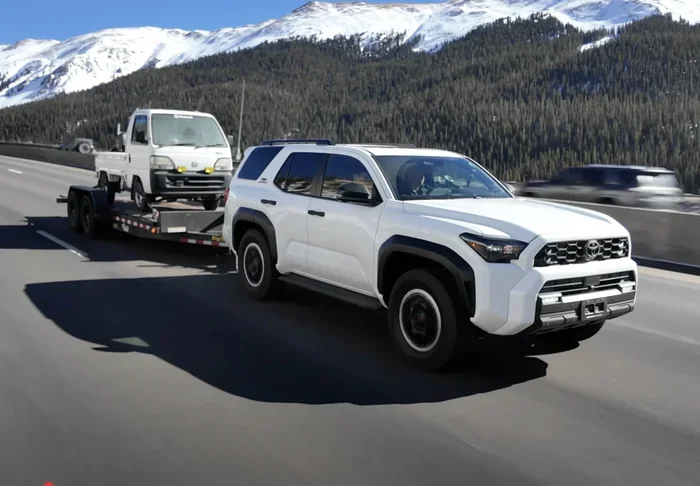
Carrying heavy cargo or towing a trailer changes the power demands on the hybrid system. When the car needs more force to move, the gasoline engine will engage at lower speeds. Climbing steep hills is another situation where the gas engine may take over early.
On flat, open roads with light cargo, the electric motor can handle more of the work. This is why highway cruising with a light load is often more efficient than city driving with a full trunk.
Toyota Hybrid Models and Their Switchover Behavior
Not all Toyota hybrids behave the same way. Different models have different hybrid systems with unique switchover characteristics. Let us look at some of the most popular Toyota hybrid vehicles and how they handle the electric-to-gas transition.
Toyota Prius
The Toyota Prius is the original hybrid car and still one of the most efficient. It uses a power split device that seamlessly blends electric and gas power. The Prius tends to stay in electric mode at very low speeds and light loads.
Most Prius drivers report that the gas engine kicks in around 20 to 25 mph under normal driving conditions. However, the Prius can also run on electric power at higher speeds if the battery is charged and acceleration is gentle. This makes it an excellent choice for city and highway driving alike.
Toyota RAV4 Hybrid
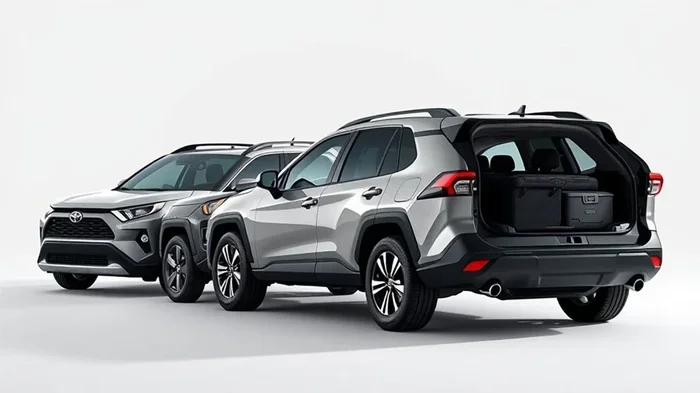
The Toyota RAV4 Hybrid is a compact SUV with a more powerful hybrid system. Because it is heavier than the Prius, the switchover to gas tends to happen a bit earlier. The RAV4 Hybrid uses a different powertrain layout that combines a gasoline engine with two electric motors.
Drivers of the RAV4 Hybrid will notice the gas engine engaging more frequently, especially during highway merging and hill climbing. However, the RAV4 still delivers impressive fuel economy thanks to its advanced hybrid technology.
Toyota Camry Hybrid
The Toyota Camry Hybrid offers a smooth and refined driving experience. Its hybrid system is designed for comfort and efficiency. The Camry Hybrid tends to stay in electric mode longer at low speeds compared to some other models.
The switchover to gas typically occurs around 25 to 30 mph under normal conditions. The Camry Hybrid also features an EV mode that allows short stretches of electric-only driving, which is great for neighborhood cruising.
Toyota Corolla Hybrid
The Toyota Corolla Hybrid is a compact sedan with a surprisingly efficient hybrid powertrain. It uses a simpler hybrid system than the Prius but still delivers excellent fuel economy. The Corolla Hybrid switches to gas at similar speeds to the Prius, around 20 to 25 mph.
One advantage of the Corolla Hybrid is its affordability. It brings Toyota hybrid technology to a wider audience without sacrificing too much in terms of efficiency or performance.
Tips to Maximize Electric Driving and Fuel Efficiency
Now that you understand how the switchover works, here are some practical tips to help you get the most out of your Toyota hybrid. These strategies can help you stay in electric mode longer and save money at the pump.
1. Accelerate Gently
The single best way to keep your hybrid in electric mode is to accelerate smoothly. Avoid jackrabbit starts and hard acceleration. Ease onto the gas pedal and let the electric motor do the work. This simple change can significantly improve your fuel economy.
Think of it like this: the harder you push, the more the gas engine wants to help. A light touch keeps the electric motor in charge for longer stretches of your drive.
2. Use EV Mode When Possible
Many Toyota hybrids come with an EV mode button. This mode tells the hybrid system to prioritize electric power whenever possible. Use it in residential neighborhoods, parking lots, and during low-speed city driving.
Keep in mind that EV mode will drain the battery faster. The system will automatically switch to gas when the battery gets too low. So use EV mode strategically for short trips where you can recharge through regenerative braking.
3. Maintain Proper Tire Pressure
This is a simple tip that many drivers overlook. Underinflated tires create more rolling resistance. This means the hybrid system has to work harder to move the car. More work means the gas engine kicks in sooner and more often.
Check your tire pressure at least once a month. Keep tires at the pressure recommended by Toyota for your specific model. You will notice a difference in how often the electric motor stays in control.
4. Keep the Battery Charged
A well-charged battery helps the hybrid system stay in electric mode longer. You can maintain battery health by driving efficiently and using regenerative braking to your advantage. Avoid letting the battery run too low, as this forces the gas engine to work harder to recharge it.
If your Toyota hybrid has a battery charge display, pay attention to it. Try to keep the charge level in the upper half whenever possible. This gives the electric motor more energy to draw from during your drive.
5. Plan Your Routes
Route planning can make a surprising difference in fuel efficiency. If you have a choice between a busy city route and a highway route, consider your hybrid’s strengths. Toyota hybrids are most efficient in stop-and-go city traffic where regenerative braking is frequent.
Highway driving uses the gas engine more, but it can also be efficient due to steady speeds. Choose the route that best matches your driving style and the conditions you will face.
Common Mistakes That Cause Early Gas Engine Engagement
Some driving habits cause the gasoline engine to kick in earlier than necessary. Avoiding these mistakes can help you stay in electric mode longer and save fuel.
1. Heavy Acceleration
As mentioned earlier, pressing the accelerator hard forces the gas engine to engage quickly. This is the most common mistake hybrid drivers make. The hybrid system needs more power than the electric motor alone can provide during hard acceleration.
Solution: Accelerate gently and steadily. Give the electric motor time to build speed before the gas engine needs to step in.
2. Ignoring EV Mode
Many drivers never use EV mode because they do not know it exists or do not understand how it works. This means they miss out on opportunities for electric-only driving.
Solution: Read your owner’s manual and learn when to activate EV mode. Use it for short, low-speed trips where it makes the most sense.
3. Carrying Unnecessary Weight
Extra weight in your car means the hybrid system needs more power to move. This causes the gas engine to engage more frequently. Clean out your trunk and back seat. Remove any heavy items you do not need for your trip.
Every pound you remove from the vehicle helps the electric motor handle more of the workload. Small changes can add up to meaningful fuel savings over time.
4. Neglecting Maintenance
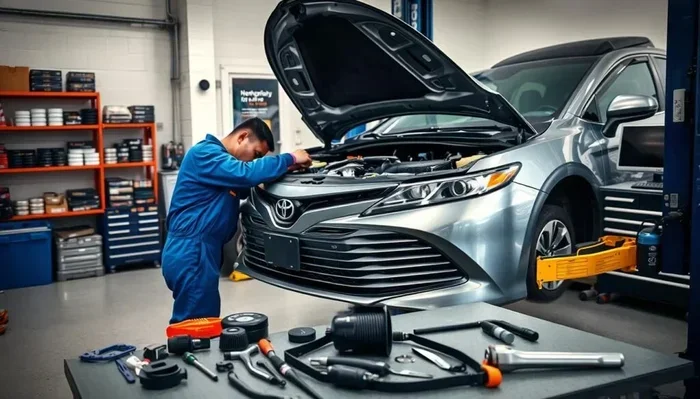
A poorly maintained hybrid system does not work as efficiently. Dirty air filters, old spark plugs, and low fluid levels can all cause the gas engine to work harder than it needs to. Regular maintenance keeps the hybrid system running at peak performance.
Follow Toyota’s recommended maintenance schedule for your specific model. A well-maintained hybrid will switch between electric and gas power more efficiently and last longer.
Expert Insights on Toyota Hybrid Switchover
Automotive engineers design Toyota hybrid systems to be as seamless as possible. The switchover between electric and gas power should be almost unnoticeable to the driver. This is a testament to years of research and development by Toyota engineers.
According to hybrid technology experts, the key to a smooth switchover lies in the power split device. This clever mechanism constantly monitors speed, battery charge, and power demand. It makes split-second decisions about which power source to use. The result is a driving experience that feels natural and effortless.
Experts also emphasize that drivers should not worry about the switchover. It is designed to be automatic and reliable. The hybrid system knows exactly when to use electric power and when to use gas. Trusting the system and driving smoothly is the best approach for most hybrid owners.
If you want to dive deeper into how hybrids operate at different speeds, check out this detailed guide on at what speed hybrids switch to gas for more technical insights.
Another great resource is understanding whether a hybrid burns gas while idling. You can read more about that here: does a hybrid burn gas when idling. This is especially relevant for city drivers who spend a lot of time stopped in traffic.
Finally, if you are curious about whether a Toyota hybrid can run without any gas at all, we have covered that topic extensively. Visit can a hybrid run without gas to learn more about the limits of electric-only driving in Toyota hybrids.
Conclusion
So, at what speed do Toyota hybrids switch from electric to gas? The answer is that it varies, but most models switch between 15 and 30 mph depending on driving conditions, battery charge, and throttle input. The switchover is seamless and automatic, designed to give you the best of both worlds: electric efficiency and gasoline range.
Understanding how your Toyota hybrid works can make you a better, more efficient driver. By accelerating gently, using EV mode wisely, and keeping up with maintenance, you can enjoy the full benefits of hybrid technology. The electric motor handles low-speed driving beautifully, while the gasoline engine takes care of highway cruising and high-power demands.
Toyota hybrids continue to set the standard for fuel efficiency and reliability. Whether you drive a Prius, RAV4 Hybrid, Camry Hybrid, or any other Toyota hybrid model, the principles remain the same. Respect the switchover, work with the system, and you will enjoy many miles of efficient, clean, and enjoyable driving.
The next time you are behind the wheel of your Toyota hybrid, pay attention to when the gas engine kicks in. You might be surprised at how often you can stay in electric-only mode. With the right driving habits and a little knowledge, you will get the most out of every gallon and every electron.
Frequently Asked Questions
Can a Toyota hybrid run entirely on electric power?
Yes, Toyota hybrids can run on electric power alone at low speeds and light throttle. However, the electric-only range is limited by battery capacity. The gasoline engine will automatically engage when more power is needed or when the battery charge drops too low.
Does the switchover between electric and gas feel noticeable?
Most drivers report that the switchover is nearly unnoticeable. Toyota engineers designed the hybrid system to transition smoothly between power sources. You might hear a slight change in engine noise, but the shift is generally seamless and refined.
Is it bad to drive a Toyota hybrid only on gas?
Driving a hybrid only on gas is not harmful, but it defeats the purpose of owning a hybrid. The gasoline engine will still charge the battery when needed. However, you will miss out on the fuel savings and environmental benefits of electric-only driving.
How fast can a Toyota Prius go on electric power alone?
Most Toyota Prius models can sustain electric-only driving up to about 25 mph under light load. The exact speed depends on battery charge, temperature, and throttle input. At higher speeds or under heavy acceleration, the gas engine will engage to provide additional power.
Does using EV mode damage the hybrid battery?
No, using EV mode does not damage the hybrid battery. Toyota designed the system to handle regular EV mode usage safely. The battery management system prevents over-discharge and will automatically switch to gas power when the charge gets too low.
Do all Toyota hybrids switch to gas at the same speed?
No, different Toyota hybrid models have different switchover speeds. Factors like vehicle weight, engine power, and hybrid system design all play a role. Lighter models like the Prius tend to stay in electric mode longer, while heavier models like the RAV4 Hybrid may switch sooner.