What Did the GR86 Used to Be Called Before It Was Released
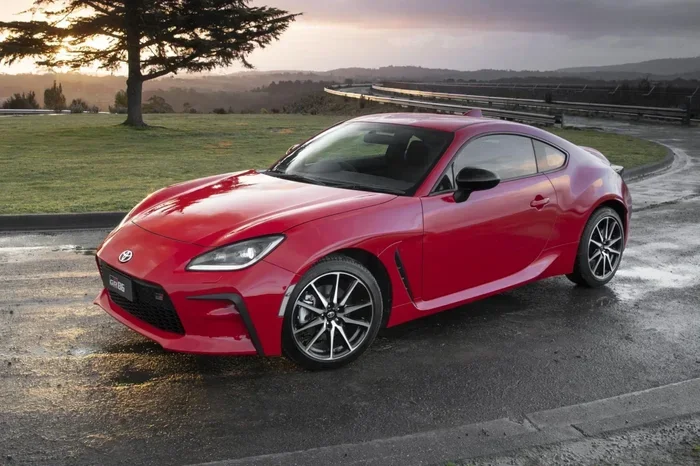
The GR86 was previously known as the Toyota 86, Scion FR-S, and Subaru BRZ before Toyota rebranded it under its GR performance lineup. This iconic sports coupe has gone through multiple name changes since its debut, reflecting shifts in branding, market strategy, and Toyota’s desire to create a unified performance identity. Here we break down the full history and answer what the GR86 used to be called.
If you are a car enthusiast, you have probably heard the buzz around the Toyota GR86. But if you are like most people, you might be wondering what did the GR86 used to be called before it was released. The answer is more interesting than you might think. This little sports coupe has a rich history that stretches back over a decade, and it has worn several different names along the way.
The short answer is that the GR86 was previously known as the Toyota 86. But the story does not stop there. It was also sold as the Scion FR-S in North America, the Subaru BRZ in select markets, and the Toyota GT 86 in Europe. Each name represented a different chapter in the life of this beloved affordable sports car. Understanding this history helps you appreciate why Toyota made the switch to the GR86 branding for the second generation.
In this article, we will take a deep dive into the full story. We will explore every name this car has carried, the reasons behind each change, and what the GR86 name means for the future of Toyota sports cars. Whether you are a longtime fan of the Toyota 86 or just discovering this exciting rear-wheel drive coupe, you will find plenty of useful information here.
Key Takeaways
- The GR86 was originally called the Toyota 86: This was the primary name used globally for the first generation of this sports coupe.
- The Scion FR-S was the North American version: Sold under Toyota’s now-discontinued Scion brand from 2013 to 2016.
- The Subaru BRZ shared the same platform: Subaru sold a badge-engineered version of the same car with its own styling tweaks.
- The Toyota GT 86 was the European name: Different markets got different names for the same vehicle.
- Toyota rebranded it as the GR86 for the second generation: This aligned the car with the GR sports series and Toyota Gazoo Racing heritage.
- The FT-1 concept inspired the design: Toyota’s concept car hinted at the direction the production model would take.
- The name change signals a new era: The GR86 represents a fresh start for Toyota’s affordable rear-wheel-drive sports car.
📑 Table of Contents
- The Toyota 86: The Original Name
- The Scion FR-S: The North American Chapter
- The Subaru BRZ: A Shared Platform Story
- The Toyota GT 86: The European Name
- What Did the GR86 Used to Be Called: The Rebranding Story
- The FT-1 Concept: A Glimpse of What Was to Come
- Why the GR86 Matters for Toyota’s Future
- Common Mistakes People Make About the GR86’s History
- Expert Insights: What This Name Change Means for Enthusiasts
- Key Takeaways
- Conclusion
The Toyota 86: The Original Name
The car we now know as the GR86 first hit the market as the Toyota 86. This was the name used when the vehicle was officially revealed and launched in 2012. Toyota, working closely with Subaru, created this lightweight sports car as a modern tribute to classic JDM sports cars from the 1980s and 1990s.
The Toyota 86 was designed to be simple, fun, and accessible. It featured a flat boxer engine mounted low in the chassis, a front-engine rear-wheel drive layout, and a focused manual transmission option that driving purists loved. The car was not about raw horsepower. Instead, it was about delivering an engaging and pure driving experience at an affordable price point.
Why the Toyota 86 Name?
Toyota chose the name “86” as a nod to the company’s racing heritage. The number has roots in Toyota’s Toyota Gazoo Racing efforts and represents a continuation of the brand’s sports car legacy. The name was short, memorable, and easy to recognize across global markets. It also helped distinguish this model from other Toyota vehicles, giving it a unique identity in the crowded performance coupe segment.
The Toyota 86 quickly gained a loyal following. Car enthusiasts around the world embraced it for its balanced handling, lightweight chassis, and the way it rewarded skilled drivers. It became a staple of the JDM sports car revival that gained momentum in the 2010s. Many people consider the Toyota 86 one of the best affordable sports cars ever made.
Key Features of the Toyota 86
- 2.0-liter flat-four boxer engine: Producing around 200 horsepower in most trims.
- Rear-wheel drive layout: A key factor in the car’s balanced and engaging handling.
- Lightweight body: Weighing around 2,700 pounds, the car felt nimble and responsive.
- 6-speed manual transmission: A favorite among enthusiasts who wanted full control over gear changes.
- Affordable pricing: Positioned as an entry-level sports car, making it accessible to a wider audience.
- Sleek coupe design: A low-slung profile with clean lines that gave it a classic sports car look.
The Toyota 86 was a huge success for the brand. It proved that there was still a strong market for simple, fun, and affordable sports cars. The car also played a key role in reviving interest in rear-wheel drive coupes in an era when most manufacturers were focused on SUVs and crossovers.
The Scion FR-S: The North American Chapter
In North America, the Toyota 86 was sold under a different name: the Scion FR-S. Scion was Toyota’s youth-oriented brand in the United States and Canada. The FR-S name stood for “Front-engine, Rear-wheel drive, Sport,” which perfectly described the car’s layout and character.
The Scion FR-S launched in 2013 and was available exclusively through Scion dealerships. It shared the same boxer engine, the same rear-wheel drive platform, and the same fun driving dynamics as the Toyota 86. The main differences were cosmetic. Scion added its own front fascia, side skirts, and rear spoiler to give the FR-S a slightly more aggressive look.
Why Was It Sold Under Scion?
Toyota created the Scion brand to attract younger buyers who might not have considered a Toyota. The FR-S was a perfect fit for this strategy. It offered a sporty, head-turning design at a competitive price. The Scion brand also offered a high degree of customization, which appealed to the car’s target audience of young enthusiasts and tuners.
However, the Scion brand did not last forever. Toyota discontinued Scion in 2016, and the FR-S was folded back into the Toyota lineup. After 2016, the same car was simply sold as the Toyota 86 in North America. This marked the end of the Scion FR-S era, but the car’s popularity remained strong.
Scion FR-S Quick Facts
- Production years: 2013 to 2016 in North America.
- Engine: 2.0-liter flat-four boxer, around 200 horsepower.
- Transmission options: 6-speed manual and 6-speed automatic.
- Key difference from Toyota 86: Scion-specific body styling and trim levels.
- Legacy: Built a strong enthusiast community and tuning culture.
The Scion FR-S holds a special place in the hearts of many car enthusiasts. It was the car that introduced a whole generation of drivers to the joys of a lightweight, rear-wheel drive sports coupe. Even after the Scion brand disappeared, the FR-S name lives on in the memories of those who owned and loved it.
The Subaru BRZ: A Shared Platform Story
One of the most interesting aspects of the Toyota 86 story is its connection to the Subaru BRZ. Subaru and Toyota have a long history of sharing platforms and technology. The BRZ was essentially the Subaru version of the same car, built on the same Toyota 86 platform but with Subaru-specific branding and minor styling differences.
The Subaru BRZ launched in 2012 alongside the Toyota 86. Subaru contributed its flat boxer engine expertise to the project, and the BRZ featured Subaru’s signature symmetrical all-wheel drive system in some markets, though most versions were rear-wheel drive. The BRZ had its own unique front bumper design, badging, and interior touches that set it apart from the Toyota 86.
Toyota 86 vs Subaru BRZ: What Is the Difference?
The differences between the Toyota 86 and the Subaru BRZ are relatively minor. Both cars share the same core engineering, the same engine, and the same front-engine rear-wheel drive layout. The main distinctions are cosmetic and branding-related:
- Front fascia: The BRZ has a Subaru-specific grille and headlight design.
- Badging: Subaru badges and logos replace Toyota branding.
- Interior touches: Subaru-specific steering wheel and trim details.
- Suspension tuning: Subtle differences in damping and spring rates.
Despite these differences, most enthusiasts agree that the driving experience is nearly identical between the two cars. Both are excellent examples of what a modern, affordable sports coupe should be. The BRZ helped expand the reach of this platform and brought a new audience into the Toyota 86 family.
The Toyota GT 86: The European Name
In some European markets, the car was sold as the Toyota GT 86. This name was used primarily in the United Kingdom and other parts of Europe. The “GT” prefix added a touch of sophistication and aligned the car with the grand touring tradition that is very popular in Europe.
The Toyota GT 86 shared all the same mechanical components as the standard Toyota 86. It had the same 2.0-liter boxer engine, the same rear-wheel drive setup, and the same focus on driving engagement. The name change was purely a marketing decision, designed to resonate better with European buyers who are familiar with the GT designation.
Over time, Toyota standardized the name back to Toyota 86 in most markets. The GT 86 name became a footnote in the car’s history, but it is still remembered by enthusiasts in the UK and other European countries who grew up with this name on the badge.
What Did the GR86 Used to Be Called: The Rebranding Story
Now we arrive at the main question: what did the GR86 used to be called before it was released? The answer is clear: it was the Toyota 86. But the transition from Toyota 86 to GR86 is a story worth telling in detail.
Toyota launched its GR sports series in the early 2020s as part of a broader strategy to unify its performance vehicles under one brand. GR stands for Gazoo Racing, Toyota’s motorsport and performance division. The idea was to create a consistent identity for all of Toyota’s performance models, from the GR Supra to the GR Corolla and now the GR86.
Why Did Toyota Change the Name?
There were several reasons behind the name change. First, the GR branding helps Toyota establish a stronger performance identity. When people hear “GR,” they immediately think of Toyota’s racing heritage and high-performance vehicles. This is a powerful brand association that the Toyota 86 name did not carry as strongly.
Second, the name change helped distinguish the second-generation model from the first. By calling it the GR86, Toyota signaled that this was a new car, not just an update. The GR86 received significant upgrades in power, handling, and technology compared to the original Toyota 86.
Third, the GR86 name aligns the car with the broader Toyota Gazoo Racing ecosystem. This creates a cohesive lineup of performance vehicles that share design language, engineering philosophy, and brand prestige. It also helps Toyota compete more effectively against other performance brands like Honda with its Type R models and Mazda with its MX-5 Miata.
The GR86: What’s New?
The second-generation GR86 brought several notable improvements over the Toyota 86. Here are some of the key changes:
- More power: The GR86 produces around 228 horsepower, up from the Toyota 86’s 200 horsepower.
- Improved handling: A stiffer chassis, better suspension tuning, and a limited-slip differential.
- Modern technology: Updated infotainment system, safety features, and driver aids.
- Refined design: A more aggressive and sporty exterior that reflects the GR brand identity.
- Better sound: Toyota tuned the exhaust to produce a more engaging and sporty sound.
The GR86 quickly earned praise from automotive journalists and enthusiasts. It was named one of the best sports cars in its class and received strong reviews for its balance of performance, affordability, and fun factor. The car proved that Toyota’s sports car revival was not just a marketing stunt but a genuine commitment to building great driver’s cars.
The FT-1 Concept: A Glimpse of What Was to Come
Before the GR86 or even the Toyota 86 hit the production line, Toyota showed the world a concept car that hinted at the direction of its future sports car. The FT-1 concept, revealed in 2014, was a stunning showcase of Toyota’s design vision for a next-generation sports coupe. While the FT-1 was never intended for production, it served as a design inspiration for the Toyota 86 and eventually the GR86.
The FT-1 featured a bold, aggressive design with sharp lines, a wide stance, and a powerful front-end presence. It gave us a glimpse of what Toyota could achieve with a dedicated sports car platform. Although the production Toyota 86 was more refined and practical than the FT-1 concept, many of the design cues carried over into the final product.
The FT-1 concept also helped build anticipation and excitement among car enthusiasts. It proved that Toyota was serious about returning to the sports car market with a compelling and desirable product. When the Toyota 86 finally arrived in production form, many fans were delighted to see that the spirit of the FT-1 lived on in the finished car.
Why the GR86 Matters for Toyota’s Future
The GR86 is more than just a name change. It represents a strategic shift in how Toyota approaches its sports car lineup. By consolidating its performance models under the GR brand, Toyota is sending a clear message: this is a new era for the company’s enthusiast vehicles.
The GR86 also plays an important role in Toyota’s broader strategy. As the automotive industry moves toward electrification and autonomous driving, affordable, engaging rear-wheel drive sports cars are becoming rarer. Toyota is making a bold statement by continuing to invest in this segment with the GR86.
The car’s success has also paved the way for other GR models. The GR Corolla and GR Supra have followed in the GR86’s footsteps, creating a lineup of performance vehicles that appeal to a wide range of enthusiasts. Together, these cars represent Toyota’s commitment to the driving experience and its belief that there is still a place for pure, analog sports cars in a digital world.
The GR86 in Context: How It Compares to Competitors
To understand why the GR86 name matters, it helps to look at how the car stacks up against its rivals. Here is a quick comparison of the GR86 with some of its main competitors in the affordable sports car segment:
- Mazda MX-5 Miata: A roadster, not a coupe. Lighter and more focused on open-top driving.
- Honda Civic Type R: A front-wheel drive hot hatch with more raw power but less balanced handling.
- Nissan 370Z: An older sports car with more power but less modern technology and refinement.
- Ford Mustang EcoBoost: A muscle car with more horsepower but heavier and less nimble.
The GR86 sits in a unique position in this lineup. It is not the most powerful or the most luxurious. But it offers one of the best pure driving experiences in its class. The GR86 name helps communicate this identity clearly and confidently.
Common Mistakes People Make About the GR86’s History
There are a few common misconceptions about the GR86 and its previous names. Let’s clear them up:
- Mistake 1: Thinking the GR86 is a completely new car. In reality, it is the direct successor to the Toyota 86. The platform and basic concept are the same.
- Mistake 2: Believing the Scion FR-S and Toyota 86 are different cars. They are the same car, just sold under different brand names in different markets.
- Mistake 3: Assuming the Subaru BRZ is unrelated. The BRZ shares the same platform and engine as the Toyota 86 and GR86.
- Mistake 4: Thinking the name change was just for marketing. The GR branding reflects a genuine strategic shift in Toyota’s approach to performance vehicles.
Expert Insights: What This Name Change Means for Enthusiasts
Industry experts have weighed in on the significance of the GR86 name change. According to automotive analysts, the move strengthens Toyota’s position in the sports car market by creating a clear and recognizable performance brand. The GR name carries motorsport credibility that the Toyota 86 name alone could not match.
Enthusiast communities have also embraced the GR86 with enthusiasm. Online forums, car clubs, and social media groups dedicated to the Toyota 86 have largely transitioned to discussing the GR86. The car continues to build a passionate following, much like its predecessor did.
Many experts believe that the GR86 represents the best of both worlds. It combines the proven platform and driving dynamics of the Toyota 86 with the modern branding and performance upgrades that today’s buyers expect. This makes it an exciting time for fans of affordable, fun sports cars.
Key Takeaways
- The GR86 was originally called the Toyota 86: This was the primary name used globally for the first generation of this sports coupe.
- The Scion FR-S was the North American version: Sold under Toyota’s now-discontinued Scion brand from 2013 to 2016.
- The Subaru BRZ shared the same platform: Subaru sold a badge-engineered version of the same car with its own styling tweaks.
- The Toyota GT 86 was the European name: Different markets got different names for the same vehicle.
- Toyota rebranded it as the GR86 for the second generation: This aligned the car with the GR sports series and Toyota Gazoo Racing heritage.
- The FT-1 concept inspired the design: Toyota’s concept car hinted at the direction the production model would take.
- The name change signals a new era: The GR86 represents a fresh start for Toyota’s affordable rear-wheel-drive sports car.
Conclusion
So, what did the GR86 used to be called before it was released? The answer is the Toyota 86, along with the Scion FR-S, Subaru BRZ, and Toyota GT 86 depending on the market. Each name represented a different chapter in the life of this iconic sports coupe, and together they tell a story of evolution, innovation, and a commitment to the driving experience.
The transition from Toyota 86 to GR86 is more than just a name change. It reflects Toyota’s broader strategy to build a unified performance brand that resonates with enthusiasts around the world. The GR86 carries forward the best qualities of its predecessors while adding modern upgrades that make it even more compelling.
If you have been following the Toyota 86 story, the GR86 represents an exciting next chapter. And if you are new to this world, now is the perfect time to get acquainted with one of the most fun and engaging sports cars on the market today. The GR86 proves that the spirit of the affordable, driver-focused sports car is alive and well. Toyota has clearly invested a lot of thought and passion into this vehicle, and it shows in every aspect of the driving experience.
Whether you remember it as the Toyota 86, the Scion FR-S, or the Subaru BRZ, one thing is certain: this car has earned a special place in the hearts of sports car enthusiasts everywhere. The GR86 name carries that legacy forward with pride, and it is poised to write the next great chapter in Toyota’s sports car story.
Frequently Asked Questions
What did the GR86 used to be called before it was released?
The GR86 was previously called the Toyota 86. It was also sold as the Scion FR-S in North America, the Subaru BRZ in select markets, and the Toyota GT 86 in Europe. The GR86 name was introduced for the second generation of this sports coupe.
Is the GR86 the same car as the Toyota 86?
Yes, the GR86 is the direct successor to the Toyota 86. It shares the same basic platform and concept but comes with significant upgrades in power, handling, and technology. The name change also reflects Toyota’s shift to the GR performance branding.
Why did Toyota change the name from Toyota 86 to GR86?
Toyota changed the name to align the car with its GR sports series and Toyota Gazoo Racing heritage. The GR branding creates a unified identity for all of Toyota’s performance vehicles and signals a new era for the company’s sports car lineup.
Was the Scion FR-S a different car from the Toyota 86?
No, the Scion FR-S was the same car as the Toyota 86, just sold under Toyota’s Scion brand in North America. The differences were primarily cosmetic, with Scion adding its own body styling and trim details.
What is the difference between the Subaru BRZ and the GR86?
The Subaru BRZ and the GR86 share the same platform and engine but differ in branding, minor styling, and subtle suspension tuning. The BRZ is Subaru’s version of the same car, while the GR86 is Toyota’s version under its GR performance lineup.
Is the GR86 worth buying if I loved the Toyota 86?
Absolutely. The GR86 builds on the strengths of the Toyota 86 with more power, better handling, and modern upgrades. If you enjoyed the driving dynamics of the Toyota 86, the GR86 will likely impress you even more. It is widely regarded as one of the best affordable sports cars available today.