What Deactivates Cruise Control and Why It Happens
What deactivates cruise control? Several factors can turn off your cruise control system, including pressing the brake pedal, hitting the cancel button, or encountering slippery road conditions. Modern vehicles also use safety systems like traction control and anti-lock brakes to automatically disable cruise control when needed. Understanding these deactivation triggers helps drivers stay safe and avoid unexpected speed changes on the road.
What deactivates cruise control is a question every driver should know the answer to. Whether you drive a new sedan or a trusty truck, your cruise control system can shut off for many reasons. Some are perfectly normal and safe. Others might signal a problem that needs attention. This guide breaks down every reason your cruise control might deactivate, why it happens, and what you can do about it.
Understanding what deactivates cruise control is not just about fixing a annoyance. It is about staying safe on the road. Your vehicle’s cruise control system works hand in hand with other safety features like traction control, the anti-lock braking system, and the electronic control unit. When any of these systems detect a potential problem, they step in and shut off cruise control to protect you.
In this article, we will cover everything from the simple stuff like pressing the brake pedal to the more technical side like faulty wheel speed sensors. We will also look at how adaptive cruise control differs from standard systems and what road conditions can trigger an automatic shutoff. By the end, you will have a clear picture of what deactivates cruise control and why it happens in different situations.
Key Takeaways
- Brake pedal input is the #1 reason cruise control shuts off: Every time you tap the brake, the system immediately disengages for safety.
- Adaptive cruise control uses radar and sensors: These advanced systems deactivate when they detect obstacles, slow traffic, or road hazards.
- Weather and road conditions matter: Rain, ice, snow, and gravel can cause traction loss, which triggers automatic cruise control deactivation.
- Electrical and mechanical issues can cause problems: Faulty wheel speed sensors, throttle body issues, or a failing electronic control unit may lead to unexpected shutdowns.
- Driver intervention is always the final override: Manual override through the cruise control switch or brake pedal gives drivers full control at all times.
- Regular maintenance keeps your system working: Simple checks and timely repairs prevent most cruise control deactivation problems.
📑 Table of Contents
- Common Reasons Your Cruise Control Gets Deactivated
- Safety Systems That Override Cruise Control
- How Adaptive Cruise Control Differs from Standard Systems
- Road and Weather Conditions That Shut Off Cruise Control
- Mechanical and Electrical Issues That Cause Deactivation
- When to Worry About Cruise Control Shutting Off
- Conclusion
Common Reasons Your Cruise Control Gets Deactivated
Your cruise control system can turn off for many everyday reasons. Most of these are by design and exist to keep you safe. Let us look at the most common deactivation triggers that drivers experience every day.
The Brake Pedal Is the Most Common Trigger
The brake pedal is the single biggest reason cruise control shuts off. Every modern vehicle is wired so that pressing the brake immediately disengages the cruise control system. This is a safety feature, not a malfunction. When you hit the brake, the onboard computer receives a signal and cuts power to the cruise control system within milliseconds.
This happens whether you press the brake lightly or firmly. Even a small tap is enough to trigger deactivation. The system is designed this way because the brake pedal is the most important driver input. If you need to slow down or stop quickly, you should never have to worry about cruise control fighting you.
Here are the key points about brake pedal deactivation:
- Any pressure on the brake pedal will deactivate cruise control
- The system resets automatically after you release the brake and press the resume button
- Friction brakes engage independently of the cruise control system
- Light braking and heavy braking both trigger the same response
Other Dashboard Controls That Shut It Off
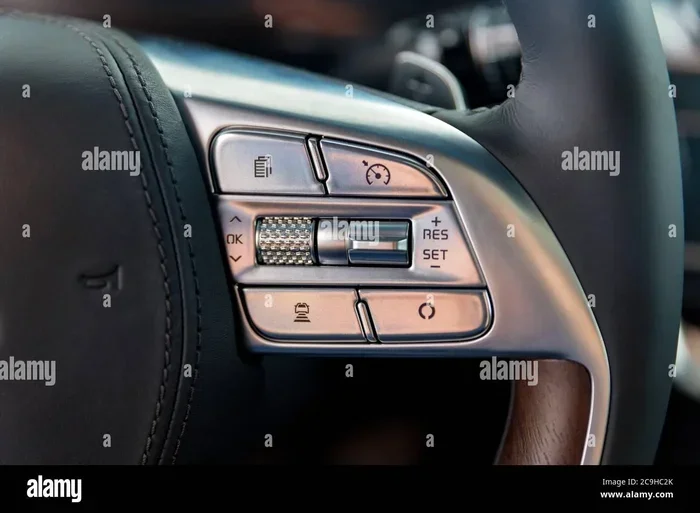
The cruise control switch on your steering wheel or dashboard also plays a big role. Pressing the cancel button, the off button, or the set button at the wrong time will all deactivate the system. Most vehicles have a dedicated cancel button that lets you turn off cruise control without touching the brake pedal.
Some drivers accidentally hit the cancel button when adjusting other controls on the steering wheel. This is a common mistake that causes confusion. If your cruise control turns off unexpectedly, check whether you brushed the cancel button by accident.
Other dashboard controls that can deactivate cruise control include:
- The cruise control on/off master switch (usually on the steering column or dashboard)
- The speed limiter function on some vehicles
- The traction control button when manually activated
- The vehicle stability control system when it activates automatically
Quick Tips
- Always check your cruise control switch before assuming there is a problem.
- Keep your hands on the steering wheel near the cruise control buttons to avoid accidental presses.
- Refer to your owner’s manual for the exact location of all cruise control buttons in your vehicle.
Safety Systems That Override Cruise Control
Modern vehicles come packed with safety features that work together to keep you protected. Many of these systems have the ability to deactivate cruise control automatically. This is not a bug. It is a carefully designed safety feature.
Anti-Lock Braking System and Traction Control
The anti-lock braking system, commonly known as ABS, and the traction control system are closely linked to your cruise control. When the electronic control unit detects wheel lock-up or traction loss, it activates ABS and traction control. At the same time, it deactivates cruise control to give you full control of the throttle and braking.
This is especially important on slippery surfaces. If your tires start to slip on ice or wet roads, the traction control system kicks in. It reduces engine power and applies individual brakes to keep the vehicle stable. What deactivates cruise control in this scenario is the traction control system itself. It takes over because it knows you need full driver control.
Here is how the process works step by step:
- The wheel speed sensors detect a loss of traction
- The electronic control unit processes the data in real time
- Traction control activates and applies brakes to individual wheels
- Cruise control deactivates automatically to allow driver intervention
- The system resets once traction is restored
Vehicle Stability Control and the Onboard Computer
The vehicle stability control system is another major player. This system monitors your steering input, yaw rate, and vehicle direction. If it detects that the car is sliding or not responding to steering inputs, it activates stability control. Part of this activation includes shutting off cruise control.
The onboard computer manages all of these systems together. It acts as the brain of your vehicle’s electronic network. When it detects a potential stability issue, it overrides cruise control to prioritize safety. This happens so fast that most drivers do not even notice until they see the cruise control indicator light turn off on the dashboard.
Expert Insights
Automotive engineers design these override systems with one goal in mind: driver safety comes first, always. The cruise control system is a convenience feature, not a safety feature. It must yield to any system that detects a potential hazard. This layered approach to safety is why modern vehicles are so much safer than older models.
How Adaptive Cruise Control Differs from Standard Systems
Adaptive cruise control, often called ACC, is a more advanced version of the traditional cruise control system. While standard cruise control maintains a set speed, adaptive cruise control uses radar, cameras, and sensors to maintain a safe following distance from the vehicle ahead of you. Because of this added complexity, what deactivates cruise control in an adaptive system is different from what deactivates a standard system.
What Deactivates Adaptive Cruise Control
Adaptive cruise control has additional deactivation triggers beyond what standard cruise control experiences. These include:
- Detection of a slower vehicle ahead: The system slows down and may deactivate if traffic comes to a complete stop
- Sensor obstruction: Dirt, snow, or debris on the radar or camera lenses can cause the system to shut off
- Lane departure warnings: Some systems link ACC with lane keeping assist and deactivate when lane markings are unclear
- Steering input: Any manual steering input overrides adaptive cruise control
- Brake pedal input: Just like standard cruise control, pressing the brake disengages the system
The driver intervention requirement is higher in adaptive cruise control systems. Because the system is making more complex decisions, it needs the driver to be alert and ready to take over at any moment. If the system detects that the driver is not paying attention, it may issue warnings and eventually deactivate.
Comparison: Standard vs Adaptive Cruise Control Deactivation Triggers
| Trigger | Standard Cruise Control | Adaptive Cruise Control |
|---|---|---|
| Brake pedal pressed | Deactivates immediately | Deactivates immediately |
| Cancel button pressed | Deactivates | Deactivates |
| Traction loss detected | Deactivates automatically | Deactivates automatically |
| Vehicle ahead detected | No effect | Adjusts speed or deactivates |
| Sensor obstruction | No effect | Deactivates system |
| Steering input | No effect | Deactivates system |
| Low visibility conditions | No effect | May deactivate depending on system |
| Electrical system fault | Deactivates | Deactivates |
This comparison shows that adaptive cruise control has more deactivation triggers than standard systems. The added sensors and cameras create more points of potential shutdown. However, all of these triggers exist for one reason: keeping you safe on the road.
Common Mistakes
- Assuming adaptive cruise control will stop the car completely: Many ACC systems deactivate below a certain speed, usually around 20 mph. Always be ready to brake manually.
- Ignoring sensor warning lights: If the ACC sensor warning light comes on, the system may not be working properly. Get it checked.
- Relying on cruise control in heavy traffic: Stop-and-go traffic is not the best environment for any cruise control system.
Road and Weather Conditions That Shut Off Cruise Control
The conditions you drive in play a huge role in what deactivates cruise control. Your vehicle’s systems are constantly monitoring the road surface, weather, and visibility. When conditions become unsafe, the system steps in and turns off cruise control automatically.
Slippery Roads and Low Traction
Driving on ice, snow, or wet roads creates a high risk of traction loss. The traction control system works hard to keep your wheels gripping the road. When it detects that one or more wheels are spinning faster than they should, it activates and deactivates cruise control at the same time.
This is a critical safety feature. Cruise control maintains a constant speed by adjusting the throttle. On slippery surfaces, maintaining a constant speed can cause wheel spin and loss of control. By deactivating cruise control, the system forces you to manually control the throttle, which gives you better feel for the road conditions.
Here are the road conditions that commonly trigger cruise control deactivation:
- Ice and black ice: Extremely low traction causes immediate system response
- Heavy rain and standing water: Hydroplaning risk triggers traction control and cruise control shutdown
- Gravel or loose surfaces: Uneven traction confuses the wheel speed sensors
- Mud or dirt roads: Reduced grip leads to traction control activation
- Steep inclines and declines: Some systems deactivate on very steep grades to prevent speed surges
Visibility and Speed Limit Factors
Low visibility conditions can also affect cruise control operation. Fog, heavy rain, snow, and dust storms reduce your ability to see the road ahead. While most standard cruise control systems do not directly respond to visibility, some advanced systems linked to navigation and camera data may deactivate in very low-visibility conditions.
Speed limit factors also play a role. Some vehicles have a speed limiter function built into the cruise control system. If you set the cruise control above the vehicle’s maximum speed capability or above a programmed speed limit, the system may not engage or may deactivate. This is more common in vehicles with factory-installed speed limiters.
Quick Tips for Driving in Challenging Conditions
- Turn off cruise control when driving on icy or snowy roads
- Use a lower gear on steep declines instead of relying on cruise control
- Clean your sensors and cameras regularly, especially in winter weather
- Drive manually in heavy rain so you can react quickly to changing conditions
- Never use cruise control in fog or very low visibility
Mechanical and Electrical Issues That Cause Deactivation
Sometimes what deactivates cruise control is not a safety feature or driver input. Sometimes it is a mechanical or electrical problem. These issues can cause cruise control to shut off unexpectedly or fail to engage at all.
Faulty Wheel Speed Sensors
The wheel speed sensors are critical components in your vehicle’s electronic system. They monitor how fast each wheel is rotating and send this data to the electronic control unit. When a wheel speed sensor fails or becomes dirty, it sends incorrect data. The electronic control unit may interpret this as a traction problem and deactivate cruise control.
A faulty wheel speed sensor often triggers the ABS and traction control warning lights on your dashboard. If you notice these lights alongside cruise control problems, the wheel speed sensor is a likely culprit. These sensors are relatively inexpensive to replace, but ignoring them can lead to bigger problems.
Throttle Body and Electronic Control Unit Problems
The throttle body controls how much air enters the engine. The electronic control unit uses this information to manage speed, including cruise control operation. If the throttle body is dirty, sticking, or failing, the cruise control system may not be able to maintain the set speed and will deactivate.
Common symptoms of throttle body problems include:
- Rough idle or stalling when cruise control is engaged
- Inconsistent speed maintenance on flat roads
- Delayed throttle response when the system tries to adjust speed
- Check engine light illumination alongside cruise control issues
The electronic control unit itself can also develop problems over time. Water damage, corrosion, or electrical shorts can cause the ECU to malfunction. When this happens, it may disable cruise control as a precautionary measure. Diagnosing ECU issues usually requires a professional mechanic with the right diagnostic tools.
Wiring and Connector Issues
Loose or corroded wiring connections can interrupt the signals between the cruise control system and the onboard computer. This is especially common in older vehicles or vehicles that have been in accidents. Even a slightly loose connector can cause intermittent cruise control deactivation.
Expert Insights on Electrical Issues
Mechanics recommend checking all cruise control connectors during routine maintenance. A simple visual inspection can reveal corroded or loose connections before they cause bigger problems. If your cruise control works sometimes and not others, a wiring issue is a strong possibility. Do not ignore intermittent problems. They usually get worse over time.
When to Worry About Cruise Control Shutting Off
Most of the time, cruise control deactivating is completely normal. You press the brake, the system turns off. You hit a slippery patch, traction control takes over. But sometimes, frequent or unexplained deactivation signals a real problem that needs attention.
Signs of a Serious Problem
You should be concerned about your cruise control system if you notice any of the following signs:
- Cruise control will not engage at all: This could indicate a problem with the cruise control switch, wiring, or electronic control unit
- The system shuts off randomly without any input: Random deactivation often points to a sensor or electrical issue
- Warning lights stay on after the system deactivates: Persistent warning lights suggest an underlying fault
- Cruise control engages but immediately shuts off: This is a common sign of a throttle body or speed sensor problem
- The system behaves differently on the same road: Inconsistent behavior is never normal and warrants a diagnostic check
If you experience any of these issues, do not ignore them. A malfunctioning cruise control system is more than just an inconvenience. It can be a sign of deeper problems with your vehicle’s electronic systems, braking system, or engine management.
Quick Tips to Keep Your Cruise Control System Running Well
- Keep your brake pedal sensors clean: Dirt and debris can interfere with the brake light switch that controls cruise control deactivation
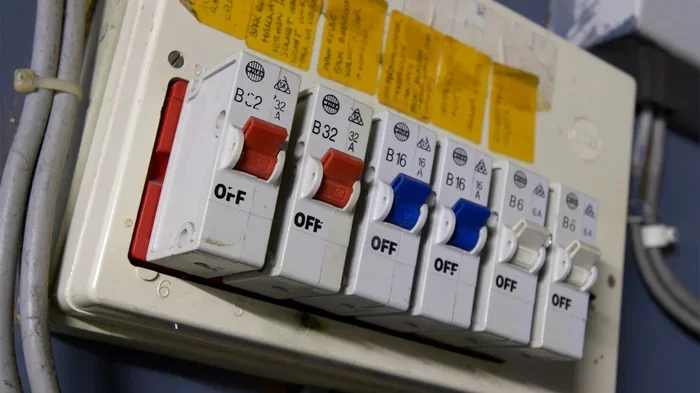
- Check your cruise control fuse regularly: A blown fuse is one of the simplest reasons cruise control stops working
- Update your vehicle software: Some manufacturers release updates that improve cruise control performance and reliability
- Clean your radar and camera sensors: Especially important for adaptive cruise control systems
- Address warning lights promptly: Ignoring dashboard warnings can lead to cascading system failures
- Follow the manufacturer’s maintenance schedule: Regular service keeps all electronic systems functioning properly
Key Takeaways for Cruise Control Maintenance
Taking care of your cruise control system is straightforward. Here are the most important things to remember:
- Understand your vehicle’s specific cruise control features by reading the owner’s manual
- Do not use cruise control in unsafe conditions like heavy rain, ice, or low visibility
- Address electrical issues promptly to prevent them from affecting the cruise control system
- Keep sensors and connectors clean and secure for reliable operation
- Know the difference between normal deactivation and a problem so you can respond appropriately
Conclusion
What deactivates cruise control comes down to a combination of driver input, safety systems, road conditions, and vehicle health. The brake pedal remains the most common and intentional trigger. Safety systems like traction control, ABS, and vehicle stability control automatically deactivate cruise control when they detect a potential hazard. Road conditions like ice, rain, and loose surfaces also cause automatic shutdowns to prevent accidents.
On the mechanical side, faulty wheel speed sensors, throttle body issues, and wiring problems can all cause unexpected deactivation. Adaptive cruise control adds another layer of complexity with radar sensors, cameras, and following-distance logic that create additional deactivation triggers.
The key takeaway is that cruise control deactivation is almost always a safety feature, not a malfunction. Your vehicle is designed to prioritize your safety over convenience. When cruise control turns off, it is usually because the system detected a condition where manual driver control is safer.
By understanding what deactivates cruise control and why, you become a more informed and safer driver. You will know when to let the system do its job and when to take manual control. Keep your vehicle well-maintained, pay attention to warning lights, and always stay alert behind the wheel. Your cruise control system is there to help you, but it is your responsibility to use it wisely and safely.
Frequently Asked Questions
Can pressing the clutch pedal deactivate cruise control?
Yes, in vehicles with a manual transmission, pressing the clutch pedal will deactivate cruise control. The clutch pedal is wired to the same safety circuit as the brake pedal. When you press the clutch, the system disengages to prevent the engine from surging or the vehicle from lurching forward unexpectedly. This is standard across most manual transmission vehicles.
Does cruise control deactivate automatically on steep hills?
It depends on your vehicle. Some cruise control systems deactivate on very steep downhill grades because the vehicle may exceed the set speed and the system cannot safely slow it down. On uphill grades, the system may hold speed by increasing engine power, but if the grade is too steep and the engine cannot maintain speed, some systems will deactivate. Check your owner’s manual for specific behavior.
Why does my cruise control keep turning off by itself?
Frequent random deactivation usually points to an electrical or sensor issue. Common causes include a faulty brake light switch, dirty wheel speed sensors, a failing throttle body, or corroded wiring connections. If your cruise control shuts off without any input from you, it is important to have the vehicle diagnosed by a qualified mechanic as soon as possible.
Is it safe to use cruise control in the rain?
It is generally safe to use cruise control in light rain, but you should turn it off in heavy rain, standing water, or any conditions where traction may be compromised. The main safety concern is that cruise control maintains a constant speed, which can be dangerous if you hydroplane or lose traction. When traction control activates, it will deactivate cruise control automatically, but it is better to turn it off yourself in wet conditions.
Can a dead battery cause cruise control to stop working?
Yes, a weak or dying battery can cause cruise control problems. The electronic control unit and all cruise control sensors need a stable electrical supply to function properly. If your battery is low, you may notice cruise control failing to engage, deactivating randomly, or behaving inconsistently. If you are experiencing cruise control issues, it is worth having your battery and charging system checked.
How do I reset my cruise control after it deactivates?
Resetting cruise control is usually simple. After the system deactivates, press the resume or set button on your steering wheel or dashboard controls. The vehicle will accelerate back to the previously set speed. If the system will not reset, check that the brake pedal is fully released and that there are no warning lights on the dashboard. Persistent reset problems may indicate a sensor or electrical issue that needs professional attention.