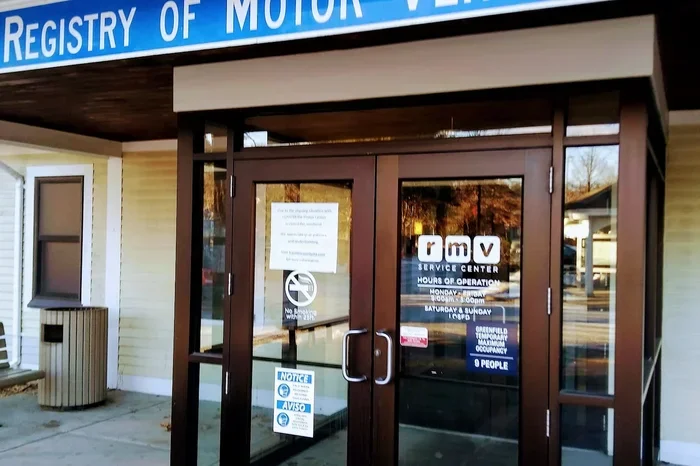
Can You Register a Car Without a Title in Massachusetts
Can you register a car without a title in Massachusetts? Yes, you absolutely can, but you will need to follow specific steps set by the Massachusetts RMV. Whether you use a bonded title, a bill of sale, or a duplicate title application, the process requires the right paperwork, a vehicle inspection, and a clear understanding of your options. This guide walks you through every method, including costs, timelines, and common pitfalls, so you can get your car registered and on the road with confidence.
Can you register a car without a title in Massachusetts? The answer is yes, but it is not as simple as walking into a registry office and handing over some paperwork. When you do not have a vehicle title, the Massachusetts Registry of Motor Vehicles (RMV) requires you to jump through a few extra hoops. This guide breaks down every option available to you, from bonded titles to bills of sale, so you can get your car registered and on the road.
Registering a car without a title in Massachusetts is more common than you might think. People lose titles all the time. Others buy vehicles from private sellers who never transferred the certificate of title. And some cars simply come with no title at all, such as older vehicles or those purchased through certain sales. Whatever your situation, there is a path forward. The key is knowing which option fits your specific case and gathering the right documents before you visit the RMV.
The Massachusetts RMV handles thousands of titleless vehicle registrations every year. The process requires patience, attention to detail, and a clear understanding of what paperwork you need. In this article, we walk you through each method step by step. You will learn about bonded titles, bills of sale, duplicate title applications, and everything in between. By the end, you will know exactly how to register your car even without a physical title in hand.
Key Takeaways
- Yes, you can register without a title: Massachusetts allows titleless registration through bonded titles, bills of sale, or duplicate title applications.
- A bonded title is the most common solution: It acts as a surety bond protecting previous and future owners for a set period, usually three to five years.
- You will need proof of ownership: A bill of sale, registration application, identification, and a passed vehicle inspection are essential documents.
- Costs vary by method: Bonded title fees, registration fees, inspection costs, and surety bond expenses add up, so budget accordingly before you start.
- Avoid common mistakes: Skipping the inspection, using an incomplete bill of sale, or waiting too long to apply can delay or deny your registration.
- Processing times differ: Plan for two to four weeks when applying for a bonded title or duplicate title through the RMV.
- Preparation is everything: Gather all documents, get the inspection done first, and double-check every form before submitting to the RMV.
📑 Table of Contents
- Can You Register a Car Without a Title in Massachusetts?
- Why You Need a Title for Vehicle Registration
- What Is a Bonded Title and How Does It Work?
- Steps to Get a Bonded Title in Massachusetts
- Using a Bill of Sale and Other Alternatives
- Common Mistakes to Avoid When Registering Without a Title
- Final Thoughts
Can You Register a Car Without a Title in Massachusetts?
The short answer is yes. Massachusetts law allows you to register a vehicle even when you do not hold a traditional certificate of title. However, you must provide alternative proof of ownership and follow specific procedures set by the RMV. The method you choose depends on your situation, the age of the vehicle, and how you acquired it.
There are three main paths for car registration without a title in Massachusetts:
- Bonded title: You purchase a surety bond that protects previous and future owners. This bond acts as a substitute for the original title for a set number of years.
- Bill of sale: A properly completed bill of sale can serve as proof of ownership for certain vehicles, especially older models.
- Duplicate title application: If the title exists but you do not have it, you can apply for a duplicate through the RMV.
Each method has its own requirements, fees, and timelines. The bonded title route is the most common for titleless vehicle registration in Massachusetts. It typically takes a few weeks to process and costs between $50 and $100 for the bond, plus standard registration fees. The bill of sale method works best for older vehicles that may never have had a title. And the duplicate title route is the fastest option if the original title holder is available to cooperate.
One thing to keep in mind is that the RMV does not accept just any document as proof of ownership. The documents must be complete, accurate, and legally binding. If you are unsure about which method to use, calling your local RMV office before you visit can save you a lot of time and frustration.
Why You Need a Title for Vehicle Registration
Before diving into the alternatives, it helps to understand why the RMV requires a title in the first place. A vehicle title is a legal document that proves ownership. It links the car to its owner and creates a clear chain of ownership. Without it, the state cannot verify who owns the vehicle or whether it has any liens against it.
The title also serves as a safeguard against fraud. When you buy a car, the title transfer confirms that the seller has the legal right to sell it. If a title is missing or lost, the RMV must take extra steps to protect both the buyer and the public interest. This is why the car registration process without a title involves additional verification steps.
Here is why the title matters so much in the vehicle registration process:
- Proof of ownership: The RMV needs to confirm you are the legal owner before issuing registration plates.
- Lien verification: If a loan company holds a lien on the vehicle, the title shows this. The RMV must clear any liens before registering the car.
- Tax and fee calculation: Your registration fees and sales tax are partly based on the vehicle’s value, which is tied to the title.
- Insurance requirements: Massachusetts law requires vehicle owners to carry insurance. The title helps insurance companies verify the vehicle details.
When you do not have a title, you must provide equivalent proof through one of the alternative methods we discuss below. The RMV accepts these alternatives because they serve the same purpose: establishing that you are the rightful owner of the vehicle. The key difference is that these methods involve extra steps to verify ownership and protect all parties involved.
Understanding Vehicle Ownership Documentation
Vehicle ownership documentation goes beyond just the title itself. In Massachusetts, the RMV looks for a clear paper trail that shows how the vehicle moved from the manufacturer to the current owner. When that trail is broken, you need to reconstruct it using alternative documents. This is where a bill of sale, a bonded title, or a court-ordered title comes into play. Each of these documents serves as a bridge between the missing title and the current ownership claim.
What Is a Bonded Title and How Does It Work?
A bonded title is the most popular solution for people who need to register a car without a title in Massachusetts. It is a legal document that proves ownership, backed by a surety bond. The bond protects anyone who might later claim ownership of the vehicle during the bond period. Think of it as a safety net that gives the RMV confidence to issue a title even when the original one is missing.
Here is how it works in simple terms:
- You apply for a bonded title through the Massachusetts RMV.
- You purchase a surety bond from a licensed bonding company.
- The bond amount is typically 1.5 times the vehicle’s assessed value.
- The RMV issues the bonded title, which is marked as “bonded.”
- After a set period (usually three to five years), you can apply for a clean title.
The bonded title functions just like a regular title for most purposes. You can use it to register the vehicle, get insurance, and sell the car. The only difference is the “bonded” notation, which stays on the title until the bond period ends and you apply for a clean title. Once the bond period is over and no claims have been filed, you can request a standard certificate of title through the RMV.
Who Needs a Bonded Title?
A bonded title is ideal for several situations. If any of these sound familiar, this method is likely your best option:
- You bought a car from a private seller who did not have the title.
- You inherited a vehicle but the title was never transferred to you.
- You built or assembled a vehicle and cannot obtain a traditional title.
- You purchased a vehicle at an auction or salvage sale with no title.
- Your title was lost or stolen and you could not get a duplicate in time.
- You are registering a titleless vehicle that has been in your possession for a long time.
The bonded title route is widely accepted across Massachusetts. It gives you a legal document that proves ownership and allows you to complete the vehicle registration process without delay. The RMV processes bonded title applications regularly, so you will not be asking for something unusual or out of the ordinary.
Steps to Get a Bonded Title in Massachusetts
Getting a bonded title in Massachusetts involves several steps. Each step requires careful attention to detail. Missing a document or making a mistake can delay the process by weeks. Here is exactly what you need to do, in order.
Step 1: Get a Vehicle Inspection
Before you apply for any type of registration in Massachusetts, the vehicle must pass a state inspection. This is a hard requirement. The inspection checks safety features like brakes, lights, and emissions. You cannot skip this step, even if you are registering a titleless vehicle.
Make sure the vehicle passes inspection before you start the title application. If it fails, you will need to fix the issues and re-inspect before proceeding. Some common issues that cause vehicles to fail inspection include worn brake pads, expired inspection stickers, and malfunctioning lights. Address these issues early to avoid delays.
Step 2: Obtain a Surety Bond
Next, you need to purchase a surety bond from a bonding company licensed in Massachusetts. The bond amount is based on the vehicle’s assessed value. You can get an appraisal from a licensed dealer or use the RMV’s valuation guidelines to determine the vehicle’s worth.
The cost of the bond typically ranges from $50 to $100, depending on the vehicle value and the bonding company you choose. Some bonding companies offer online applications, which can speed up the process significantly. Make sure the bonding company is licensed and reputable, as the RMV will only accept bonds from approved providers.
Step 3: Complete the RMV Application Forms
You will need to fill out several RMV forms, including:
- Form RMV-1: The standard application for certificate of title.
- Form MVU-26: The application for a bonded title.
- Bill of sale: A completed bill of sale showing the purchase price and seller information.
Make sure all forms are filled out completely. Any missing information will result in a rejection or delay. Double-check every field before submitting. If you are unsure about how to fill out a form, the RMV website offers detailed instructions and frequently asked questions that can help.
Step 4: Submit Your Application
Take all your documents to your local RMV office or mail them in. You will need to pay the applicable fees at this time. These include the bonded title fee, registration fees, and any applicable sales tax. Accepted payment methods vary by office, so check ahead of time.
Processing times vary, but you should expect to wait two to four weeks for a bonded title application. You can check the status of your application online through the RMV’s website. If you have not heard back within four weeks, it is worth calling the RMV to check on the status.
Step 5: Receive Your Bonded Title
Once approved, you will receive a bonded title in the mail. This title allows you to register the vehicle, get license plates, and drive legally in Massachusetts. Keep all your documents in a safe place, as you will need them again when you apply for a clean title after the bond period ends.
Set a reminder for yourself to apply for a clean title once the bond period is over. Most bonded titles in Massachusetts require a three-year bond period before you can convert to a standard title. Mark your calendar so you do not forget this important step.
Using a Bill of Sale and Other Alternatives
A bill of sale is another way to prove ownership when you do not have a title. However, the RMV does not accept a bill of sale alone for most vehicles. It works best in combination with other documents or for specific situations, such as registering an older vehicle that has never had a title.
When a Bill of Sale Works
A bill of sale may be sufficient for vehicle registration in Massachusetts when:
- The vehicle is older than a certain age, typically 15 or 20 years, depending on the RMV’s current guidelines.
- You are registering the vehicle for the first time and it has never had a title.
- You have a complete bill of sale that includes the vehicle identification number (VIN), purchase price, seller name, and buyer name.
For newer vehicles or vehicles that previously had titles, a bill of sale alone usually is not enough. You will need a bonded title or a duplicate title instead. The RMV uses the vehicle’s age and history to determine which method of proof of ownership is acceptable.
How to Write a Valid Bill of Sale
Not all bills of sale are created equal. The RMV has specific requirements for what a bill of sale must include:
- The full names and addresses of both the buyer and the seller.
- The vehicle make, model, year, and VIN.
- The odometer reading at the time of sale.
- The purchase price and date of sale.
- Signatures from both parties.
A vague or incomplete bill of sale will be rejected. Take the time to get every detail right. If you are unsure about the format, the RMV website offers templates you can use. A well-written bill of sale protects both you and the seller, so it is worth getting right.
Other Alternatives to a Traditional Title
Beyond bonded titles and bills of sale, there are a few other paths worth exploring:
- Duplicate title application: If the title exists but you do not have it, you can apply for a duplicate through the RMV. This is the fastest and easiest option if the original title holder is willing to cooperate.
- Salvage title conversion: If the vehicle has a salvage title, you may be able to convert it to a rebuilt or salvage-branded title after passing inspection and meeting specific requirements.
- Court-ordered title: In some cases, a Massachusetts court can issue a title order that allows you to register the vehicle. This is rare but available for certain situations where other methods do not apply.
Each alternative has its own requirements and limitations. Choose the one that best fits your situation. If you are unsure, the RMV can provide guidance on which method is most appropriate for your specific circumstances.
Common Mistakes to Avoid When Registering Without a Title
Registering a car without a title in Massachusetts can be tricky. Many people make avoidable mistakes that delay the process or result in a denied application. Here are the most common errors and how to prevent them.
Skipping the Vehicle Inspection
This is the number one mistake people make. You cannot register any vehicle in Massachusetts without passing a state inspection. Some people assume that a titleless vehicle can skip this step. It cannot. Schedule your inspection first and make sure the vehicle passes before you begin the registration process.
An expired inspection sticker or a vehicle that has not been inspected recently will cause your application to be rejected. Always verify that your inspection sticker is current before you submit your registration documents.
Using an Incomplete Bill of Sale
A bill of sale that is missing key details will be rejected by the RMV. Make sure your bill of sale includes the VIN, odometer reading, purchase price, and signatures from both parties. An incomplete document wastes your time and may push your registration timeline back by weeks.
Take the extra few minutes to double-check every field. A complete bill of sale is your best friend in the titleless registration process.
Underestimating the Costs
Registering a car without a title costs more than a standard registration. You need to budget for the bonded title fee, the surety bond cost, registration fees, inspection fees, and any applicable sales tax. Failing to account for these costs can leave you scrambling for funds mid-process.
Check the current fee schedule on the RMV website before you begin. Having a clear picture of the total cost helps you plan your budget and avoid surprises.
Not Keeping Copies of Everything
The RMV processes thousands of applications every month. If there is ever a dispute about your ownership or paperwork, having copies of everything you submitted can save you a lot of headaches. Make copies of every document before you submit it.
Keep a folder with all your paperwork, including the bill of sale, inspection report, bond receipt, and application forms. This organized approach makes the process smoother and gives you peace of mind.
Waiting Too Long to Apply
Some people put off the registration process because it seems complicated. The longer you wait, the more complicated it can become. If you have been driving a titleless vehicle without registration, you risk fines and insurance issues.
Start the process as soon as possible. The earlier you begin, the sooner you will have valid registration and a clear title in hand.
Final Thoughts
Registering a car without a title in Massachusetts is absolutely possible. Whether you choose a bonded title, a bill of sale, or a duplicate title application, the RMV provides clear paths to get your vehicle registered. The process requires patience and attention to detail, but it is manageable for most people.
The bonded title route is the most flexible and widely used option. It gives you a legal title that functions just like a regular one, with the understanding that you will apply for a clean title after the bond period ends. A bill of sale works in specific situations, especially for older vehicles. And if the title simply exists but you do not have it, a duplicate title application is your fastest path to registration.
No matter which method you choose, preparation is key. Gather all your documents, get the vehicle inspected, and double-check every form before you submit it. The RMV appreciates applicants who come prepared, and it makes the entire process smoother for everyone involved.
Take the time to understand your options. Follow the steps outlined in this guide. And do not let a missing title keep you from getting your car registered and on the road in Massachusetts.
Frequently Asked Questions
Frequently Asked Questions
How long does it take to get a bonded title in Massachusetts?
Processing times for a bonded title application typically range from two to four weeks. However, this can vary depending on the workload at your local RMV office and the completeness of your application. If any documents are missing or incorrect, the process may take longer. You can check your application status online through the RMV website to stay updated.
Can I drive a car without registration while waiting for a bonded title?
No, you should not drive an unregistered vehicle on Massachusetts roads. Driving without valid registration can result in fines, license suspension, and vehicle impoundment. If you need to move the vehicle before registration is complete, consider using a trailer or obtaining a temporary transit permit from the RMV. Always ensure your vehicle is properly registered before driving it on public roads.
How much does a bonded title cost in Massachusetts?
The cost of a bonded title includes the surety bond fee, which typically ranges from $50 to $100, plus standard RMV registration fees and any applicable sales tax. The total cost depends on the vehicle’s value, age, and your specific circumstances. It is always a good idea to check the current fee schedule on the RMV website before you begin the application process.
What is the difference between a bonded title and a salvage title?
A bonded title is a regular title backed by a surety bond, issued when the original title is missing or unavailable. A salvage title is issued for a vehicle that has been declared a total loss by an insurance company. A salvage-branded vehicle must pass a rebuilt inspection before it can be registered and driven. The two serve very different purposes and carry different implications for vehicle value and resale.
Do I need a bill of sale if I have a bonded title?
Yes, you still need a bill of sale when applying for a bonded title. The RMV requires proof of how you acquired the vehicle, and a completed bill of sale serves as that proof. Make sure your bill of sale includes all required details, such as the VIN, purchase price, odometer reading, and signatures from both the buyer and seller. A missing or incomplete bill of sale can delay your application.
Can I get a duplicate title if the original owner is unavailable?
If the original title holder is unavailable, obtaining a duplicate title becomes more complicated. You may need to provide additional documentation, such as a notarized affidavit explaining the situation. In some cases, you may need to pursue a court-ordered title instead. Contact the Massachusetts RMV directly for guidance on your specific situation, as requirements can vary depending on the circumstances.