Can a Bad Catalytic Converter Cause a Car to Overheat
Yes, a bad catalytic converter can absolutely cause your car to overheat. When the converter becomes clogged or damaged, it creates back pressure in the exhaust system, traps heat, and forces the engine to work harder. Understanding the signs early can save you from costly repairs and serious engine damage.
Your car’s catalytic converter is a small but mighty part of the exhaust system. It works silently every time you drive, turning harmful gases into less toxic emissions. But what happens when this important component starts to fail? Can it really cause your car to overheat? The short answer is yes, and the consequences can be serious if you ignore the warning signs.
Many car owners don’t think about the catalytic converter until something goes wrong. By then, the damage might already be affecting engine performance and temperature. In this article, we’ll break down exactly how a bad catalytic converter leads to overheating, what symptoms to watch for, and what you can do about it.
## What Does a Catalytic Converter Do?
Before we dive into the overheating connection, it helps to understand what the catalytic converter actually does. Think of it as a filter for your car’s exhaust gases. As exhaust fumes pass through the converter, chemical reactions break down harmful pollutants like carbon monoxide and nitrogen oxides into less harmful substances like carbon dioxide and water vapor.
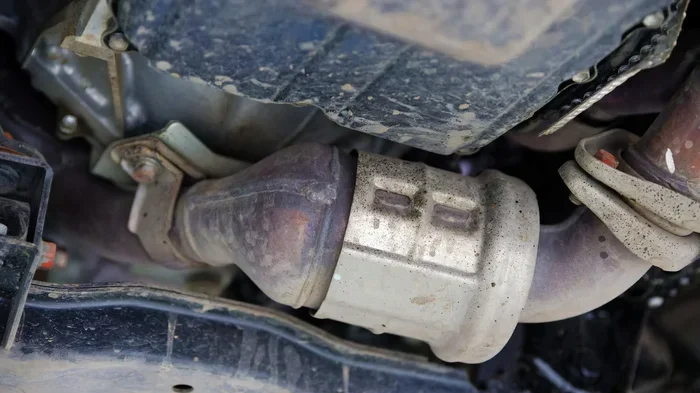
The converter sits between the engine and the muffler in the exhaust system. It gets extremely hot during normal operation, often reaching temperatures of 400 to 800 degrees Fahrenheit. This heat is actually necessary for the chemical reactions to work properly.
### How the Converter Handles Exhaust Heat
Under normal conditions, the catalytic converter manages heat very well. Exhaust gases flow through it smoothly, and the heat dissipates as the gases travel toward the tailpipe. The exhaust system is designed to handle this heat without any issues.
However, when the converter becomes damaged or clogged, that balance changes. Instead of flowing freely, exhaust gases get trapped. This creates a buildup of heat and pressure that can ripple back through the engine. Over time, this trapped heat can push engine temperatures beyond safe limits.
## How a Bad Catalytic Converter Affects Your Engine
A failing catalytic converter doesn’t just affect the exhaust system. It has a direct impact on how your engine runs. When the converter can’t do its job properly, the entire vehicle feels the effects.
### The Back Pressure Problem
The biggest issue a bad converter creates is something called back pressure. Back pressure happens when exhaust gases can’t escape freely through the tailpipe. Instead, they pile up in the exhaust system and push back against the engine.
Imagine trying to breathe through a straw that’s being squeezed. That’s essentially what your engine experiences when back pressure builds up. The engine has to work harder to push exhaust out, which generates more heat and reduces efficiency.
This extra strain can cause the engine to run hotter than normal. In severe cases, the back pressure can lead to engine overheating, which is something you definitely want to avoid. If you’ve ever dealt with overheating issues, you know how quickly they can escalate into serious engine damage.
### Reduced Fuel Efficiency
A clogged catalytic converter also affects how much fuel your car uses. When exhaust flow is restricted, the engine can’t breathe properly. This often leads to a rich fuel mixture, meaning the engine burns more fuel than it needs to.
More fuel burned means more heat generated. Over time, this extra heat adds up and can contribute to overheating problems. You might also notice that you’re filling up the gas tank more often, which is a sign that something isn’t right with your exhaust system.
## Signs That Your Catalytic Converter Is Failing
Catching a bad catalytic converter early is key to preventing overheating and other serious issues. The good news is that your car gives you several warning signs when the converter is going bad.
### The Check Engine Light
One of the first signs of a failing catalytic converter is the check engine light on your dashboard. Modern cars have sensors that monitor the efficiency of the catalytic converter. When the converter isn’t performing well, these sensors trigger the light.
If the check engine light comes on, don’t ignore it. You can get a free diagnostic at many auto parts stores to read the error codes. Common codes related to catalytic converter issues include P0420 and P0430, which indicate catalyst system efficiency below the threshold.
### Hot Smells from the Exhaust
A healthy catalytic converter doesn’t produce strong smells. But when it starts to fail, you might notice a rotten egg or sulfur smell coming from the exhaust. This happens because the converter can’t properly convert hydrogen sulfide into less offensive sulfur dioxide.
If you smell something unusual near the rear of your car, pay attention. That smell often means the converter is overheating internally, which is a red flag for potential engine overheating as well.
### Reduced Engine Power
A clogged catalytic converter restricts the flow of exhaust gases, which directly impacts engine performance. You might notice that your car feels sluggish, especially when accelerating. The engine struggles to push exhaust out, so it has less power available for forward motion.
This loss of power often comes hand in hand with increased engine temperature. When the engine is working harder, it produces more heat. If you notice both reduced power and a rising temperature gauge, the catalytic converter could be the culprit.
### Dark or Black Exhaust Smoke
Normal exhaust should be mostly clear or slightly white when cold. Dark black smoke is a sign that fuel isn’t burning completely, which often points to exhaust system restrictions. A failing catalytic converter can cause this by trapping exhaust and disrupting the fuel-to-air ratio.
Dark smoke combined with overheating symptoms is a clear signal that you need to get your car checked right away. Continuing to drive in this condition can cause further damage to the engine.
## Can a Clogged Catalytic Converter Cause Overheating?
Now let’s get to the heart of the matter. Can a clogged catalytic converter actually cause your car to overheat? The answer is a definitive yes, and here’s exactly how it happens.
### Heat Trapping Mechanism
When the catalytic converter becomes clogged, exhaust gases can’t flow through it efficiently. Instead of passing through and exiting the tailpipe, the gases linger inside the converter. This trapped gas continues to heat up, and the converter itself becomes extremely hot.
The heat from a clogged converter doesn’t just stay contained. It radiates outward and can transfer to nearby engine components. The exhaust manifold, which connects directly to the converter, absorbs a lot of this excess heat. From there, the heat can travel back into the engine block.
### The Cascade Effect
What makes a clogged catalytic converter so dangerous is the cascade effect it creates. Here’s how it typically unfolds:
- The converter becomes clogged, restricting exhaust flow.
- Back pressure builds up in the exhaust system.
- The engine works harder to push exhaust out.
- More fuel is burned to compensate for the restriction.
- Extra fuel combustion generates additional heat.
- The engine temperature rises beyond normal levels.
- Overheating occurs, potentially damaging engine components.
This chain reaction can happen gradually over weeks or suddenly if the converter becomes completely blocked. Either way, the result is the same: your engine runs too hot.
### When Overheating Becomes Dangerous
Driving an overheating car is risky. If your temperature gauge is climbing into the red zone, you should pull over safely and turn off the engine. Continuing to drive an overheating vehicle can cause the head gasket to blow, warp the engine block, or crack the cylinder head.
If you’re wondering whether you can still drive the car after it overheats, the answer depends on the severity. Mild overheating might not cause permanent damage, but repeated overheating episodes will. Check out our guide on Can I Drive My Car After It Overheats for more details on what to do in this situation.
## Other Causes of Car Overheating Related to Exhaust
While a bad catalytic converter is a major cause of overheating, it’s not the only exhaust-related issue that can lead to heat problems. Understanding these related factors helps you diagnose the root cause more accurately.
### Low Antifreeze and Overheating
Your car’s cooling system relies on antifreeze (also called coolant) to regulate engine temperature. When antifreeze levels drop too low, the engine can’t dissipate heat effectively. This is a completely separate issue from the catalytic converter, but it often happens alongside exhaust problems.
If you’re dealing with overheating, it’s worth checking whether low antifreeze might be contributing. Learn more about this connection in our article Can Low Antifreeze Cause Overheating.
### Electric Cars and Overheating
It’s worth noting that electric cars don’t have catalytic converters, but they can still overheat. Electric vehicles rely on battery cooling systems, and when those fail, the battery can overheat. If you’re curious about how electric cars handle heat, check out Can An Electric Car Overheat for more information.
### Exhaust System Blockages Beyond the Converter
The catalytic converter isn’t the only part of the exhaust system that can become blocked. A collapsed muffler or a crushed exhaust pipe can create similar back pressure and overheating issues. If you’ve ever wondered whether you can drive a car without a functioning muffler, the short answer is yes, but it’s not recommended and can contribute to exhaust system problems.
## What Happens When You Ignore a Bad Catalytic Converter
Ignoring a failing catalytic converter is one of the worst things you can do for your car. The problems don’t stay contained to the exhaust system. They spread to other parts of the vehicle and can become much more expensive to fix.
### Engine Damage from Prolonged Overheating
When a bad converter causes the engine to overheat repeatedly, the cumulative damage adds up. Here are some of the most common types of engine damage caused by prolonged overheating:
- Warped cylinder head: Excessive heat causes the cylinder head to warp, leading to poor sealing and compression loss.
- Blown head gasket: The head gasket fails under extreme heat, allowing coolant to leak into the cylinders.
- Cracked engine block: In severe cases, the engine block itself can crack, requiring a full engine replacement.
- Damaged pistons and rings: Overheating causes pistons to expand and seize, damaging the cylinder walls.
Each of these repairs is expensive and time-consuming. What might have started as a simple catalytic converter replacement can turn into a major engine rebuild if you don’t address the problem early.
### Failed Emissions Test
A bad catalytic converter will also cause your car to fail an emissions test. The converter’s job is to reduce harmful emissions, and when it can’t do that, your car releases more pollutants than allowed. This is often one of the first signs that something is wrong, even before overheating becomes an issue.
If you’re planning to get your car inspected, a failing converter will almost certainly result in a failed test. Getting it fixed before the inspection saves you time and money.
## How to Prevent Catalytic Converter Problems
Prevention is always better than repair, and there are several things you can do to keep your catalytic converter healthy and prevent overheating issues.
### Use Quality Fuel
Cheap or low-quality fuel contains more impurities that can damage the catalytic converter over time. These impurities create deposits that build up inside the converter and eventually cause clogging. Using fuel from reputable stations and following your manufacturer’s recommended fuel type helps protect the converter.
### Keep the Engine Tuned
An engine that’s out of tune puts extra stress on the catalytic converter. For example, a misfiring engine sends unburned fuel into the exhaust system, which can overheat the converter and cause damage. Regular tune-ups and spark plug replacements keep the engine running cleanly and protect the converter.
### Address Engine Problems Promptly
If your check engine light comes on, don’t delay getting it checked. Many engine problems that seem minor can eventually damage the catalytic converter if left unresolved. A rich fuel mixture, faulty oxygen sensor, or misfiring spark plug can all contribute to converter failure.
### Regular Maintenance Checks
During routine oil changes and inspections, ask your mechanic to check the exhaust system for any signs of damage or blockage. Catching a loose heat shield or minor exhaust leak early prevents bigger problems down the road. You might also want to ask if Can You Get A Free Diagnostic For Your Car at a local shop to check for early warning signs of converter issues.
## Quick Tips for Catalytic Converter Health
Here are some quick tips to keep your catalytic converter in good shape:
- Avoid short trips when possible. The converter needs time to reach operating temperature and burn off deposits.
- Don’t idle excessively. Prolonged idling creates unburned fuel that can damage the converter.
- Watch your temperature gauge. If it starts climbing, pull over and investigate.
- Address check engine lights immediately. Don’t wait for the problem to get worse.
- Use the recommended fuel grade. Premium fuel isn’t always necessary, but using the wrong grade can cause issues.
## How Much Does Catalytic Converter Replacement Cost?
If you’ve discovered that your catalytic converter needs replacement, you’re probably wondering about the cost. The price varies depending on your vehicle, the type of converter, and labor costs in your area.
On average, catalytic converter replacement costs between $300 and $2,500. The converter part itself can range from $100 to $2,000, and labor typically adds another $100 to $500. Luxury vehicles and certain models with expensive converters can cost more.
The good news is that replacing a bad converter early prevents the much larger costs associated with engine damage from overheating. It’s one of those repairs where acting quickly saves you money in the long run.
## Key Takeaways
Key Takeaways
- A clogged catalytic converter restricts exhaust flow, causing heat to build up in the engine and exhaust system.
- Common symptoms include a hot exhaust, reduced engine power, and the check engine light turning on.
- Ignoring a failing catalytic converter can lead to engine overheating and expensive repairs.
- Regular maintenance and fuel quality play a big role in preventing catalytic converter problems.
- You should not drive your car if you suspect the catalytic converter is causing overheating issues.
- Replacement costs vary but can range from a few hundred to over a thousand dollars depending on the vehicle.
Key Takeaways
- A bad catalytic converter restricts exhaust flow and creates back pressure that traps heat in the engine.
- Common signs include the check engine light, sulfur smells, reduced power, and dark exhaust smoke.
- The overheating cascade effect can cause serious engine damage if left unchecked.
- Using quality fuel, keeping the engine tuned, and addressing warning signs promptly help prevent converter problems.
- Replacement costs are far less than engine repair costs that result from prolonged overheating.
- If your car shows signs of overheating related to the exhaust system, get it diagnosed and fixed as soon as possible.
## Frequently Asked Questions
Can a bad catalytic converter cause your car to overheat?
Yes, a bad catalytic converter can absolutely cause your car to overheat. When the converter becomes clogged or damaged, it restricts exhaust flow and creates back pressure. This trapped exhaust generates excess heat that can transfer back into the engine, causing it to run hotter than normal and potentially overheat.
How do I know if my catalytic converter is causing overheating?
Look for a combination of symptoms including the check engine light, reduced engine power, hot smells from the exhaust, dark smoke, and a rising temperature gauge. If you notice these signs together, the catalytic converter is likely contributing to overheating and needs professional inspection.
Can you drive with a bad catalytic converter?
You can drive short distances with a bad catalytic converter, but it’s not recommended. A failing converter can cause overheating, reduced engine performance, and increased emissions. Continuing to drive with a bad converter risks more serious and expensive engine damage over time.
What happens if a clogged catalytic converter is not replaced?
If a clogged catalytic converter is not replaced, the back pressure and trapped heat will continue to damage the engine. Over time, this can lead to blown head gaskets, warped cylinder heads, cracked engine blocks, and even complete engine failure. The repair costs grow significantly the longer the problem is ignored.
Does a bad catalytic converter affect engine temperature?
Yes, a bad catalytic converter directly affects engine temperature. The restricted exhaust flow forces the engine to work harder, which generates more heat. Additionally, the trapped exhaust gases inside the converter radiate heat back toward the engine, raising overall engine temperature beyond safe operating levels.
How can I prevent my catalytic converter from failing?
You can prevent catalytic converter failure by using quality fuel, keeping your engine properly tuned, addressing check engine lights promptly, and avoiding excessive idling. Regular maintenance checks of the exhaust system also help catch small problems before they become major issues that lead to overheating.
## Conclusion
A bad catalytic converter is more than just an exhaust problem. It’s a serious issue that can cause your car to overheat and lead to expensive engine damage if you don’t address it. The connection between a clogged converter and engine overheating is clear: restricted exhaust flow creates back pressure, trapped heat builds up, and the engine suffers.
The good news is that your car gives you plenty of warning signs before the situation becomes critical. Pay attention to the check engine light, unusual smells, reduced power, and changes in your temperature gauge. Acting quickly when you notice these signs can save you from a much bigger repair bill down the road.
Regular maintenance, quality fuel, and prompt attention to engine problems are your best defenses against catalytic converter failure. And if you do suspect your converter is causing overheating, don’t wait. Get your car diagnosed and fixed as soon as possible. Your engine will thank you for it, and your wallet will too.
Frequently Asked Questions
What is Can a Bad Catalytic Converter Cause a Car to Overheat??
Can a Bad Catalytic Converter Cause a Car to Overheat? is an important topic with many practical applications.