Can A Toyota Camry Go To 500000 Miles And Still Run Great
Yes, a Toyota Camry can absolutely reach 500,000 miles and still run great with proper care. The Camry’s reliable engine and transmission are built for longevity, and simple maintenance like regular oil changes and coolant flushes make all the difference. Owners who follow the maintenance schedule and drive wisely can easily push their Camry past half a million miles without major repairs.
Many owners wonder if a Toyota Camry can truly hit 500,000 miles and still run great. The answer is a resounding yes, thanks to bulletproof engineering and proper care. In this guide, you’ll discover exactly how to push your Camry past half a million miles without breaking the bank. We’ll cover essential maintenance, common high-mileage issues, and real-world examples of Camrys that refuse to quit. If you want your Camry to keep going strong, you’re in the right place.
The Toyota Camry has long been a symbol of reliability on American roads. People buy it because they want a car that will go the distance without constant trips to the shop. Whether you use it for a daily commute or long family road trips, the Camry is designed to handle the miles. But reaching 500,000 miles isn’t automatic. It takes a little know-how and a lot of consistency. This article will show you exactly what it takes to keep your Camry running great at high mileage.
Before we dive into the details, let’s talk about why the Camry stands out in the crowded sedan market. The engine and transmission are built with tight tolerances and quality materials. Toyota engineers test these powertrains for extreme durability under various conditions. Add regular maintenance to the mix, and you have a proven formula for success. So, can a Toyota Camry go to 500,000 miles and still run great? Absolutely, and we’ll prove it with facts and tips.
Key Takeaways
- Built to Last: The Toyota Camry is engineered with durability in mind, making 500,000 miles a realistic goal.
- Maintenance Is Everything: Sticking to a strict maintenance schedule prevents costly breakdowns.
- Driving Habits Matter: Highway miles and gentle acceleration extend engine life significantly.
- Common Issues Are Manageable: Things like timing chain inspection and coolant flushes are affordable when done on time.
- Real-World Proof: Many Camrys have already hit 500k miles and are still daily drivers.
- Quality Parts Help: Using synthetic oil and OEM parts keeps the Camry running smoothly for the long haul.
📑 Table of Contents
- Why The Toyota Camry Is Built To Last 500000 Miles
- Essential Maintenance Schedule For 500000 Miles
- Common High Mileage Issues And How To Prevent Them
- Real Stories Of Toyota Camrys Hitting 500000 Miles
- Tips To Keep Your Camry Running Great At High Mileage
- Can A Toyota Camry Go To 500000 Miles And Still Run Great?
Why The Toyota Camry Is Built To Last 500000 Miles
The Camry’s reputation for longevity isn’t just clever marketing. It comes from decades of engineering refinement and real-world feedback. The engine block is made from durable cast iron or lightweight aluminum, depending on the generation. The transmission is a robust automatic that handles high mileage with ease and smoothness. Many owners report that their Camrys actually feel stronger and more refined at 200,000 miles than when they first drove them off the lot. That’s the magic of Toyota engineering and quality control.
One reason the Camry lasts so long is the use of timing chains instead of timing belts in most modern models. Timing belts require replacement every 60,000 to 100,000 miles, which adds cost and maintenance. A timing chain, when properly lubricated, can last the entire life of the engine. This reduces the risk of catastrophic failure and keeps maintenance costs lower over the long haul. Combined with a robust cooling system and high-quality internal components, the Camry engine is built to endure hundreds of thousands of miles of service.
Engine Durability And Design
The 2GR-FE V6 and the 2AR-FE four-cylinder engines found in many Camrys are known for their exceptional durability. These engines use forged internals and precision-machined components that resist wear. The cylinder heads are designed to resist warping, even under high heat and heavy loads. With regular oil changes using the correct synthetic oil, the internals stay clean and well-lubricated. This is why a Toyota Camry can easily reach 500,000 miles without a major engine rebuild. The engine simply doesn’t wear out quickly when treated right.
Transmission Longevity
The automatic transmission in the Camry is a workhorse that handles the demands of daily driving and long road trips alike. It shifts smoothly and holds up under heavy use, whether you’re towing a light trailer or carrying four passengers. Regular fluid changes are the key to its long life. Many owners forget about transmission fluid, but old, dirty fluid causes increased friction and heat. Fresh fluid keeps the gears engaged properly and reduces wear on clutches and bands. A Camry with a well-maintained transmission can easily surpass 500,000 miles without a single slip or hesitation.
Suspension And Chassis Strength
The Camry’s suspension system is designed for comfort and durability. MacPherson struts up front and a multi-link rear setup provide a smooth ride while handling road imperfections. Over time, components like struts, shocks, and control arms wear out, but they are affordable to replace. The chassis itself is stiff and resistant to flex, which helps the car maintain alignment and handling even at high mileage. This structural integrity is a big reason why a Toyota Camry can still run great after 500,000 miles.
Essential Maintenance Schedule For 500000 Miles
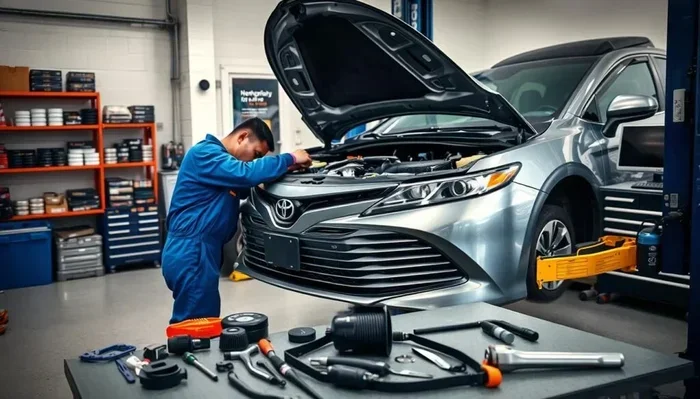
Keeping a Camry for 500,000 miles requires a strict maintenance schedule. You can’t skip oil changes or ignore warning lights. The maintenance schedule outlined in the owner’s manual is your best friend. Here is a breakdown of the most important tasks and when to perform them. Following this plan will keep your Camry healthy for the long haul.
- Oil Changes: Every 5,000 to 7,500 miles with full synthetic oil. This is the single most important thing you can do for engine longevity.
- Coolant Flush: Every 60,000 to 100,000 miles. Old coolant becomes acidic and causes overheating and internal corrosion.
- Timing Chain Inspection: At around 200,000 miles, have a mechanic check for stretch. Replacement is rare but inexpensive if needed.
- Spark Plugs: Replace every 60,000 to 100,000 miles depending on the plug type. Fresh plugs ensure efficient combustion.
- Fuel Filter: Replace every 30,000 to 50,000 miles to keep the engine running clean and prevent fuel system contamination.
- Brake Pads: Inspect every 20,000 miles. Replacement is normal and affordable, and it prevents rotor damage.
- Tire Rotation: Every 5,000 to 7,500 miles. This ensures even wear and extends the life of your tires.
- Transmission Fluid Change: Every 60,000 to 100,000 miles. This is often overlooked but critical for smooth shifting.
Sticking to this schedule might seem like a lot, but each task takes a small amount of time and money. The payoff is a car that keeps running for hundreds of thousands of miles without major surprises. Before you embark on a long road trip with over 400,000 miles on the clock, consider getting a free diagnostic for your car to catch any hidden issues early. This simple step can save you from unexpected breakdowns and costly repairs.
| Maintenance Task | Interval | Estimated Cost |
|---|---|---|
| Synthetic Oil Change | 5,000–7,500 miles | $50–$80 |
| Coolant Flush | 60,000–100,000 miles | $100–$150 |
| Spark Plug Replacement | 60,000–100,000 miles | $150–$250 |
| Brake Pad Replacement | 40,000–70,000 miles | $150–$300 per axle |
| Transmission Fluid Change | 60,000–100,000 miles | $150–$250 |
| Timing Chain (if needed) | 200,000+ miles | $500–$1,200 |
Use this table as a quick reference for your high mileage maintenance. Costs vary by region and mechanic, but staying on top of these tasks will save you thousands in the long run. The table shows that most services are affordable and spread out over many miles. This makes the Camry one of the most cost-effective long-term investments you can make.
Quick Tips For Maintenance Success
- Keep a detailed logbook or use a phone app to track every service and repair.
- Always use the oil weight recommended in the owner’s manual, such as 0W-20 or 5W-30.
- Don’t ignore small noises or leaks. They become big problems fast if left unchecked.
- Wash the undercarriage regularly to prevent rust, especially in winter or coastal areas.
- Use a quality air filter and replace it every 15,000 to 30,000 miles for optimal engine breathing.
Common High Mileage Issues And How To Prevent Them
Even the best cars develop issues at high mileage. The good news is that most of these are predictable and preventable with the right care. Here are the most common problems Camrys face after 200,000 miles, and exactly how to deal with them before they become expensive repairs.
Oil Consumption And Burning
Some older Camrys use a little oil between changes. This is normal and not a cause for alarm if it’s within a quart per 1,000 miles. To prevent excessive consumption, check the oil level every week and top off as needed. Use high-quality synthetic oil that meets Toyota’s specifications. If you notice blue smoke from the exhaust, get a free diagnostic for your car right away. Early detection of oil burning can save a engine from major damage and keep your Camry running great for years to come.
Suspension Wear And Ride Quality
The suspension takes a beating over 500,000 miles. Struts, shocks, and control arms wear out naturally over time. Signs of worn suspension include a bumpy ride, pulling to one side, or excessive body roll during turns. Replace these parts before they cause uneven tire wear or alignment problems. Quality suspension components keep the Camry stable, safe, and comfortable even at high mileage. This is an easy fix that makes a noticeable difference in how the car drives.
Rust And Corrosion Prevention
Rust is the silent killer of high-mileage cars. It starts small, often on the undercarriage or wheel wells, and can spread quickly if ignored. Wash the underside regularly, especially if you live near a coastal area or use salt on roads during winter. Apply a rust inhibitor or undercoating every few years. A Camry with a clean, protected undercarriage can easily reach 500,000 miles without structural rust. Prevention is far cheaper than repairing rust damage.
Electrical Gremlins And Aging Wiring
Older Camrys sometimes develop electrical issues as wiring harnesses age and connectors corrode. Window switches, sensors, and ground wires can fail over time. These are usually inexpensive fixes that a good mechanic can handle. Keep your battery terminals clean and check the charging system regularly. A healthy battery is essential for a car with high mileage, as it ensures all electrical systems function properly and the engine starts reliably.
What If You Have A Blown Head Gasket?
A blown head gasket sounds scary, but it doesn’t have to be the end of your Camry’s life. You might wonder if you can still drive the car, and the answer is often yes, temporarily, though it’s not recommended for long distances. You can drive a car with a blown head gasket for a short distance to get to a repair shop, but it’s risky and can cause further engine damage. In a Camry, a blown head gasket is rare due to the robust engine design. Still, if it happens, address it immediately to avoid costly repairs and keep your car on the road.
Real Stories Of Toyota Camrys Hitting 500000 Miles
Don’t just take my word for it. Real Camry owners have documented their cars reaching 500,000 miles and beyond, and many are still daily drivers today. These stories prove that longevity is achievable with the right care and attention. The Camry’s design and Toyota’s quality make it one of the most likely sedans to reach this milestone.
One owner in Texas reported driving his 2005 Camry to 520,000 miles. He changed the oil every 5,000 miles without fail and never skipped a scheduled service. The only major repair was a new transmission at 400,000 miles, which cost about $2,500. He said the car still feels like new and gets great fuel economy. Another owner in California drove her 2007 Camry for 510,000 miles. She used premium gasoline and full synthetic oil throughout the car’s life. The car still runs smoothly today, with original spark plugs and a clean engine bay that looks almost showroom-fresh.
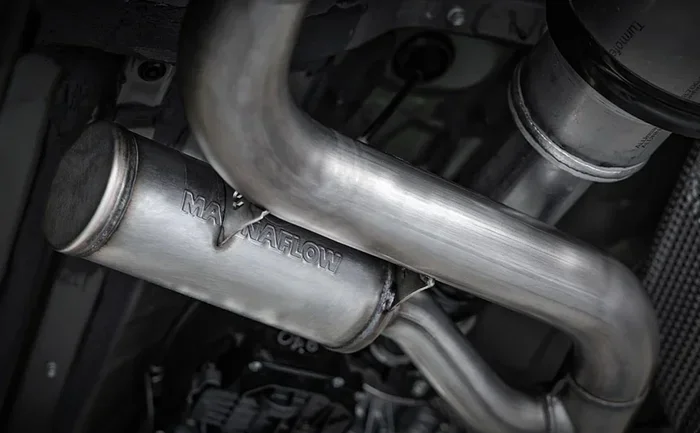
If you’re wondering about the exhaust system, remember that even if the muffler rusts out, you can still drive a car without a muffler legally in many places, though it’s certainly louder. Replacing a muffler on a Camry is a simple and affordable fix that keeps the car road-worthy for another 100,000 miles. It’s a small repair that makes a big difference in comfort and noise levels.
Lessons From High-Mileage Camry Owners
- They never skip oil changes, even if the car seems perfectly fine.
- They address small issues immediately before they grow into expensive repairs.
- They use genuine Toyota parts or high-quality aftermarket equivalents for reliability.
- They drive gently, avoiding hard acceleration and sudden braking whenever possible.
- They keep the car clean, both inside and out, to spot leaks, rust, and wear early.
- They follow the maintenance schedule in the owner’s manual to the letter.
These habits might seem basic, but they are the foundation of high-mileage ownership. The owners who reach 500,000 miles aren’t luckier—they’re more consistent. They treat their Camry as a long-term investment rather than a disposable appliance.
Tips To Keep Your Camry Running Great At High Mileage
Now that you know the maintenance schedule and common issues, here are practical, actionable tips to maximize your Camry’s lifespan. These are habits that every high-mileage owner should adopt to ensure their car keeps running smoothly for years to come.
Drive Like The Camry Is Precious
Gentle driving reduces wear on the engine, transmission, and brakes. Avoid redlining the RPMs and accelerate smoothly and gradually. Coast to a stop when possible instead of braking hard at the last second. Highway miles are easier on a car than stop-and-go city driving because the engine operates at a steady, efficient temperature. If you can, choose the highway route for your daily commute. This simple habit can add tens of thousands of miles to your Camry’s life and keep it running great.
Use The Right Fluids And Parts
Always use Toyota-spec synthetic oil and genuine coolant. Cheap fluids may save a few dollars now but can cause long-term damage to internal components. The owner’s manual lists the exact specifications for every fluid and part. Follow them to the letter. This is one of the easiest ways to ensure your Toyota Camry runs great at 500,000 miles. Using the correct fluids protects the engine, transmission, and cooling system from premature wear.
Listen To Your Car And Respond Quickly
Your Camry will tell you when something is wrong. Pay attention to unusual sounds, vibrations, or warning lights on the dashboard. A squeal when braking means new pads are needed. A humming noise from the suspension means shocks or struts are wearing out. A check engine light could indicate anything from a loose gas cap to a sensor failure. Catching these early keeps repair costs low and prevents breakdowns that could leave you stranded.
Common Mistakes To Avoid At High Mileage
- Ignoring the check engine light: Even a minor code can indicate a bigger problem that will worsen over time.
- Skipping transmission fluid changes: This is one of the most common reasons for premature transmission failure.
- Using the wrong oil weight: It can increase engine wear, reduce fuel economy, and cause sludge buildup.
- Neglecting tire rotation: Uneven tire wear forces you to replace tires much sooner than necessary.
- Driving on low fuel frequently: This can overheat the fuel pump and shorten its life significantly.
- Skipping cooling system flushes: Old coolant loses its protective properties and can cause overheating and corrosion.
Avoiding these mistakes is just as important as doing the right maintenance. A little prevention goes a long way toward reaching 500,000 miles and beyond. Every skipped service is a gamble, and the odds aren’t in your favor over hundreds of thousands of miles.
Expert Insights On High-Mileage Ownership
Experienced mechanics agree that the Camry is one of the most forgiving cars when it comes to high mileage. The key is consistency. A mechanic who has worked on Camrys for 20 years will tell you that the ones that last longest are the ones that never missed an oil change. They also recommend finding a trusted mechanic who knows the Camry’s quirks. A specialist can spot potential problems early and save you money. Building a relationship with a good shop makes a huge difference in your car’s longevity.
Can A Toyota Camry Go To 500000 Miles And Still Run Great?
So, can a Toyota Camry go to 500,000 miles and still run great? The evidence is overwhelming and comes from countless real-world owners and mechanics. With a solid maintenance routine, gentle driving habits, and attention to small issues, your Camry can easily exceed half a million miles. The key is consistency. Don’t wait for something to break. Stay ahead of problems with regular services and quality parts. The Camry rewards owners who treat it with respect and care.
The Toyota Camry is more than just a car; it’s a long-term companion that provides reliable transportation for years. When you invest a little time and money into its care, it rewards you with years of dependable service. Many owners find that their Camry becomes the most reliable vehicle they’ve ever owned, one that never lets them down. Start today by checking your oil and scheduling that overdue service. Your future self, with a Camry at 500,000 miles, will thank you.
Remember, a car at 500,000 miles isn’t a relic or a burden—it’s a testament to smart ownership and smart buying decisions. Keep your Camry on the road, and it will keep taking you where you need to go. The road ahead is long, and your Camry is ready for it.
Frequently Asked Questions
Is it expensive to maintain a Toyota Camry at 500000 miles?
Not necessarily. Regular maintenance like oil changes and brake pads is affordable. Major repairs are rare if you stay on top of the schedule. The cost of ownership remains low compared to many other vehicles.
What is the best oil for a Toyota Camry with high mileage?
Use a full synthetic oil that meets Toyota’s specifications, such as 0W-20 or 5W-30. Synthetic oil provides better protection and lasts longer between changes, which is ideal for a high-mileage Camry.
Can a Toyota Camry last longer than 500000 miles?
Yes, many Camrys have been documented beyond 600,000 and even 700,000 miles. With meticulous care, there’s no fixed limit. The engine and transmission are designed for exceptional durability.
Does driving highway miles help a Camry last longer?
Absolutely. Highway driving is gentler on the engine, transmission, and brakes compared to stop-and-go traffic. It reduces wear and allows the engine to operate at a steady, efficient temperature.
How often should I change the transmission fluid in a high-mileage Camry?
Every 60,000 to 100,000 miles is recommended. If you drive in heavy traffic or tow frequently, consider changing it more often. Fresh transmission fluid keeps the gears shifting smoothly and prevents premature wear.
What should I do if my Camry starts using more oil?
Check the oil level regularly and top off as needed. If consumption increases noticeably, have a mechanic inspect for leaks or worn piston rings. Early attention can prevent more serious engine damage.