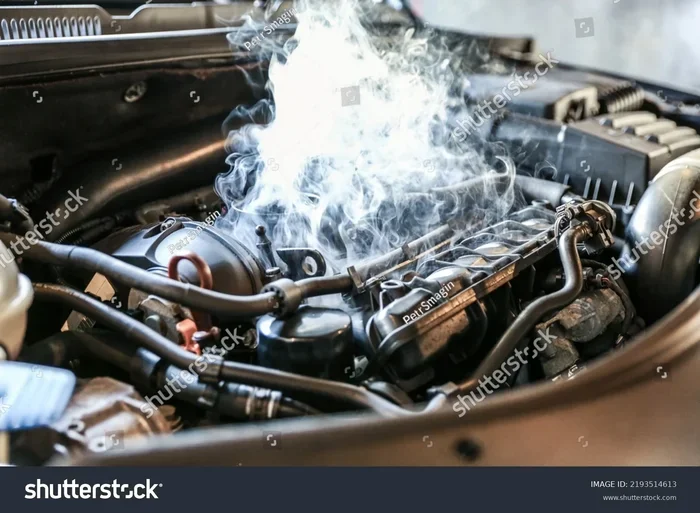
Can a Bad Alternator Make Your Car Overheat Quickly
A bad alternator can indeed make your car overheat quickly, and the damage can be severe if ignored. When the alternator fails, it strains the electrical system and cooling components, pushing engine temperatures to dangerous levels. This guide explains the connection between a failing alternator and overheating, how to spot the early signs, and the steps you should take immediately to avoid costly repairs.
You’re driving along, and suddenly the temperature gauge spikes into the red. Steam curls from under the hood, and your heart sinks. Could the culprit be something as simple as the alternator? Many drivers don’t realize that a bad alternator can indeed make your car overheat quickly. It’s not just about the battery—when the alternator fails, it triggers a chain reaction that stresses your entire engine.
The alternator keeps your electrical system alive. It charges the battery and powers everything from the headlights to the cooling fans. When it starts to fail, the engine has to compensate, and that extra strain can push temperatures to dangerous levels. In this article, we’ll break down exactly how this happens, what signs to watch for, and what you should do right now to protect your vehicle.
Key Takeaways
- A failing alternator forces your engine to work harder, leading to overheating.
- Warning signs include a rising temperature gauge, dim headlights, and a dead battery.
- Driving with a bad alternator can cause catastrophic engine damage.
- You can often get a free diagnostic to confirm alternator issues.
- Immediate action: pull over safely and shut off the engine.
- Regular maintenance of the charging system prevents alternator-related overheating.
- Replacing a bad alternator early saves you from a much larger repair bill.
📑 Table of Contents
- What Does an Alternator Do and Why Does It Matter?
- How a Bad Alternator Can Cause Your Car to Overheat
- Warning Signs: Is Your Alternator Making Your Car Overheat?
- Can You Still Drive If Your Alternator Is Failing?
- What to Do When Your Car Overheats Due to Alternator Failure
- Preventing Alternator-Related Overheating: Long-Term Tips
- Conclusion
What Does an Alternator Do and Why Does It Matter?
Think of the alternator as your car’s rechargeable power station. While the engine runs, the alternator converts mechanical energy into electrical energy. This electricity keeps the battery charged and runs all the electronic systems you rely on every day.
How the Charging System Works
The alternator is connected to the engine by a serpentine belt. As the belt spins, it rotates the alternator’s internal rotor, which generates alternating current (AC). A diode rectifier then converts that AC into direct current (DC) to charge the battery and power the car’s electronics. A voltage regulator controls the output, ensuring you don’t overcharge the battery. When every part works together, the system runs smoothly and your engine stays at a safe operating temperature.
When the Alternator Starts to Fail
Over time, the bearings wear out, the diodes fail, or the voltage regulator goes bad. When any of these parts break down, the alternator can’t produce enough power. The battery tries to pick up the slack, but it drains quickly. That drain forces the engine to work harder, and that extra work generates more heat. A bad alternator doesn’t just leave you stranded—it can actively push your engine into an overheat zone.
Quick Tip: If you notice your headlights dimming when you stop at a light, that’s often a sign the alternator isn’t keeping up. Don’t ignore it—get a free diagnostic for your car to check the charging system before it causes bigger problems.
How a Bad Alternator Can Cause Your Car to Overheat
The connection between a failing alternator and engine heat isn’t obvious. But it’s very real. Here’s the step-by-step process of how a bad alternator leads to a car overheat situation.
1. Increased Electrical Load on the Engine
When the alternator can’t generate enough electricity, the engine control unit (ECU) may adjust the idle speed to compensate. A higher idle means more fuel burning, which produces more heat. Additionally, the cooling fans—both mechanical and electric—depend on the electrical system. A weak alternator might not send enough power to the radiator fan, so the engine can’t cool down properly. This is one of the most common ways a charging system failure leads to overheating.
2. Battery Strain and Heat Buildup
A dying alternator forces the battery to work overtime. As the battery struggles, it generates excess heat. In extreme cases, a swollen or hot battery can heat up the surrounding engine bay. That heat radiates into the engine block, pushing the overall temperature higher. Drivers often miss this connection because they only look at the coolant system when the engine gets hot.
3. Serpentine Belt and Accessory Failure
The serpentine belt drives the alternator, water pump, and other accessories. If the alternator seizes, it can lock up the belt. A locked belt stops the water pump from circulating coolant. Within minutes, the engine can overheat catastrophically. This is one of the fastest ways a bad alternator causes a car overheat. The water pump is essential for moving heat away from the engine, and without it, temperatures soar.
Common Mistake: Many drivers assume a rising temperature gauge means a coolant leak. While that’s common, don’t rule out an electrical cause. A failing alternator can mimic the same symptoms, and checking the electrical system first can save you a lot of guesswork.
Comparison: Alternator Failure vs. Other Overheating Causes
| Overheating Cause | How It Affects Temperature | Key Warning Signs | Immediate Action |
|---|---|---|---|
| Bad Alternator | Reduces cooling fan power; strains battery; can lock serpentine belt | Dim lights, dead battery, warning chime | Turn off A/C, pull over safely |
| Coolant Leak | Low coolant level reduces heat absorption | Puddles under car, sweet smell, steam | Check coolant level, do not open hot radiator |
| Thermostat Failure | Blocks coolant flow to radiator | Temperature gauge fluctuates, heater stops working | Let car idle, seek roadside assistance |
| Water Pump Failure | Stops coolant circulation entirely | Whining noise, steam from hood, overheating within minutes | Shut off engine immediately |
Expert Insight: “In my 20 years as a mechanic, I’ve seen dozens of cases where a seized alternator caused a blown head gasket. The owner kept driving because the temperature gauge seemed normal at first. By the time they pulled over, the engine was already overheating,” says a senior technician at Veloze Auto Group. This is why understanding the electrical-thermal connection is so important.
Warning Signs: Is Your Alternator Making Your Car Overheat?
Catching the early signs of alternator failure can save you from a full-blown car overheat emergency. Here are the top warning signals that your charging system is in trouble.
- Temperature gauge climbing unexpectedly: Even on a cool day, the needle moves into the hot zone.
- Dim or flickering headlights: The electrical system isn’t getting enough power.
- Dead or weak battery: You need jump-starts frequently. A bad alternator won’t recharge the battery.
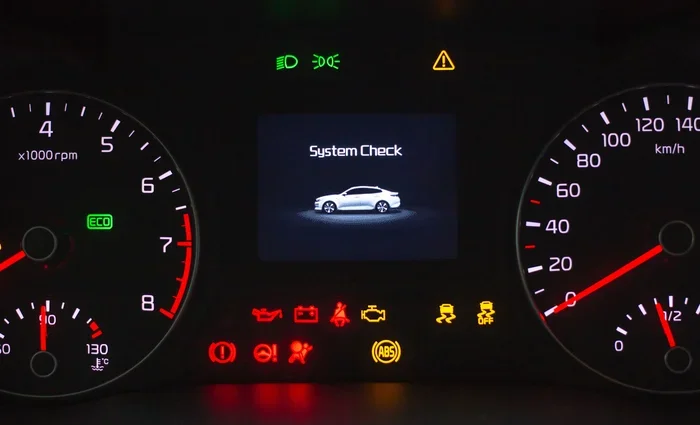
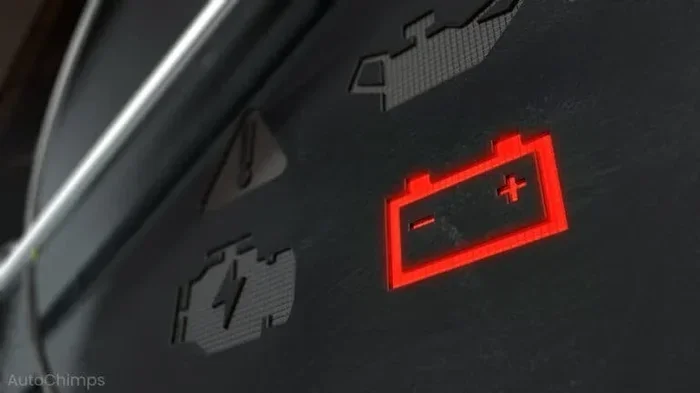
- Battery or check engine light on the dash: These lights often illuminate when voltage drops.
- Unusual whining or grinding noise: Worn bearings inside the alternator make this sound.
- Electrical accessories slowing down: Power windows move slowly, the radio flickers, or the dash lights dim at idle.
Quick Tip: If you see two or more of these signs together, pull over safely and turn off all non-essential electrical loads. Then call for a free diagnostic for your car to pinpoint the issue before it leads to a full overheating event.
Expert Insight: “I always tell my customers to pay attention to the small things. A dome light that’s a little dim or a radio that crackles might seem minor, but they’re early warnings from your charging system. Catching them early can prevent a car overheat situation on the highway,” says a longtime service advisor.
Can You Still Drive If Your Alternator Is Failing?
The short answer is: you might be able to drive a short distance, but it’s risky. Once the alternator stops working entirely, your car runs solely on battery power. The battery will drain quickly, and you’ll lose power steering, power brakes, and eventually the engine will stall. More importantly, if the alternator failure causes the cooling fan to stop, your engine can overheat in just a few miles. That’s why it’s critical to know what to do if you notice signs of overheating while driving.
For a detailed guide on what happens after your engine overheats, read our article Can I Drive My Car After It Overheats?. It covers safe steps to take and when to call for help. The last thing you want is to be stuck on a busy freeway with steam pouring from your hood.
Common Mistake: Many drivers try to “limp” the car to the nearest repair shop. This can turn a simple alternator fix into a destroyed engine. If the temperature gauge climbs, don’t risk it—call a tow truck. A few hundred dollars for a tow is nothing compared to a new engine.
What to Do When Your Car Overheats Due to Alternator Failure
If you’re already dealing with a car overheat situation and suspect the alternator, follow these steps immediately.
- Turn off the air conditioning: A/C puts extra load on the alternator and engine. Switching it off reduces heat generation right away.
- Turn on the heater to full blast: This sounds counterintuitive, but the heater core acts as a secondary radiator. It pulls heat out of the coolant and into the cabin. It won’t fix the problem, but it can buy you a few precious minutes.
- Pull over safely and turn off the engine: Let the car idle for a minute before shutting it off if possible, then get out and wait at a safe distance.
- Do not open the radiator cap: Pressurized coolant can cause severe burns. Wait at least 15 minutes for the system to cool down.
- Call for roadside assistance or a tow: Driving further can cause catastrophic damage. Have the car towed to a trusted mechanic.
Once the car is cool, a technician can test the alternator output with a multimeter. A healthy alternator should produce between 13.8 and 14.4 volts at the battery terminals with the engine running. Anything lower indicates a problem. The technician will also inspect the serpentine belt, the voltage regulator, and the diode rectifier to determine exactly what failed.
Quick Tip: Keep a basic multimeter in your glovebox. You can check the battery voltage yourself. With the engine off, a fully charged battery should read around 12.6 volts. With the engine running, it should read between 13.8 and 14.4 volts. If it’s lower, your alternator might be struggling, and that could lead to overheating.
Preventing Alternator-Related Overheating: Long-Term Tips
Prevention is always cheaper than repair. Here’s how to keep your alternator healthy and prevent overheating before it starts.
Regular Charging System Inspections
During every oil change or major service, ask the technician to test the alternator output and inspect the serpentine belt. They can spot a worn belt or a weak diode before it causes a breakdown. A simple charging system test takes just a few minutes and can give you peace of mind.
Watch Your Battery Age
A weak battery puts extra strain on the alternator. If your battery is more than three to five years old, have it tested regularly. Replacing an old battery can extend the life of your alternator. The two components work as a team, and when one starts to fail, the other suffers.
Keep the Cooling System in Top Shape
Even though the alternator is electrical, the cooling system and charging system work together. Make sure your coolant levels are correct, the radiator fan kicks on when it should, and the thermostat opens at the right temperature. A well-maintained cooling system gives you a buffer if the alternator starts to falter. If you’re curious about how different vehicle types handle heat, you might wonder if electric cars have similar issues. While electric vehicles don’t have a traditional alternator, they can still overheat. Learn more in our guide: Can an Electric Car Overheat?
Know Your Alternator Replacement Cost
The alternator itself typically costs between $300 and $600 for parts and labor. That’s a fraction of what a new engine costs after an overheat event. If you get a warning sign, don’t delay. Addressing a bad alternator early keeps your car overheat risk low and your wallet happy. Many repair shops offer same-day alternator replacement, so you can often get back on the road quickly.
Common Mistake: Some drivers ignore the little warning signs until the car breaks down completely. By then, the damage can extend beyond the alternator. A seized alternator can snap the serpentine belt, which stops the water pump, and that leads to a blown head gasket or a warped cylinder head. All of this from a part that cost a few hundred dollars to replace early on.
Conclusion
The answer to the question “Can a bad alternator make your car overheat quickly?” is a clear yes. A failing alternator disrupts the electrical balance of your vehicle, strains the battery, and can even stop the cooling fan or water pump from working. The result is a car overheat that can cause severe engine damage in a very short time. The key is to recognize the warning signs early and take action before the situation escalates.
If you notice dim lights, a dead battery, or a rising temperature gauge, don’t wait. Get a free diagnostic for your car and have the charging system inspected. A simple alternator replacement can save you from a much larger repair bill and keep you safe on the road. Remember, a bad alternator doesn’t just leave you in the dark—it can turn your engine into an overheating disaster. Stay proactive, and your car will stay cool.
Frequently Asked Questions
Can a bad alternator cause overheating even when the battery is new?
Yes, absolutely. A new battery can still be drained by a failing alternator, and the extra electrical load on the engine can cause heat buildup. The alternator and battery work as a team, and if one fails, the other suffers.
How long can you drive with a failing alternator before the car overheats?
It depends on the severity of the failure and the ambient temperature. In some cases, a car can overheat within a few miles if the alternator seizes and locks the serpentine belt. In other cases, you might drive for a short while before the cooling fan stops working and temperatures climb.
What is the average alternator replacement cost?
The total cost for parts and labor typically ranges from $300 to $600. This is a fraction of what a new engine costs after an overheat event, making early replacement a smart financial decision.
Does a bad alternator affect the AC and cause overheating?
Yes. The air conditioning system puts extra electrical load on the alternator. If the alternator is weak, running the A/C can push it over the edge, causing the engine to work harder and heat up faster.
Can you jump-start a car with a bad alternator?
You can jump-start the car to get it running, but the alternator won’t recharge the battery properly. You’ll only have a short window of power before the battery drains again, and the engine may overheat without proper fan operation.
How do you test an alternator to prevent overheating?
A technician uses a multimeter to measure voltage at the battery terminals with the engine running. A reading between 13.8 and 14.4 volts indicates a healthy alternator. Anything lower suggests the alternator isn’t charging properly, which can lead to overheating over time.