What Happens If Your Gas Tank Is Open While Driving
Driving with your gas tank open can cause serious issues like fuel loss, vapor leaks, and damage to your car’s emissions system. Your check engine light will likely turn on, and your fuel efficiency can drop significantly. Here is everything you need to know about the dangers and what to do if it happens.
You are cruising down the highway, enjoying the open road, when a thought suddenly hits you. Did you close the gas tank? Maybe you remember fumbling with the fuel door at the pump. Or maybe you simply forgot. Either way, your gas tank is wide open, and you are driving down the road at 65 miles per hour. This is a surprisingly common situation, and it can happen to anyone. The question is, what actually happens when your gas tank is open while driving?
The answer is more serious than most people think. An open gas tank is not just a minor oversight. It affects your car’s fuel system, emissions control, and even your safety on the road. Many drivers assume it is no big deal and keep going. But that small mistake can lead to bigger problems over time. Understanding what happens next can save you money, hassle, and maybe even prevent a dangerous situation.
In this article, we will break down exactly what occurs when your gas tank stays open while you drive. We will cover everything from fuel loss and check engine lights to safety risks and long-term damage. By the end, you will know exactly what to do and how to avoid this common mistake in the future.
Key Takeaways
- Fuel Evaporation Loss: An open gas tank lets fuel vapors escape, wasting gas and reducing your fuel economy.
- Check Engine Light: Your vehicle’s EVAP system detects leaks and triggers the gas cap warning light almost immediately.
- Emissions Failure: Driving with an open tank can cause your car to fail a vehicle inspection due to increased pollutants.
- Safety Hazard: Fuel vapors are flammable and create a real fire risk, especially near hot engine parts.
- Easy Fix: Simply closing the gas cap resolves most issues, but prolonged driving may require a reset or inspection.
- Charcoal Canister Damage: The EVAP system’s charcoal canister can become saturated and fail if exposed to too much fuel vapor.
- Road Trip Risk: An open tank during a long drive can leave you stranded with a nearly empty tank.
📑 Table of Contents
- What Happens When You Drive With the Gas Tank Open
- The Role of Your Gas Cap and EVAP System
- Warning Signs That Your Gas Tank Is Open
- Can Driving With an Open Tank Damage Your Car?
- How to Prevent and Fix This Problem
- Is It Safe to Drive With the Gas Cap Off?
- Common Mistakes Drivers Make With Their Gas Tanks
- Expert Insights on Gas Tank Maintenance
- Key Takeaways
- Conclusion
What Happens When You Drive With the Gas Tank Open
Driving with an open gas tank sets off a chain of events. Some happen right away, while others develop over time. Let us walk through what actually goes on inside your vehicle when the fuel tank is exposed to open air.
Fuel Evaporation and Loss
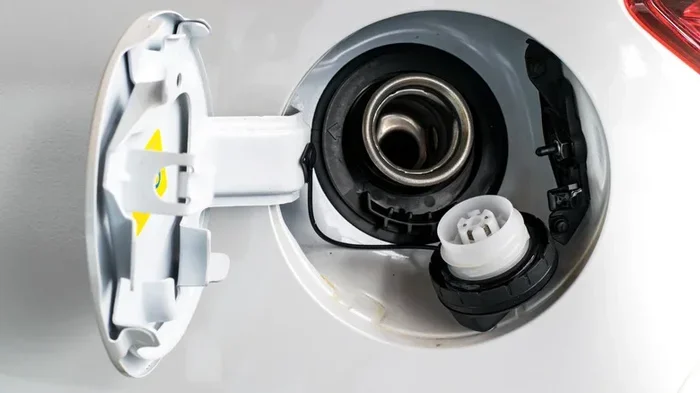
The most immediate effect is fuel evaporation. Gasoline is highly volatile. It turns into vapor easily, especially in warm weather. When your gas tank is open, those vapors escape into the atmosphere instead of staying sealed inside the fuel system. You lose fuel without even noticing it. Over time, this adds up. You might find yourself filling up more often than usual, and your fuel economy drops noticeably.
On a hot day, the evaporation rate increases even more. Parking in the sun with an open tank makes it worse. The fuel inside heats up faster, creating more vapor pressure. That vapor has nowhere to go, so it escapes through the open tank opening. This is not just a waste of money. It also contributes to air pollution, which is something nobody wants.
The EVAP System Gets Overwhelmed
Your car has a system called EVAP, which stands for Evaporative Emission Control. This system is designed to capture fuel vapors and route them back into the engine for combustion. It works great when the gas cap is properly sealed. But when the tank is open, the system gets flooded with more vapor than it can handle.
The EVAP system includes several components, such as the charcoal canister, purge valve, and vent valve. These parts work together to manage vapor levels. When too much vapor enters the system at once, it can overwhelm the charcoal canister. The canister absorbs fuel vapors, but it has a limited capacity. Once it is saturated, it stops working correctly, and the whole system suffers.
The Role of Your Gas Cap and EVAP System
Many people underestimate the gas cap. It is a small, inexpensive part, but it plays a huge role in your vehicle’s fuel system. The gas cap creates a sealed environment inside the fuel tank. This seal is essential for the EVAP system to function properly. Without it, the entire vapor management process breaks down.
When you close the gas cap correctly, you hear a click or two. That click means the cap has sealed properly. If you do not hear the click, the seal may not be tight. A loose or missing gas cap is one of the most common reasons the check engine light comes on. In fact, it accounts for a large percentage of check engine light triggers related to emissions.
How the EVAP System Works
The EVAP system is clever. It captures fuel vapors from the tank and stores them in a charcoal canister. When the engine is running under certain conditions, the purge valve opens and allows those stored vapors to be drawn into the engine. The vapors then get burned as fuel, which is actually a smart way to reuse energy that would otherwise be lost.
But this entire process depends on the system being sealed. An open gas tank breaks that seal. The system cannot build the proper pressure or vacuum needed to function. This leads to a variety of problems, which we will cover in the next section.
What the Gas Cap Warning Light Means
If you see the gas cap warning light on your dashboard, do not ignore it. This light is your car telling you something is wrong with the fuel tank seal. In most cases, it means the gas cap is loose, missing, or not seated properly. Sometimes, the cap itself is damaged and needs replacement.
Driving with the light on for an extended period can cause additional issues. The car’s computer continuously monitors the EVAP system for leaks. When it detects a problem, it stores a diagnostic trouble code. This code can affect how your engine runs and may lead to rough idling or reduced power if left unresolved.
Warning Signs That Your Gas Tank Is Open
How do you know your gas tank is open while driving? There are several clear warning signs. Catching them early can prevent bigger problems down the road.
Fuel Smell Inside the Car
This is the most obvious sign. If you smell gasoline inside or near your vehicle, something is wrong. An open tank allows fuel vapors to seep into the cabin through the ventilation system. Even a small opening can cause a noticeable fuel smell. If you detect this odor while driving, pull over safely and check your gas cap immediately.
Fuel vapors are not just unpleasant. They are also toxic. Prolonged exposure to gasoline fumes can cause headaches, dizziness, and nausea. If you feel any of these symptoms along with a fuel smell, get fresh air right away and address the issue.
Check Engine Light Turns On
The check engine light is one of the first indicators that something is off with your vehicle. When the gas tank is open, the EVAP system detects a large leak. The car’s onboard computer registers this as a fault and illuminates the warning light. The code stored is usually related to a large EVAP leak or a missing gas cap.
Do not panic if this light comes on. In many cases, simply tightening or replacing the gas cap will resolve the issue. However, if the light stays on after you close the tank, you may need to have the system inspected by a mechanic.
Reduced Fuel Efficiency
Have you noticed you are visiting the gas station more often? An open gas tank can silently drain your fuel through evaporation. You might not see the fuel level dropping visibly, but the vapor loss is real. Over a week or two of driving with an open tank, you could lose a noticeable amount of fuel. This directly impacts your fuel economy and costs you money at the pump.
Rough Idle or Engine Misfire
In some cases, an open gas tank can cause the engine to run rough. The EVAP system is supposed to deliver a precise amount of fuel vapor to the engine. When it is overwhelmed or disrupted, the air-fuel mixture gets thrown off. This can lead to a rough idle, hesitation during acceleration, or even engine misfire.
If you experience any of these symptoms along with an open tank, close the cap as soon as it is safe to do so. The engine should return to normal operation once the system rebalances.
Can Driving With an Open Tank Damage Your Car?
The short answer is yes. Driving with an open gas tank for extended periods can cause real damage to your vehicle. Let us look at the specific areas that are at risk.
Damage to the Charcoal Canister
The charcoal canister is a small but important part of your emissions system. It absorbs fuel vapors and prevents them from escaping into the atmosphere. When the gas tank is open, the canister gets flooded with raw fuel vapor instead of the small, controlled amounts it is designed to handle.
Over time, this can saturate the charcoal inside the canister. Once saturated, the canister can no longer absorb vapors effectively. A damaged charcoal canister is expensive to replace. It typically costs between $200 and $600, depending on your vehicle model. This is a repair you can easily avoid by simply closing your gas cap.
Oxygen Sensor and Catalytic Converter Issues
Your car’s oxygen sensor monitors the amount of oxygen in the exhaust gases. It uses this data to adjust the air-fuel mixture for optimal combustion. When the EVAP system is disrupted by an open tank, the oxygen sensor readings can become inaccurate.
An incorrect air-fuel mixture puts extra stress on the catalytic converter. This expensive component is responsible for reducing harmful emissions. If it fails, replacement costs can range from $1,000 to $2,500 or more. Protecting your catalytic converter starts with simple habits like keeping the gas cap sealed.
Failed Vehicle Inspection
If you live in an area that requires annual vehicle inspections, an open gas tank can cause you to fail. The EVAP system is a key part of the emissions test. A leak detected in this system will result in a failed inspection. You will not be able to register your vehicle until the issue is resolved and the system passes a retest.
Fixing this usually involves closing the gas cap and then driving the vehicle for a few days to allow the system to reset. In some cases, you may need to use an OBD-II scanner to clear the stored trouble codes manually.
How to Prevent and Fix This Problem
Prevention is always better than cure. The good news is that avoiding this problem is simple. And if it has already happened, the fix is usually straightforward.
Make It a Habit to Check the Gas Cap
After every fill-up, take a moment to check the gas cap. Push it down until you hear it click. This simple habit takes just two seconds and can save you from a world of trouble. Many modern vehicles also have a reminder chime or dashboard indicator if the gas cap is not properly sealed.
If you frequently forget, try associating the gas cap check with another action. For example, always check the cap right before you put your phone in the holder or adjust your mirror. Building a habit around an existing routine makes it easier to remember.
Replace a Damaged Gas Cap Promptly
Gas caps wear out over time. The rubber seal inside can crack or become brittle, especially in hot climates. If your gas cap does not seal properly, replace it. A new gas cap costs between $10 and $25 at most auto parts stores. It is one of the cheapest and most effective car maintenance items you can buy.
When buying a replacement, make sure it matches your vehicle’s specifications. Not all gas caps are universal. Some require a specific pressure rating or design to work with your car’s EVAP system. Check your owner’s manual or ask the parts store staff for the right fit.
What to Do If You Already Drove With an Open Tank
If you realize your gas tank was open while driving, do not panic. Close the cap as soon as it is safe to do so. If the check engine light comes on, it should turn off after a few days of driving with the cap properly sealed. The car’s computer needs to run a full drive cycle to confirm the leak is resolved.
If the light does not go away after a week, use an OBD-II scanner to check for stored codes. Clear them and monitor the situation. If the light returns, have the EVAP system inspected by a qualified mechanic. In most cases, simply closing the cap is all it takes. But if the charcoal canister or other components were damaged, those parts may need professional attention.
Quick Tips for Gas Tank Safety
- Always listen for the gas cap click after closing it.
- Replace your gas cap every 3 to 5 years or if it shows signs of wear.
- Do not over-tighten the gas cap, as this can damage the seal.
- Keep your gas cap in a safe place when removing it at the pump.
- Check the gas cap if you notice a fuel smell near your vehicle.
- Address the check engine light promptly, especially if it is related to the gas cap.
Is It Safe to Drive With the Gas Cap Off?
Safety should always come first. Driving with the gas cap off is not recommended under any circumstances. The risks go beyond just fuel loss and emissions problems.
Fire and Explosion Risk
Fuel vapors are highly flammable. They can ignite if they come into contact with a spark or hot surface under the hood. An open gas tank releases vapors directly into the air around your vehicle. If these vapors reach a hot engine component, such as the exhaust manifold, the result could be a fire.
While this is a rare occurrence, the risk is real. It is especially dangerous in dry, hot conditions where fuel vapors are more concentrated. The safest approach is always to keep the gas cap sealed tight.
Environmental Impact
Fuel vapors contain volatile organic compounds, or VOCs, which contribute to smog and air pollution. When your gas tank is open, these harmful chemicals are released directly into the atmosphere. One vehicle with an open tank can release a surprising amount of pollutants over the course of a day. Keeping your gas cap sealed is a small action that makes a big difference for the environment.
Legal Consequences
In some areas, driving with an open gas tank can violate emissions regulations. Vehicles are required to have a functioning EVAP system that prevents fuel vapors from escaping. If your car is found to be releasing excessive emissions, you could face fines or be required to make repairs before your vehicle can be legally driven.
It is also worth noting that some insurance policies may not cover damage resulting from negligence. If an open gas tank leads to a fire or other damage, the insurance company might deny the claim. This makes proper gas cap maintenance not just a safety issue but a financial one as well.
Common Mistakes Drivers Make With Their Gas Tanks
Even careful drivers can make mistakes with their gas tanks. Awareness of these common errors can help you avoid them.
- Leaving the cap loose: A cap that is not fully tightened does not create a proper seal. Always push down and turn until you hear the click.
- Using the wrong gas cap: Aftermarket or universal caps may not fit correctly. Always use the cap designed for your specific vehicle.
- Ignoring the warning light: Many drivers see the check engine light and assume it will go away on its own. It often does, but ignoring it can lead to bigger problems.
- Not checking after refueling: Distractions at the gas station can cause you to forget to close the tank properly. Make it a routine step before you start driving.
- Delaying replacement: A worn-out gas cap still works most of the time, but it is a ticking time bomb. Replace it at the first sign of wear.
Expert Insights on Gas Tank Maintenance
Automotive experts agree that the gas cap is one of the most overlooked maintenance items on any vehicle. According to the Car Care Council, a loose or missing gas cap is the number one cause of the check engine light related to emissions. Simple as that. Something so small can cause so many problems if neglected.
Mechanics also recommend checking the gas cap seal regularly. Over time, dirt and debris can build up on the sealing surface, preventing a tight fit. A quick wipe with a clean cloth during your regular car wash can keep the seal in good condition. This is a maintenance tip that takes seconds but pays off in the long run.
For those who frequently take long road trips, a spare gas cap is a smart addition to your emergency kit. They are small, lightweight, and inexpensive. If your cap gets lost or damaged on the road, having a replacement on hand can save you from a stressful situation far from a gas station or auto parts store.
Key Takeaways
- Fuel Evaporation Loss: An open gas tank lets fuel vapors escape, wasting gas and reducing your fuel economy.
- Check Engine Light: Your vehicle’s EVAP system detects leaks and triggers the gas cap warning light almost immediately.
- Emissions Failure: Driving with an open tank can cause your car to fail a vehicle inspection due to increased pollutants.
- Safety Hazard: Fuel vapors are flammable and create a real fire risk, especially near hot engine parts.
- Easy Fix: Simply closing the gas cap resolves most issues, but prolonged driving may require a reset or inspection.
- Charcoal Canister Damage: The EVAP system’s charcoal canister can become saturated and fail if exposed to too much fuel vapor.
- Road Trip Risk: An open tank during a long drive can leave you stranded with a nearly empty tank.
Conclusion
So, what happens if your gas tank is open while driving? The short answer is: more than you might think. From fuel evaporation and reduced efficiency to check engine lights and potential engine damage, an open gas tank is a problem you do not want to ignore. The good news is that it is entirely preventable. A simple habit of checking your gas cap after every fill-up can save you time, money, and a lot of headaches.
Your vehicle’s EVAP system is designed to work in a sealed environment. When that seal is broken, the entire system suffers. The charcoal canister gets overwhelmed, the oxygen sensor readings go haywire, and your fuel economy takes a hit. Add in the safety risks and environmental impact, and there is really no reason to ever leave your gas tank open while driving.
Take a moment today to check your gas cap. Make sure it seals properly and replace it if it shows any signs of wear. This tiny habit is one of the easiest ways to keep your car running smoothly and safely. Your wallet, your engine, and the environment will all thank you. Stay safe on the road, and never underestimate the power of a properly sealed gas cap.
Frequently Asked Questions
Can I drive with the gas cap off for a short distance?
You can, but it is not recommended. Even a short drive with an open tank allows fuel vapors to escape and can trigger the check engine light. The EVAP system will detect the leak and store a fault code. Close the cap as soon as possible and monitor the situation.
How do I reset the check engine light after closing the gas cap?
After closing the gas cap properly, drive the vehicle for a few days. The car’s computer runs a full drive cycle to confirm the leak is resolved. If the light does not go off, you can use an OBD-II scanner to clear the codes manually. If it returns, have the EVAP system inspected.
What happens if the charcoal canister gets damaged from an open tank?
A damaged charcoal canister cannot properly absorb fuel vapors. This leads to a strong fuel smell, rough idle, and reduced fuel efficiency. Replacement costs range from $200 to $600 depending on the vehicle. It is a repair that is easily avoided by keeping the gas cap sealed.
Will an open gas tank cause my car to fail inspection?
Yes, it can. The EVAP system is a key part of the emissions test. A leak detected in the system, such as one caused by an open or missing gas cap, will result in a failed inspection. Close the cap and drive for a few days, then retest.
How much fuel can I lose by driving with the tank open?
The amount varies based on temperature, humidity, and driving conditions. On a hot day, evaporation can be significant. Over a week of driving with an open tank, you could lose enough fuel to notice a difference at the pump. The loss is gradual but accumulates over time.
Is a loose gas cap the same as an open gas tank?
They are similar but not the same. A loose cap may still provide a partial seal, while an open tank provides no seal at all. Both cause fuel vapor loss and trigger the check engine light, but an open tank creates a much larger leak and faster fuel loss.