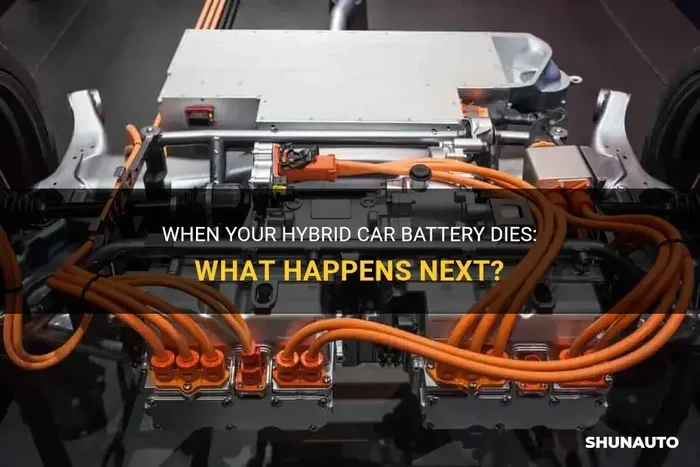
Can You Still Drive a Hybrid Car If the Battery Dies
Yes, you can still drive a hybrid car if the battery dies, but only on gasoline power in most cases. Hybrid vehicles are designed with a backup gasoline engine that takes over when the hybrid car battery fails. However, driving this way limits your fuel economy and may cause damage if you ignore warning signs.
Have you ever been driving your hybrid vehicle and suddenly seen a scary warning light on the dashboard? Maybe the battery icon started flashing, or your car switched into a strange limp mode. Your first thought might be, “Can I still drive this thing?” The short answer is yes. But the full story is more important, and it could save you from a costly repair bill.
Hybrid cars are smart machines. They use two power sources: a gasoline engine and an electric motor powered by a high-voltage battery. When the battery starts to fail, the car does not just shut down on you. It shifts to gasoline power and keeps running. But there are trade-offs you need to know about. In this article, we will walk through everything you need to understand about driving a hybrid with a dead battery.
Key Takeaways
- Hybrid cars can run on gas alone: Most hybrids switch to gasoline power when the battery dies, letting you reach a repair shop.
- Performance drops significantly: Without the electric motor, you lose acceleration boost and fuel efficiency.
- Warning signs appear early: Dashboard lights, reduced power, and strange noises tell you the battery is failing before it dies completely.
- Battery replacement costs vary: A new hybrid battery can cost anywhere from $1,000 to $6,000 depending on the vehicle model.
- Preventive maintenance helps: Regular hybrid car maintenance like checking coolant levels and driving habits can extend battery life.
- Not all hybrids are the same: Mild hybrids, full hybrids, and plug-in hybrids behave differently when the battery fails.
- Jump-starting may help temporarily: In some cases, jump-starting a hybrid car can restore enough power to reach a service center.
📑 Table of Contents
- How Does a Hybrid Car Work?
- What Happens When the Hybrid Battery Dies?
- Can You Still Drive a Hybrid Car If the Battery Dies?
- Warning Signs That Your Hybrid Battery Is Failing
- How Much Does It Cost to Replace a Hybrid Battery?
- What Should You Do If Your Hybrid Battery Dies?
- How to Extend Your Hybrid Battery Life
- Common Mistakes People Make With a Dead Hybrid Battery
- The Bottom Line
How Does a Hybrid Car Work?
Before we dive into what happens when the battery dies, it helps to understand how a hybrid powertrain works in the first place. Most people think hybrids are complicated, but the basic idea is simple.
A hybrid vehicle combines a traditional gasoline engine with one or more electric motors. The high-voltage battery, also called the traction battery, stores energy to power the electric motor. This battery is different from your car’s regular 12-volt battery. It operates at several hundred volts and is much larger.
Here is how the system works during normal driving:
- The gasoline engine provides the main power at highway speeds.
- The electric motor assists during acceleration and low-speed driving.
- Regenerative braking captures energy when you slow down and sends it back to the battery.
- The car automatically switches between gas and electric power to maximize fuel economy.
This teamwork between the gas engine and electric motor is what makes hybrids so efficient. When one part fails, the other tries to pick up the slack. But that comes with limits.
What Happens When the Hybrid Battery Dies?
So what actually occurs when your hybrid car battery stops working? The answer depends on the type of hybrid you own and how the battery fails. Let us break it down by scenario.
Full Hybrids
Full hybrids, like the Toyota Prius, can run on gasoline alone if the battery dies completely. The car will still start and drive. However, you will notice a big drop in performance. The gasoline engine has to do all the work without any help from the electric motor. This means slower acceleration and lower fuel economy.
Most full hybrids will also trigger warning lights on the dashboard. You might see a “Check Hybrid System” message or a red battery light. These are your cues to pull over safely and get help.
Mild Hybrids
Mild hybrids use the electric motor only as a helper. They cannot drive on electric power alone. So when a mild hybrid battery dies, the impact is different. The gasoline engine still runs, but you lose the electric boost during acceleration. The car may also enter a reduced power mode to protect the engine.
Mild hybrid systems are simpler, so a dead battery often causes fewer problems than in a full hybrid. But the loss of that boost can make highway merging and hill climbing feel sluggish.
Plug-In Hybrids
Plug-in hybrids have larger batteries that you charge from an outlet. If the battery dies in a plug-in hybrid, the situation is similar to a full hybrid. The car switches to gas power and keeps running. But because plug-in hybrids rely more heavily on electric power for short trips, you will notice a bigger drop in efficiency.
Many plug-in hybrids also lose features like electric-only driving at low speeds. This means no more silent, zero-emission cruising around your neighborhood.
Can You Still Drive a Hybrid Car If the Battery Dies?
The direct answer to this question is yes. A hybrid car is designed to be driven on gasoline alone. The system is built with a failsafe that keeps the vehicle running even when the electric portion fails. But “can you” and “should you” are two very different things.
When the battery dies, the car will typically go into a limp mode. This is a protective feature. Limp mode limits your speed and power to prevent further damage to the engine or transmission. You might find yourself stuck going 40 or 50 miles per hour on the highway. Not ideal, but enough to get to a shop.
Here are some things to expect when driving a hybrid with a dead battery:
- Reduced acceleration: The car feels slow and unresponsive.
- Lower gas mileage: Without the electric motor assisting, the gas engine works harder and burns more fuel.
- Warning lights on the dashboard: Multiple lights may appear, including the check engine light and hybrid system warning.
- Strange noises: You might hear the gasoline engine working harder than usual, or clicking sounds from the hybrid system.
- No regenerative braking: Without the electric motor, you lose the energy recovery system that recharges the battery while braking.
If you find yourself in this situation, the best move is to drive calmly to the nearest service center. Avoid hard acceleration and keep your speed moderate. This reduces strain on the gasoline engine and helps you get there safely.
Some owners wonder if they can charge a hybrid car at home to fix the problem. While that works for plug-in hybrids with a living battery, it will not help if the battery is completely dead or damaged. The battery needs professional inspection or replacement.
Warning Signs That Your Hybrid Battery Is Failing
The good news is that hybrid batteries rarely die without warning. Your car gives you plenty of clues before a complete failure. Catching these signs early can save you from being stranded.
Dashboard Warning Lights
The first sign is usually a light on the dashboard. Most hybrids have a dedicated hybrid system warning light. If this light comes on, do not ignore it. It means the car’s computer has detected a problem with the hybrid system. In some models, you will also see a “Check Engine” light alongside the hybrid warning.
Reduced Fuel Economy
Hybrids are famous for their fuel efficiency. So if you notice your gas mileage dropping significantly, the battery might be the culprit. When the electric motor cannot assist properly, the gasoline engine compensates by burning more fuel. A sudden change in your fuel economy is one of the earliest and most common signs of battery degradation.
Unusual Noises
Listen to your car. A healthy hybrid is relatively quiet when the electric motor is running. If you start hearing loud engine noise during low-speed driving or when you stop at lights, the electric motor may not be kicking in. This could mean the battery is too weak to support electric operation.
Battery State of Charge Fluctuates
Some hybrids display the battery charge level on the dashboard or infotainment screen. If you notice the charge bouncing around erratically or staying unusually low, the battery cells may be failing. A healthy hybrid battery maintains a consistent charge range during normal driving.
Car Refuses to Start
In severe cases, a dead hybrid battery can prevent the car from starting altogether. If you turn the key or press the start button and nothing happens, the battery might be completely depleted. This is more common in older hybrids or those with neglected maintenance.
How Much Does It Cost to Replace a Hybrid Battery?
Hybrid battery replacement is not cheap, but the cost varies widely depending on several factors. Understanding what drives the price can help you make informed decisions.
Factors That Affect Replacement Cost
Several things determine how much you will pay for a new hybrid battery:
- Vehicle make and model: Luxury hybrids cost more to repair than economy models. A Toyota Prius battery is cheaper than a luxury brand battery.
- Battery type: Nickel-metal hydride (NiMH) batteries are older and sometimes cheaper. Lithium-ion batteries are newer and more expensive but last longer.
- New vs. refurbished: A refurbished hybrid battery can cost 30 to 50 percent less than a brand-new one. Many shops offer quality refurbished options with warranties.
- Labor costs: Hybrid battery replacement requires specialized tools and trained technicians. Labor can add $500 to $1,500 to the total cost.
Average Cost Ranges
Here is a rough breakdown of what you might expect to pay:
- Economy hybrids: $1,000 to $3,000 for a new battery, including labor.
- Mid-range hybrids: $2,000 to $4,500 for replacement.
- Luxury or performance hybrids: $4,000 to $6,000 or more.
Keep in mind that these are estimates. Your actual cost will depend on your location, the shop you choose, and the specific condition of your vehicle. Always get a detailed quote before committing to a replacement.
Can You Replace Just One Battery Module?
Some hybrid batteries are made up of individual modules. If only one or two modules fail, you might be able to replace just those instead of the entire pack. This can save you hundreds or even thousands of dollars. Ask your mechanic if module-level replacement is an option for your vehicle.
What Should You Do If Your Hybrid Battery Dies?
If your hybrid battery dies while you are driving, stay calm. Here is a step-by-step plan to follow.
- Pull over safely: Turn on your hazard lights and move to the right shoulder or a safe parking area.
- Check the dashboard: Note which warning lights are on. Take a photo with your phone if possible. This information helps mechanics diagnose the problem faster.
- Try to drive to a safe location: If the car is still running, drive slowly to a nearby repair shop or a safe parking spot.
- Call for roadside assistance if needed: If the car will not drive or goes into full limp mode, call a tow truck. Do not push the car or try to tow it yourself without proper equipment.
- Contact a hybrid-specialist mechanic: Regular auto shops may not have the tools or expertise for hybrid systems. Look for a shop that specializes in hybrid repair.
- Consider your options: Decide between battery replacement, refurbishment, or selling the car if repair costs are too high.
Some owners ask if they can simply run the hybrid without gas to save fuel while the battery is dead. This does not work in reverse, though. You cannot run a hybrid on electric power alone if the battery is dead. The gasoline engine is your only option until the battery is repaired or replaced.
Also, be careful about attempting to run your hybrid on gas only for extended periods. While the car allows it, doing so regularly puts extra wear on the gasoline engine and increases your fuel costs significantly. Use gas-only mode as a temporary solution to reach a repair shop, not as a long-term fix.
How to Extend Your Hybrid Battery Life
Prevention is always better than cure. You can take several steps to keep your hybrid car battery healthy and avoid the headache of a dead battery.
Follow the Manufacturer’s Maintenance Schedule
Every hybrid comes with a recommended maintenance schedule. This includes checking the battery coolant, inspecting the battery pack, and updating the car’s software. Following this schedule is the single best thing you can do to extend battery life.
Drive Gently
Harsh driving habits wear out hybrid batteries faster. Avoid rapid acceleration and hard braking when possible. Smooth, steady driving reduces stress on both the battery and the gasoline engine. Plus, it improves your overall fuel economy.
Keep the Battery Cool
Hybrid batteries hate extreme heat. Parking in the shade, using a sunshade, and avoiding long drives in extreme heat without breaks can help keep the battery temperature in a safe range. Some hybrid owners install aftermarket battery cooling systems for extra protection.
Avoid Deep Discharges
Just like your phone battery, a hybrid battery lasts longer when you avoid letting it drain completely. If your car gives you a low battery warning, try to recharge soon by driving gently or plugging in (for plug-in hybrids). Letting the battery sit at a very low charge for weeks can cause permanent damage.
Get Regular Hybrid System Checks
Even if nothing seems wrong, get your hybrid system checked annually. A mechanic can spot early signs of battery degradation and address them before they become major problems. This small investment can save you thousands of dollars in the long run.
Common Mistakes People Make With a Dead Hybrid Battery
When drivers discover their hybrid battery is dead, they often make mistakes that make things worse. Here are the most common ones to avoid.
- Ignoring warning lights: Many people see a hybrid warning light and keep driving for weeks. This can cause the gasoline engine to overwork and lead to additional damage.
- Trying to jump-start the high-voltage battery: The traction battery operates at very high voltage. Attempting to jump it yourself is dangerous and can cause serious injury. Always let a professional handle it.
- Driving aggressively on gas only: When the battery dies, some drivers push the gas engine hard out of frustration. This increases wear and can cause overheating.
- Delaying repairs: The longer you wait, the more strain you put on the gasoline engine. Get the car inspected as soon as possible.
- Buying the cheapest battery option: Bargain batteries may save money upfront but often fail faster. Invest in a quality replacement with a solid warranty.
Remember, a hybrid system is complex. Even if the car seems to run fine on gas alone, the underlying battery issue will not fix itself. It will only get worse over time.
The Bottom Line
So, can you drive a hybrid car if the battery dies? Yes, you can. The gasoline engine will keep the car moving, even if the electric motor cannot help. But driving on a dead battery is a temporary fix at best. You will deal with poor performance, worse fuel economy, and the risk of further damage to your vehicle.
The smartest thing to do is to address the battery problem as soon as possible. Get your hybrid inspected by a qualified technician, understand your replacement options, and make a plan that fits your budget. With proper care and attention, your hybrid can continue to serve you well for many more miles.
Do not let a dead hybrid battery leave you stranded or stressed. Now that you know what to expect and what to do, you are prepared to handle the situation calmly and effectively. Keep driving safely, and take care of your hybrid before small problems become big expenses.
Frequently Asked Questions
Can I still drive my hybrid car if the battery dies completely?
Yes, most hybrid cars can still be driven on gasoline power alone if the battery dies completely. The car will enter a limp mode that limits speed and power, but it will keep running. Drive calmly to a repair shop and avoid pushing the gasoline engine too hard.
How long can I drive a hybrid with a dead battery?
You can drive a hybrid on gas alone for as long as the gasoline engine keeps running. However, this is not a long-term solution. Extended driving without a working hybrid battery puts extra strain on the engine and reduces your fuel economy significantly. Plan to get the battery repaired or replaced soon.
Will a dead hybrid battery damage my car?
Driving with a dead hybrid battery for a short time is unlikely to cause major damage. But ignoring the problem for weeks or months can strain the gasoline engine and transmission. The longer you wait, the more expensive the repair could become.
Can I jump-start a hybrid car with a dead battery?
You can jump-start the 12-volt auxiliary battery in most hybrids, which may help the car start. However, jump-starting the high-voltage traction battery is dangerous and should only be done by a professional. If your hybrid won’t start, call a hybrid-specialist mechanic for help.
How do I know if my hybrid battery is dead or just low?
A low hybrid battery will show a charge warning and reduced electric assist. A dead battery will trigger multiple warning lights, significantly reduced power, and possibly a no-start condition. Have a mechanic run a hybrid system diagnostic to determine the exact state of your battery.
Is it worth replacing a hybrid battery or selling the car?
This depends on the car’s overall value and the replacement cost. If the battery costs $3,000 and the car is worth $10,000, replacement usually makes sense. But if repair costs exceed half the car’s value, you may want to consider selling or trading in the vehicle. Get a detailed quote first to make an informed decision.
=== CONCLUSION ===
Driving a hybrid car with a dead battery is possible, but it comes with clear limitations and risks. Your vehicle will switch to gasoline power and keep you moving, but you will lose the fuel efficiency and performance that make hybrids so appealing in the first place. Understanding what to expect and how to respond can make a stressful situation much more manageable.
Pay attention to the warning signs your car gives you. Dashboard lights, reduced fuel economy, and unusual noises are your early alerts. Address them quickly, and you can often avoid a complete battery failure. And if the battery does die, follow the steps outlined in this guide to stay safe and make the best repair decision for your situation.
Your hybrid car is a valuable investment. Treat it with care, keep up with hybrid car maintenance, and it will reward you with years of reliable, efficient driving. Do not let a dead battery turn into a bigger problem. Take action today and keep your hybrid running at its best.