Should I Charge My Hybrid Car Every Night Actually
Charging your hybrid car every night is not always necessary. Your charging routine depends on your hybrid car battery type, daily driving distance, and charging habits. Plugging in every night can help maximize electric range, but it may also lead to battery degradation over time. This guide breaks down everything you need to know about overnight charging and how it affects your fuel efficiency and battery health.
Many hybrid car owners wonder about the right way to charge their vehicle. The question “should I charge my hybrid car every night” comes up a lot in forums, dealerships, and online communities. The short answer is: it depends. Your hybrid car battery type, how far you drive each day, and your charging habits all play a role. Some drivers plug in every single night. Others go days without charging. Both approaches can work. But only one will keep your battery health and fuel efficiency at their best.
If you just bought a plug-in hybrid or are thinking about getting one, this guide is for you. We will walk through the science, the myths, and the real-world tips that actually matter. You will learn how overnight charging affects your car, when it makes sense, and when it does not. By the end, you will feel confident about your charging routine and how it fits your lifestyle.
Key Takeaways
- Not every hybrid needs nightly charging: Standard hybrids recharge themselves, while plug-in hybrids benefit from regular charging.
- Battery health matters: Frequent charging can reduce battery lifespan if you always charge to 100%.
- Your driving habits decide the answer: Short commutes need less charging than long daily drives.
- Regenerative braking helps: Hybrids recover energy while driving, reducing the need for constant plug-in charging.
- Charging costs are low: Overnight charging at home is one of the most affordable ways to power your hybrid.
- Follow the 20-80 rule: Keeping your charge between 20% and 80% promotes better battery longevity.
- Check your warranty: Many hybrid vehicle maintenance plans cover battery issues related to charging practices.
📑 Table of Contents
- What Happens When You Charge Your Hybrid Every Night
- Plug-In Hybrid vs Standard Hybrid: Charging Needs
- Pros and Cons of Nightly Charging
- How to Charge Your Hybrid the Right Way
- Common Mistakes Hybrid Owners Make
- Does Nightly Charging Affect Fuel Efficiency
- Expert Insights on Hybrid Charging Habits
- Key Takeaways
- Conclusion
What Happens When You Charge Your Hybrid Every Night
How Hybrid Batteries Work
Hybrid cars use two power sources. There is a traditional gas engine and an electric motor. The hybrid car battery sits between them. It stores energy from regenerative braking and, in plug-in models, from an external charger. When you drive, the battery powers the electric motor for short distances. The gas engine kicks in when you need more power or when the battery runs low.
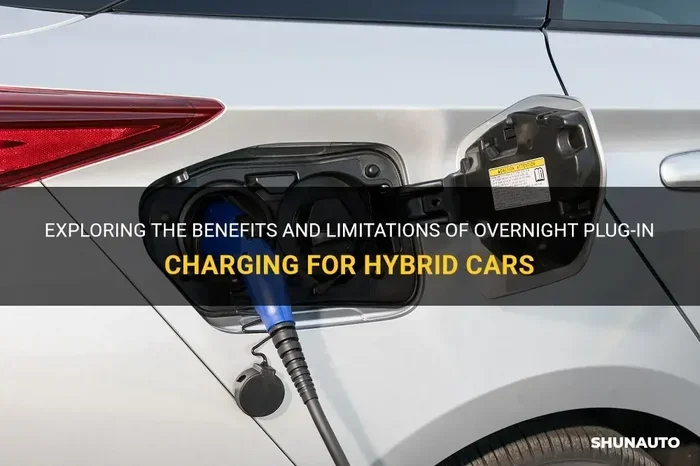
Standard hybrids do not plug in at all. They recharge their own batteries through driving. Plug-in hybrids, or PHEVs, have larger batteries. You charge them through a charging port at home or at a public station. Understanding this difference is the first step to answering whether you should charge every night.
The Charging Cycle Explained
Every time you plug in your car, you start a charge cycle. A full cycle counts when your battery goes from near empty to fully charged. Frequent shallow charges, like going from 40% to 80%, do not count as full cycles. This matters because battery degradation is linked to the number of full cycles your battery goes through over its lifetime.
When you charge every night, your car may go through many partial cycles. Over months and years, this adds up. Some battery management systems are smart enough to limit charging to 80% to protect the battery. Others are not. Knowing what your car does matters a lot.
Plug-In Hybrid vs Standard Hybrid: Charging Needs
Plug-In Hybrids Need Regular Charging
Plug-in hybrids are designed to be plugged in. They have a larger electric range, usually between 20 and 50 miles. If you drive less than that each day, you can run almost entirely on electric power. Charging every night ensures you start each morning with a full battery. This is ideal for daily driving routines like commuting to work or running local errands.
However, charging every night is not mandatory for plug-in hybrids. If you drive more than your electric range, the gas engine will take over. You will still get good fuel efficiency, but you will rely more on gasoline. The key is matching your charging habits to your driving patterns.
Standard Hybrids Recharge Themselves
Standard hybrids do not have a charging port. You never plug them in. The regenerative braking system and the gas engine handle all charging. For these vehicles, the question “should I charge my hybrid car every night” does not apply. There is nothing to plug in. These cars are perfect for people who want the benefits of hybrid technology without the charging routine.
Standard hybrids still use a small battery. But it is designed to stay at an optimal charge level at all times. The car manages this automatically. You do not need to think about it.
Pros and Cons of Nightly Charging
Benefits of Charging Every Night
There are clear advantages to making overnight charging part of your routine. Here are the main ones:
- Always start with a full battery: You wake up every morning ready to go. Your electric range is maximized for short trips.
- Lower fuel costs: Using electric power for most of your driving means you buy less gas. Charging costs are much lower than gas prices.
- Convenience: Plugging in when you get home is easy. You do not have to visit a charging station.
- Better fuel efficiency overall: A fully charged hybrid uses less gas and produces fewer emissions.
Drawbacks of Charging Every Night
Nightly charging is not perfect for every situation. Here are the downsides to consider:
- Battery wear over time: Keeping your battery at 100% every night can speed up battery degradation. Heat builds up during charging, which stresses the cells.
- Unnecessary charging: If your daily drive is short, you may not need a full battery every night. Charging when it is not needed wastes charge cycles.
- Electricity costs add up: While low, nightly charging does increase your home electricity bill slightly.
- Charging port dependency: You need reliable access to a home charger. Apartment or rental owners may not have this option.
How to Charge Your Hybrid the Right Way
Follow the 20-80 Rule
One of the best hybrid car tips experts recommend is the 20-80 rule. Charge your battery when it drops to 20%. Stop charging when it reaches 80%. This range keeps the battery healthy and reduces stress on the cells. Most battery management systems allow you to set a charging limit. Use this feature if your car has it.
The 20-80 rule is especially important if you charge every night. It prevents the battery from sitting at full charge for hours while you sleep. This simple habit can add years to your battery life.
Match Charging to Your Driving
Think about how far you drive each day. If your commute is 15 miles, you probably do not need a full charge every night. A partial charge might be enough. If you drive 40 miles daily, a full charge makes more sense. The goal is to have just enough charge for your next day. Nothing more, nothing less.
This approach reduces unnecessary charge cycles and keeps your hybrid car battery in good shape. It also saves electricity. Over a year, these small adjustments can make a noticeable difference in your charging cost and battery longevity.
Use the Right Charging Equipment
Not all chargers are the same. A Level 1 charger plugs into a standard wall outlet. It is slow but convenient. A Level 2 charger needs a dedicated circuit. It charges much faster and is ideal for overnight charging. Most hybrid owners benefit from a Level 2 home charger.
Make sure your charging port and cable are in good condition. Inspect them regularly for wear or damage. Using the manufacturer-recommended charger ensures safe and efficient hybrid vehicle maintenance.
Common Mistakes Hybrid Owners Make
Charging to 100% Every Time
Many owners plug in and let the car charge to 100% every night. This feels natural but is not ideal. Keeping a battery at full charge for long periods causes stress. It accelerates battery degradation. Setting a charging limit at 80% is a much better practice.
Letting the Battery Drain Completely
On the other end of the spectrum, some owners wait until the battery is nearly empty before charging. Deep discharges are also harmful. They strain the battery cells and reduce overall capacity. Try to plug in before the battery drops below 20%.
Ignoring the Battery Management System
Modern hybrids come with smart battery management systems. These systems monitor temperature, charge level, and usage patterns. Ignoring the settings or overrides means you miss out on optimizations. Take time to understand what your car’s system does and how to use it properly.
Does Nightly Charging Affect Fuel Efficiency
Yes, it does. When you charge your plug-in hybrid every night, you use more electric power and less gas. This improves your overall fuel efficiency numbers. You go more miles on electricity and fewer miles on gasoline. Over time, this adds up to real savings at the pump.
But there is a balance. If your electric range is 30 miles and you drive 10 miles a day, charging every night means you rarely use gas. That is great for efficiency. If you drive 50 miles a day, your gas engine will kick in regardless of charging frequency. In that case, nightly charging still helps, but the impact on fuel efficiency is smaller.
Standard hybrids work differently. Their fuel efficiency comes from the combination of the gas engine and electric motor. Charging habits do not apply since they do not plug in. Their regenerative braking system handles all the energy recovery needed.
Expert Insights on Hybrid Charging Habits
Automotive experts generally agree on a few key points about charging frequency. First, do not treat your hybrid battery like a phone battery. Phone batteries are small and designed for daily full cycles. Hybrid batteries are larger and engineered for partial cycles over many years.
Second, consistency matters more than frequency. A steady, moderate charging routine is better than random charging patterns. If you plug in every night, try to keep the charge level similar each time. Avoid wild swings between empty and full.
Third, check your battery warranty. Most hybrid manufacturers cover the battery for 8 to 10 years or 100,000 miles. Proper charging habits help you stay within warranty terms. If you damage the battery through poor charging practices, you might lose coverage.
Key Takeaways
- Not every hybrid needs nightly charging: Standard hybrids recharge themselves, while plug-in hybrids benefit from regular charging.
- Battery health matters: Frequent charging can reduce battery lifespan if you always charge to 100%.
- Your driving habits decide the answer: Short commutes need less charging than long daily drives.
- Regenerative braking helps: Hybrids recover energy while driving, reducing the need for constant plug-in charging.
- Charging costs are low: Overnight charging at home is one of the most affordable ways to power your hybrid.
- Follow the 20-80 rule: Keeping your charge between 20% and 80% promotes better battery longevity.
- Check your warranty: Many hybrid vehicle maintenance plans cover battery issues related to charging practices.
Conclusion
So, should you charge your hybrid car every night? The answer depends on your car type and your driving habits. If you own a plug-in hybrid and drive short distances daily, nightly charging makes a lot of sense. It keeps your electric range ready and reduces gas use. Just remember to use the 20-80 rule and set a charging limit to protect your battery health.
If you own a standard hybrid, there is no need to charge at all. Your car handles everything on its own. And if you drive long distances every day, nightly charging still helps but may not be enough to keep you in electric-only mode. Focus on consistent, moderate charging habits rather than extreme ones.
The best charging routine is the one that fits your life. Pay attention to your battery management system settings. Keep your charging port clean and your equipment in good shape. With the right approach, your hybrid battery will serve you well for many years. Smart charging habits today mean fewer hybrid vehicle maintenance costs tomorrow.
Take a few minutes to understand your specific model. Read the owner manual. Set your charging preferences. Small efforts now lead to big savings and better performance over the life of your car. Your hybrid is a smart investment. Treating its battery right is the best way to get the most out of it.
Frequently Asked Questions
Can charging my hybrid car every night damage the battery?
Charging every night does not automatically damage the battery. However, always charging to 100% can cause long-term wear. Use your battery management system settings to limit charges to 80%. This simple step protects your hybrid car battery and extends its lifespan significantly.
How long does it take to charge a plug-in hybrid overnight?
Most plug-in hybrids fully charge in 2 to 4 hours using a Level 2 charger. A Level 1 charger takes much longer, often 8 to 12 hours. Overnight charging with a Level 2 setup is convenient and ensures your car is ready every morning. Check your owner manual for your specific model’s charging time.
Is it cheaper to charge a hybrid every night or charge less often?
Charging every night is generally cheaper than filling up with gas. The charging cost for a full plug-in hybrid battery is usually just a few dollars. However, if you do not need a full charge every night, partial charges save even more electricity. Match your charging to your actual driving needs.
Do I need a home charger for my hybrid car?
A home charger makes overnight charging much easier and faster. You can use a standard outlet with a Level 1 charger, but it is slow. A Level 2 home charger is the better option for most hybrid owners. It cuts charging time in half and is worth the installation cost for daily drivers.
What is regenerative braking and how does it affect charging?
Regenerative braking captures energy when you slow down or brake. It sends that energy back to the hybrid car battery as electricity. This process recharges the battery while you drive. It means standard hybrids never need plugging in, and plug-in hybrids can extend their electric range between charges.
How can I tell if my charging habits are harming my battery?
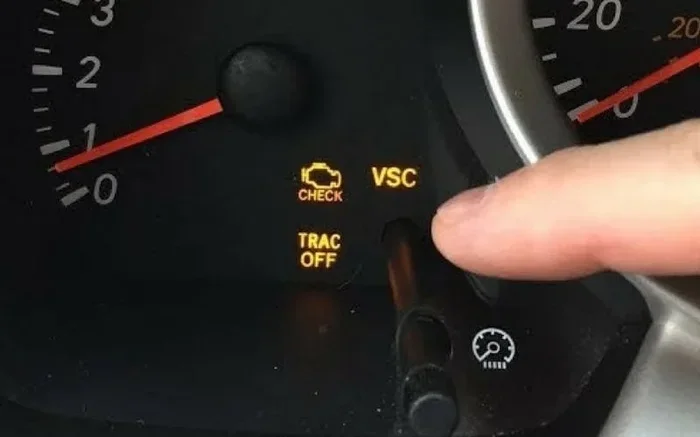
Signs of battery wear include reduced electric range, longer charging times, and warning lights on your dashboard. If you notice these issues, check your charging habits. Are you always charging to 100%? Are you letting the battery drain completely? Adjusting these patterns can often reverse early battery problems and improve battery health.