Can Spark Plugs Last 200000 Miles Here Is The Truth
Can spark plugs last 200000 miles? The short answer is maybe, but it depends heavily on the type of spark plugs you use and how well you maintain your engine. Long-life spark plugs like iridium and platinum can reach impressive mileage, but most standard copper plugs need replacement far sooner. This guide breaks down the real numbers, factors that affect spark plug life, and what you can do to get the most out of your ignition system.
You might have heard someone claim their car went 200,000 miles without touching the spark plugs. Maybe you read it in a forum. Maybe a friend bragged about it at the gas station. The idea sounds almost too good to be true. And honestly? It kind of is.
So can spark plugs last 200000 miles? The answer is more complicated than a simple yes or no. Different plug types, driving conditions, and engine health all play a role. Let us walk through the real facts so you know exactly what to expect from your ignition system.
Spark plugs are small but mighty. They create the electrical spark that ignites the air fuel mixture inside your combustion chambers. Without working plugs, your engine simply cannot run. And when they start to fail, you notice it fast. Rough idling, poor acceleration, and bad fuel economy are all telltale signs. Understanding how long these tiny components actually last can save you money and keep your car running smoothly.
Key Takeaways
- Spark plug lifespan varies widely: Copper plugs last around 30,000 miles while iridium plugs can reach 100,000+ miles under ideal conditions.
- 200,000 miles is possible but rare: Only high-quality long-life plugs in well-maintained engines have a chance at reaching this milestone.
- Driving habits matter a lot: Short trips, idling, and poor fuel quality can dramatically shorten spark plug life.
- Watch for warning signs: Misfires, rough idling, and decreased fuel economy signal it is time for replacement.
- Regular maintenance helps: Keeping your engine tuned and using the right fuel extends spark plug longevity significantly.
📑 Table of Contents
- Understanding Spark Plug Types and Their Lifespans
- Factors That Affect Spark Plug Longevity
- Can Spark Plugs Really Last 200000 Miles?
- Signs Your Spark Plugs Need Replacement
- How to Maximize Spark Plug Life
- Expert Insights on Long Life Spark Plugs
- Common Mistakes That Shorten Spark Plug Life
- Key Takeaways
- Conclusion
Understanding Spark Plug Types and Their Lifespans
The type of spark plug you install makes a huge difference in how long it will last. Not all plugs are created equal. Manufacturers design different plugs using various materials, and each material has its own durability profile. Here is a closer look at the main types you will find on the market today.
Copper Core Spark Plugs
Copper core spark plugs are the most basic and affordable option. They offer excellent conductivity because copper transfers electricity very efficiently. However, copper is a soft metal that wears down faster than other materials. Most copper plugs are rated for about 20,000 to 30,000 miles. They are common in older vehicles and high-performance engines that run hotter.
If your owner manual lists copper plugs, do not expect them to reach anywhere near 200,000 miles. They simply are not built for that kind of longevity. You will need to replace them regularly to keep your engine running at its best.
Platinum Spark Plugs
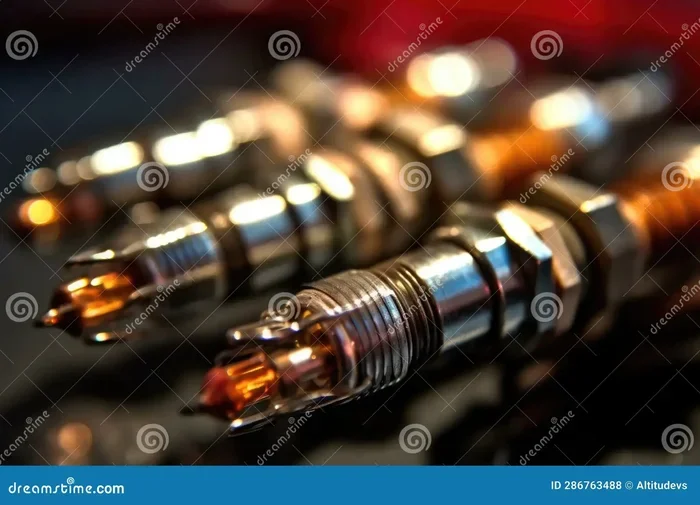
Platinum spark plugs use a small disc of platinum on the tip or the center electrode. Platinum is much harder than copper, which means it resists wear better. Single platinum plugs typically last around 60,000 miles. Double platinum plugs, which have platinum on both electrodes, can go even longer, sometimes reaching 100,000 miles.
While platinum plugs represent a big step up from copper, they still fall short of the 200,000 mile mark. They are a solid middle ground for drivers who want durability without spending too much.
Iridium Spark Plugs
Iridium spark plugs are the premium option. Iridium is one of the hardest metals on Earth, and it resists erosion incredibly well. Many iridium plugs are rated for 100,000 miles or more. Some manufacturers claim their iridium plugs can last up to 120,000 miles under ideal conditions.
These plugs cost more upfront, but they pay for themselves over time. Fewer replacements mean less labor and less hassle. However, even the best iridium plugs face challenges at the 200,000 mile mark. The electrode wears down gradually, and the spark becomes weaker over time.
Comparison Table: Spark Plug Types and Lifespan
- Copper Core: 20,000 to 30,000 miles. Affordable, great conductivity, frequent replacement needed.
- Single Platinum: 60,000 miles. Durable, consistent performance, moderate cost.
- Double Platinum: Up to 100,000 miles. Longer lasting, better for modern engines.
- Iridium: 100,000 to 120,000 miles. Longest lasting, premium price, excellent for high mileage vehicles.
As you can see, none of these standard options easily reach 200,000 miles. So how do some people claim they have done it? The answer lies in the factors that affect spark plug longevity.
Factors That Affect Spark Plug Longevity
Spark plugs do not exist in a vacuum. Many things influence how long they actually last. Some factors you can control, and others are simply part of owning a car. Let us explore the biggest influencers.
Driving Conditions
Your driving habits play a major role in spark plug wear. If you mostly drive short trips around town, your plugs may wear out faster. Short trips do not allow the engine to fully warm up, which leads to carbon buildup on the electrodes. This buildup creates a conductive layer that weakens the spark.
On the other hand, highway driving keeps your engine at a consistent temperature. The heat burns off deposits and keeps the electrodes cleaner. If you do most of your driving on the interstate, your spark plugs will likely last longer than someone who commutes in stop and go traffic.
Engine Maintenance
A well maintained engine helps spark plugs last longer. If your engine is out of tune, the plugs work harder. For example, if your ignition coils are failing, they send irregular voltage to the plugs, which accelerates wear. Similarly, if your fuel mixture is too rich or too lean, the combustion process becomes less efficient and puts extra stress on the electrodes.
Keeping up with regular maintenance like oil changes and air filter replacements also helps. Clean oil and proper airflow support complete combustion, which reduces the amount of carbon that deposits on your spark plugs.
Fuel Quality
The fuel you put in your tank matters more than you might think. Low quality fuel contains more impurities and additives that leave deposits inside the combustion chamber. Over time, these deposits coat the spark plug electrodes and interfere with spark delivery.
Using top tier gasoline from reputable stations can help minimize this problem. The detergent packages in top tier fuel keep injectors and combustion chambers cleaner, which indirectly protects your spark plugs. This is one easy step you can take to extend plug life.
Engine Temperature and Cooling System Health
Your engine operates within a specific temperature range, and the cooling system keeps it there. If your cooling system is not working properly, the engine can run hot. Excessive heat accelerates electrode erosion and can cause pre ignition, which damages plugs faster.
On the flip side, an engine that runs too cool will also cause problems. Incomplete combustion leads to fouling, where the spark plug tip gets coated in fuel and oil residue. Either extreme temperature scenario shortens plug life significantly.
One thing to watch for is your antifreeze level. Low antifreeze can cause overheating, which puts extra stress on all engine components including spark plugs. Keeping your cooling system in good shape is essential for maximizing plug longevity.
Can Spark Plugs Really Last 200000 Miles?
Now let us address the big question directly. Is it physically possible for spark plugs to last 200,000 miles? Technically, yes. Under perfect conditions, a high quality iridium plug in a well maintained engine could potentially reach that mileage. But the word “potentially” is doing a lot of heavy lifting in that sentence.
In the real world, 200,000 miles on a single set of spark plugs is extremely rare. Here is why. Even the most durable electrodes slowly erode with each firing event. A typical spark plug fires thousands of times per minute while you drive. Over 200,000 miles, that adds up to millions of firings. The electrode gap widens with each spark, and eventually the spark becomes too weak to ignite the fuel mixture reliably.
Some manufacturers design engines to run with extended plug intervals. Certain European vehicles recommend iridium plug replacement at 100,000 miles or more. But even these manufacturers do not suggest going 200,000 miles without checking the plugs. The gap may still be within specification, but the risk of a sudden failure increases dramatically at that point.
There are also stories of people who have pushed their plugs beyond the recommended interval and made it work. But these are exceptions, not the rule. Relying on luck with your ignition system is a risky bet. A failed spark plug at highway speed can cause engine damage or leave you stranded on the side of the road.
The Role of Ignition System Components
Spark plugs do not work alone. They are part of a larger ignition system that includes ignition coils, the engine control module, and wiring. When any of these components start to fail, it puts extra strain on the spark plugs. For example, a weak ignition coil might not provide enough voltage to create a clean spark, which causes the plug to work harder and wear faster.
Similarly, the engine control module manages fuel delivery and timing. If the ECM is not functioning properly, the spark plugs receive the wrong amount of fuel and air mixture, which affects combustion efficiency. Keeping your entire ignition system in good shape gives your spark plugs the best chance at reaching a long life.
Signs Your Spark Plugs Need Replacement
Knowing when to replace your spark plugs is just as important as understanding how long they last. Waiting too long can damage other engine components, and replacing them too early wastes money. Here are the key signs that your plugs are wearing out.
Engine Misfires
A misfire is the most obvious sign of failing spark plugs. You will feel a rough spot in the engine, especially during acceleration. Sometimes the misfire is subtle, and you might only notice it at idle. Other times it is dramatic enough to make the car shake violently.
Misfires happen when the spark plug cannot create a strong enough spark to ignite the fuel in one or more cylinders. Unburned fuel enters the exhaust system, which can damage the catalytic converter over time. If you notice a misfire, get your plugs checked right away.
Rough or Uneven Idling
When your engine idles roughly, it often means the spark plugs are not firing consistently. A healthy engine should run smooth and steady at idle. If you feel vibrations through the steering wheel or seat, the plugs could be the culprit.
Decreased Fuel Economy
Worn spark plugs reduce combustion efficiency. When the fuel air mixture does not ignite completely, your engine uses more fuel to produce the same power. You might notice you are filling up more often, even though your driving habits have not changed.
Difficulty Starting the Car
Old spark plugs struggle to produce a strong spark, especially when the engine is cold. If your car takes longer to start than usual, particularly in the morning, it could be a sign that your plugs are nearing the end of their life.
Lack of Acceleration
If your car feels sluggish when you press the gas pedal, worn spark plugs might be to blame. The weak spark means incomplete combustion, which reduces the power your engine can produce. You might notice this most when merging onto the highway or climbing hills.
Check Engine Light
A glowing check engine light can indicate spark plug problems among other issues. Modern vehicles have sensors that detect misfires and flag them immediately. If the light comes on, do not ignore it. Getting a free diagnostic scan at an auto parts store can help you pinpoint the problem quickly.
How to Maximize Spark Plug Life
While you might not hit 200,000 miles on a single set of plugs, you can definitely extend their life with proper care. Here are practical tips to get the most mileage out of your spark plugs.
- Follow the manufacturer’s replacement interval. Your owner manual provides the recommended schedule for a reason. Sticking to it keeps your engine running at peak performance.
- Use the correct spark plug type. Always install plugs that match your engine specifications. Using the wrong plug can cause poor performance and premature wear.
- Keep your engine properly tuned. Regular tune ups ensure the ignition system works efficiently. This reduces unnecessary stress on the spark plugs.
- Use quality fuel. Top tier gasoline helps keep the combustion chamber clean, which reduces carbon deposits on the plugs.
- Check the spark plug gap regularly. The gap between the electrodes needs to be precise for optimal spark delivery. A gap that is too wide or too narrow hurts performance.
- Address engine problems promptly. If you notice rough running or poor fuel economy, get it checked early. Small problems become big problems if you ignore them.
- Avoid prolonged idling. Idling for long periods causes carbon buildup on the electrodes. If you need to warm up the car, drive it gently rather than letting it sit.
Another important tip is to inspect your spark plugs during routine maintenance. You can learn a lot about your engine health just by looking at the plug tips. A clean tan colored electrode indicates normal operation. Black sooty deposits suggest a rich fuel mixture. White or blistered electrodes point to overheating. These visual clues help you catch problems early before they damage other components.
If you are unsure about what you are seeing, a mechanic can help. Many shops offer affordable diagnostic services, and some even provide free inspections. You do not need to be a mechanic yourself to keep your spark plugs in good shape. Just stay attentive and proactive.
Expert Insights on Long Life Spark Plugs
Automotive experts generally agree that 200,000 miles on a single set of spark plugs is pushing the limits. Most mechanics recommend replacing plugs well before they reach that mileage to avoid unexpected breakdowns. The cost of a full set of spark plugs is relatively low compared to the cost of towing or engine repairs caused by a failed plug.
Some specialists point out that modern engines with direct fuel injection place more stress on spark plugs than older designs. The fuel is sprayed directly into the combustion chamber, which can cause carbon buildup on the plug tip more quickly. If you drive a direct injection vehicle, you might need to check your plugs more frequently than the standard interval suggests.
Another expert perspective is that spark plugs are inexpensive insurance for your engine. Replacing them on schedule prevents the chain reaction of problems that can follow a failed plug. A misfiring plug can wash oil off cylinder walls, foul the catalytic converter, and even damage the ignition coils. The small cost of replacement is nothing compared to these potential repairs.
Some enthusiasts do push their plugs beyond the recommended interval and report success. However, these are usually people who closely monitor their plugs and replace them at the first sign of trouble. They are not ignoring warning signs. They are simply comfortable with the small risk involved, and they inspect their plugs regularly.
Common Mistakes That Shorten Spark Plug Life
There are several things car owners do unknowingly that reduce spark plug longevity. Avoiding these mistakes can help your plugs last as long as possible.
- Using the wrong spark plug gap: An incorrect gap causes weak sparks and uneven wear. Always check the gap against the factory specification before installing new plugs.
- Ignoring oil leaks: Oil that leaks into the combustion chamber fouls spark plugs quickly. If you notice oil around the plug wells, address the leak immediately.
- Over tightening the plugs: Spark plugs should be torqued to the manufacturer specification. Over tightening can damage the threads in the cylinder head, which is an expensive repair.
- Neglecting the ignition coils: Failing coils send bad voltage to the plugs, causing premature wear. Replace coils when they start to fail.
- Using cheap fuel: Low quality fuel leaves more deposits in the combustion chamber, which coat the spark plug electrodes and reduce their effectiveness.
- Skipping regular inspections: Even if your plugs seem fine, periodic inspection helps catch problems early before they cause damage to other engine components.
One mistake that surprises many people is assuming that all spark plugs are the same. They are not. Different engines require different plugs, and using the wrong type can cause all sorts of problems. Always check your owner manual or consult a trusted mechanic before purchasing replacement plugs.
Another common error is waiting until the engine starts running poorly before replacing the plugs. By that point, the worn plugs may have already caused damage elsewhere in the engine. Proactive replacement is always cheaper and safer than reactive repair.
Key Takeaways
- Spark plug lifespan depends on plug type: Copper plugs last 20,000 to 30,000 miles, platinum plugs reach 60,000 to 100,000 miles, and iridium plugs can go 100,000 to 120,000 miles.
- 200,000 miles is technically possible but extremely rare: Only under perfect conditions with premium iridium plugs in a meticulously maintained engine might you approach this milestone.
- Driving habits heavily influence plug life: Short trips, stop and go traffic, and poor fuel quality all shorten spark plug longevity.
- Watch for warning signs like misfires, rough idling, and poor fuel economy: These indicate it is time for replacement.
- Regular engine maintenance extends plug life: Keeping your ignition system, cooling system, and fuel system in good shape helps your spark plugs last longer.
- Replacing plugs on schedule is cheaper than repairing damage from failed plugs: Do not wait until problems appear.
Conclusion
So can spark plugs last 200000 miles? The honest answer is that it is possible under very specific conditions, but it is not something you should count on. Most spark plugs need replacement long before that mileage, and following the manufacturer recommended interval is the smartest approach for the vast majority of drivers.
The truth is that spark plugs are relatively inexpensive parts that play an enormous role in engine performance. Replacing them on time keeps your car running smoothly, improves fuel economy, and prevents costly damage to other components. The small investment in new spark plugs pays for itself many times over in reliability and peace of mind.
If you are curious about the condition of your current spark plugs, pull them out and take a look. You can learn a lot from a simple inspection. And if you are unsure whether it is time for a change, a quick visit to a mechanic or a free diagnostic check can give you clarity. Staying ahead of maintenance is always better than reacting to problems after they start.
Take care of your spark plugs, and they will take care of your engine. That is the real truth behind spark plug longevity.
Frequently Asked Questions
What is the average lifespan of a spark plug?
The average lifespan depends on the plug type. Copper plugs last around 20,000 to 30,000 miles, platinum plugs reach 60,000 to 100,000 miles, and iridium plugs can go 100,000 to 120,000 miles. Always check your owner manual for the specific recommendation for your vehicle.
Can I use 5W20 instead of 0W20 oil in my car?
Using the wrong oil viscosity can affect engine performance and potentially impact spark plug life. Always use the oil weight recommended by your manufacturer. You can find more details about oil viscosity in our guide on using 5W20 instead of 0W20.
How do I know if my spark plugs are fouled?
Fouled spark plugs often show black sooty or wet deposits on the electrode. You might also notice rough idling, misfires, or difficulty starting. A visual inspection of the plugs can reveal a lot about your engine health.
Does low antifreeze affect spark plugs?
Low antifreeze can cause the engine to overheat, which accelerates electrode wear on spark plugs. Maintaining proper coolant levels is important for overall engine health. Learn more about how low antifreeze causes overheating in our detailed article on the topic.
How often should I inspect my spark plugs?
A good rule of thumb is to inspect your spark plugs every 30,000 miles or during routine maintenance. Even if your plugs are rated for longer intervals, regular inspections help you catch early signs of wear before they cause bigger problems.
Can a free diagnostic check reveal spark plug problems?
Yes, many auto parts stores offer free diagnostic scans that can detect misfires and other ignition issues related to spark plugs. This is a great way to get early warning signs without spending money on repairs. You can learn more about getting a free diagnostic for your car on our website.
=== CAN YOU DRIVE A CAR WITHOUT A MUFFLER ===
While spark plugs are essential for combustion, other exhaust components like the muffler also play a critical role in engine performance. If you are wondering about driving without certain parts, check out our article on whether you can drive a car without a muffler.
=== CAN LOW ANTIFREEZE CAUSE OVERHEATING ===
Remember that engine temperature directly affects spark plug health. Low antifreeze levels can lead to overheating, which damages not only your spark plugs but your entire engine. Our article on low antifreeze causing overheating covers this topic in detail.
=== CAN YOU GET A FREE DIAGNOSTIC FOR YOUR CAR ===
If you suspect your spark plugs are failing, getting a diagnostic check is a smart first step. Many shops offer free diagnostics that can identify ignition problems quickly. Learn more about how to get a free diagnostic for your car in our helpful guide.
=== CAN YOU DRIVE A CAR WITH A BLOWN HEAD GASKET ===
Engine problems like a blown head gasket can cause symptoms similar to bad spark plugs, including rough running and misfires. Understanding the difference between ignition issues and gasket problems is important for proper diagnosis. Read more about driving with a blown head gasket in our comprehensive article.