Can I Drive My Car If the Starter Is Bad Full Guide
Driving with a bad starter is risky and often not possible. A failing starter motor can leave you stranded, damage your engine, and create unsafe driving conditions. This guide explains the symptoms of a bad starter, whether you can still drive your car, and the best steps to take for repair or replacement.
This is a comprehensive guide about Can I Drive My Car If the Starter Is Bad?.
Key Takeaways
- You generally cannot drive your car if the starter is bad: the starter is what cranks your engine, and without it, your car won’t turn over.
- Warning signs include clicking sounds, grinding noises, and intermittent starting: catching these early can save you from a roadside breakdown.
- Intermittent starter failure is deceptive: your car might start sometimes and fail other times, which can be dangerous.
- A bad starter can strain your battery and alternator: ignoring the problem can lead to bigger, more expensive repairs.
- Professional diagnosis is the safest route: a mechanic can confirm whether your starter is the real issue or if something else is causing your car not to start.
- Replacement costs range from $200 to $600: DIY repair is possible for some models, but professional help is recommended for most drivers.
[FEATURED_IMAGE_PLACEHOLDER]
Can I Drive My Car If the Starter Is Bad Full Guide
You turn the key or press the push button, and nothing happens. No cranking. No engine roar. Just silence. Your heart sinks, and the first question that pops into your head is simple: can I drive my car if the starter is bad? It’s a frustrating moment, especially when you’re in a hurry or stuck somewhere you need to be.
The short answer is no, you cannot drive your car if the starter motor is completely dead. The starter is the component that cranks your engine and gets it running. Without a working starter, your engine simply won’t turn over, and your car stays put. But the full story is more nuanced than that. Sometimes a bad starter works intermittently, which can make things confusing and even more dangerous.
In this guide, we’ll walk through everything you need to know about a failing starter motor. We’ll cover the symptoms to watch for, whether you can still drive in certain situations, what happens if you try, and how to fix the problem without spending a fortune. Whether you’re dealing with a clicking noise when you turn the key or your car completely refuses to start, this article has you covered.
Let’s dive in and take the mystery out of starter problems so you can make smart decisions about your vehicle.
What Does the Starter Motor Do?
Before we talk about driving with a bad starter, it helps to understand what the starter actually does. Think of the starter motor as the engine’s best friend. When you turn your key or push the start button, the starter kicks into action. It spins the engine’s flywheel, which gets the pistons moving and the combustion cycle going.
Once the engine starts running on its own, the starter backs off and lets the engine do its thing. It’s a simple but essential process. Without the starter, your car is just a heavy piece of metal sitting in your driveway.
The Starter and Ignition System
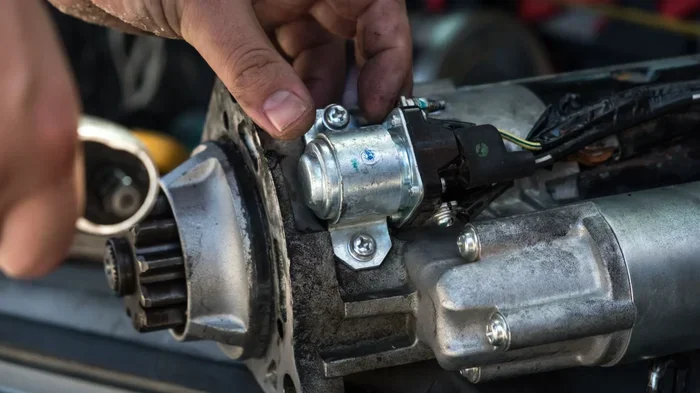
The starter works hand in hand with your car’s ignition system. When you turn the key to the “on” position, electrical current flows from your battery to the starter solenoid. The solenoid then pushes the starter gear into contact with the flywheel. The motor spins, the engine cranks, and voil, your car is alive.
Several components need to work perfectly for this to happen:
- The battery must have enough charge to send power to the starter.
- The starter solenoid must engage properly.
- The starter motor itself must spin at the right speed.
- The flywheel and starter gear must mesh without damage.
If any one of these parts fails, your car won’t start. And that brings us to the big question: can you still drive?
Can You Drive If the Starter Is Bad?
This is the question most drivers want answered, and the answer depends on how bad the starter really is. Let’s break it down by different scenarios.
Complete Starter Failure
If your starter has completely died, you cannot drive your car. Period. When you turn the key or press the button, you’ll hear nothing, or maybe a single click. The engine won’t crank, and the car won’t start. In this situation, you’re stuck. You’ll need a jump start, a push start (if it’s a manual transmission), or a tow to a repair shop.
Some people wonder if they can just push-start the car. For manual transmission vehicles, this is possible in an emergency. But for automatic cars, there’s no workaround. You’ll need professional help or a jump start from another vehicle or a portable jump starter.
Intermittent Starter Failure
Here’s where things get tricky. A bad starter doesn’t always fail completely. Sometimes it works fine in the morning but refuses to cooperate in the afternoon. Or it starts fine when the engine is cold but struggles when it’s warm. This intermittent behavior can be confusing and even dangerous.
Imagine you’re on the highway, and your starter fails mid-trip. You pull over, but now you’re stuck on the side of the road. Intermittent starter problems are unpredictable, which is what makes them so stressful. If you notice your car starting inconsistently, don’t ignore it. Get it checked before it leaves you stranded.
Partial Starter Failure
A partially failing starter might still crank the engine, but slowly or with a grinding noise. In this case, you might be able to start the car and drive it short distances. But here’s the catch: a weak starter puts extra strain on your battery and alternator. Over time, this can cause those parts to fail too, turning a simple starter repair into a much bigger and more expensive job.
Common Symptoms of a Bad Starter
Knowing the signs of a bad starter can help you catch the problem early. The earlier you spot the issue, the easier and cheaper the fix will be. Here are the most common symptoms drivers report.
Clicking Sound When Turning the Key
A single loud click or rapid clicking when you turn the key is one of the most telltale signs of a bad starter. The click usually means the starter solenoid is trying to engage but the motor isn’t spinning. This could be caused by a worn starter, a dead battery, or a faulty solenoid.
If you hear this sound, don’t keep trying to start the car. Repeated attempts can drain your battery even further and potentially damage the starter gear.
Grinding Noise During Startup
A grinding or whining noise when you turn the key suggests the starter gear isn’t meshing properly with the flywheel. This can happen when the starter motor wears down over time. Ignoring a grinding noise can lead to damage to the flywheel, which is a much more expensive repair.
Starter Spins But Engine Doesn’t Crank
Sometimes the starter motor spins freely, but the engine doesn’t turn over. This usually means the starter gear has stripped or broken. The motor is working, but it’s not connected to the engine anymore. This is a clear sign you need a starter replacement soon.
Dashboard Lights Come On but Engine Won’t Start
If your dashboard lights turn on normally but the engine won’t crank, the starter is a likely culprit. Your battery has power (since the lights work), but the starter isn’t using that power to turn the engine. This is a classic symptom of a bad starter motor.
Burning Smell or Smoke
In severe cases, a bad starter can overheat and produce a burning smell or even smoke. This happens when the starter motor draws too much current or gets stuck in the engaged position. If you notice smoke under the hood, stop immediately and call for help. Continuing to try to start the car in this situation can cause serious damage.
What Happens If You Try to Drive with a Bad Starter?
You might be tempted to keep trying to start your car and hope it works. But driving with a bad starter, or even trying to, can lead to several problems.
Battery Drain
Every time you turn the key and the starter doesn’t engage properly, it pulls power from your battery. A healthy battery can handle a few attempts, but repeated tries can drain it completely. Now you’re dealing with two problems instead of one: a bad starter and a dead battery.
Starter Gear and Flywheel Damage
A worn or broken starter gear can damage the flywheel if you keep trying to start the car. The flywheel is a large, expensive component attached to the engine’s crankshaft. Replacing a flywheel costs significantly more than replacing a starter motor. What starts as a small problem can quickly become a major repair bill.
Being Stranded
The most immediate risk of driving with a bad starter is getting stranded. If your car won’t start, you can’t drive it to work, to the store, or home safely. You might need a tow truck, which costs money and time. Being proactive about starter issues saves you from this headache.
And if you’re wondering about other car problems that can leave you stranded, check out our article on can I drive my car after it overheats for important safety information.
How to Diagnose a Bad Starter
If you suspect your starter is going bad, there are a few things you can check before heading to the mechanic. Some basic diagnostics can save you time and money.
Check the Battery First
Before blaming the starter, make sure your battery isn’t the problem. A weak battery can mimic starter symptoms. Use a multimeter to check the voltage. A fully charged battery should read around 12.6 volts. If it’s below 12 volts, charge the battery first and try starting again.
Listen Carefully
Turn the key and listen carefully to what your car is telling you. A single click usually points to the starter solenoid. A rapid clicking often means a weak battery. A grinding noise suggests worn starter gears. Each sound tells a different story, and a good mechanic can interpret these clues quickly.
Tap the Starter Gently
This old trick actually works sometimes. If your starter is intermittent, a light tap with a wrench or hammer while someone turns the key can temporarily free a stuck starter motor. This is not a permanent fix, but it can get you to a repair shop.
Get a Free Diagnostic
Many auto parts stores offer free diagnostics. They can check your starter, battery, and alternator with professional-grade equipment. This is a great first step before committing to a repair. You can also read our guide on getting a free diagnostic for your car to learn more about what to expect.
How Much Does Starter Repair or Replacement Cost?
The cost of fixing a bad starter depends on your vehicle, the type of starter, and whether you DIY or hire a professional.
Starter Motor Replacement Cost
On average, a starter motor replacement costs between $200 and $600. The part itself usually runs $100 to $400, and labor adds another $50 to $200. Some vehicles have starters that are harder to access, which drives up the labor cost. Luxury cars and trucks tend to cost more than economy vehicles.
DIY vs Professional Repair
If you’re handy with tools, replacing a starter motor yourself can save you the labor cost. Many starters are accessible from under the vehicle and can be swapped out in an hour or two. However, if you’re not comfortable working under your car, paying a mechanic is the safer choice.
Keep in mind that starter problems aren’t always about the starter itself. Sometimes the issue is a bad solenoid, corroded wiring, or a faulty ignition switch. A good mechanic will diagnose the root cause before replacing parts.
Preventing Starter Problems
The best way to deal with a bad starter is to prevent one from developing in the first place. Regular maintenance goes a long way toward keeping your starter motor healthy.
- Keep your battery clean and charged: corrosion on battery terminals can interfere with the electrical connection to the starter.
- Turn off all accessories before starting: headlights, AC, and the radio draw power that the starter needs to work properly.
- Don’t hold the key in the start position too long: holding the key for more than a few seconds can overheat the starter motor.
- Address warning signs early: if your car is slow to crank or makes unusual noises, don’t wait. Get it checked before the starter fails completely.
Also, if you’ve been dealing with starting issues and your car is older, consider replacing the starter proactively rather than waiting for it to fail completely. A preventive replacement is much cheaper and less stressful than being stranded on a cold morning.
And remember, starter problems are just one of many car issues you might face. For more helpful guides on car maintenance and driving safety, explore our full library of articles on vehicle care.
Conclusion
So, can you drive your car if the starter is bad? In most cases, the answer is no. A dead starter means a dead car. Even a partially failing starter can leave you stranded or cause damage to other expensive components. The best approach is to recognize the symptoms early, get a proper diagnosis, and address the problem before it leaves you stuck on the side of the road.
Whether you choose to replace the starter yourself or pay for professional repair, the key is to act quickly. Ignoring starter problems never makes them go away. It only makes them worse and more expensive. Take care of your starter, and your car will take care of you.
Stay proactive with your car maintenance, listen to what your vehicle is telling you, and don’t be afraid to seek professional help when you need it. A little attention today can save you a lot of trouble tomorrow.
FAQ
Can you drive a car with a bad starter?
No, you cannot drive a car if the starter is completely dead. The starter is responsible for cranking the engine, and without it, the engine won’t turn over. In rare cases, a partially failing starter might allow short drives, but this risks further damage and leaving you stranded.
What are the signs of a bad starter motor?
Common signs include a clicking sound when you turn the key, a grinding noise during startup, the starter spinning but the engine not cranking, dashboard lights coming on but the engine not starting, and a burning smell from the engine bay. These symptoms usually point to a failing starter solenoid or motor.
How much does it cost to replace a starter?
Starter replacement typically costs between $200 and $600, depending on your vehicle make and model. The part costs $100 to $400, and labor adds $50 to $200. DIY replacement can save on labor costs if you’re comfortable working under your vehicle.
Can a dead battery cause starter problems?
Yes, a weak or dead battery is one of the most common causes of starter failure. The starter needs sufficient electrical power to engage and crank the engine. If your battery is low, the starter may click but not spin, or it may spin slowly without turning the engine over.
Is it safe to push-start a car with a bad starter?
Push-starting is only possible with manual transmission vehicles. It’s a temporary emergency solution, not a fix. For automatic cars, push-starting is not an option. Even with manual cars, use caution and get the starter repaired as soon as possible.
How long can you drive with a grinding starter?
You should not drive with a grinding starter at all. A grinding noise usually means the starter gear is damaged and not engaging properly. Continuing to drive can cause additional damage to the flywheel, which is a much more expensive repair. Stop driving and have the car towed to a mechanic.
Frequently Asked Questions
What is Can I Drive My Car If the Starter Is Bad??
Can I Drive My Car If the Starter Is Bad? is an important topic with many practical applications.