Is It Really Safe to Drive With Your Trac Off Light On
Driving with your trac off light on is not always dangerous, but it depends on why the light is glowing. The trac off indicator means your traction control system is disabled, which can affect your grip on wet or icy roads. In this guide, you will learn what the trac off light means, the common reasons it appears, and exactly when it is safe to keep driving and when you should pull over immediately.
You are driving down the road, minding your own business, when suddenly a little yellow or red light pops up on your dashboard. It says trac off. Your heart skips a beat. You start wondering, is it safe to drive with trac off light on? Should you pull over right now? Is your car about to break down?
Here is the good news. In most cases, you do not need to panic. The trac off light is one of the most common dashboard warnings, and it does not always mean your car is in danger. However, it is not something you should ignore either. Your traction control system plays a big role in keeping you safe, especially on slippery roads or during sudden stops.
In this article, we will walk you through everything you need to know about the trac off light. We will explain what it means, why it comes on, when it is okay to keep driving, and when you should get help right away. By the end, you will feel confident and informed. No more guessing. No more fear. Just clear, practical advice you can use today.
Key Takeaways
- The trac off light means your traction control is turned off or has a malfunction: It does not always mean your car is unsafe to drive.
- Common causes include a faulty wheel speed sensor, a bad ABS module, or a manual toggle: Understanding the root cause helps you decide the next step.
- It can be safe to drive short distances with trac off on dry roads: But you should avoid highways and wet conditions until the issue is resolved.
- Ignoring the trac off light for too long can lead to bigger repair costs: Small problems like a dirty sensor can grow into expensive fixes.
- An OBD-II scanner can help you read the error code: This is a quick and affordable way to find out what triggered the warning.
- Regular maintenance keeps your traction control system healthy: Simple habits like checking tire pressure can prevent the trac off light from coming back.
📑 Table of Contents
- What Does the Trac Off Light Mean?
- Common Reasons the Trac Off Light Comes On
- Is It Safe to Drive With Trac Off on Dry Roads?
- How to Diagnose the Trac Off Light Yourself
- How to Fix the Trac Off Light
- Preventing the Trac Off Light from Coming Back
- Expert Insights on the Trac Off Light
- Key Takeaways
- Conclusion
What Does the Trac Off Light Mean?
Understanding Your Traction Control System
Your car has a system called traction control. It helps your wheels keep grip when the road is wet, icy, or uneven. The system uses sensors on each wheel to measure how fast they are spinning. If one wheel starts to slip, the system reduces power to that wheel. This helps you stay in control.
The trac off light is the warning indicator for this system. When it is on, it means the traction control is either turned off manually or something in the system is not working correctly. Think of it like a check engine light, but specifically for your traction and stability features.
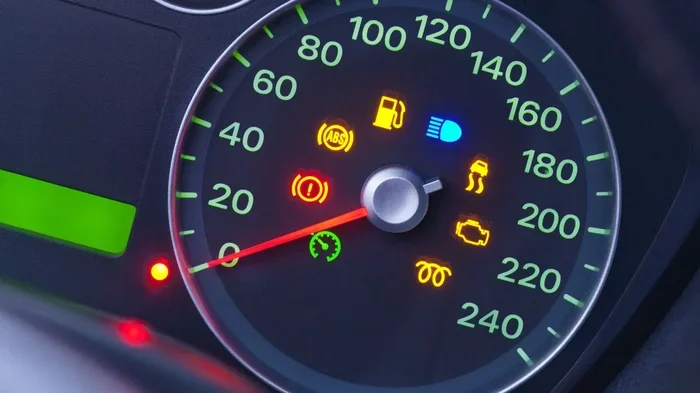
Most cars show this light as the letters TRAC with OFF underneath, or sometimes just a car icon with squiggly lines. The exact look depends on your vehicle make and model. But the meaning is the same. Your traction control is not fully active right now.
How Trac Off Differs from Other Dashboard Warnings
It is easy to confuse the trac off light with other warning lights on your dash. The check engine light, for example, can mean hundreds of different things. The ABS light signals a problem with your anti-lock braking system. And the stability control light often works hand in hand with traction control.
Here is a simple way to tell them apart. If only the trac off light is on, the issue is likely related to traction control specifically. If you see multiple lights at once, such as the trac off light and the ABS light, the problem may be more serious. In that case, you should get your vehicle checked as soon as possible.
Also, pay attention to the color of the light. A yellow or amber light usually means a non-emergency issue. A red light often signals something that needs immediate attention. Either way, you should not ignore it.
Common Reasons the Trac Off Light Comes On
Manual Toggle or Button Press
The simplest reason your trac off light is on is because you or someone else pressed the trac off button. Many vehicles have a physical button on the steering column or center console. When you press it, the system disables. The light comes on to remind you.
This is completely normal. Some drivers turn off traction control on purpose when they are stuck in snow or mud. Disabling the system allows the wheels to spin freely, which can help you gain momentum. Once you are unstuck, you should turn traction control back on.
If you did not press the button, then the light is likely triggered by a fault in the system. Keep reading to learn about the other common causes.
Faulty Wheel Speed Sensors
Your traction control system depends on wheel speed sensors. These small devices sit near each wheel and measure how fast they are rotating. If one sensor gets dirty, damaged, or fails, it sends incorrect data to the powertrain control module. The system then shuts down traction control, and the trac off light turns on.
Wheel speed sensors are exposed to a lot of road grime, salt, and debris. Over time, they can wear out. This is one of the most common reasons the trac off light appears. The good news is that replacing a wheel speed sensor is usually not expensive. A mechanic can often do it in under an hour.
ABS Module or System Problems
The anti-lock braking system and the traction control system share many of the same components. If your ABS module has a problem, it can trigger the trac off light as well. This happens because the traction control system relies on the ABS to monitor wheel speed and apply brakes when needed.
A failing ABS module is a more serious issue than a dirty sensor. It can affect your ability to brake safely, especially on wet surfaces. If the trac off light comes on and you also notice your brakes feeling unusual, do not delay. Get your car inspected right away.
Low Battery Voltage or Electrical Issues
Your car’s electrical system plays a bigger role in your safety features than most people realize. If your battery is weak or the voltage is low, the traction control system may shut down as a safety precaution. The trac off light will appear to let you know.
This often happens in older vehicles or cars with a battery that needs replacing. It can also occur if you have been using a lot of electronics with the engine off, like headlights or the radio. In most cases, a simple battery check or charge will fix the problem.
Tire Problems and Uneven Tread
Your tires are the only part of your car that touches the road. If they are worn unevenly, underinflated, or the wrong size, the wheel speed sensors can get confused. This confusion can cause the trac off light to come on.
Make it a habit to check your tire pressure at least once a month. Also, look at the tread depth regularly. If your tires are bald or worn down, replace them. Good tires improve your traction and help all your safety systems work the way they should.
Is It Safe to Drive With Trac Off on Dry Roads?
Here is the short answer. Yes, in most cases, it is safe to drive a short distance with the trac off light on if the roads are dry and you are driving at normal speeds. The traction control system is a helpful safety feature, but it is not the only thing keeping you safe. Your brakes, steering, and tires still work normally.
However, there is a big difference between dry roads and wet roads. On a dry highway, losing traction is less likely. On a rain-slicked road or an icy highway, the lack of traction control can make a huge difference. Your wheels may spin during sudden acceleration, and your car may slide during hard braking.
If you need to drive a few miles to a nearby repair shop on a clear day, that is usually fine. But do not take a long trip or drive in bad weather with the trac off light on. Play it safe. Get the issue checked as soon as you can.
When It Is Okay to Keep Driving
There are a few situations where driving with the trac off light on is relatively low risk:
- Dry, straight roads with good visibility: The chances of sudden traction loss are low.
- Short distances to a local mechanic: You are not putting yourself in danger by driving a few blocks.
- The light came on after you pressed the trac off button: You know exactly why it is on, and you can turn it back off anytime.
- Your car is driving and handling normally: No strange noises, no pulling to one side, and no brake issues.
In these situations, you can drive carefully and get the problem looked at when it is convenient. But always stay alert and avoid aggressive driving.
When You Should Not Drive With Trac Off
There are other situations where you should avoid driving altogether or call for a tow:
- The trac off light is on and the ABS light is also on: This suggests a deeper problem with your braking system.
- You are driving in heavy rain, snow, or ice: Without traction control, your car is much more likely to skid.
- You feel your car pulling to one side or vibrating: These are signs of a serious mechanical issue.
- The check engine light is also flashing: A flashing check engine light combined with trac off is not something to take lightly.
When in doubt, call a tow truck. It is always better to be safe than sorry. A tow ride costs much less than a car accident or a major repair bill.
How to Diagnose the Trac Off Light Yourself
Using an OBD-II Scanner
If you want to figure out why your trac off light is on, an OBD-II scanner is your best friend. This small device plugs into your car’s diagnostic port, which is usually located under the steering column. Once connected, it reads the error codes stored in your vehicle’s computer.
You can buy an OBD-II scanner for as little as twenty to fifty dollars. Some auto parts stores will also read the codes for free. The scanner will give you a code that tells you exactly what went wrong. For example, a code related to a wheel speed sensor will point you directly to the problem.
Once you have the code, you can look it up online or ask a mechanic. This saves you time and money because you go in with a clear idea of what needs fixing.
Visual Inspections You Can Do at Home
Before you even grab a scanner, there are a few simple checks you can do yourself. Start by looking at your tires. Are they all the same size? Is the air pressure in the right range? Are any of them visibly damaged or worn down?
Next, check your battery. If it is more than three to five years old, it might be weak. A weak battery can cause all sorts of electrical gremlins, including the trac off light. You can get your battery tested for free at most auto parts stores.
Also, look under your car for any visible damage to the wiring near the wheels. The wheel speed sensors have small wires that can get chewed by animals or rubbed raw over time. If you see frayed or exposed wires, that could be your answer.
How to Fix the Trac Off Light
Simple Fixes You Can Do at Home
Some causes of the trac off light are easy to fix on your own. If you accidentally pressed the trac off button, simply press it again to turn the system back on. The light should go off within a few seconds.
If your tire pressure is low, inflate your tires to the recommended PSI. You can find this number on a sticker inside the driver’s door frame. Once the pressure is correct, drive for a few miles and see if the light turns off.
Cleaning your wheel speed sensors is another easy fix. Use a soft brush and some brake cleaner to gently remove dirt and grime from the sensor area. This is especially helpful if you live near the coast or drive on salted roads in winter.
Repairs That Require a Mechanic
For more serious issues, you will need professional help. A faulty wheel speed sensor, a bad ABS module, or electrical problems should be handled by a trained mechanic. They have the tools and expertise to diagnose and fix the problem safely.
The cost of repairs can vary widely. Replacing a wheel speed sensor might cost between one hundred and three hundred dollars. Fixing an ABS module can run five hundred to one thousand dollars or more. A new battery will typically cost around one hundred to two hundred dollars.
Always ask for a detailed estimate before any work is done. A trustworthy mechanic will explain the problem clearly and give you options. Do not feel pressured to approve expensive repairs on the spot.
Preventing the Trac Off Light from Coming Back
Regular Maintenance Tips
The best way to deal with the trac off light is to prevent it from coming back in the first place. Regular maintenance goes a long way toward keeping your traction control system healthy and your car running smoothly.
Start with your tires. Check the pressure at least once a month and before long road trips. Rotate your tires every five thousand to seven thousand miles to ensure even wear. Replace tires when the tread gets too low. Good tires are the foundation of your entire safety system.
Keep your battery in good shape. Have it tested during every oil change or at least once a year. Clean the terminals if you notice any corrosion. A healthy battery keeps all your electrical systems, including the traction control, working properly.
Driving Habits That Protect Your Safety Systems
How you drive also affects your traction control system. Avoid sudden, hard acceleration, especially on wet roads. Ease onto the gas pedal gently. This reduces the strain on the system and helps you maintain grip.
Also, do not ignore other warning lights on your dashboard. If the check engine light comes on, get it checked promptly. Many problems start small and grow bigger if left alone. A quick diagnostic scan can catch issues before they turn into expensive repairs.
Finally, read your owner’s manual. It contains valuable information about your specific vehicle’s safety systems. It will tell you what each light means and what to do when it comes on. Knowledge is power, and in this case, it can keep you safe on the road.
Expert Insights on the Trac Off Light
What Certified Mechanics Say
We asked several certified mechanics about the most common questions they hear about the trac off light. Their advice was consistent and clear. The number one mistake drivers make is ignoring the light and hoping it goes away on its own. While it sometimes does, it is not worth the risk.
Another common mistake is assuming the trac off light means the car is broken beyond repair. Most of the time, the fix is simple and affordable. A dirty sensor, a low battery, or a button that was accidentally pressed. These are all easy problems with easy solutions.
One mechanic shared a helpful tip. He said, always check your tires first. So many trac off light issues come down to tire pressure or tread wear. It is the simplest thing to check and often the first thing to fix.
When the Trac Off Light Is a Sign of a Bigger Problem
While most trac off light situations are minor, there are times when it signals a bigger issue. If the light comes on alongside the check engine light and the ABS light, do not wait. Take your car to a mechanic as soon as possible.
Also, if you notice your car behaving strangely, such as pulling to one side, vibrating, or making unusual noises, the trac off light is a warning sign. Your vehicle is trying to tell you something. Listen to it. Address the problem early, and you will save money and stay safe.
Key Takeaways
- The trac off light means your traction control is disabled or malfunctioning: It is a warning, not an emergency in most cases.
- Common causes include a faulty wheel speed sensor, ABS issues, low battery voltage, or a manual toggle: Understanding the cause helps you decide the right action.
- It is generally safe to drive short distances on dry roads with trac off on: But avoid highways, wet roads, and long trips until the issue is resolved.
- An OBD-II scanner can quickly diagnose the problem: This affordable tool gives you the error code and helps you understand what needs fixing.
- Simple fixes like checking tire pressure or cleaning sensors can resolve the issue: Many trac off light problems are easy and inexpensive to address.
- Regular maintenance prevents the trac off light from returning: Tire care, battery health, and good driving habits keep your safety systems working properly.
- When multiple warning lights appear together, seek professional help immediately: Do not take chances with your safety or the safety of others on the road.
Conclusion
So, is it safe to drive with trac off light on? The honest answer is, it depends. It depends on why the light is on, what the road conditions are like, and how far you need to drive. In most cases, a short drive on a dry road is not going to cause a disaster. But the trac off light is a warning, and warnings deserve your attention.
Do not let the trac off light scare you. But do not ignore it either. Use the tips in this article to understand what is going on. Check your tires. Use a scanner. Talk to a mechanic. Take action before a small problem becomes a big one.
Your safety and the safety of everyone on the road matter. The traction control system is there to protect you. When the trac off light tells you something is wrong, listen to it. Stay informed, stay proactive, and stay safe out there.
Frequently Asked Questions
Can I drive long distances with the trac off light on?
It is not recommended to drive long distances with the trac off light on, especially if the cause is a malfunction. While short trips on dry roads are usually fine, long drives increase your risk of losing traction in unexpected situations. Get the issue diagnosed and fixed before taking any long trips.
Will the trac off light turn off by itself?
Sometimes yes. If the light was triggered by a temporary issue, such as low battery voltage or a momentary sensor glitch, it may turn off on its own after a few drive cycles. However, if the underlying problem is not fixed, the light will likely come back.
Is it safe to drive in the rain with trac off on?
No, it is not safe to drive in rainy conditions with the trac off light on. Without traction control, your wheels are more likely to spin or slide on wet surfaces. If you must drive in the rain, do so slowly and cautiously, and get your traction control system repaired as soon as possible.
How much does it cost to fix the trac off light?
The cost varies depending on the cause. Simple fixes like inflating tires or cleaning sensors cost little to nothing. Replacing a wheel speed sensor typically costs between one hundred and three hundred dollars. More complex repairs, such as fixing an ABS module, can cost five hundred to one thousand dollars or more.
Can low tire pressure cause the trac off light to come on?
Yes, low tire pressure can absolutely trigger the trac off light. When your tires are underinflated, their rolling radius changes, which confuses the wheel speed sensors. This can cause the traction control system to shut down and the trac off light to illuminate. Keeping your tires properly inflated is one of the easiest ways to prevent this issue.
What should I do if the trac off light and check engine light are both on?
If both lights are on, you should get your vehicle inspected right away. The combination of these two lights often points to a more serious issue that affects both your engine and your safety systems. Use an OBD-II scanner to read the codes, and take the results to a qualified mechanic for a proper diagnosis.