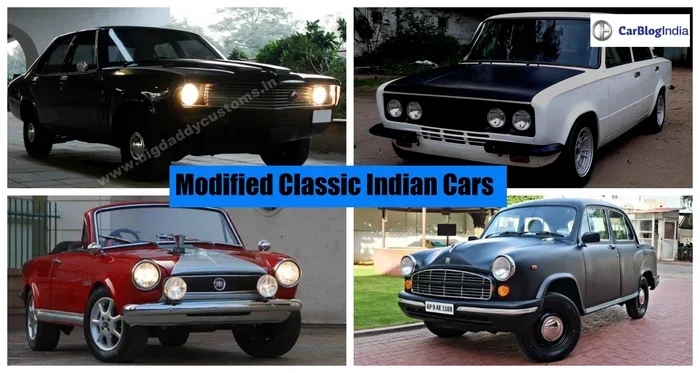
1970 Cars In India A Golden Era Of Classic Automobiles
The 1970 cars in India represent a golden era of classic automobiles that defined a nation’s automotive identity. Models like the Hindustan Ambassador, Premier Padmini, and Hindustan Contessa became household names and symbols of progress. This article explores the iconic models, the manufacturers behind them, and why these vintage cars still matter today.
The year was 1970, and India was on the brink of something extraordinary. The country was changing fast. Cities were growing. Roads were getting busier. And for millions of Indians, owning a car was becoming a real possibility. The 1970 cars in India represent more than just machines. They carry memories, nostalgia, and a piece of history that still lives on today.
Back then, the Indian automobile industry was still finding its feet. Companies like Hindustan Motors and Premier Automobiles were building cars that would become legends. Models like the Ambassador and the Padmini ruled the roads. These were not just vehicles. They were symbols of progress and pride. The story of 1970 cars in India is a story of ambition, craftsmanship, and a nation discovering the joy of driving.
If you love classic cars, or if you are simply curious about how India’s automotive journey began, this article is for you. We will take you through the most iconic models, the makers behind them, and why these vintage cars still matter today. So buckle up. Let us take a ride down memory lane.
Key Takeaways
- The 1970s were a turning point for India’s automotive industry: The decade saw the rise of affordable, reliable cars that made car ownership accessible to the growing middle class.
- The Hindustan Ambassador, Premier Padmini, and Hindustan Contessa were the defining models of the era: Each car offered something unique and became a symbol of Indian motoring culture.
- Hindustan Motors and Premier Automobiles were the key manufacturers: Their partnerships with foreign brands like Morris, Vauxhall, and Fiat shaped the Indian car landscape.
- Owning a 1970s classic car in India is a rewarding experience: It comes with challenges like parts availability but offers unmatched joy and a connection to history.
- The classic car community in India is growing: Car shows, rallies, and restoration projects are keeping the legacy of 1970 cars in India alive for new generations.
- Vintage cars can appreciate in value: Well-maintained classic Indian cars from the 1970s are increasingly sought after by collectors and enthusiasts.
- These cars represent more than transportation: They carry cultural significance and nostalgia that modern vehicles cannot replicate.
📑 Table of Contents
The Rise of 1970 Cars in India
The 1970s were a transformative decade for India. The country had just celebrated its independence for over two decades. The economy was growing. Urbanization was accelerating. And the demand for personal transportation was rising like never before. This was the perfect time for 1970 cars in India to make their mark on the nation’s roads.
Before the 1970s, car ownership in India was limited to the wealthy few. Most Indians relied on trains, buses, or bicycles for their daily commute. But things started to shift in the 1960s. Companies began manufacturing cars that were more affordable and suited to local conditions. By the time the 1970s arrived, the dream of owning a car was within reach for the growing middle class.
A Growing Middle Class and Car Dreams
India’s middle class was expanding rapidly in the 1970s. More families had disposable income. More people wanted a better quality of life. And a car was at the top of that wish list. The 1970 cars in India were designed with this new consumer in mind. They were practical. They were reliable. And they were priced to sell.
Cars like the Hindustan Ambassador and the Premier Padmini became household names. They were not luxury vehicles. They were sensible family cars. They could handle Indian roads and Indian weather. They offered comfort without breaking the bank. This made car ownership accessible to a much wider audience and changed the way Indians thought about personal transportation.
The vintage car culture India developed during this period was unique. It was not about showing off wealth. It was about achieving a milestone. A car represented stability, hard work, and a step up in life. The 1970 cars in India captured this spirit perfectly. They were humble, dependable, and deeply loved by their owners.
How India’s Roads Changed Forever
The 1970s also saw significant improvements in India’s road infrastructure. The government was investing in highways and urban roads across the country. This meant cars could actually be used for longer distances and daily commutes. The demand for sturdy, reliable vehicles grew. Manufacturers responded with models built specifically for Indian conditions.
The roads of India in the 1970s were very different from what we see today. They were narrower. The surfaces were not always smooth. Traffic was lighter but growing steadily. Cars needed to be tough and durable. They needed to handle rough patches and still deliver a smooth ride. The 1970 cars in India were engineered with exactly this in mind. They were built for the realities of Indian driving.
Another important factor was the fuel landscape. Petrol prices were reasonable, and fuel efficiency was a key selling point. The old world charm cars of this era were designed to sip fuel rather than guzzle it. This made them practical for everyday use and contributed to their widespread popularity across the country.
Iconic 1970 Cars in India That Still Turn Heads
When we talk about 1970 cars in India, a few names immediately come to mind. These are the cars that defined an era. They are the ones that car enthusiasts still talk about with reverence and nostalgia. Let us look at some of the most legendary models from this golden period.
The Hindustan Ambassador – India’s Most Beloved Car
The Hindustan Ambassador is perhaps the most iconic car in Indian automotive history. Based on the Morris Oxford, the Ambassador was produced by Hindustan Motors from 1958 all the way through 2014. But it was during the 1970s that the car truly became a symbol of India. It was the car of choice for politicians, businesspeople, and everyday families alike.
The Ambassador had a distinctive boxy shape that was instantly recognizable. It had spacious interiors that could comfortably seat five adults. And it had a certain dignity about it that no other Indian car could match. The 1970 cars in India era would not be complete without mentioning this legend. Many families passed down their Ambassadors from one generation to the next.
Under the hood, the Ambassador came with a 1.5-liter petrol engine. It was not powerful by modern standards. But it was remarkably reliable. It was easy to maintain with basic tools and mechanical knowledge. And it could handle the rough Indian roads with surprising grace. The classic Indian cars like the Ambassador were built to last, and many examples still run smoothly today after decades of service.
Premier Padmini – The People’s Car of India
The Premier Padmini was another beloved model from the 1970s. Originally based on the Fiat 1100, the Padmini was manufactured by Premier Automobiles in Mumbai. It was a compact, efficient car that perfectly suited the needs of Indian families looking for their first vehicle. The Padmini was known for its peppy performance and nimble handling on city roads.
The Padmini had good fuel economy, which was a major selling point at the time. It was relatively affordable compared to other cars of its era. And it was easy to maintain with widely available spare parts. The 1970 cars in India landscape would not have been the same without the Padmini. It was the first car for many young families and newlyweds across the country.
Many Indians remember the Padmini with deep fondness. It was the car that took families on their first road trips. It was the vehicle that carried newlyweds to their honeymoon destinations. It was a symbol of a new beginning and a brighter future. Even today, spotting a well-maintained Padmini on the road is a rare and delightful experience that brings back waves of nostalgia for older generations.
Hindustan Contessa – India’s Premium Sedan
The Hindustan Contessa was the premium offering from Hindustan Motors during the 1970s. Based on the Vauxhall Victor, the Contessa was a step above the Ambassador in terms of design, comfort, and performance. It had a more refined exterior and a more polished interior that appealed to the upper-middle class and business professionals.
The Contessa was a status symbol in its time. It was also a comfortable cruiser for long highway drives. The 1970 cars in India lineup was incomplete without a premium option, and the Contessa filled that role beautifully. It came with a 1.5-liter or 1.8-liter engine that offered a smooth and responsive driving experience.
The Contessa offered good handling and a comfortable ride. It was not as common as the Ambassador or the Padmini, which made it feel special. Those who owned one treasured it deeply. Today, the Contessa is a highly sought-after classic car among collectors. Finding one in good condition is a challenge, but the reward of owning and restoring a Contessa is immense for any vintage automobile India enthusiast.
Other Notable Models from the Era
Beyond the big three, the 1970s saw several other noteworthy models on Indian roads. The Standard Herald, based on the British Standard Vanguard, was a popular choice in South India. The Mahindra jeep was already a legend by the 1970s, known for its ruggedness and off-road capability. The Fiat 1100, sold through various partnerships, also found a loyal following among Indian buyers.
These 1970 cars in India each brought something unique to the table. The Standard Herald offered a sporty alternative. The Mahindra jeep was the go-to for rural and semi-urban areas. Together, they created a diverse and vibrant automotive landscape that reflected the varied needs of Indian consumers.
The Manufacturers Behind 1970 Cars in India
Every great car needs a great manufacturer. In the 1970s, India had several companies that were building vehicles for the nation. Let us explore the key players behind 1970 cars in India and understand how they shaped the industry.
Hindustan Motors and Its Legacy
Hindustan Motors was one of the oldest and most respected automobile manufacturers in India. Founded in 1942, the company had a long history of producing cars for the Indian market. The Ambassador was its flagship model, but the company also produced the Contessa and other vehicles that left a lasting impact on Indian motoring.
Hindustan Motors had a strong manufacturing base in Uttarpara, West Bengal. The company employed thousands of workers and was a significant contributor to the local economy. It was a source of national pride. The 1970 cars in India produced by Hindustan Motors were built with care and attention to detail. They were designed to last for decades of faithful service.
The company’s partnerships with foreign automakers like Morris and Vauxhall gave it access to proven technology and engineering expertise. But Hindustan Motors also adapted these designs for Indian conditions. They modified suspension systems, adjusted engine tuning, and used locally sourced materials wherever possible. The result was a range of cars that were uniquely suited to the Indian market and its challenges.
Premier Automobiles and Fiat Partnerships
Premier Automobiles, based in Mumbai, was another major player in the 1970s Indian car market. The company had a long-standing partnership with Fiat, which gave it access to Italian design philosophy and engineering solutions. This collaboration produced some of the most memorable 1970 cars in India.
The Premier Padmini was the crown jewel of this partnership. It was a well-engineered car that offered great value for money. Premier also produced other models during this era, including the Premier 118NE and the Premier Rio. These cars added variety to the Indian automotive lineup and gave buyers more choices than ever before.
Premier Automobiles played a crucial role in making cars accessible to the average Indian family. The company understood the needs of Indian buyers deeply. It focused on affordability, reliability, and ease of maintenance. This customer-first approach helped it build a loyal customer base that lasted for decades and cemented its place in automotive history.
Maruti Suzuki and the Changing Landscape
While Maruti Suzuki really took off in the 1980s, the groundwork was laid in the 1970s. The Indian government was looking for a partner to manufacture a small, affordable car for the masses. This vision eventually became reality with Maruti, but the 1970s were the incubation period. The lessons learned from 1970 cars in India directly influenced what Maruti would later deliver to the market.
The Indian car manufacturers of the 1970s laid the foundation for the modern automotive industry. They proved that India could build cars for Indians. They showed that quality and affordability could go hand in hand. And they created a legacy that continues to inspire new generations of car makers and enthusiasts.
Life with a 1970 Car in India
Owning a 1970 car in India was a very different experience from what we know today. There were no power windows. No automatic transmissions. No GPS navigation systems. No airbags or electronic stability control. But there was something magical about those old cars. A charm and character that modern vehicles simply cannot replicate.
The Joy of Owning a Vintage Car
Driving a vintage car from the 1970s is an experience like no other. The steering is heavy but satisfying. The engine has a raw, mechanical feel that connects you to the road. Every sound, every vibration, tells a story. The 1970 cars in India were built with a simplicity that modern car owners often miss and deeply appreciate.
There was a time when you could actually open the hood and understand how your car worked. The carburetor, the distributor, the spark plugs, the points system. These were parts that any reasonably handy person could work on. There were no complex computers or sensors to confuse you. Just pure mechanical engineering that you could feel and understand.
Many car enthusiasts today prefer the hands-on experience of owning a classic car. They enjoy the process of maintenance and repair. They appreciate the craftsmanship that went into building these machines. The 1970 cars in India offer all of this and more. They are a reminder of a time when cars were simpler and driving was a more engaging, sensory experience.
Indian road trips classic cars offer are another dimension of this experience. Taking a vintage Ambassador or Padmini on a long drive through the countryside is a journey back in time. The wind in your hair, the sound of the engine, the smell of petrol and leather. It is an experience that modern cars, for all their convenience, simply cannot provide.
Maintenance Challenges and Tips
Owning a vintage car comes with its challenges. Parts can be hard to find. Mechanics who understand old technology are becoming rare. And keeping a car from the 1970s running smoothly requires patience, dedication, and a certain mechanical skill set. But the community is growing, and solutions are becoming more accessible.
However, the 1970 cars in India community is growing stronger every year. There are now clubs and forums dedicated to classic car owners across the country. These groups share tips, advice, and even spare parts. They are a great resource for anyone looking to own or restore a vintage car from this golden era.
Here are some practical tips for maintaining a classic Indian car from the 1970s:
- Keep a spare parts inventory. Common parts for models like the Ambassador and Padmini are still available through specialist dealers and online communities.
- Find a trusted mechanic. Look for someone with experience working on vintage Indian cars. They understand the quirks and nuances of these older machines.
- Store the car properly. Keep it in a dry, covered area. Protect it from rain and direct sunlight to prevent rust and paint damage over time.
- Drive it regularly. Vintage cars need to be driven to stay in good condition. Regular use keeps the engine, brakes, and other systems working properly.
- Join a classic car club. Connecting with other enthusiasts can provide invaluable support, advice, and even access to rare parts and expertise.
- Learn basic mechanics. Even basic knowledge of your car’s systems can save you money and help you handle minor issues on your own.
Why 1970 Cars in India Still Matter Today
The world has changed dramatically since the 1970s. Cars today are faster, safer, and more efficient than ever before. So why do 1970 cars in India still matter? The answer lies in emotion, history, culture, and a deep appreciation for craftsmanship that transcends generations.
The Growing Classic Car Community
India has a vibrant and growing community of classic car enthusiasts. Across the country, car shows, rallies, and meetups bring together owners and admirers of vintage vehicles. The 1970 cars in India are the stars of these events, drawing crowds and sparking conversations about the golden era of Indian motoring.
Events like the Bangalore Car Show and the Mumbai Classic Car Rally attract hundreds of enthusiasts every year. People come from all over the country to see and admire these timeless machines. The passion for classic cars is alive and well in India, and the 1970s models are at the heart of this movement.
This community is not just about nostalgia. It is about preserving automotive heritage. It is about keeping the stories and craftsmanship of a bygone era alive. The 1970 cars in India are a vital part of that heritage, and the enthusiasts who care for them are the guardians of that legacy.
Collecting and Restoring Vintage Cars
Collecting classic cars has become a popular hobby and even an investment strategy in India. Many people invest in vintage vehicles not just for sentimental reasons but also as a financial decision. Well-maintained 1970 cars in India can appreciate in value over time, making them a smart addition to any collection.
Restoration is a big part of this world. Taking an old, rusty car and bringing it back to its former glory is a labor of love. It requires research, patience, and a deep understanding of the vehicle. But the reward is immense. There is nothing quite like seeing a classic car come back to life and roar down the road once again.
If you are thinking about starting a classic car collection, here are a few things to keep in mind:
- Start with a model you love. Passion is the most important ingredient in classic car ownership. Choose a car that speaks to you personally.
- Research thoroughly. Understand the market value and rarity of the model you are interested in before making a purchase.
- Budget for restoration. Restoring a vintage car can be expensive. Set aside a realistic budget and plan for unexpected costs.
- Verify authenticity. Make sure the car is genuine and not a replica or a heavily modified version that has lost its original character.
- Get insurance. Classic car insurance is available in India and is essential for protecting your investment against damage or theft.
The vintage automobile India market is evolving. More young enthusiasts are discovering the joy of classic cars. Social media and online communities are making it easier to connect, share knowledge, and find parts. The future of 1970 cars in India looks bright, and the passion for these machines shows no signs of fading.
Bringing It All Together
The era of 1970 cars in India was truly a golden age of classic automobiles. It was a time when the Indian automotive industry was finding its identity. When cars were built with soul and purpose. When every vehicle on the road told a story of ambition, craftsmanship, and national pride.
The Ambassador, the Padmini, and the Contessa are more than just cars. They are pieces of Indian history. They remind us of a time when things were simpler. When a car was not just a mode of transport but a symbol of achievement and aspiration. The legendary Indian cars from this era continue to inspire admiration and respect decades after they first rolled off the assembly line.
Today, these classic cars continue to inspire new generations. They inspire car enthusiasts, collectors, and anyone who appreciates the beauty of old-world craftsmanship and design. The legacy of 1970 cars in India lives on through the passionate community that keeps these machines alive, running, and celebrated.
If you have never experienced the joy of driving a vintage Indian car, now is the perfect time to start. Visit a car show in your city. Talk to an owner about their beloved vehicle. Take a ride in a classic Ambassador or Padmini. You will understand what all the fuss is about. These cars are not just relics of the past. They are treasures that deserve to be celebrated and preserved for generations to come.
The road ahead may be paved with modern technology and innovation, but the journey of 1970 cars in India will always hold a special place in the hearts of car lovers everywhere. Let us honor that legacy by keeping these classics alive, sharing their stories, and ensuring that the golden era of Indian automobiles is never forgotten.
Whether you are a seasoned collector or someone just discovering the magic of vintage cars, the world of 1970 cars in India has something for everyone. It is a world of passion, history, and timeless beauty. And it is waiting for you to explore it.
Frequently Asked Questions
What were the most popular 1970 cars in India?
The most popular 1970 cars in India included the Hindustan Ambassador, Premier Padmini, and Hindustan Contessa. These models dominated the Indian roads and became symbols of the era’s automotive achievements. Each car offered something unique, from the Ambassador’s spacious comfort to the Padmini’s peppy efficiency.
Why are 1970s Indian cars considered classics today?
1970 cars in India are considered classics because they represent a pivotal period in Indian automotive history. They were built with craftsmanship, designed for local conditions, and became deeply embedded in Indian culture. Their simplicity, durability, and nostalgic appeal make them cherished by enthusiasts and collectors today.
Is it difficult to maintain a 1970s car in India?
Maintaining a 1970 car in India can be challenging but rewarding. Spare parts are still available through specialist dealers and enthusiast networks. Finding a mechanic with experience in vintage cars is key. Regular use and proper storage go a long way in keeping these classic machines in excellent condition.
Can I still buy a 1970s car in India today?
Yes, you can still find 1970 cars in India through classic car dealers, online marketplaces, and enthusiast communities. Prices vary based on the model, condition, and rarity. Well-maintained examples of popular models like the Ambassador and Padmini are still available, though they require patience to find.
Are vintage Indian cars a good investment?
Classic cars from the 1970s in India can be a good investment if you choose the right model and maintain it properly. Rare and well-preserved examples tend to appreciate over time. However, car collecting should always be driven by passion first, and financial returns second.
What should I know before restoring a 1970s Indian car?
Before restoring a 1970 car in India, research the specific model thoroughly. Understand its common issues, parts availability, and market value. Set a realistic budget that accounts for unexpected expenses. Verify the car’s authenticity and consider getting professional help for complex mechanical and bodywork restoration tasks.
=== CONCLUSION ===
The 1970 cars in India era remains one of the most cherished chapters in the country’s automotive story. These classic automobiles were more than just machines. They were companions on life’s journey, symbols of progress, and expressions of a nation’s growing aspirations. From the iconic Ambassador to the beloved Padmini and the elegant Contessa, each model carries a piece of Indian history that deserves to be celebrated.
Today, the passion for these vintage vehicles is stronger than ever. A growing community of enthusiasts, collectors, and restorers is ensuring that the legacy of 1970 cars in India lives on. Whether you are a lifelong car lover or someone just beginning to explore the world of classic automobiles, there has never been a better time to appreciate these timeless machines.
So the next time you see an old Ambassador cruising down the street or spot a Padmini at a car show, take a moment. These cars are living pieces of history. They remind us of where we came from and the incredible journey that Indian motoring has been. The golden era of 1970 cars in India may be behind us, but its spirit lives on in every classic car that still turns heads and warms hearts.


