Is It Really Safe to Drive With ABS and Traction Light On
Driving with the ABS and traction light on can be risky depending on road conditions and the underlying cause. This guide explains what these warning lights mean, why they come on, and whether it is safe to keep driving. You will learn about common causes, short-term risks, and expert tips to stay safe on the road.
So you are driving down the road, and you glance at your dashboard. There it is. The ABS and traction light on warning is glowing bright. Your first thought might be panic. But take a breath. Not every warning light means your car is about to break down.
The ABS and traction light on indicator can come on for many reasons. Some are minor. Others need attention right away. The big question most drivers ask is simple: is it safe to drive with ABS and traction light on? The answer depends on a few things. In this article, we will walk you through everything you need to know. You will learn what these systems do, why the light comes on, and how to handle the situation safely.
We will also cover common causes, quick checks you can do yourself, and when it is time to see a mechanic. By the end, you will feel confident about what to do next. So let us get into it.
Your car’s braking system is one of the most important safety features you have. The anti-lock braking system and traction control work together to keep you stable. When the ABS and traction light on indicator flashes, it means something in that system needs attention. Understanding this can make a big difference for your road safety.
Key Takeaways
- Short drives may be okay: Driving a short distance with the ABS and traction light on is generally safe in dry, normal conditions.
- Bad weather increases risk: Wet, icy, or curvy roads make driving with the light on much more dangerous.
- Common causes are fixable: Faulty wheel speed sensors, low brake fluid, and blown fuses are the top culprits.
- Do not ignore the light: Ignoring the warning can lead to bigger repairs and safety risks.
- Use a diagnostic scan tool: This is the fastest way to find out exactly what is wrong with your system.
- See a mechanic for serious signs: Spongy brakes, fluid leaks, or flashing lights need professional attention right away.
- Regular maintenance helps: Cleaning sensors and replacing brake fluid every two years can prevent most issues.
📑 Table of Contents
What ABS and Traction Control Actually Do
Before we talk about driving safety, let us understand what these two systems actually do. They work together but serve different purposes. Both are designed to help you stay in control during tricky driving conditions.
Understanding the Anti-Lock Braking System
The anti-lock braking system, or ABS, stops your wheels from locking up when you brake hard. Imagine driving on a wet road. You hit the brakes suddenly. Without ABS, your tires would skid. You would lose the ability to steer. ABS fixes this problem by rapidly pulsing the brakes. It does this many times every second. The result is a controlled stop, even on ice or gravel.
This system depends on wheel speed sensors. These small devices watch how fast each wheel spins. If one wheel starts to slow down too fast, the ABS module steps in. It adjusts the brake pressure instantly. This keeps your tires rolling and your steering responsive.
How Traction Control Works
Traction control focuses on keeping your tires gripping the road when you accelerate. If one wheel starts spinning faster than the others, the system kicks in. It reduces engine power or applies the brakes to that specific wheel. This prevents tire traction loss, especially on wet or icy surfaces.
Both systems share some important parts. They use the same wheel speed sensors and often rely on the same data from the ABS sensor. Because of this connection, a problem in one system can affect the other. This is why seeing both lights at once is common.
Key Takeaway: ABS helps you stop safely. Traction control helps you accelerate safely. Together, they keep your vehicle stable.
Why the ABS and Traction Light Comes On
There are many reasons the ABS and traction light on indicator might appear on your dashboard. Some causes are simple. Others are more serious. Let us look at the most common ones.
Common Causes of the Warning Light
Here are the top reasons your warning light might be glowing:
- Faulty wheel speed sensors – Dirt, debris, or damage can cause them to send wrong signals to the ABS module.
- Low brake fluid levels – Your braking system needs enough fluid. Low levels can trigger the warning light.
- Blown ABS fuse – A simple fuse issue can disable the entire system and light up your dash.
- Wiring problems – Corroded or damaged wires between the sensors and the module can cause false readings.
- ABS pump or hydraulic unit failure – These parts pressurize the brake fluid. When they fail, the light comes on.
- System deactivation – Sometimes the system shuts itself off after detecting a fault.
What Each Light Means Separately
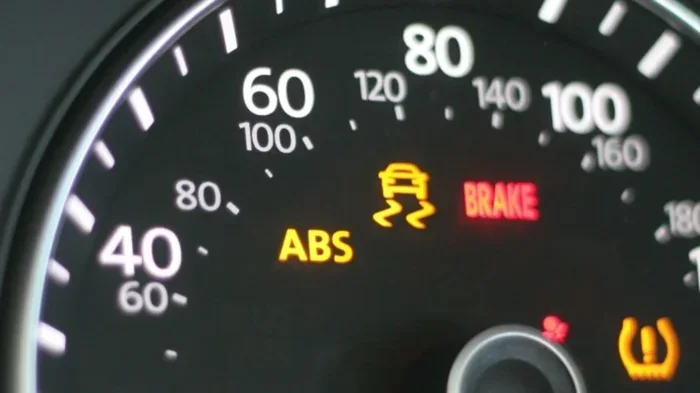
The ABS light and the traction control light are not always the same thing. The ABS warning light points to a problem with the anti-lock braking system. The traction control light signals an issue with skid control and stability.
However, many vehicles use a single combined warning light for both systems. Check your owner’s manual to understand what your specific dashboard shows. Some cars display separate icons. Others use one shared symbol.
Either way, a glowing light means the system has detected a fault. It is your car telling you something needs attention.
Is It Safe to Drive With ABS and Traction Light On?
This is the question most drivers want answered. And the honest answer is: it depends. Let us break it down by situation.
Short-Term Driving Risks
Driving a short distance with the ABS and traction light on is generally not dangerous in normal conditions. You still have regular braking. Your brakes will still slow the car down. However, you lose the anti-lock feature. This means that in an emergency stop, your wheels could lock up.
On dry, straight roads at low speeds, this risk is small. But on wet, icy, or curvy roads, it becomes much more serious. Without ABS and traction control, you are more likely to skid. Emergency emergency braking becomes harder to control.
Long-Term Driving Concerns
Driving for days or weeks with the light on is not a good idea. Here is why:
- You lose stability assistance – The vehicle stability features that keep you safe during sudden maneuvers will not work.
- Brake wear increases – Without ABS, your wheels can lock and cause uneven brake wear on your tires.
- Small problems become big ones – A minor sensor issue can turn into a costly repair if you ignore it.
- Insurance and liability – In some cases, driving with a known brake system issue could affect insurance claims after an accident.
Quick Comparison: When Is It Safe?
Here is a quick look at different driving situations and how safe they are with the light on:
| Situation | Safe to Drive? | Risk Level |
|---|---|---|
| Dry road, short distance, low speed | Yes, with caution | Low |
| Wet or icy road, any distance | No | High |
| Highway driving | No | Very High |
| City driving, light traffic | Yes, temporarily | Moderate |
| Long road trip | No | High |
Use this table as a general guide. Always use your best judgment. If something feels off, pull over safely.
Common Mistakes Drivers Make
When the ABS and traction light on indicator appears, drivers often make these mistakes:
- Ignoring the light completely – Thinking it will go away on its own. It might, but the underlying issue will not fix itself.
- Driving long distances without checking – This can turn a small repair into a big expense.
- Assuming regular brakes still work perfectly – Even if your regular brakes work, you lose ABS assistance in emergencies.
- Delaying the repair – Every day you drive with a fault increases the risk of a more serious problem developing.
Avoid these mistakes. Address the light promptly. Your safety depends on it.
Quick Tips for Driving with a Warning Light
If you must drive a short distance with the ABS and traction light on, follow these tips:
- Drive at lower speeds than usual
- Leave extra following distance between you and the car ahead
- Avoid sudden hard braking
- Stay away from wet or icy roads if possible
- Head straight to a mechanic or safe location
- Turn off cruise control if you are using it
These simple steps can help you stay safer until you get the problem fixed.
Common Causes Behind the Warning Light
Let us dig deeper into the most frequent reasons your ABS and traction light on indicator might be glowing. Understanding the root cause helps you decide how urgent the situation is.
Faulty Wheel Speed Sensors
Wheel speed sensors are small devices mounted near each wheel. They monitor the rotational speed and send data to the ABS module. When a sensor gets dirty or damaged, it cannot send accurate readings.
Common signs of a bad sensor include:
- The warning light stays on constantly
- The light flickers when driving over bumps
- You notice reduced braking performance
- The traction control system disables itself
Replacing a wheel speed sensor is usually affordable and straightforward. Most mechanics can do it in under an hour. It is one of the most common fixes for this warning light.
Low Brake Fluid Levels
Your braking system relies on hydraulic pressure to work. Brake fluid transfers the force from your brake pedal to the brakes at each wheel. When the fluid level drops too low, the system detects a potential leak and triggers the warning light.
Check your brake fluid reservoir under the hood. If the level is below the minimum mark, top it off with the recommended fluid type. But also get the system inspected for leaks. Low brake fluid can lead to brake failure if not addressed.
ABS Module Failure
The ABS module is the brain of the anti-lock system. It processes data from the sensors and controls the brake pressure. When the module fails, the entire system goes down.
ABS module issues can be caused by:
- Water damage inside the unit
- Electrical short circuits
- Wear and tear over time
- Corrosion on the connectors
Repairing or replacing an ABS module can be expensive, often costing several hundred dollars. This is why early diagnosis matters. Catching a small sensor problem early can prevent module damage.
Blown Fuse or Wiring Issues
Sometimes the problem is simple. A blown ABS fuse can cut power to the system and light up your dash. Checking the fuse box is one of the first things a mechanic will do.
Wiring issues are a bit more complex. Rodents can chew through wires. Moisture can cause corrosion. Over time, connections can loosen. All of these can lead to intermittent ABS sensor errors and warning lights.
Expert Insight: Many mechanics recommend inspecting the wiring harness and connectors during routine maintenance. This simple step can prevent unexpected warning lights and keep your electronic stability control system working properly.
How to Diagnose and Fix the Problem
When the ABS and traction light on indicator appears, you have options. Some checks are simple enough to do yourself. Others require professional tools. Let us walk through the steps.
Quick Checks You Can Do at Home
Before you visit a shop, try these simple steps:
- Check the brake fluid level – Open the hood and look at the reservoir. Top it off if needed.
- Inspect the wheel sensors – Look for dirt or debris around the sensors near each wheel.
- Check the ABS fuse – Locate the fuse box and find the ABS fuse. Replace it if it is blown.
- Restart the car – Sometimes a simple restart clears a temporary error code.
If the light stays on after these checks, it is time for a deeper look.
Using a Diagnostic Scan Tool
A diagnostic scan tool is the best way to find out exactly what is wrong. These devices plug into your car’s OBD-II port and read error codes from the ABS module.
You can buy a basic scan tool for under $50. Or many auto parts stores will read the codes for free. The codes will tell you which sensor or component is causing the problem.
Quick Tip: Write down the error codes before you visit the mechanic. This saves time and helps you understand what repairs are needed. It also prevents you from being charged for unnecessary work.
Common Mistake: Do not just clear the error codes and ignore them. The light will come back if the underlying problem is not fixed. Always address the root cause.
Professional Help and Final Thoughts
When to See a Professional Mechanic
Some issues are easy to fix at home. Others require a trained professional. Here is a guide to help you decide.
Visit a mechanic right away if you notice any of these signs:
- The warning light stays on after restarting the car
- You hear grinding or clicking noises when braking
- The brake pedal feels spongy or goes to the floor
- Your traction control system keeps disabling itself
- You see fluid leaking under your car
- The ABS and traction light on indicator flashes while driving
These signs suggest a serious problem. Do not delay getting it checked.
Expert Insights on Brake System Maintenance
According to automotive experts, regular maintenance can prevent most ABS and traction light on issues. Here are three tips from seasoned mechanics:
Tip 1: Have your wheel speed sensors cleaned during every oil change. Dirt buildup is the number one cause of sensor failure.
Tip 2: Replace your brake fluid every two years. Old fluid absorbs moisture and can damage the hydraulic unit over time.
Tip 3: Never ignore a warning light, even if the car seems to drive fine. Early detection saves money and keeps you safe on the road.
Key Takeaway: Regular maintenance is the best way to avoid unexpected warning lights and keep your braking system in top shape.
So, is it safe to drive with the ABS and traction light on? The short answer is: it depends. For a short drive in good conditions, you can likely make it to a repair shop safely. But for long trips, bad weather, or highway driving, it is best to get the problem fixed first.
Your car’s braking system is your first line of defense on the road. The ABS and traction light on indicator is there to protect you. Respect it. Get it checked, get it fixed, and drive with confidence knowing your vehicle is working as it should.
Remember, a small repair today can prevent a serious accident tomorrow. Do not wait until the problem gets worse. Take care of your braking system and it will take care of you.
Stay safe out there. Your attention to warning lights like the ABS and traction light on indicator is what keeps you and others safe on the road.
Frequently Asked Questions
Can I drive my car if the ABS light is on but the traction light is off?
Yes, in most cases you can drive a short distance. The ABS light alone means the anti-lock braking system has a fault. Your regular brakes still work. But you lose anti-lock assistance in emergency stops. Get the issue checked as soon as possible.
How much does it cost to fix the ABS and traction light issue?
The cost depends on the cause. Replacing a wheel speed sensor typically costs between $100 and $200. A blown fuse is very cheap to fix. However, ABS module repair can cost several hundred dollars. Always get a diagnosis before committing to a repair.
Can low brake fluid cause the ABS and traction light to come on?
Yes, low brake fluid is one of the most common causes. Your braking system uses hydraulic pressure to function. When the fluid level drops, the system detects a potential leak and triggers the warning light. Check the reservoir and top it off, but also look for leaks.
Is it safe to drive with ABS and traction light on in the rain?
No, it is not safe. Rain makes roads slippery, and you need ABS and traction control the most in wet conditions. Without these systems, your wheels are more likely to lock up or spin. Avoid driving in the rain until the problem is fixed.
What does the ABS and traction light on symbol look like?
The symbol usually looks like the letters ABS inside a circle, sometimes with a wavy line beneath it. The traction control symbol often shows a car with squiggly lines underneath representing skidding. Check your owner’s manual to identify the exact symbol for your vehicle.
Can a bad wheel speed sensor cause both lights to come on?
Yes, absolutely. Since both ABS and traction control share the same wheel speed sensors, a faulty sensor can trigger both lights at once. This is one of the most common reasons the ABS and traction light on indicator appears. Replacing the sensor usually fixes both lights.