Where Is the Button to Open the Gas Tank on Your Car
Knowing exactly where the button to open the gas tank is saves time and frustration at the pump. The gas tank button location varies by car brand, model, and year, but most vehicles hide it in one of a few common spots. This guide walks you through every possible location so you can find your fuel door release fast.
You pull up to the gas station. You grab the nozzle. And then it hits you — you have no idea where the button to open the gas tank is. It sounds like a simple thing, right? But when you are standing at the pump with cars lined up behind you, that little uncertainty can feel like the world’s biggest obstacle.
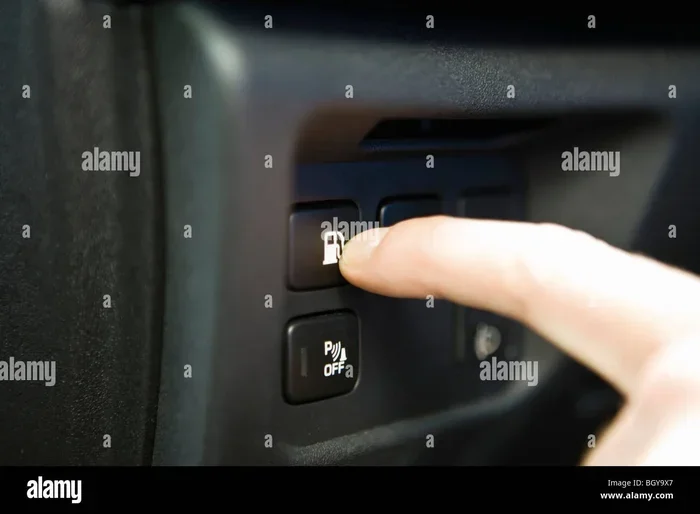
Here is the truth. Finding the button to open the gas tank is not always obvious, especially if you are driving a rental car or a brand-new vehicle. Every car manufacturer has its own design. Some cars hide the release under the dashboard. Others tuck it behind the driver’s seat. And a few older models still use a lever near the trunk.
This guide solves that problem once and for all. We will walk you through every common location where the gas tank button hides. We will cover popular car brands, what to do when the button is stuck, and simple tips to make fueling up easier. Whether you are a new driver or someone who just bought a different vehicle, this article has you covered.
Key Takeaways
- The gas tank button is usually found inside the driver’s cabin near the floor, dashboard, or steering column.
- Different car brands place the fuel door release in different locations — Honda, Toyota, Ford, and Chevy all have unique spots.
- Some vehicles use a lever instead of a button to release the gas tank door.
- A stuck gas tank door is a common issue that can often be fixed with a simple trick or a quick trip to a mechanic.
- Always check your owner’s manual for the exact location of your fuel door release.
- Knowing your gas tank button location prevents roadside stress and keeps your refueling smooth.
📑 Table of Contents
- Why Finding the Gas Tank Button Can Be Tricky
- Common Locations of the Gas Tank Button Across Car Brands
- How to Open the Gas Tank Button Step by Step
- What If the Gas Tank Button Is Stuck or Not Working?
- Quick Tips for Everyday Gas Tank Access
- Expert Insights and Common Mistakes to Avoid
- Comparison Table: Gas Tank Button Locations by Popular Brands
- Conclusion
Why Finding the Gas Tank Button Can Be Tricky
You might wonder why something as basic as opening the fuel door is so confusing. The answer comes down to car design. Automakers try to keep the exterior of the vehicle sleek and clean. They hide the fuel door release so it does not clutter the look of the car’s interior. The result is a small button or lever that blends into the cabin.
Another reason is that there is no universal standard. Unlike the steering wheel or the gear shift, the fuel door release does not have a fixed spot. Each car brand follows its own logic. This means the location changes not just from brand to brand, but sometimes from model to model within the same brand.
Understanding this helps you stay calm when you cannot find the button right away. It is not you — it is the design. Once you know what to look for, you will spot it every time.
How Car Designers Think About Fuel Door Access
Car designers focus on two goals. First, they want the interior to look clean and uncluttered. Second, they want the fuel door release to be discoverable without too much searching. To balance these goals, most brands place the release in a spot that is logical but not always visible at first glance.
Common areas include the driver’s side floor, the dashboard lower panel, the steering column area, or even the center console. Some vehicles also have a small icon on the dashboard fuel gauge that shows which side of the car the gas tank is on. This little detail can save you from walking around the car in the dark at a gas station.
Common Locations of the Gas Tank Button Across Car Brands
The gas tank button location depends heavily on who made your car. Below we break down the most common spots for popular brands. Use this as your quick reference guide.
Toyota and Lexus
In most Toyota and Lexus vehicles, the fuel door release is a small button or lever on the driver’s side floor, just below the steering column. You will feel it with your left foot near the left kick panel. Push it in, and the gas tank door pops open. Some newer Toyota models also have a slight pull tab you can feel by the driver’s seat.
Honda and Acura
Honda vehicles typically place the fuel door release on the lower left side of the dashboard. It is a small lever or button that you operate with your left hand. On some Honda Civic and Accord models, you will find it tucked just below the steering wheel on the left side. The release is smooth and easy to push or pull.
Ford and Lincoln
Ford vehicles often use a lever-style release near the driver’s seat. You will usually find it on the left side of the instrument panel or on the floor near the door. Some Ford trucks and SUVs place the release inside the trunk area, which can surprise first-time drivers of those models.
Chevrolet and GMC
Chevrolet and GMC trucks and SUVs tend to place the gas tank release on the driver’s side, either on the floor or below the dashboard. On many Silverado and Sierra models, the release is a button near the left kick panel. Sedan models like the Malibu follow a similar pattern with a dashboard-mounted lever.
Nissan and Infiniti
Nissan vehicles commonly use a button or lever on the driver’s side floor panel. On many Nissan sedans and SUVs, you will find the fuel door release near the left footwell. Infiniti models, being luxury versions of Nissan platforms, follow a similar layout.
European Brands (BMW, Mercedes, Audi, Volkswagen)
European cars often use a different approach. Many BMW and Mercedes models have a small button or switch on the driver’s side door panel or near the door frame. Volkswagen and Audi vehicles typically place the fuel door release on the lower left side of the dashboard or on the driver’s seat side panel. The design is usually clean and easy to operate.
Electric Vehicles (Tesla, Chevy Bolt, Nissan Leaf)
Electric vehicles often handle the fuel door release differently because they do not have a traditional gas cap in the same way. Tesla vehicles have the charging port behind a small door on the rear fender. The release is usually triggered from the touchscreen or the Tesla app. Chevy Bolt and Nissan Leaf follow more traditional layouts with a button or lever near the driver’s side.
How to Open the Gas Tank Button Step by Step
Once you find the button to open the gas tank, the process is usually simple. But doing it the right way prevents damage to the fuel door or the release mechanism. Here is a step-by-step walkthrough that works for most vehicles.
Step 1: Park the Car and Turn Off the Engine
Before you do anything, make sure the car is parked and the engine is off. Most vehicles will not release the fuel door while the engine is running. This is a safety feature designed to prevent fuel spills and fire risks. Put the car in park and engage the parking brake.
Step 2: Find the Fuel Door Release
Now it is time to locate the gas tank button. Start by checking the driver’s side floor near the kick panel. Feel around with your left foot. If you do not feel anything there, move to the lower left side of the dashboard. Run your hand along the panel below the steering wheel. Some cars also have the release near the driver’s seat or on the left door panel.
Step 3: Press or Pull the Release
Once you find the release, press it or pull it gently. You should hear a click or feel a slight pop. The gas tank door will swing open. Do not force it. If it does not open, check to make sure you are pressing the right button and that the car is in park.
Step 4: Open the Fuel Door and Remove the Gas Cap
The fuel door will swing open, but the gas cap is still attached. Some gas caps twist off counterclockwise. Others have a small tab you can press to release. On many modern cars, the gas cap is tethered so it does not get lost. Simply unscrew it and set it aside.
Step 5: Refuel and Close Everything
After refueling, screw the gas cap back on until you hear it click. Push the fuel door closed until it latches. Some vehicles lock the fuel door automatically when you start the car. Others require you to manually push it shut. Double-check that it is secure before you drive away.
What If the Gas Tank Button Is Stuck or Not Working?
Sometimes the button to open the gas tank just does not work. This can happen for a few reasons, and most of them are easy to fix. Here is what to check when the fuel door release is not responding.
Check if the Car Is in Park
Many vehicles have a safety feature that prevents the fuel door from opening unless the car is in park. If you are in neutral or drive, the release may not work. Shift the car into park and try again. This simple step solves the problem more often than people realize.
Look for a Tripped Safety Switch
Some cars have a fuel pump shutoff switch, also called the inertia switch. This switch trips during a sudden stop or collision to prevent fuel leaks. When it is tripped, it can also block the fuel door release. The inertia switch is usually located in the trunk or under the dashboard on the driver’s side. Press the red button on top to reset it.
Check for Ice or Debris Around the Fuel Door
In cold weather, ice can build up around the fuel door and prevent it from opening. A small amount of warm water can melt the ice and free the door. In summer, dirt and debris can get stuck around the edges of the fuel door. A quick cleaning usually fixes this.
When to See a Mechanic
If none of the above steps work, the problem might be a broken release cable or a faulty actuator. These parts connect the button to the fuel door latch. Over time, they can wear out or snap. A mechanic can replace these parts quickly and affordably. Do not try to force the fuel door open — this can damage the latch and lead to expensive repairs.
Quick Tips for Everyday Gas Tank Access
Small habits make a big difference when it comes to accessing your gas tank. These quick tips will help you avoid common headaches.
- Memorize the release location for your specific car. Take a few seconds to feel around the driver’s side when you first get in.
- Check the dashboard fuel gauge icon before you pull into a gas station. It shows which side of the car the gas tank is on, so you know which side to fuel from.
- Keep the gas cap in a safe spot when removing it. Some caps are tethered, but others can be easy to misplace.
- Do not force the fuel door if it feels stuck. Gentle pressure is all you need.
- Wipe the gas cap and fuel door area regularly to prevent dirt buildup that can interfere with the latch.
- Know your owner’s manual inside and out. It has the exact location of your fuel door release and any special instructions.
Expert Insights and Common Mistakes to Avoid
We spoke with automotive experts to gather the most common mistakes drivers make when trying to open their gas tank. These insights can save you time and money.
Mistake 1: Searching in the Wrong Spot
The most common mistake is looking for the button in the wrong place. Many drivers expect the gas tank release to be near the fuel gauge on the dashboard. While some cars do place it there, many do not. Always check the driver’s side floor first, then the lower dashboard area.
Mistake 2: Forcing the Fuel Door Open
When the button does not work, some drivers try to pry the fuel door open with their hands or a tool. This can bend the door, break the latch, or damage the surrounding body panel. Always use the release mechanism and never force the door manually.
Mistake 3: Ignoring the Fuel Door Warning Light
Many modern cars have a warning light on the dashboard that flashes when the fuel door is not fully closed. Ignoring this light can trigger check-engine codes and reduce fuel efficiency. Make sure the fuel door clicks shut every time you finish refueling.
Mistake 4: Forgetting the Gas Cap Is Loose
A loose gas cap is one of the most common reasons for a check-engine light. After refueling, always tighten the gas cap until you hear it click. A properly sealed gas cap also prevents fuel vapor loss, which saves money at the pump.
Expert Tip: Use the Owner’s Manual as Your Best Friend
Every car comes with an owner’s manual, and it contains the exact location of the fuel door release. If you have lost your manual, you can usually find a digital version on the manufacturer’s website. Spend five minutes reading the fuel system section — it will answer all your questions about the gas tank button and fuel door operation.
Comparison Table: Gas Tank Button Locations by Popular Brands
Here is a quick comparison of where the gas tank button is typically located for some of the most popular car brands.
- Toyota: Driver’s side floor, below steering column
- Honda: Lower left dashboard, below steering wheel
- Ford: Driver’s side instrument panel or trunk area
- Chevrolet: Driver’s side kick panel or lower dashboard
- Nissan: Driver’s side floor panel
- BMW: Driver’s side door panel or door frame
- Mercedes-Benz: Driver’s side door panel or center console
- Volkswagen: Lower left dashboard or driver’s seat side panel
- Tesla: Rear fender door, controlled via touchscreen
Conclusion
Knowing where the button to open the gas tank is is one of those small things that makes a huge difference in your daily driving experience. It saves you time, reduces stress at the pump, and keeps you from walking around the car wondering where to go. Now that you know the common locations across different brands, you can confidently find your fuel door release no matter what car you are driving.
Remember to check your owner’s manual for the exact location in your specific vehicle. If the button is stuck, start with the simple fixes before calling a mechanic. And always take care of your gas cap and fuel door to avoid bigger problems down the road. With this guide, you will never struggle to find the button to open the gas tank again.
Keep these tips in mind, share them with friends who might need them, and enjoy a smoother, stress-free refueling experience every single time.
Frequently Asked Questions
Can I open the gas tank door without pressing the button?
In most modern cars, you need to press or pull the fuel door release to open the gas tank door. However, some vehicles allow you to manually pull the door open with a small tab or latch if the release mechanism fails. Always check your owner’s manual for specific instructions on your vehicle.
Why does my gas tank button not work?
A gas tank button may stop working for several reasons. The car might not be in park, the inertia switch may have tripped, or the release cable could be broken. Ice, dirt, or debris around the fuel door can also cause problems. Try the simple fixes first, and visit a mechanic if the issue persists.
Is the gas tank button always on the driver’s side?
In most vehicles, yes. The fuel door release is almost always on the driver’s side of the car. This is a universal design choice across most car manufacturers. However, a few models may place it on the passenger side or inside the trunk. Always check your owner’s manual to be sure.
How do I know which side the gas tank is on?
Most modern cars have a small fuel gauge icon on the dashboard that shows an arrow pointing to the side where the gas tank is located. This arrow appears next to the fuel level indicator. This simple feature saves you from pulling up to the wrong side of the pump.
Can a loose gas cap cause the check-engine light to come on?
Yes, a loose or improperly sealed gas cap is one of the most common reasons for a check-engine light. The car’s computer detects a leak in the fuel vapor system and triggers the warning. Tightening the gas cap until it clicks usually resolves the issue within a few driving cycles.
What should I do if the fuel door is frozen shut in winter?
In cold weather, ice can freeze the fuel door shut. The safest way to open it is to pour a small amount of warm (not boiling) water over the door edges to melt the ice. Never use sharp tools or excessive force to pry the door open, as this can damage the latch and surrounding body panels.