Where Can I Charge My Electric Car Your Complete Guide
Where can I charge my electric car? The answer is almost everywhere — at home, at work, at public stations, and even at shopping centers. This guide walks you through every charging option available today, from Level 1 home charging to DC fast charging networks. You will learn how each method works, what it costs, and which setup fits your lifestyle best.
Key Takeaways
- Home charging is the most convenient option: Install a Level 2 charger in your garage or driveway for overnight power.
- Public charging stations are growing fast: Networks like Electrify America, EVgo, and Tesla Superchargers cover highways and cities.
- Workplace charging is a rising perk: Many employers now offer free charging to attract EV-driving talent.
- DC fast charging gets you back on the road quickly: A 20-minute stop can add 200+ miles of range.
- Charging cost varies by location: Home electricity is usually cheaper than public stations, but some networks offer free sessions.
- Avoid common mistakes: Don’t ignore your charging cable, adapter, or app setup — they make a big difference.
📑 Table of Contents
How Electric Car Charging Works
Understanding how electric vehicle charging works makes everything simpler. Think of it like charging your phone. You plug in a cable, and energy flows into the battery. The difference is that electric car batteries are much bigger. So charging takes longer than filling a gas tank. But it also means you can power up almost anywhere.
The three main charging levels are Level 1, Level 2, and DC fast charging. Each one delivers power at a different speed. Your choice depends on where you are and how much time you have. Let us break them down one by one.
Level 1 Charging at Home
A Level 1 charger uses a standard 120-volt household outlet. This is the slowest option. It adds about 3 to 5 miles of range per hour. That means overnight charging gives you roughly 30 to 50 miles by morning. For most people with short daily commutes, this is enough.
The big advantage? You do not need any special equipment. Your car comes with a charging cable in the trunk. Just plug it into any wall outlet. This makes home charging the easiest way to start your EV charging journey.
Level 2 Charging for Faster Power
A Level 2 charger runs on 240 volts, similar to what a dryer uses. It adds 20 to 30 miles of range per hour. A full overnight charge can give you 150 to 250 miles. This is the sweet spot for most electric car owners.
You will need a professional electrician to install a Level 2 charger at home. The unit costs between $400 and $800, plus installation fees. Many states and utilities offer rebates that cut the cost. If you drive regularly, a Level 2 charger at home is a game-changer. You wake up every morning with a full battery.
DC Fast Charging on the Go
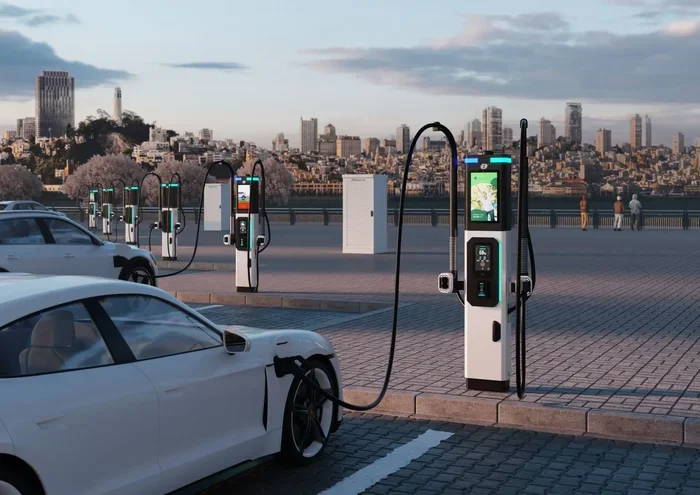
DC fast charging is the speed king. It uses high-powered stations that deliver 50 to 350 kilowatts. A 20 to 30 minute stop can add 150 to 250 miles of range. This is perfect for road trips and quick pit stops.
However, not all electric cars support the fastest speeds. Check your vehicle’s manual to see what it can handle. Also, frequent DC fast charging can slightly reduce battery health over time. Use it when you need it, but rely on slower charges for daily use.
Where to Charge Your Electric Car at Home
Home charging is the backbone of EV ownership. It is convenient, affordable, and stress-free. You never have to drive somewhere to fuel up. Your car is always ready when you leave for work.
Most people charge in their garage or carport. But what if you live in an apartment or condo? That is a common challenge. Let us look at your options.
Garage and Driveway Charging
If you have a garage or driveway, home charging is straightforward. An electrician installs a Level 2 charger on the wall or a pedestal. You park your car and plug in. It is as simple as that.
Make sure your electrical panel can handle the extra load. Older homes may need an upgrade. A licensed electrician can assess this for you. Many utility companies also offer free home energy audits. They can help you plan the best setup.
Apartment and Condo Charging Solutions
Living in a multi-unit building does not mean you cannot charge at home. Several options exist today.
- Ask your property manager: Many landlords are open to installing chargers. Some states require them to provide EV charging access.
- Portable charger: A Level 1 portable charger plugs into any standard outlet. You can charge in a designated parking spot.
- Shared charging stations: Some apartment complexes install communal chargers. Residents sign up for access through an app.
- Local government programs: Many cities offer grants for multi-unit home charging installations. Check your local incentives.
Do not let your living situation stop you from going electric. Solutions exist for almost every scenario.
Public Charging Stations and Networks
When you are away from home, public charging stations fill the gap. These stations are located at shopping centers, parking garages, rest stops, and more. The charging network has grown enormously in the last few years.
Major Charging Networks to Know
Several networks dominate the EV charging landscape. Here are the most important ones:
- Tesla Supercharger: Tesla owners have access to the most extensive fast-charging network. Non-Tesla vehicles can now use Superchargers too, thanks to adapters and network openings.
- Electrify America: One of the largest public charging networks in the US. It offers DC fast charging at many retail locations.
- EVgo: Focuses heavily on urban and highway charging stations. It is a great option for city drivers.
- ChargePoint: Offers both Level 2 and DC fast charging. It is widely available at workplaces, hotels, and shopping centers.
- Blink and SemaConnect: Smaller networks but still useful in certain regions. Good for local errands and top-ups.
How to Find Charging Stations Near You
Finding a station is easier than ever. Most electric cars come with built-in navigation that shows nearby EV charging stations. You can also use apps like PlugShare, ChargePoint, or A Better Routeplanner. These apps show real-time availability, pricing, and charger types.
Pro tip: Always check station reviews before driving to one. Some stations may be out of service or under maintenance. Apps help you avoid wasted trips.
Workplace and Destination Charging
Workplace charging is one of the best perks for EV owners. You arrive at work with a partially empty battery. You plug in and drive home with a full one. Many companies now install chargers to attract green-minded employees. Some offer free charging as a benefit.
Destination Charging at Hotels and Restaurants
Hotels, restaurants, and entertainment venues are adding EV charging stations to their parking lots. While you eat dinner or sleep, your car charges. This is called destination charging. It turns dead time into charging time.
The charging speed at destination locations is usually Level 2. So it works best for longer stops, not quick errands. But for road trips, it is a lifesaver. You wake up at your hotel with enough charge to reach your next stop.
How Much Does It Cost to Charge an Electric Car?
Charging cost is one of the biggest advantages of EV ownership. Electricity is cheaper than gasoline in most areas. But the exact cost depends on where and how you charge.
Home Charging Cost
At home, you pay your regular electricity rate. The average US rate is about $0.15 per kilowatt-hour. Charging a 60-kWh battery from empty to full costs roughly $9. That gives you about 200 miles of range. Compare that to filling a gas tank, which can easily cost $50 or more.
Some utility companies offer special EV rates. These are lower during off-peak hours, usually at night. If you charge overnight, you can save even more. Ask your utility provider about EV-friendly pricing plans.
Public Charging Cost
Public charging cost varies widely. Some networks charge by the minute, others by the kWh. DC fast charging tends to be more expensive than home charging. You might pay $0.30 to $0.60 per kWh at a public station.
But many stations offer free charging. Shopping malls and some workplaces provide complimentary sessions. And some networks offer monthly memberships that lower the per-session cost. Always check the pricing before you plug in.
Common Mistakes and How to Avoid Them
New EV owners sometimes make avoidable mistakes. Here are a few to watch out for.
Forgetting Your Charging Adapter
Not all charging stations use the same connector. The J1772 plug is standard for Level 1 and Level 2 charging. But for DC fast charging, you may need a CCS or CHAdeMO adapter. Keep the right charging adapter in your trunk, especially on road trips.
Ignoring the Charging Cable
Your charging cable is your lifeline. Do not leave it exposed to extreme weather or step on it. A damaged cable can slow your charging speed or become unsafe. Store it properly and inspect it regularly.
Relying Only on DC Fast Charging
DC fast charging is convenient, but it should not be your only method. Frequent fast charging generates more heat, which can affect long-term battery health. Stick to Level 1 or Level 2 charging for your daily routine. Reserve fast charging for when you truly need it.
Not Planning Charging Stops on Trips
Range anxiety is real, especially for new drivers. Before a long trip, map out your charging stations along the route. Plan for a stop every 150 to 200 miles. Apps make this easy. A little planning removes all the stress.
Key Takeaways
- Home charging is the most convenient option: Install a Level 2 charger in your garage or driveway for overnight power.
- Public charging stations are growing fast: Networks like Electrify America, EVgo, and Tesla Superchargers cover highways and cities.
- Workplace charging is a rising perk: Many employers now offer free charging to attract EV-driving talent.
- DC fast charging gets you back on the road quickly: A 20-minute stop can add 200+ miles of range.
- Charging cost varies by location: Home electricity is usually cheaper than public stations, but some networks offer free sessions.
- Avoid common mistakes: Don’t ignore your charging cable, adapter, or app setup — they make a big difference.
Conclusion
So where can you charge your electric car? The answer is simple: almost anywhere. At home, at work, at the mall, on highway rest stops, and even at hotels. The EV charging infrastructure is expanding rapidly, making it easier than ever to own and drive an electric vehicle.
Start with home charging if possible. It is the most affordable and convenient option. Add public charging for road trips and longer days. And take advantage of workplace charging and destination stops whenever they are available.
Understanding your options removes the guesswork. You will feel confident behind the wheel, knowing a charger is never far away. With the right setup and a little planning, charging your electric car becomes second nature. It is one of the best decisions you can make for your wallet and the planet.
FAQs
How long does it take to charge an electric car at home?
It depends on the charger level. A Level 1 charger takes 8 to 12 hours for a full charge. A Level 2 charger takes 4 to 8 hours. Most people plug in overnight and wake up with a full battery every morning.
Is public charging free?
Some public stations are free, especially at shopping centers and workplaces. But most DC fast charging stations charge a fee. The cost varies by network and location. Always check the pricing before you start charging.
Can I use any charging station with my electric car?
Most EV charging stations support the J1772 connector for Level 1 and Level 2 charging. For DC fast charging, you need a CCS or CHAdeMO port depending on your vehicle. Tesla uses its own connector but now offers adapters for other networks.
Does cold weather affect charging speed?
Yes, cold weather can slow down charging speed, especially for DC fast charging. Batteries perform best between 60 and 80 degrees Fahrenheit. Preconditioning your battery before a fast charge helps maintain optimal speed.
How do I pay for public charging?
Most networks require an app or a membership card. You can also use contactless payment at many newer stations. Some networks charge per session, while others bill by the minute or per kWh. Download the apps for the networks in your area before you need them.
Will charging my electric car raise my electricity bill?
Yes, but only slightly. Home charging adds a modest amount to your monthly bill. However, it is still much cheaper than gasoline. Many utility companies offer special EV rates that make overnight charging even more affordable. Check with your provider for available plans.