Should ECT Power Be On or Off for Your Electrical Unit
ECT Power is a switch found in many vehicles that changes how your automatic transmission shifts gears. Keeping ECT Power on can boost throttle response and make passing safer, but leaving it on all the time may hurt your fuel economy and transmission longevity. This guide covers exactly when to turn ECT Power on or off for the best results.
If you have ever noticed a button or switch labeled “ECT Power” on your dashboard or console, you are not alone. Many drivers see it and wonder what it does. Should ECT Power be on or off? The answer depends on how you drive and what you need from your vehicle.
ECT Power stands for Electronic Controlled Transmission Power. It is a simple switch that changes how your car’s automatic transmission behaves. When you flip it on, your transmission holds gears longer and shifts later. This gives you more power when you need it. When you turn it off, your car shifts earlier for a smoother, more efficient ride.
Understanding this switch can make a real difference in how your car feels on the road. It affects everything from your throttle response to your fuel economy. Let us break down exactly when and why you should use it.
Key Takeaways
- ECT Power ON: Use it for quick acceleration, hill climbing, and towing to get sharper gear changes.
- ECT Power OFF: Turn it off for daily driving, highway cruising, and better gas mileage.
- Transmission Health: Misusing ECT Power can cause extra wear on your shift solenoid and transmission fluid.
- Fuel Economy: Running ECT Power on constantly can reduce your miles per gallon by up to 10-15%.
- Driving Modes: Think of ECT Power as a simple sport mode that changes your transmission shift points.
- RPM Range: ECT Power keeps your engine in a higher RPM range for faster response.
- City vs Highway: ECT Power works best in city driving; turn it off on the open road.
📑 Table of Contents
- What Is ECT Power and How Does It Work?
- When Should You Turn ECT Power On?
- When Should You Turn ECT Power Off?
- ECT Power On vs Off: A Side-by-Side Comparison
- Common Mistakes People Make With ECT Power
- Expert Tips for Getting the Most Out of ECT Power
- How ECT Power Affects Your Vehicle Over Time
- The Bottom Line on ECT Power
What Is ECT Power and How Does It Work?
ECT Power is a feature found in many vehicles, especially Toyota, Lexus, and other Japanese brands. The switch sends a signal to your car’s ECU (Engine Control Unit). The ECU then changes the transmission shift points to give you a more aggressive driving feel.
When ECT Power is off, your transmission shifts up early. This keeps your engine RPM low. It helps with fuel savings and a quiet ride. When ECT Power is on, the transmission holds lower gears longer. Your engine stays in a higher RPM range. This means faster acceleration and more responsive passing power.
How the Transmission Shift Points Change
Your automatic transmission uses shift solenoids to control when gears change. In normal mode, the solenoids tell the transmission to upshift quickly. This saves fuel and reduces engine noise. When ECT Power is on, the solenoids delay the upshift. The transmission stays in a lower gear. This keeps the engine working harder and ready to go.
Think of it like this. Normal mode is like walking at a comfortable pace. ECT Power is like switching to a jog. You are using more energy, but you move faster when you need to.
What Happens Inside the Transmission
When you activate ECT Power, several things happen at once. The transmission fluid pressure may change slightly. The gear ratio stays in a range that favors power over efficiency. The throttle response becomes sharper. Your car feels more lively and ready to respond.
These changes are small but noticeable. You will feel the difference when you press the gas pedal. The car responds faster. The engine revs higher before it shifts. This can be very useful in certain situations.
When Should You Turn ECT Power On?
There are clear times when turning ECT Power on makes sense. It is not something you should use all the time. But in the right moments, it can improve your driving experience.
For Quick Passing on Highways
Have you ever been on a two-lane road and needed to pass a slow truck? That is the perfect time to turn ECT Power on. With it activated, your car downshifts faster. The engine picks up RPM quickly. You get the power you need to complete the pass safely.
Without ECT Power, your car may hesitate. It might need to downshift twice. This delay can feel unsafe when you are trying to merge quickly. ECT Power removes that lag.
For Hill Climbing and Mountain Roads
Driving up steep hills puts a lot of strain on your engine and transmission. When ECT Power is on, your transmission holds lower gears. This keeps the engine in its power band. You get better climbing ability without the transmission hunting between gears.
On mountain roads, this feature is a real help. It prevents the transmission from constantly shifting up and down. That reduces wear on the shift solenoid and keeps your drive smoother.
When Towing a Trailer or Carrying Heavy Loads
If you tow a trailer or haul heavy cargo, ECT Power can be your best friend. The extra power from lower gear ranges helps your vehicle handle the weight. Your transmission does not have to work as hard to find the right gear.
However, there is a catch. Towing already puts stress on your transmission fluid. Running ECT Power for long periods can increase heat. Always monitor your transmission temperature when towing for extended distances.
For Sporty Driving and Fun Weekend Runs
Sometimes you just want to enjoy your car. ECT Power makes your driving feel sportier. The engine responds faster. The shifts feel more deliberate. It is a simple way to add excitement to your daily commute or weekend cruise.
Just remember to turn it off when you are done. Leaving it on for no reason wastes fuel and adds unnecessary wear over time.
When Should You Turn ECT Power Off?
There are just as many reasons to keep ECT Power off as there are to turn it on. Most of your daily driving should happen with this switch in the off position.
For Daily Commuting and City Driving
During your normal work commute, ECT Power is not necessary. City driving involves lots of stop-and-go traffic. In this situation, early shifting helps your engine stay efficient. It also reduces the strain on your transmission components.
When ECT Power is off, your car shifts smoothly and early. The engine stays at a low RPM. You get a comfortable ride with good fuel economy. This is exactly what you want for your daily drive.
For Highway Cruising and Fuel Economy
On long highway trips, you want your car to be as efficient as possible. ECT Power off allows the transmission to lock into overdrive. Overdrive is the highest gear ratio. It keeps the engine RPM low and saves fuel.
Studies show that running ECT Power constantly can reduce your fuel economy by 10 to 15 percent. That adds up over time. For highway driving, always keep ECT Power off to get the best miles per gallon.
For Transmission Longevity and Maintenance
Your automatic transmission is one of the most expensive parts of your car. Taking care of it should be a priority. Running ECT Power all the time puts extra stress on the shift solenoid and other internal parts.
The transmission fluid also heats up faster when ECT Power is on. Excessive heat breaks down the fluid faster. This leads to poor shifting and potential damage over time. Keeping ECT Power off during normal use helps your transmission last longer.
For Smooth and Quiet Driving
One of the biggest differences with ECT Power off is the noise level. Your engine stays quieter because it operates at lower RPMs. The ride feels smoother because the transmission shifts early and often.
If you value a peaceful cabin and a relaxed driving experience, keep ECT Power off. It is the better choice for most everyday situations.
ECT Power On vs Off: A Side-by-Side Comparison
It helps to see the differences side by side. Here is a quick look at how ECT Power on and off compare across key areas.
| Feature | ECT Power ON | ECT Power OFF |
|---|---|---|
| Shift Timing | Later shifts, holds lower gears | Early shifts, upshifts quickly |
| Throttle Response | Sharper and more immediate | Normal and smooth |
| Fuel Economy | Reduced by 10-15% | Optimized for best MPG |
| Engine RPM | Higher RPM range | Lower RPM range |
| Best For | Passing, towing, hills | Daily driving, highway cruising |
| Transmission Wear | Slightly higher | Lower and gentler |
| Noise Level | Louder engine note | Quieter and calmer |
| Gear Ratio | Stays in lower ratios | Reaches overdrive faster |
This table shows that neither setting is wrong. They serve different purposes. The key is knowing when to use each one.
Common Mistakes People Make With ECT Power
Many drivers make avoidable mistakes with this switch. Learning what not to do can save you money and headaches.
Leaving ECT Power On All the Time
This is the most common mistake. Some drivers flip the switch on and forget about it. Over time, this habit hurts your fuel economy. It also causes extra wear on your transmission. The higher RPM range means more work for every component.
Make it a habit to check your ECT Power setting before you start driving. Turn it off for normal trips. Turn it on only when you need the extra power.
Using ECT Power in Heavy Traffic
In stop-and-go traffic, ECT Power does not help. Your car is constantly accelerating and braking. The transmission is already working hard. Adding ECT Power to the mix increases heat and wear without any real benefit.
Keep ECT Power off in traffic. Your transmission will thank you.
Ignoring Transmission Fluid Maintenance
If you do use ECT Power regularly, you need to be extra careful with your transmission fluid. The fluid breaks down faster under higher stress. Change it at the recommended intervals. Check the fluid level regularly. This simple step can prevent costly repairs.
Expert Tips for Getting the Most Out of ECT Power
Here are some practical tips from experienced drivers and automotive experts to help you use ECT Power wisely.
Tip 1: Use It Only When Needed
The golden rule of ECT Power is simple. Only turn it on when you need the extra performance. For most drivers, that means using it for passing, hill climbing, and towing. For everything else, keep it off.
Tip 2: Monitor Your Transmission Temperature
Some vehicles have a transmission temperature gauge. If yours does, watch it closely when ECT Power is on. If the temperature starts climbing, turn ECT Power off to let things cool down. Excessive heat is the number one killer of automatic transmissions.
Tip 3: Combine ECT Power with Proper Maintenance
ECT Power works best when your vehicle is well-maintained. Fresh transmission fluid ensures smooth operation. A healthy shift solenoid responds quickly to ECU commands. Regular maintenance keeps everything working as it should.
Tip 4: Know Your Vehicle
Not all cars handle ECT Power the same way. Some vehicles are more sensitive to the switch than others. Read your owner’s manual. Understand how your specific model responds. This knowledge helps you make better decisions on the road.
Tip 5: Consider Your Driving Environment
Your driving environment should guide your ECT Power choice. In the city, keep it off. On open roads, it depends on your needs. In mountains, turn it on. In hot weather, be extra cautious because heat affects transmission longevity more than anything else.
How ECT Power Affects Your Vehicle Over Time
Using ECT Power correctly has very little negative impact on your vehicle. But using it incorrectly can cause problems over the long term.
The transmission shift points change when ECT Power is on. This means the shift solenoid works differently. It engages and disengages at different times. Over thousands of miles, this can affect how the solenoid wears.
The transmission fluid also takes a beating. Higher RPM ranges mean more friction. More friction means more heat. More heat breaks down the fluid faster. Dirty fluid leads to poor shifting. Poor shifting leads to bigger problems.
On the positive side, using ECT Power correctly can actually help your vehicle. When you need extra power, having it available reduces the strain on your engine. You do not have to push the pedal as hard. The transmission responds better. This balanced approach keeps everything running smoothly.
The key is balance. Use ECT Power when it makes sense. Turn it off when it does not. Your vehicle will last longer and perform better for it.
The Bottom Line on ECT Power
So, should ECT Power be on or off? The answer is both, depending on the situation. ECT Power is a useful tool, not a setting you should leave in one position permanently. Use it on when you need extra performance. Use it off for normal, efficient driving.
Understanding this simple switch gives you more control over your vehicle. You get better performance when you want it. You get better fuel economy when you do not. Your automatic transmission stays healthier for longer.
Make it a habit to check your ECT Power setting before you drive. A quick glance at the console can save you fuel, reduce wear, and improve your overall driving experience. It is one of those small things that makes a big difference over time.
Take a few minutes to learn how your specific vehicle responds to ECT Power. Read the manual. Try it out in safe conditions. Once you understand how it works, you will wonder how you ever drove without paying attention to it.
Your car is a machine designed to serve you. Using features like ECT Power correctly helps you get the most out of it. Drive smart, maintain your vehicle, and enjoy every mile.
Frequently Asked Questions
What does ECT Power do in a car?
ECT Power changes how your automatic transmission shifts gears. When turned on, it holds lower gears longer for faster acceleration and better throttle response. When turned off, the transmission shifts early for a smoother and more fuel-efficient ride.
Is it bad to drive with ECT Power on all the time?
Yes, driving with ECT Power on constantly is not ideal. It reduces fuel economy by up to 15 percent and increases wear on your transmission shift solenoid and transmission fluid. Use it only when you need extra power for passing, towing, or hill climbing.
Can ECT Power damage my transmission?
Using ECT Power occasionally will not damage your automatic transmission. However, running it all the time generates extra heat and stress. This can break down transmission fluid faster and lead to premature wear on internal components over time.
When should I turn ECT Power off?
Turn ECT Power off for daily commuting, highway cruising, and city driving. It is also best to turn it off in heavy traffic and during hot weather. These conditions already stress your transmission, and ECT Power adds extra heat and wear.
Does ECT Power affect fuel economy?
Yes, ECT Power has a direct impact on fuel economy. When it is on, your engine runs at higher RPMs and shifts later. This uses more fuel. Turning ECT Power off allows your transmission to reach overdrive sooner, which improves your miles per gallon significantly.
Which vehicles have ECT Power?
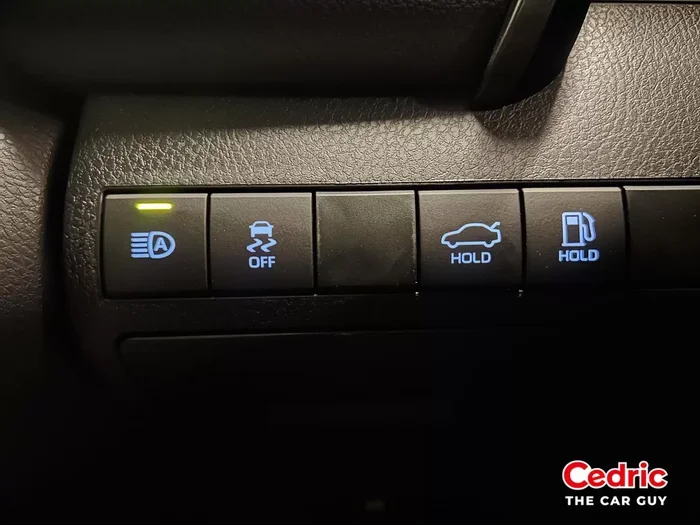
ECT Power is most commonly found in Toyota, Lexus, and other Japanese brand vehicles. It may also appear in some models from other manufacturers. Check your owner’s manual or look for the switch on your console or dashboard to see if your car has this feature.
=== CONCLUSION ===
ECT Power is a simple but powerful feature that can change how your car drives. The key to using it well is understanding when to turn it on and when to turn it off. Use ECT Power on for passing, towing, and hill climbing. Keep it off for daily driving, highway cruising, and city commutes.
This small switch affects your transmission shift points, throttle response, fuel economy, and even the life of your automatic transmission. Taking a few seconds to adjust it based on your driving situation can save you money and make your ride more enjoyable.
Now that you know the answer to “Should ECT Power be on or off,” you can drive with more confidence and control. Make ECT Power work for you, not against you. Your vehicle will perform better, last longer, and give you a smoother experience every time you hit the road.