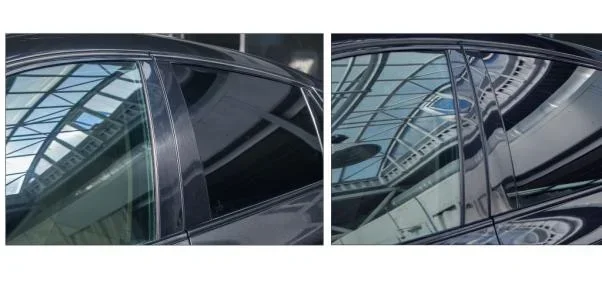
Metallized Auto Tint: Pros and Cons You Need to Know
Metallized auto tint uses tiny metallic particles to block heat and UV rays from your car’s interior. It delivers excellent heat rejection, glare reduction, and a sleek shiny finish that many drivers love. However, it can interfere with GPS, phone signals, and electronic systems inside your vehicle.
This is a comprehensive guide about Metallized Auto Tint: Advantages and Disadvantages.
Key Takeaways
- Superior Heat Rejection: Metallized auto tint blocks a high percentage of solar heat, keeping your car cabin cooler in hot weather.
- Strong UV Protection: The metallic layer blocks up to 99% of harmful UV rays, protecting your skin and your car’s interior from fading.
- Signal Interference Risk: The metal particles can disrupt GPS, radio, and cell phone signals inside your vehicle.
- Durable and Scratch-Resistant: Metallized film is tougher than dyed film and holds up well over time.
- Not Legal Everywhere: Many states have strict laws on how reflective or dark your tint can be.
- Higher Cost Than Basic Tint: Metallized options cost more than standard dyed films but less than ceramic alternatives.
- Shiny Appearance: The metallic finish gives a distinctive look that not everyone prefers.
[FEATURED_IMAGE_PLACEHOLDER]
What Is Metallized Auto Tint?
Metallized auto tint is a type of car window tinting film that contains tiny metallic particles embedded into the film layers. These particles create a reflective surface that helps block heat, glare, and harmful UV radiation from entering your vehicle.
If you have ever seen a car with a mirror-like shine on its windows, you have seen metallized tint in action. The metallic particles are sputtered onto the film during manufacturing, creating a layer that reflects solar energy rather than absorbing it. This is different from dyed film, which simply absorbs heat and can fade over time.
Many car owners choose metallized auto tint because it offers a strong combination of performance and style. It keeps your cabin cooler, protects your interior from sun damage, and gives your vehicle a polished, premium look. But like any product, it comes with trade-offs that you should understand before making a decision.
The automotive window film market has grown significantly in recent years. More drivers are investing in window tint for reasons beyond just aesthetics. Heat reduction, privacy, and UV protection are now top priorities for car owners in hot climates and beyond.
How Metallized Auto Tint Works
The science behind metallized tint is straightforward but effective. The film contains multiple layers, and one of those layers holds the metallic particles. These particles form a microscopically thin reflective barrier on your car windows.
When sunlight hits the window, the metallic layer bounces a large portion of the solar energy back outside. This process is called infrared rejection. It stops heat from entering your car before it even reaches the glass surface.
Here is how the layers of metallized tint work together:
- Scratch-Resistant Coating: The outermost layer protects the film from everyday wear and scratches.
- Metallic Layer: This is the core layer that reflects heat and blocks UV rays.
- Adhesive Layer: This bonds the film securely to your window glass.
- UV Blocking Layer: This layer absorbs harmful ultraviolet radiation.
- Inner Scratch Layer: Protects the adhesive side from damage during installation.
The visible light transmission (VLT) percentage determines how much light passes through the tint. A lower VLT means a darker tint. Most metallized films range from 5% to 50% VLT, depending on local window tint laws and personal preference.
One key advantage of metallized film is that the reflective layer does not fade the way dyed film does. The metal particles are bonded at a molecular level, so they stay effective for many years without discoloration.
Top Advantages of Metallized Auto Tint
Excellent Heat Rejection
The biggest reason people tint their car windows is to reduce heat. Metallized auto tint excels at this. The metallic particles reflect a large share of solar energy, keeping your car interior significantly cooler compared to untinted windows.
On a hot summer day, a car without tint can reach temperatures above 150 degrees Fahrenheit inside. With quality metallized tint, that temperature can drop by 30 to 50 degrees. This means a more comfortable drive and less reliance on your air conditioning system.
Superior UV Protection
Ultraviolet rays can cause serious skin damage over time. They also fade your car’s dashboard, seats, and trim. Metallized tint blocks up to 99% of UV radiation, offering strong interior protection and skin protection for everyone inside the vehicle.
This is especially important for drivers who spend long hours on the road. Whether you commute daily or take frequent road trips, UV protection helps preserve your car’s interior and your health.
Enhanced Privacy and Security
The reflective surface of metallized tint gives you privacy from outside viewers. During the day, people outside cannot easily see into your car. This adds a layer of privacy and security for your belongings.
If you park your car in public spaces frequently, this feature alone can deter potential thieves. They cannot see what is inside your vehicle, making it a less attractive target.
Durability and Longevity
Metallized film is tougher than standard dyed film. The metallic particles add structural strength to the film, making it more resistant to scratches and peeling. A good quality metallized tint can last 10 to 15 years with proper care.
This durability means you get better long-term value for your investment. You will not need to replace the film as often as you would with cheaper alternatives.
Glare Reduction
Driving with too much glare can be dangerous. It strains your eyes and reduces visibility, especially during sunrise and sunset. Metallized tint significantly reduces glare from the sun and from headlights at night, making your driving experience safer and more comfortable.
Quick Tips for Maximizing Glare Reduction
- Choose a tint with a VLT between 15% and 35% for the best balance of glare reduction and visibility.
- Apply tint to your front side windows and rear windows for full coverage.
- Keep your windows clean. Dirt and grime can reduce the effectiveness of any tint.
Improved Resale Value
Many car buyers look for vehicles that already have quality window tint. A well-applied metallized auto tint can boost your car’s resale value. It signals that the vehicle has been well-maintained and offers added comfort features.
The Downsides You Should Know
Signal Interference with Electronics
This is the most significant drawback of metallized tint. The metallic particles can block or weaken electronic signals that pass through your car windows. This includes GPS signals, cell phone reception, radio frequency, and even toll pass transponders.
If you rely heavily on your phone for navigation or hands-free calling, this interference can be frustrating. Some drivers report dropped calls or weak GPS signals after installing metallized tint on their vehicles.
However, newer generations of metallized film have improved significantly. Some brands now use sputtered film technology that reduces signal interference while maintaining strong heat rejection.
Shiny, Reflective Appearance
While many people love the mirror-like finish of metallized tint, others find it too flashy. The reflective appearance can look out of place on certain vehicles, especially those with a more subtle or classic design.
If you prefer a more natural, clear look on your windows, metallized tint may not be the best choice for you. This is where ceramic tint or carbon tint might be a better alternative.
Higher Cost Than Dyed Film
Metallized tint costs more than basic dyed film. The manufacturing process is more complex, and the materials are more expensive. However, it is generally more affordable than high-end ceramic tint, which makes it a good middle-ground option.
Expect to pay anywhere from $100 to $400 for a full vehicle tint job with metallized film, depending on your location, the number of windows, and the quality of the film.
Not All Tint Shops Handle It the Same Way
Because metallized film has a metallic layer, it requires more skill and experience to install properly. Some tint shops may not be familiar with the specific techniques needed for metallized film. A poor installation can lead to bubbles, peeling, or uneven appearance.
Common Mistakes to Avoid
- Choosing the cheapest installer: Low price often means low quality installation, which leads to peeling and bubbling.
- Ignoring local tint laws: Every state has different regulations on tint darkness and reflectivity. Getting caught with illegal tint can result in fines.
- Skipping the warranty: Always ask for a written warranty that covers bubbling, peeling, and fading.
- Tinting all windows too dark: Very dark tints on front side windows can reduce visibility and may not be legal in many states.
Limited Color Options
Most metallized tints come in a limited range of shades, and they all share that characteristic metallic sheen. If you want a specific color or a completely non-reflective look, your options with metallized film are quite limited.
Metallized Auto Tint vs. Other Tint Types
Choosing the right tint can be confusing when so many options exist. Here is how metallized auto tint compares to the most popular alternatives on the market.
| Feature | Metallized Tint | Dyed Tint | Ceramic Tint |
|---|---|---|---|
| Heat Rejection | Excellent | Good | Excellent |
| UV Protection | Up to 99% | Up to 90% | Up to 99% |
| Signal Interference | Yes, possible | No | No |
| Reflective Appearance | Yes, shiny | No, matte | No, matte |
| Durability | High | Low to Medium | Very High |
| Price Range | $$ | $ | $$$ |
| Fade Resistance | Excellent | Poor | Excellent |
| Glare Reduction | Excellent | Good | Excellent |
As you can see from the table, metallized auto tint offers a strong balance of performance and cost. It outperforms dyed film in nearly every category while being more affordable than ceramic film. The main trade-off is the potential for signal interference and the reflective appearance.
Dyed tint is the most budget-friendly option, but it fades over time and offers less heat rejection. Ceramic tint is the premium choice with no signal interference and the best performance, but it comes at a much higher price point.
Expert Insight: Which Tint Type Is Right for You?
According to automotive tinting professionals, metallized film is the best choice for drivers who want strong performance without paying ceramic-level prices. If you live in a hot climate and spend a lot of time driving, the heat rejection benefits of metallized tint are hard to beat.
However, if you rely on electronic devices in your car or prefer a non-reflective look, consider carbon tint or ceramic tint as your alternatives. Both offer excellent performance without the signal interference issues.
How to Pick the Best Metallized Auto Tint for Your Car
Check Your Local Window Tint Laws
Before you buy anything, research the window tint laws in your state or country. Different regions have different rules about how dark your tint can be and how reflective it can appear. Violating these laws can result in fines and even requiring you to remove the tint.
Most states regulate tint percentage based on which window you are tinting. Front side windows usually need to have a higher VLT than rear windows. The windshield also has specific rules, often allowing only a thin strip at the top.
Choose the Right VLT for Your Needs
The visible light transmission percentage is one of the most important decisions you will make. Here is a quick guide:
- 5% to 20% VLT: Very dark. Maximum privacy and heat rejection. Often illegal for front windows.
- 20% to 35% VLT: Medium dark. A good balance of privacy, heat rejection, and visibility. Legal in most states for front side windows.
- 35% to 50% VLT: Light tint. Subtle look with moderate heat reduction. Usually legal everywhere.
- 50%+ VLT: Very light. Minimal tint effect. Great for those who want a slight upgrade without a dramatic change.
Pick a Reputable Brand
Not all metallized tint films are created equal. Some brands use low-quality metallic particles that peel or fade quickly. Look for well-known brands that offer strong warranties and have positive customer reviews.
Popular metallized tint brands in the automotive industry include Llumar, 3M, SunTek, and Solar Gard. Each offers different levels of performance and price points.
Invest in Professional Installation
While DIY tint kits exist, professional installation is strongly recommended for metallized tint. The metallic layer requires precise handling and application techniques to avoid bubbles, creases, and signal interference issues.
A skilled installer will also help you choose the right film for your specific vehicle and ensure compliance with local tint laws. The extra cost is worth the peace of mind and long-lasting results.
Quick Tips for Choosing Your Tint
- Ask for a sample of the film before committing. Hold it up to your window and check the color and reflectivity.
- Ask about the warranty coverage. A good warranty should last at least 5 years.
- Consider your climate. If you live in a very hot area, prioritize heat rejection over appearance.
- Think about your daily tech use. If you use GPS and hands-free calling frequently, consider a low-interference metallized or ceramic option.
Understand the Cost Breakdown
The cost of metallized auto tint varies based on several factors. These include the brand of the film, the number of windows, the quality of installation, and your geographic location. Here is a rough breakdown:
- Partial tint (front and rear): $150 to $250
- Full vehicle tint: $250 to $400
- Premium metallized brands: $350 to $500
Remember that the cheapest option is not always the best. Poor quality tint can bubble, peel, and fade within a year or two. Investing in a quality film and professional installation saves you money in the long run.
Final Verdict: Is Metallized Auto Tint Worth It?
After weighing all the advantages and disadvantages, metallized auto tint stands out as a strong choice for most car owners. It offers excellent heat rejection, outstanding UV protection, great durability, and a sleek reflective look. These benefits make it one of the most popular options in the automotive window film market today.
The main drawbacks are the potential for signal interference and the reflective appearance. If these are deal-breakers for you, consider carbon tint or ceramic tint as alternatives. However, if you want a balance of performance, style, and value, metallized tint delivers on all fronts.
Before making your final decision, always check your local window tint laws, choose a reputable brand, and invest in professional installation. These steps ensure you get the best results and enjoy your metallized auto tint for many years to come.
The right tint can transform your driving experience. Your car stays cooler, your interior stays protected, and you enjoy a level of privacy and comfort that untinted windows simply cannot match. Take your time, do your research, and choose the option that fits your needs and budget best.
FAQs
How long does metallized auto tint last?
With proper care and professional installation, metallized tint can last between 10 and 15 years. The metallic particles are bonded at a molecular level, which makes the film highly resistant to fading and peeling compared to standard dyed film.
Can metallized tint affect my car’s resale value?
Yes, in a positive way. Quality window tint is a desirable feature for many car buyers. A well-maintained metallized tint can make your vehicle more attractive on the resale market and potentially increase its value.
Is metallized tint legal in all states?
No, window tint laws vary by state and country. Most states regulate the darkness and reflectivity of tint on different windows. Always check your local regulations before having tint installed to avoid fines or removal requirements.
Can I use my phone or GPS with metallized tint?
Metallized tint can potentially interfere with GPS and cell phone signals because of the metallic particles in the film. However, modern metallized films have improved significantly, and the interference is often minimal. If signal issues are a major concern, consider low-interference metallized or ceramic options.
How is metallized tint different from ceramic tint?
Metallized tint uses metallic particles to reflect heat and UV rays, while ceramic tint uses non-metallic ceramic particles. Ceramic tint offers similar or better performance without any signal interference, but it costs significantly more than metallized tint.
Does metallized tint fade over time?
No, metallized tint is highly resistant to fading. The metallic particles are sputtered onto the film during manufacturing, making them durable and long-lasting. Unlike dyed film, which can fade and turn purple over time, metallized tint maintains its color and performance for many years.
Frequently Asked Questions
What is Metallized Auto Tint: Advantages and Disadvantages?
Metallized Auto Tint: Advantages and Disadvantages is an important topic with many practical applications.