How Do You Use a Cargo Net A Simple Step By Step Guide
Learning how do you use a cargo net is essential for safe and secure transport. This guide walks you through every step, from choosing the right net to securing your load properly. Whether you use a truck, SUV, or car, you will find practical tips that make cargo net usage easy and effective.
Have you ever loaded up your truck or car for a road trip, only to worry about your stuff sliding around the whole way? That is where a cargo net comes in handy. How do you use a cargo net might seem like a simple question, but there is a lot more to it than just tossing one over your load. A cargo net is one of the most underrated tools for vehicle cargo management. It keeps your belongings secure, protects them from damage, and helps you stay safe on the road.
In this guide, we will walk you through everything you need to know. From picking the right cargo net to installing it like a pro, we have got you covered. You will learn how to secure cargo properly, avoid common pitfalls, and keep your load restraint system in great shape for years. Let us dive in.
Key Takeaways
- Choosing the right cargo net depends on your vehicle type and load size.
- Proper installation prevents cargo shift and keeps you safe on the road.
- Tension matters — a loose net defeats the purpose of load restraint.
- Regular inspection extends the life of your cargo net and ensures safety.
- Common mistakes like overloading or using damaged nets can cause accidents.
- Maintenance tips keep your cargo retention system in top shape.
- Using the right accessories like cargo straps and bungee cords boosts security.
📑 Table of Contents
- What Is a Cargo Net and Why You Need One
- Types of Cargo Nets You Can Choose From
- Step-by-Step Guide on How Do You Use a Cargo Net
- Tips for Securing Your Load the Right Way
- Common Mistakes People Make with Cargo Nets
- Maintaining Your Cargo Net for Long-Lasting Performance
- Benefits of Using a Cargo Net for Vehicle Cargo Management
- Frequently Asked Questions
- Conclusion
What Is a Cargo Net and Why You Need One
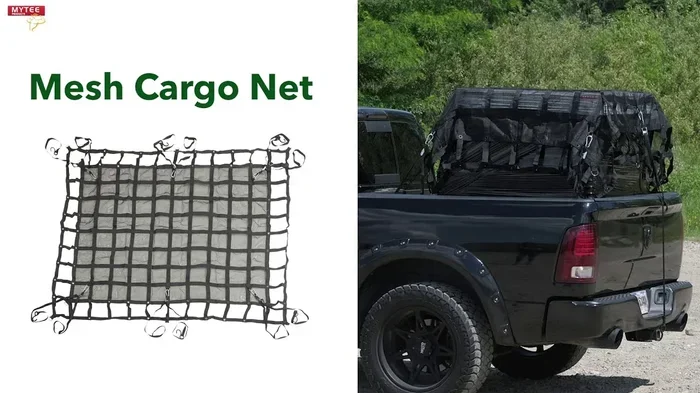
A cargo net is a flexible net made from strong materials like nylon or polyester. It stretches over your load to hold everything in place. You will find them in many shapes and sizes. Some are designed for truck cargo, while others work great for roof cargo or even inside your car.
The main purpose of a cargo net is simple: prevent your stuff from moving while you drive. Imagine hitting a bump at highway speed with loose boxes in the back of your truck. Without a cargo net, those boxes could fly around and cause serious damage. A good elastic cargo net or cargo retention system keeps everything snug and secure.
Why Cargo Net Usage Matters for Road Safety
Road safety cargo is not just a buzzword. It is a real concern for every driver. Unsecured loads cause thousands of accidents each year. A cargo net helps you avoid becoming a statistic. Here is why it matters:
- Prevents cargo shift during sudden stops or turns.
- Protects your belongings from damage caused by movement.
- Reduces distractions caused by loose items sliding around.
- Meets legal requirements for load securing in many regions.
- Saves you money by preventing lost or damaged items.
Using a cargo net is one of the easiest ways to improve your transport cargo safely habits. It takes just a few minutes to set up and can save you a lot of headaches.
Types of Cargo Nets You Can Choose From
Not all cargo nets are the same. Before you learn how do you use a cargo net, you need to pick the right one. Different vehicles and loads require different types. Here are the most common options you will find.
Elastic Cargo Nets
Elastic cargo nets are stretchy and flexible. They are perfect for lighter loads like groceries, camping gear, or soft bags. You can find them in round or rectangular shapes. Most come with hooks or ties that attach easily to your vehicle’s anchor points.
Heavy-Duty Cargo Nets
If you are hauling heavy items like tools, furniture, or construction materials, you need a heavy-duty cargo net. These are made from thicker, more durable materials. They often have reinforced edges and stronger tie-down points. A heavy-duty cargo net is essential for pickup truck cargo and trailer loads.
Roof Cargo Nets
Roof cargo nets are designed to stretch across your roof rack. They are great for bulky items like bikes, kayaks, or extra luggage. These nets work well with roof cargo carriers and help keep your load balanced on top of your vehicle.
Trunk and Interior Cargo Nets
Some cargo nets are designed for inside your vehicle. These are smaller and fit in trunks or back seats. They keep items from sliding around during daily commutes or short trips. They are especially useful for pet owners and families.
| Type | Best For | Material | Load Capacity |
|---|---|---|---|
| Elastic Cargo Net | Light loads, groceries | Nylon, rubber | Up to 30 lbs |
| Heavy-Duty Cargo Net | Heavy items, tools | Polyester, reinforced nylon | 50-200 lbs |
| Roof Cargo Net | Bulky items, bikes | Nylon, polyester | Up to 100 lbs |
| Interior Cargo Net | Trunk items, pets | Nylon, mesh | Up to 20 lbs |
Step-by-Step Guide on How Do You Use a Cargo Net
Now that you know the types, let us get into the real question: how do you use a cargo net. This step-by-step guide will walk you through the entire process. Follow these steps and you will have your load secured in no time.
Step 1: Assess Your Load
Before you even touch the cargo net, take a look at what you are hauling. What is the size and weight of your load? Is it one big item or several smaller ones? Knowing this helps you choose the right cargo net and plan your setup.
For example, if you are moving a single large box, a small cargo net with a few tie-downs will work fine. But if you have multiple items of different sizes, you might need a larger net or a combination of nets and cargo straps.
Step 2: Choose the Right Cargo Net
Based on your load assessment, pick the appropriate cargo net. Remember the types we discussed earlier. If you are unsure, go one size bigger. A slightly larger net is easier to work with than one that is too small.
Also check the weight rating. Every cargo net has a maximum load capacity. Do not exceed it. Overloading your cargo retention system can lead to failure and accidents.
Step 3: Position the Cargo Net
Place the cargo net over or around your load. Make sure it covers the entire load evenly. If you are using a roof cargo net, stretch it across the roof rack and center your load on top.
For truck beds or car trunks, lay the net flat over the items first. You want full coverage without any gaps. Gaps are where loads can slip through and become dangerous.
Step 4: Attach the Net to Anchor Points
Most cargo nets come with hooks, ties, or loops. Attach these to your vehicle’s anchor points. In a truck bed, these are usually the stake pockets or tie-down loops. In a car, look for cargo hooks behind the seats or in the trunk.
Work your way around the load, attaching one side at a time. Pull the net snug as you go, but do not overstretch it. The goal is firm tension, not tightness that could tear the material.
Step 5: Adjust and Tighten
Once all sides are attached, go around and adjust the tension. A cargo net should feel firm but still have a little give. If it is too loose, your load can still shift. If it is too tight, you risk tearing the net or stretching it out.
Use cargo straps or bungee cords to add extra tension if needed. These accessories give you more control over how tight the net sits. A well-tensioned cargo net is the difference between a secure load and a dangerous one.
Step 6: Do a Final Check
Before you hit the road, do a quick inspection. Push and pull the load gently to see if anything moves. Check all attachment points to make sure they are secure. Give the cargo net a visual inspection for any tears, fraying, or weak spots.
This final check takes less than a minute but can save you from a lot of trouble on the road. Transport cargo safely starts with this simple habit.
Tips for Securing Your Load the Right Way
Using a cargo net is only part of the equation. Here are some expert tips that will help you secure cargo like a pro.
Use Multiple Tie-Down Methods
A single cargo net might not be enough for heavy or awkward loads. Combine it with cargo straps, ratchet straps, or bungee cords for extra security. Think of your load restraint system as layers of protection. The more layers, the safer your cargo.
Distribute Weight Evenly
Place heavier items at the bottom and lighter ones on top. This keeps your vehicle balanced and prevents the load from shifting. Uneven weight distribution is one of the leading causes of cargo shift during transit.
Keep the Net Clean and Dry
Dirt and moisture can weaken your cargo net over time. Store it in a dry place when not in use. If it gets wet, let it dry completely before folding it up. This simple habit extends the life of your net significantly.
Do Not Overload Your Net
Every cargo net has a weight limit. Exceeding it can cause the net to tear or snap. Check the manufacturer’s guidelines and stay within the recommended capacity. When in doubt, use a heavier-duty option.
Quick Tips
- Always use cargo straps in addition to your cargo net for heavy loads.
- Double-check all attachment points before every trip.
- Replace your cargo net if you notice any tears or worn spots.
- Label heavy items so you know their weight before loading.
- Keep bungee cords as backup accessories in your vehicle.
Common Mistakes People Make with Cargo Nets
Even with the best intentions, people make mistakes when using cargo nets. Here are the most common ones and how to avoid them.
Using the Wrong Size Net
One of the biggest mistakes is using a cargo net that is too small for the load. A small net cannot cover the load properly, leaving gaps where items can fall out. Always choose a net that is slightly larger than your load.
Skipping the Tension Check
A loose cargo net is almost as bad as no net at all. Many people attach the net and drive off without checking the tension. Always adjust and tighten the net before every trip. A cargo retention system only works when it is properly tensioned.
Ignoring Wear and Tear
Cargo nets take a beating over time. Frayed edges, holes, and stretched material all weaken the net. Do not keep using a damaged cargo net. Replace it immediately to maintain your load restraint safety.
Overloading Beyond Capacity
It is tempting to squeeze in one more item, but overloading is dangerous. Every cargo net has a limit. Going over that limit can cause the net to break, sending items flying on the road. Respect the weight rating and stay safe.
Not Using Anchor Points Properly
Some people attach the cargo net to random points that are not designed for load securing. Always use your vehicle’s designated anchor points. These are specifically built to handle the force of a moving load. Using improper attachment points can damage your vehicle or cause the net to detach.
Maintaining Your Cargo Net for Long-Lasting Performance
A good cargo net is an investment. Like any tool, it needs proper care to last. Here is how you can keep your cargo net in great shape.
Cleaning Your Cargo Net
After each use, give your cargo net a quick wipe-down. Remove any dirt, mud, or debris. If the net is washable, use mild soap and water. Let it air dry completely before storing it away.
Proper Storage
Store your cargo net in a cool, dry place. Avoid leaving it in direct sunlight for long periods, as UV rays can degrade the material. A garage or storage bin works perfectly. Keeping it neatly folded also prevents tangling and damage.
When to Replace Your Cargo Net
Even with the best care, cargo nets wear out over time. Look for signs like fraying, holes, stretched mesh, or weak tie-down points. If you notice any of these, it is time to replace your cargo net. A worn-out cargo retention system does not protect your load or your safety.
Expert Insight
“A cargo net is only as good as its condition. Regular inspection and proper storage are the keys to making your load restraint system reliable every time.” — Automotive Safety Expert
Taking care of your cargo net might seem like a small thing, but it makes a big difference. A well-maintained cargo net performs better, lasts longer, and keeps you safer on the road.
Benefits of Using a Cargo Net for Vehicle Cargo Management
Beyond just keeping your stuff in place, a cargo net offers many benefits. Let us look at why every vehicle owner should consider adding one to their setup.
Enhanced Safety
The number one benefit of a cargo net is safety. A secure load means fewer distractions and fewer hazards on the road. You can focus on driving instead of worrying about your load shifting.
Versatility
Cargo nets are incredibly versatile. You can use them in trucks, SUVs, cars, vans, and even on roof racks. Whether you are moving, camping, or just running errands, a cargo net adapts to your needs.
Cost-Effective Solution
Compared to other load restraint systems, cargo nets are affordable. A good cargo net costs a fraction of what you would spend replacing damaged items. It is one of the best value purchases you can make for your vehicle.
Easy to Use
You do not need special tools or skills to use a cargo net. Most cargo nets are designed for quick setup and easy attachment. Anyone can learn how do you use a cargo net in just a few minutes.
Protects Your Vehicle
A loose load can scratch, dent, or damage your vehicle’s interior or bed. A cargo net acts as a barrier between your load and your vehicle. This protection saves you from expensive repairs and keeps your vehicle looking great.
Peace of Mind
Knowing your load is secure gives you peace of mind on every trip. You can enjoy the drive without constantly worrying about whether your stuff is safe. That peace of mind is priceless.
Frequently Asked Questions
Can I use a cargo net on any type of vehicle?
Yes, cargo nets work with most vehicles including trucks, SUVs, cars, and vans. The key is choosing the right size and type for your specific vehicle. Check that your vehicle has anchor points or tie-down hooks that are compatible with the cargo net you choose.
How do I know what size cargo net I need?
Measure the area where you plan to place the load. Choose a cargo net that covers that area completely with some extra room. A net that is slightly larger is always better than one that is too small. Consider the weight and dimensions of your typical loads when selecting a size.
Can a cargo net be used for roof loading?
Absolutely. Roof cargo nets are specifically designed for this purpose. They stretch across your roof rack and hold items like bikes, luggage, or gear securely on top. Make sure the net is rated for the weight of your roof load and attach it to your roof rack’s anchor points.
How often should I replace my cargo net?
It depends on how often you use it and how well you maintain it. With regular use, a good cargo net can last several years. Inspect it before each use and replace it as soon as you notice fraying, holes, or weakened tie-down points. Regular cleaning and proper storage help extend its lifespan.
Are cargo nets weather-resistant?
Most cargo nets are made from weather-resistant materials like nylon or polyester. They can handle rain, sun, and light moisture. However, prolonged exposure to harsh elements can degrade the material over time. Store your cargo net indoors when possible and avoid leaving it out in extreme conditions.
Can I use cargo straps with a cargo net for extra security?
Yes, combining cargo straps with a cargo net is a great idea for heavy loads. The net provides coverage and prevents small items from falling, while cargo straps add tension and hold heavier items firmly in place. This combination creates a reliable load restraint system for any type of cargo.
Conclusion
Learning how do you use a cargo net is a simple skill that pays off in big ways. A cargo net keeps your load secure, protects your belongings, and helps you stay safe on the road. From choosing the right type to installing it properly and maintaining it over time, every step matters.
Remember to always assess your load, use the right cargo net, and double-check your tension before every trip. Avoid common mistakes like overloading or using damaged nets. With the right approach, your cargo retention system will serve you well for years to come.
Now that you know the ins and outs of cargo net usage, it is time to put this knowledge into action. Grab your cargo net, secure your load, and hit the road with confidence. Safe travels and happy hauling!