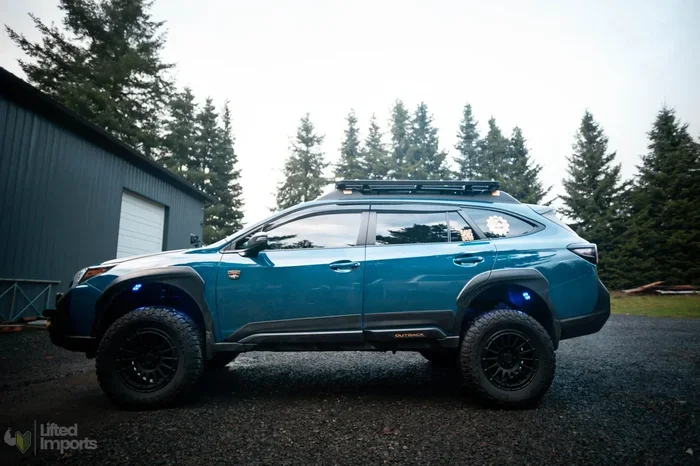
Subaru Outback Lift Cost Everything You Need to Know
The cost to lift a Subaru Outback typically ranges from $400 to $3,500 for the lift kit alone, with total project costs reaching $1,500 to $5,000 when including professional installation and additional upgrades. The final price depends on the type of lift, kit brand, and whether you choose a DIY approach or professional setup. This guide breaks down every cost factor so you can budget confidently.
If you own a Subaru Outback and love hitting trails or just want a more commanding view of the road, a lift kit might be on your mind. But one question always comes up first: how much does it cost to lift a Subaru Outback? The answer is not as simple as picking a single number. Many factors go into the final price, from the type of lift you choose to the brand of the kit and whether you install it yourself or pay a pro.
This guide covers everything you need to know about Subaru Outback lift cost. We will break down the different lift types, compare prices, highlight hidden costs, and help you decide if lifting your Outback is the right move. Whether you are a weekend trail warrior or just want more ground clearance for daily driving, you are in the right place.
Before we dive into numbers, let us quickly talk about what a lift actually does. A lift kit raises your vehicle’s ride height by replacing or adding components to the suspension system. This gives you more ground clearance, allows for larger tires, and can improve your Off-Road capabilities. But it also changes how your car drives on pavement, so understanding the trade-offs is essential.
Key Takeaways
- Lift kit prices vary widely: Basic coil spacer lifts start around $400, while full suspension lifts can cost $1,500 to $3,500 or more.
- Professional installation adds $500 to $1,500: Labor costs depend on the complexity of the lift and your location.
- Body lifts and suspension lifts serve different purposes: A body lift increases ground clearance without changing driving dynamics, while a suspension lift improves off-road capability.
- Additional costs add up fast: Tires, wheels, alignment, and potential sensor adjustments can add $500 to $2,000 to your total budget.
- DIY installation saves money but requires skill: Experienced DIYers can save hundreds, but mistakes can be costly.
- Not all lift kits are equal: Brand reputation, material quality, and warranty matter more than the lowest price tag.
📑 Table of Contents
Why People Lift Their Subaru Outback
The Subaru Outback is already a versatile vehicle. It handles light trails, commutes, and road trips with ease right from the factory. So why do people spend hundreds or even thousands of dollars to lift one? The reasons are pretty straightforward.
First, ground clearance is a big deal. Even though the Outback has decent clearance for a crossover, it can still scrape on rocky trails, steep driveways, or deep snow. A lift gives you breathing room and prevents costly undercarriage damage.
Second, many owners want to fit larger tires. Bigger tires improve traction on loose surfaces like gravel, mud, and sand. They also add to the overall rugged look of the vehicle. But larger tires need more space, and that is where a lift comes in.
Third, some people simply like the look and feel of a lifted Subaru Outback. A raised stance gives the vehicle a more aggressive, purposeful appearance. It also improves visibility, which many drivers appreciate in heavy traffic or on winding mountain roads.
Common Reasons for Lifting an Outback
- Off-road capability: Tackle trails, rocks, and uneven terrain with confidence.
- Larger tire fitment: Upgrade to all-terrain or mud-terrain tires without rubbing.
- Improved ground clearance: Avoid undercarriage damage on rough roads.
- Better visibility: See further ahead in traffic and on the highway.
- Aesthetic appeal: Give your Outback a more rugged, commanding stance.
- Snow and weather performance: Navigate deep snow and icy roads more easily.
Types of Subaru Outback Lifts
Not all lifts are created equal. There are two main types of lift kits for the Subaru Outback, and each comes with its own price tag, benefits, and limitations. Understanding the difference is the first step in figuring out your budget.
Coil Spacer Lift
A coil spacer lift is the most affordable and simplest option. It involves adding spacers between the coil springs and the strut assembly. This raises the front of the vehicle by one to two inches. The process is relatively straightforward, and many kits cost between $150 and $500.
The downside is that a coil spacer lift only affects the front end. It does not change the rear suspension, so you get an uneven look if you do not pair it with rear lift blocks. Also, because it does not replace any suspension components, the ride quality can change slightly, especially on rough roads.
Full Suspension Lift
A full suspension lift replaces or upgrades multiple components, including control arms, shocks, springs, and sometimes the subframe. These kits raise the vehicle by two to four inches or more. They offer the best off-road performance and the most dramatic look.
Full suspension lift kits for the Subaru Outback typically range from $1,200 to $3,500 for the kit alone. Popular brands include Rough Country, SPIDERTRAX, and King Shocks. These kits provide a complete upgrade and maintain a balanced ride height front to rear.
Body Lift
A body lift raises the vehicle’s body off the frame using spacers placed between the body and the frame. This type of lift does not change the suspension geometry, so the driving feel remains mostly the same. Body lifts are often used in combination with suspension lifts to fit even larger tires.
Body lift kits are generally cheaper, ranging from $200 to $800. However, they are less common for the Subaru Outback because the vehicle is a unibody design, not a body-on-frame truck. Still, some kits are available for Outback models and can provide one to two extra inches of clearance.
Average Subaru Outback Lift Cost Breakdown
Now let us get to the numbers. The Subaru Outback lift cost depends heavily on the type of kit you choose, the brand, and whether you install it yourself. Here is a detailed breakdown of what you can expect.
| Lift Type | Kit Price Range | Installation Cost | Total Estimated Cost |
|---|---|---|---|
| Coil Spacer Lift | $150 – $500 | $300 – $600 | $450 – $1,100 |
| Body Lift | $200 – $800 | $400 – $800 | $600 – $1,600 |
| Full Suspension Lift | $1,200 – $3,500 | $500 – $1,500 | $1,700 – $5,000 |
As you can see, the total lift kit cost can vary dramatically. A basic coil spacer setup keeps you under $1,000, while a full suspension lift with premium components and professional installation can push past $5,000.
Keep in mind that these are average prices. Costs can be higher or lower depending on your location, the specific Outback model year, and the shop you choose. Urban areas with a higher cost of living will generally charge more for labor.
Popular Lift Kit Brands and Their Prices
Not all lift kits are priced the same, and brand reputation plays a big role. Here are some well-known brands and what you can expect to pay for their Subaru Outback lift kits.
- Rough Country: Budget-friendly full suspension kits around $1,200 to $1,800. Great value for the money.
- SPIDERTRAX: Mid-range kits priced between $1,500 and $2,500. Known for quality components and smooth ride quality.
- King Shocks: Premium shock absorbers that can cost $1,500 to $3,500 for a complete kit. Best for serious off-roaders.
- Bilstein: High-quality shocks and struts ranging from $800 to $2,000 for a lift setup. Excellent for maintaining on-road comfort.
Hidden Costs You Need to Budget For
Here is where many people get caught off guard. The lift kit price is only part of the equation. Several additional costs can pop up before your lifted Subaru Outback is ready to hit the road.
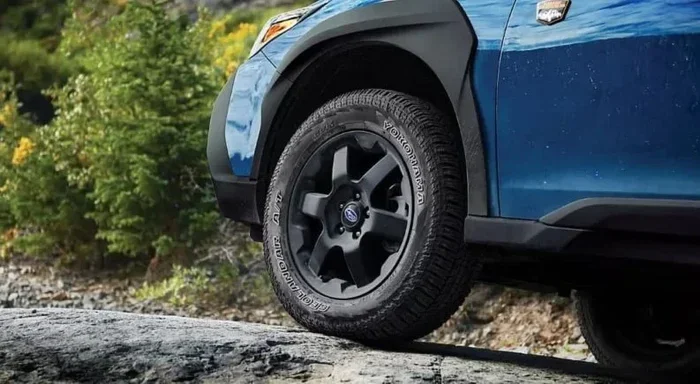
Tires and Wheels: If you are lifting your Outback to fit larger tires, you will likely need new wheels too. A set of aftermarket wheels and all-terrain tires can easily cost $800 to $1,500. This is often the biggest hidden expense.
Alignment: Any suspension modification affects your wheel alignment. A professional alignment after a lift typically costs $75 to $150. Skipping this step can lead to uneven tire wear and poor handling.
Sensor and Cable Adjustments: Some Outback models have sensors near the suspension or wheels that may need repositioning after a lift. ABS sensors, speed sensors, and even the speedometer calibration can be affected. Replacing or relocating these parts can add $50 to $200.
Skid Plates and Protection: With more ground clearance comes more exposure to rocks and debris. Adding aftermarket skid plates for the engine and transmission can cost another $100 to $300.
Fuel Economy: A lifted vehicle with larger tires may see a slight drop in fuel efficiency. While this is not a one-time cost, it is something to factor into your long-term ownership expenses. Does traction control use more gas? In some cases, modified suspension systems can affect how traction control engages, which may have a minor impact on fuel consumption.
Quick Tip: Budget an Extra 20%
As a rule of thumb, always budget an extra 20% above the lift kit and installation cost for unexpected expenses. This gives you a cushion for alignment, sensors, tires, or any surprises that come up during the process.
DIY vs Professional Installation
One of the biggest decisions you will make is whether to install the lift kit yourself or pay a professional. Both options have pros and cons, and the right choice depends on your skill level, tools, and budget.
DIY Installation
Installing a lift kit yourself can save you $500 to $1,500 in labor costs. If you have experience working on vehicles and own the right tools, this can be a rewarding project. Most lift kits come with detailed instructions and all the hardware you need.
However, DIY installation is not without risks. A poorly installed lift can lead to handling problems, premature wear on components, and even safety issues. If you are not confident in your mechanical skills, it is worth investing in professional installation.
Also, keep in mind that you will need a quality floor jack, jack stands, and basic hand tools. If you do not already own these, the cost of renting or buying them can eat into your savings.
Professional Installation
Having a professional install your lift kit ensures the job is done right. Experienced technicians know how to properly torque bolts, align the suspension, and check for any issues that might arise. Most shops offer a warranty on their installation work as well.
The labor cost for a lift installation typically ranges from $500 to $1,500 depending on the complexity of the kit and the shop’s hourly rate. A full suspension lift takes longer to install than a simple coil spacer kit, so expect to pay more for the former.
If you are unsure about your abilities, professional installation is the safer choice. A properly installed lift kit will perform better, last longer, and keep you safe on the road.
Is Lifting Your Subaru Outback Worth the Cost?
This is the question every Outback owner should ask before spending money on a lift. The answer depends on what you plan to do with your vehicle and how much you value the benefits a lift provides.
If you are a daily driver who occasionally deals with snow or rough roads, a modest coil spacer lift might be all you need. It is affordable, easy to install, and does not drastically change the driving experience. This is a great entry point for anyone curious about what a lift can do.
For serious off-road enthusiasts, a full suspension lift is a worthy investment. The improved capability, larger tire options, and enhanced ground clearance open up trails and terrain that would otherwise be inaccessible. If you plan to explore backcountry roads, camp in remote areas, or compete in off-road events, the cost is justified.
On the other hand, if you mostly drive on pavement and have no interest in off-roading, a lift might not be worth it. The changes in ride quality, fuel economy, and the added cost of larger tires may not outweigh the benefits for a pavement-focused driver.
One thing to consider is resale value. Some buyers love a lifted Outback, while others prefer it stock. In general, a well-done lift with quality components holds its value better than a cheap or poorly installed one. If you decide to sell later, be transparent about the modifications and keep all receipts and documentation.
Expert Insight: Think Long-Term
When evaluating whether a lift is worth it, think beyond the upfront cost. Consider the ongoing expenses like tire replacement, alignment checks, and potential wear on suspension components. A lifted Subaru Outback can be an amazing platform for adventure, but it does come with a long-term commitment to maintenance and care.
Also, keep in mind that modifications like a lift can affect your vehicle in ways you might not expect. For example, if you are considering leasing your vehicle, does leasing a car affect your credit? While the lift itself does not directly impact your credit score, any modifications that affect the vehicle’s value or condition could come into play during lease-end inspections.
Final Thoughts on Subaru Outback Lift Cost
The Subaru Outback lift cost can range from a few hundred dollars for a simple coil spacer to several thousand for a full suspension setup. The key is to define your goals, set a realistic budget, and choose quality components and installation.
Start by deciding what type of lift suits your needs. A coil spacer is perfect for mild clearance gains, while a full suspension lift unlocks serious off-road potential. Factor in all the hidden costs like tires, alignment, and sensors so there are no surprises along the way.
Whether you choose to tackle the project yourself or leave it to the professionals, the most important thing is that the lift is installed correctly and safely. A well-executed lift transforms your Outback into a more capable, versatile vehicle that can handle whatever the road throws at you.
Do your research, compare prices, read reviews, and talk to other Outback owners in forums or local clubs. The community is full of helpful advice and real-world experience that can guide your decision. With the right approach, your lifted Subaru Outback will be a source of pride and enjoyment for years to come.
And remember, if you are also considering other modifications, make sure they complement each other. For instance, if you are thinking about adding a hitch for hauling gear on your off-road trips, you might want to check if can you put a hitch on a hybrid car or a non-hybrid version applies to your setup. Similarly, if you are upgrading your suspension, consider how changes might affect your vehicle’s overall performance and fuel consumption.
Frequently Asked Questions
How much does a basic Subaru Outback lift kit cost?
A basic coil spacer lift kit for a Subaru Outback typically costs between $150 and $500. This is the most affordable option and provides a modest lift of one to two inches, primarily at the front of the vehicle.
Can I lift my Subaru Outback myself?
Yes, if you have mechanical experience and the right tools, you can install a lift kit yourself. This can save you $500 to $1,500 in labor costs. However, improper installation can lead to safety issues and handling problems, so only attempt DIY if you are confident in your skills.
Will lifting my Subaru Outback void the warranty?
It depends on your warranty and the dealer’s policies. Some manufacturers consider aftermarket suspension modifications as grounds for denying related warranty claims. Check with your dealer before installing a lift kit to understand your coverage.
How much does professional lift installation cost?
Professional installation typically costs between $500 and $1,500. The exact price depends on the type of lift kit, the complexity of the job, and your local labor rates. Full suspension lifts cost more to install than simple coil spacer kits.
Do I need new tires after lifting my Subaru Outback?
Not always, but larger tires are often the main reason people lift their vehicles. If you want to upgrade to bigger tires for better off-road performance, you will need a compatible set of wheels as well. Budget between $800 and $1,500 for a quality set of tires and wheels.
Is a body lift or suspension lift better for the Subaru Outback?
A suspension lift is generally better for the Subaru Outback if you want improved off-road capability and a more significant lift. A body lift is simpler and cheaper but does not change suspension geometry. Most Outback owners benefit more from a suspension lift.