Can You Have Two Car Loans at the Same Time Yes You Can
Yes, you can have two car loans at the same time. Many lenders allow multiple auto loans if you meet their income and credit requirements. This guide covers how to qualify, what lenders look for, and smart strategies for managing two car payments.
Have you ever found yourself in a situation where you need two cars but wonder if you can handle two car loans? The short answer is yes, you can have two car loans at the same time. Many people do it every day, and it is perfectly legal. But there are rules, requirements, and smart strategies you need to know before you sign on the dotted line.
Whether you are expanding your family, need a second vehicle for work, or want a backup car, multiple auto loans are within reach. This guide walks you through everything you need to know about holding two car loans simultaneously. We will cover how to qualify, what lenders look at, and how to keep your finances healthy.
The world of auto financing can feel overwhelming. But it does not have to be. By the end of this article, you will have a clear picture of what it takes to get approved for a second car loan and how to manage it without stress.
Key Takeaways
- Multiple car loans are possible: You can absolutely hold two auto loans at once if you qualify financially.
- Credit score matters a lot: A strong credit score helps you get approved for a second car loan with better rates.
- Debt-to-income ratio is key: Lenders check this closely when you apply for a second auto loan.
- Shop around for the best rates: Different lenders offer different terms, so always compare offers.
- Watch your monthly budget: Two car payments can strain your finances if you are not careful.
- Consider refinancing options: You may refinance one loan to lower your monthly costs.
📑 Table of Contents
- What Does It Mean to Have Two Car Loans?
- Can You Really Get Approved for a Second Car Loan?
- Requirements for Getting a Second Car Loan
- Smart Strategies for Managing Two Car Loans
- Risks of Having Two Car Loans
- Alternatives to Taking Out a Second Car Loan
- Expert Insights on Multiple Car Loans
- How to Compare Two Car Loan Offers
- Final Thoughts on Having Two Car Loans
What Does It Mean to Have Two Car Loans?
Having two car loans means you owe money on two different vehicles at the same time. Each loan has its own lender, interest rate, and monthly payment. You might get both loans from the same bank or from two different lenders.
Some people think having two car loans is rare. But it is actually quite common. Families with multiple drivers often need more than one vehicle. People who commute long distances might need a second car. And some buyers purchase a newer car while still paying off an older one.
How Do Two Car Loans Work?
Each car loan works independently. You borrow a set amount of money and pay it back over time with interest. Your first loan does not block you from getting a second one. However, lenders will look at your full financial picture before approving you for another loan.
Here is what a typical setup looks like:
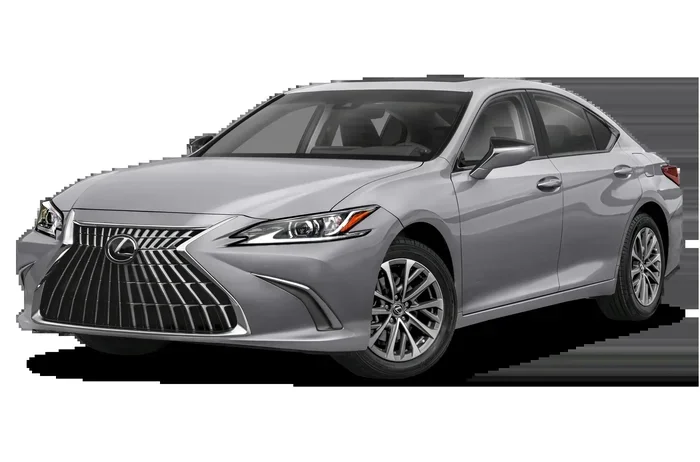
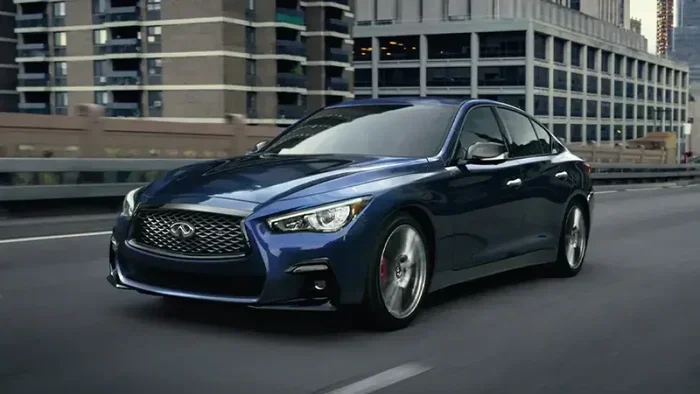
- Loan 1: A sedan you bought for daily commuting. Monthly payment of $350.
- Loan 2: An SUV you got for family trips. Monthly payment of $450.
- Total monthly car payments: $800
Both loans appear on your credit report. Missing a payment on either one can hurt your credit score for car loan applications. So staying on top of both payments is essential.
Can You Really Get Approved for a Second Car Loan?
The big question most people ask is whether they can even get approved for a second loan. The answer depends on several factors. Let us break them down so you know what to expect.
Your Credit Score Matters
Your credit score is the first thing lenders check. A strong credit score makes it much easier to get a second car loan. Most lenders want a score of at least 660 for a new loan. If your score is above 700, you will likely get favorable terms.
But what if your score is lower? You can still get approved. You might face higher interest rates, though. The key is to know your score before you apply. You can pull your credit report for free once a year from each of the three major bureaus.
Debt-to-Income Ratio Explained
Lenders pay close attention to your debt-to-income ratio. This is the percentage of your monthly income that goes toward paying debts. If your income is $5,000 per month and your total debt payments are $1,500, your ratio is 30 percent.
Most lenders prefer a debt-to-income ratio below 36 percent. When you add a second car loan, your ratio goes up. If it goes too high, lenders may see you as a risk. This is the biggest hurdle for people seeking multiple auto loans at once.
Income and Employment Stability
Lenders want to see steady income. If you have been at the same job for two years or more, that works in your favor. Self-employed individuals can also qualify, but they may need to provide extra documentation like tax returns and bank statements.
The bottom line is that lenders want to know you can afford both payments. They do not want to lend money to someone who cannot keep up. Showing a stable income history helps build their confidence.
Requirements for Getting a Second Car Loan
If you are ready to pursue a second car loan, you should know what lenders typically require. Being prepared will make the process smoother and faster.
Documents You Will Need
Lenders ask for several documents before approving a loan. Here is a common list:
- Proof of income (pay stubs or tax returns)
- Proof of residence (utility bill or lease agreement)
- Valid driver’s license
- Insurance information for both vehicles
- Bank statements showing sufficient funds
- Details about your existing car loan
Having these documents ready shows lenders you are serious and organized. It also speeds up the approval process significantly.
Down Payment Considerations
A larger down payment helps your chances of approval. If you put more money down upfront, you borrow less. This lowers the lender’s risk and often gets you a better interest rate on car loan.
For a second car, aim for at least 10 to 20 percent down. If you can put more down, do it. Your monthly payment will be lower, and you will build equity faster.
Loan Term Options
Car loan terms typically range from 36 to 84 months. Longer terms mean lower monthly payments but more total interest paid. Shorter terms mean higher payments but less interest overall.
When you have two loans, keeping the terms shorter can save you money in the long run. But make sure the monthly payment fits your budget. Use a loan calculator to compare different scenarios before you commit.
Smart Strategies for Managing Two Car Loans
Getting approved is only half the battle. The other half is managing both loans wisely. Here are some proven strategies to keep your finances healthy.
Budget Like a Pro
Create a detailed budget before taking on a second car loan. List all your income sources and every expense. Make sure both car payments fit comfortably within your monthly cash flow.
A good rule of thumb is to keep total car payments below 15 to 20 percent of your take-home pay. This leaves room for other expenses and savings. If two car payments push you over that threshold, you may need to rethink your approach.
Set Up Automatic Payments
Missing a payment is the fastest way to damage your credit. Set up automatic payments for both loans. Most lenders offer autopay options that deduct the payment on a set date each month.
You can also set up calendar reminders as a backup. But autopay gives you peace of mind that you will never miss a due date. Just make sure you keep enough money in your checking account to cover both withdrawals.
Consider Refinancing
If your monthly car payment feels too high, refinancing might help. You can refinance either or both loans to get a lower interest rate or extend the term. This can free up cash in your monthly budget.
Refinancing works best when your credit score has improved since you took out the original loan. Check your credit before applying. Even a small improvement can lead to significant savings over the life of the loan.
Risks of Having Two Car Loans
Two car loans are not without risks. Understanding these risks helps you make informed decisions and avoid financial trouble.
The Risk of Default
If you fall behind on either loan, the lender can repossess the vehicle. Defaulting on a car loan is a serious event. It damages your credit and can make it very hard to get future financing.
Life happens. Job loss, medical emergencies, and unexpected expenses can all derail your payment schedule. Build an emergency fund so you can keep making both payments even when surprises come up.
Impact on Future Borrowing
Two car loans increase your total debt. This can affect your ability to borrow for other things, like a home mortgage. Lenders look at your total debt load when you apply for any loan.
If you plan to buy a house in the next year or two, think carefully before taking on a second car loan. Keeping your debt low makes it easier to qualify for a mortgage with good terms.
Depreciation and Negative Equity
Cars lose value over time. This is called depreciation. If you owe more on a car than it is worth, you are in negative equity. Having two loans increases the chance that one or both vehicles could be worth less than what you owe.
To avoid this, make a larger down payment and choose vehicles that hold their value well. Do some research on car buying guides to find models with strong resale values.
Alternatives to Taking Out a Second Car Loan
Before you commit to two loans, consider whether there are other options that might work better for your situation.
Leasing a Second Vehicle
Leasing can be a great alternative to buying a second car. Monthly lease payments are often lower than loan payments. You also get a newer vehicle with a warranty covering most repairs.
The trade-off is that you do not build equity in the vehicle. And there are mileage limits to watch. If you drive a lot, leasing might not be the best fit.
Using a Family Vehicle
Before taking on a second loan, consider whether a family vehicle can serve both purposes. A larger car or SUV might handle all your needs without the cost of a second loan.
This approach saves you money on monthly payments, insurance, and maintenance. It is worth exploring before you commit to another vehicle financing agreement.
Buying a Used Car
A used car costs less than a new one. This means a smaller loan, lower monthly payments, and less risk of negative equity. Many used cars are still in great shape and can serve you well for years.
Just make sure to get a pre-purchase inspection before buying. A trusted mechanic can spot problems that could cost you thousands down the road.
Expert Insights on Multiple Car Loans
Financial advisors often share valuable perspectives on managing more than one car loan. Here are some insights from the experts.
Keep your loans short if possible. A 48-month or 60-month loan is much better than an 84-month loan. The longer the term, the more interest you pay. Experts recommend keeping total car debt under 10 percent of your gross income.
Always compare offers from multiple lenders. Just like you would compare prices before buying a car, compare loan terms before signing. A small difference in interest rate can save you hundreds or even thousands of dollars over the life of the loan. If you are currently dealing with a lien on a vehicle, check out our guide on selling a car with a lien to understand how outstanding loans affect vehicle ownership.
Watch your overall affordability before adding a second car payment. If your current budget is tight, a second loan can push you into financial stress. Consider your full car ownership costs, including insurance, fuel, maintenance, and registration fees. These add up quickly and can surprise new car owners.
Check your tax situation as well. Depending on your circumstances, you may be able to claim certain vehicle-related deductions. Our article on claiming a truck on your taxes offers helpful insights into how vehicle ownership can interact with your tax filings.
Never borrow more than you can afford just because a lender approves you for a higher amount. Just because you qualify for a certain loan size does not mean you should take it. Stick to a budget that leaves room for savings and other financial goals.
How to Compare Two Car Loan Offers
When you have two car loans, comparing offers becomes even more important. Here are the key factors to evaluate:
| Factor | Loan 1 | Loan 2 |
|---|---|---|
| Interest Rate | 4.5% | 5.2% |
| Loan Term | 60 months | 72 months |
| Monthly Payment | $350 | $420 |
| Total Interest Paid | $3,000 | $4,500 |
| Remaining Balance | $12,000 | $18,000 |
Use this table as a starting point when comparing your own offers. The loan with the lower interest rate and shorter term usually saves you the most money. But your personal situation matters most. Choose the option that fits your budget and financial goals.
Quick tip: Always read the fine print before signing any loan agreement. Watch for hidden fees, prepayment penalties, and other charges that can add to your costs. Understanding every detail of your loan protects you from surprises later on.
Final Thoughts on Having Two Car Loans
So, can you have two car loans at the same time? Absolutely. It is a common and manageable financial arrangement when done right. The key is to understand the requirements, compare offers carefully, and keep your budget in check.
Having multiple auto loans does not have to be stressful. With the right preparation and smart financial habits, you can comfortably handle two car payments. Focus on maintaining a healthy debt-to-income ratio, making payments on time, and building your savings.
Remember, every financial situation is different. What works for one person may not work for another. Take the time to evaluate your own finances honestly before committing to a second loan. And if you are ever unsure, a financial advisor can provide personalized guidance based on your specific circumstances.
Two car loans can work for you if you approach them with knowledge and discipline. Use the tips in this guide to make informed decisions and stay in control of your financial health.
Frequently Asked Questions
Can I get a second car loan if I still owe on the first one?
Yes, you can get a second car loan even if you still owe money on the first one. Lenders evaluate your income, credit score, and debt-to-income ratio. As long as you can show you can afford both payments, approval is possible. Having equity in your current vehicle helps your chances.
Does having two car loans hurt your credit score?
Not necessarily. Having two car loans does not automatically hurt your credit. In fact, making on-time payments on both loans can improve your score over time. However, missing payments or defaulting on either loan can cause significant damage to your credit.
What is the minimum credit score needed for a second car loan?
Most lenders prefer a credit score of at least 660 for a second car loan. Some lenders work with scores as low as 580, but you may face higher interest rates. A score above 700 will get you the best terms and lowest rates.
Can I refinance one of my car loans to lower payments?
Yes, refinancing is a great option for lowering your monthly payments. You can refinance either or both loans to get a lower interest rate or extend the term. Check your credit score first, as an improved score gives you more refinancing options.
How does having two car loans affect buying a house?
Two car loans increase your total debt, which can affect your mortgage approval. Lenders look at your debt-to-income ratio when evaluating a home loan. Keeping your car debt manageable makes it easier to qualify for a mortgage with favorable terms.
Is it better to lease or buy a second car?
It depends on your needs and budget. Leasing usually has lower monthly payments and includes warranty coverage. Buying builds equity and gives you more freedom with mileage. Consider your driving habits, budget, and long-term plans before deciding.