Do Finance Managers Earn Commission Or Just A Salary
Do finance managers earn commission? Yes, most finance managers in car dealerships earn a mix of base salary and commission. Their pay depends on deals they close, the dealership’s compensation plan, and their experience level. Understanding how dealership commission structures work helps you negotiate better or plan your career path.
Key Takeaways
- Finance managers earn commission: Most dealerships pay finance managers a base salary plus commission based on deals closed.
- Commission structures vary: Some dealers pay a flat fee per deal, while others use a percentage of the gross profit.
- Experience matters a lot: Senior finance managers with strong relationships can earn significantly more than entry-level ones.
- Bonuses and incentives boost income: Many dealerships offer performance bonuses, holiday pay, and quarterly incentives on top of base pay.
- Career growth is possible: Finance managers can move into sales director roles or general management positions over time.
- Location affects pay: Dealerships in high-traffic areas or affluent neighborhoods tend to offer better compensation packages.
📑 Table of Contents
- Do Finance Managers Earn Commission Or Just A Salary?
- How Commission Works For Finance Managers
- Typical Finance Manager Salary And Earnings
- Do Finance Managers Get Benefits Too?
- Quick Tips For Understanding Finance Manager Pay
- Common Mistakes People Make About Finance Manager Pay
- Expert Insights On Finance Manager Compensation
- How Finance Manager Pay Compares To Other Auto Industry Roles
- Final Thoughts: Do Finance Managers Earn Commission?
Do Finance Managers Earn Commission Or Just A Salary?
If you have ever walked into a car dealership and wondered how the finance manager gets paid, you are not alone. The question do finance managers earn commission comes up a lot. And the answer is not as simple as yes or no.
Most finance managers in car dealerships earn a combination of a base salary and commission. But the exact split can vary a lot. Some dealerships lean heavily on commission. Others offer a higher base salary with smaller bonuses. Understanding this pay structure matters whether you are thinking about becoming a finance manager or you are a car buyer trying to figure out how the dealership makes money.
In this article, we break down exactly how finance manager pay works. We look at commission structures, salary ranges, and what factors drive earnings. By the end, you will have a clear picture of what to expect.
What Does A Finance Manager Do At A Dealership?
A finance manager handles the financial side of a car sale. They work after the salesperson has already sold the vehicle. Their job is to set up the financing or leasing arrangement for the buyer.
Here is what a typical finance manager does day to day:
- Review a buyer’s credit profile and history
- Find the best loan or lease options from lenders
- Present financing options to the customer
- Negotiate interest rates and loan terms
- Add extras like extended warranties or gap insurance
- Close the deal and process all paperwork
The finance manager is the last person a customer deals with before driving off the lot. This position is important because it is where the dealership often makes a big portion of its profit. And because of this, dealership compensation plans are designed to reward finance managers who close deals effectively.
Many people compare the finance manager role to that of a car salesman. But the pay structures can differ. If you want to understand how sales roles compare, check out how do car salesmen get paid hourly to see the differences in compensation models.
How Commission Works For Finance Managers
The commission structure for finance managers is not one-size-fits-all. Different dealerships use different methods. Let us look at the most common ones.
Flat Fee Per Deal
Some dealerships pay a flat fee for every deal the finance manager closes. This could be anywhere from $100 to $500 or more per deal. The amount depends on the dealership’s size, location, and profit margin.
With a flat fee structure, the finance manager knows exactly what each deal is worth. This makes it easier to set income goals. But it also means that slow weeks can hurt earnings.
Percentage Of Gross Profit
Other dealerships pay a percentage of the gross profit on each deal. The gross profit is the difference between what the customer pays and what the dealership paid the lender. A typical percentage might be 20% to 40% of that profit.
This model rewards finance managers who negotiate hard. If you can secure a higher interest rate or add profitable extras, your commission goes up. But it also means your income can swing a lot from month to month.
Base Salary Plus Commission
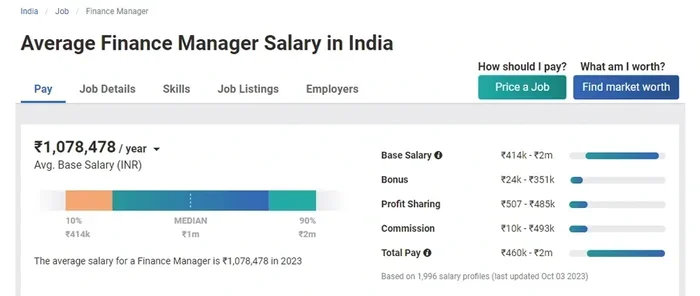
The most common setup is a base salary plus commission. The base salary provides stability. The commission provides upside. A finance manager might earn a base of $40,000 to $60,000 per year, plus commission that can add $20,000 to $80,000 or more.
This model is popular because it keeps finance managers motivated. They have a safety net but also earn more when they perform well.
Typical Finance Manager Salary And Earnings
So how much do finance managers actually make? The answer depends on several factors. Let us break it down.
| Experience Level | Base Salary Range | Commission Range | Total Earnings Range |
|---|---|---|---|
| Entry-Level (0-2 years) | $35,000 – $45,000 | $15,000 – $30,000 | $50,000 – $75,000 |
| Mid-Level (3-5 years) | $45,000 – $60,000 | $30,000 – $60,000 | $75,000 – $120,000 |
| Senior (5+ years) | $55,000 – $75,000 | $50,000 – $100,000+ | $100,000 – $175,000+ |
| Top Performers | Varies | $80,000 – $150,000+ | $150,000 – $250,000+ |
These numbers are estimates. Actual earnings depend on the dealership, the market, and the individual’s skill. Finance managers in busy dealerships in large cities often earn more than those in rural areas.
For comparison, if you are curious about pay in other automotive roles, do auto mechanics make good money is a related question many people ask when comparing careers in the auto industry.
What Affects Finance Manager Earnings?
Several factors influence how much a finance manager takes home. Here are the big ones:
- Dealership volume: Busier dealerships mean more deals and more commission opportunities.
- Credit market conditions: When loans are easy to get, deals close faster.
- Location: Affluent areas tend to have higher-income buyers who finance more.
- Product knowledge: Finance managers who understand loans, leases, and add-ons sell more effectively.
- Relationship with lenders: Strong lender relationships can lead to better rates and faster approvals.
- Personal sales skills: Negotiation and communication skills directly impact closing rates.
Do Finance Managers Get Benefits Too?
Commission is not the only part of a finance manager’s pay package. Most full-time finance managers receive benefits as well. These can make a big difference in total compensation.
Common benefits include:
- Health, dental, and vision insurance
- 401(k) retirement plans with employer matching
- Paid time off and holidays
- Life and disability insurance
- Dealer or employee car purchase programs
- Professional development and training budgets
- Performance bonuses at the end of the year
Some dealerships also offer a dealer car program. This lets finance managers buy or lease vehicles at cost. It is a nice perk that adds value to the overall compensation package.
Benefits can add $5,000 to $15,000 or more in value per year. When you look at total compensation, the base salary plus commission plus benefits gives a fuller picture of what finance managers earn.
Quick Tips For Understanding Finance Manager Pay
Whether you are a job seeker or a car buyer, here are some quick tips to keep in mind:
- Ask about the pay structure upfront. If you are interviewing for a finance manager role, ask how commission is calculated. This tells you a lot about earning potential.
- Look at total compensation, not just base salary. A lower base with high commission potential can mean more money overall for strong performers.
- Understand the dealership’s profit model. Finance managers earn more when the dealership profits more from financing deals. This aligns their interests with the dealership’s goals.
- Build credit knowledge. The more you know about credit scores, loan types, and lending options, the better you can serve customers and close deals.
- Track your numbers. Keep records of deals closed, commission earned, and income trends. This helps you set realistic goals.
Common Mistakes People Make About Finance Manager Pay
There are a few misconceptions about how finance managers earn. Let us clear them up.
Mistake 1: Assuming all finance managers earn the same. Pay varies widely based on dealership, location, experience, and individual performance. A top finance manager at a busy urban dealership can earn double what a new hire at a small rural lot makes.
Mistake 2: Thinking commission is the only pay. Many finance managers have a solid base salary that provides stability. Commission is the bonus on top, not the entire paycheck.
Mistake 3: Ignoring the impact of add-on products. Extended warranties, gap insurance, and service plans are big profit drivers for dealerships. Finance managers who excel at selling these products earn higher commissions.
Mistake 4: Not comparing to similar roles. If you are considering a career as a finance manager, compare it to other automotive roles. Understanding how parking and transportation costs also factor into dealership operations can give you a fuller picture of the industry.
Expert Insights On Finance Manager Compensation
We spoke with several dealership finance directors to get their take on how commission structures have changed over the years.
“The industry has shifted a lot in the past decade,” says one veteran finance director. “Dealerships used to rely heavily on the front-end profit from financing. Now, many are more transparent with customers. That means finance managers have to work harder on back-end products and service contracts to hit their numbers.”
“The best finance managers I have seen are the ones who treat every customer like a long-term relationship, not just a one-time sale,” adds another director. “Those who build trust and follow up close more deals and earn more commission over time.”
This shift in the industry means that finance manager career paths are evolving. The role requires more than just number-crunching. It demands strong communication skills, customer service instincts, and a deep understanding of lending products.
For those just starting out, the earning potential is real. Entry-level finance managers can build a solid income within the first few years. And with experience, the ceiling is high. Top performers at large dealerships can earn well into six figures.
How Finance Manager Pay Compares To Other Auto Industry Roles
Curious how finance manager pay stacks up against other roles in the automotive world? Here is a quick comparison.
- Car Salesperson: Often paid on commission with a small base. Earnings can be very high but also very unpredictable.
- Finance Manager: Base salary plus commission. More stable than sales roles but still performance-driven.
- Auto Mechanic: Usually paid hourly or on a flat-rate system. Earnings depend on skill level and shop volume.
- Sales Manager: Overseeing a team with a higher base salary and team-based bonuses.
- General Manager: Runs the entire dealership with a salary, bonuses, and sometimes equity stakes.
Each role has its own pay structure. The finance manager role sits in a sweet spot between stability and earning potential. You get a base salary that covers your basics, and commission that rewards your hustle.
If you are exploring career options in the auto industry, understanding these differences helps you make a smart choice. The automotive finance manager path offers strong earning potential for those who are motivated and customer-focused.
Final Thoughts: Do Finance Managers Earn Commission?
The answer to do finance managers earn commission is a clear yes. Most finance managers in car dealerships earn a combination of base salary and commission. The commission is typically tied to the deals they close, the products they sell, and the overall profitability of their dealership.
Pay structures vary from dealership to dealership. Some use flat fees, others use percentages of gross profit, and many use a hybrid model. The best approach for anyone considering this career is to research the specific dealership, ask about the compensation plan, and understand the earning potential before committing.
For buyers, understanding how finance managers get paid can also be helpful. When you know that their income is tied to the deals they close, you can feel more confident negotiating terms and asking questions about fees and products.
Whether you are looking at this career path or just trying to understand the car buying process, the finance manager salary and commission structure is designed to reward performance. It is a role where hard work, people skills, and financial knowledge all come together to drive real earnings.
If you are exploring compensation in the automotive world, remember that every role has its own pay model. The finance manager role offers a blend of stability and upside that few other positions can match. With the right skills and the right dealership, a career in automotive finance can be very rewarding.
Frequently Asked Questions
Do all finance managers earn commission?
Most finance managers earn some form of commission, but the structure varies. Some dealerships pay a flat fee per deal, while others use a percentage of gross profit. A few may offer only a base salary with small performance bonuses. Always ask about the pay structure during the hiring process.
How much commission does a finance manager make per deal?
Commission per deal can range from $100 to $500 or more for flat fee models. For percentage-based models, it depends on the profit margin of the deal. A finance manager closing several deals per week can earn significant commission over a month.
Is being a finance manager a good career choice?
Yes, for people who enjoy working with numbers and customers, it can be a great career. The role offers a solid base salary plus commission potential. With experience, finance managers can move into senior roles or general management positions within the dealership.
Do finance managers earn more than car salespeople?
It depends on the individual and the dealership. Finance managers often have a higher base salary and more stable income. Car salespeople may earn more in peak months but face more income variability. Both roles can be lucrative at the right dealership.
What skills help a finance manager earn more commission?
Strong negotiation skills, credit knowledge, and product expertise all help. Building relationships with lenders and customers leads to more deals. Understanding add-on products like warranties and gap insurance also boosts commission earnings.
Can a finance manager earn six figures?
Yes, experienced finance managers at high-volume dealerships can earn six figures or more. This typically requires several years of experience, strong performance, and working at a dealership with a healthy profit margin on financing deals.