How Long Can You Ignore the Oil Change Light Warning
The oil change light is your car’s way of telling you it needs attention. While you might be tempted to push it off, ignoring this warning for too long can lead to serious engine damage and expensive repairs. Most experts recommend getting your oil changed within 500 miles of the light coming on, and understanding what your specific vehicle’s system means can save you hundreds of dollars.
You are driving down the road, and suddenly a yellow or red light pops up on your dashboard. It says something about oil change. Your first thought? “Can I just ignore this?”
We get it. Life is busy. Between work, errands, and family obligations, taking your car in for service is one more thing on the list. But here is the thing — that little warning light is trying to protect your engine. And your engine is the most expensive part of your car to fix.
So how long can you actually ignore the oil change light? The short answer is not very long. The slightly longer answer depends on your vehicle, your driving habits, and what kind of oil you use. In this guide, we will break it all down for you in plain language. You will learn exactly what that light means, how long you have, what happens if you wait too long, and simple steps to stay on top of your car maintenance.
Whether you drive a new sedan or a trusty older truck, this article will give you the confidence to make the right call. No jargon. No fluff. Just practical advice you can use today.
Key Takeaways
- Don’t ignore it: The oil change light means your engine needs fresh oil soon, and delaying can cause real damage.
- Time frame matters: Most cars can go 500 to 1,000 miles after the light comes on, but this varies by vehicle and driving conditions.
- Oil life systems differ: Modern cars use algorithms, not just mileage, to determine when you need an oil change.
- Watch for symptoms: Dark oil, engine noise, and reduced performance are signs you should not delay.
- DIY options exist: You can check your oil level and quality at home with simple tools.
- Cost of neglect: Skipping oil changes can lead to engine repairs costing thousands of dollars.
📑 Table of Contents
- What Does the Oil Change Light Actually Mean?
- How Long Can You Safely Ignore the Oil Change Light?
- Signs That Your Oil Change Is Overdue
- Common Mistakes People Make With Oil Change Lights
- How to Reset the Oil Change Light After Service
- Oil Change Light and Different Vehicle Types
- How to Choose the Right Oil for Your Car
- When to See a Professional Instead of DIY
- Final Thoughts: Listen to Your Car
What Does the Oil Change Light Actually Mean?
Before we talk about how long you can ignore the light, let us understand what it is actually telling you. Not all dashboard lights mean the same thing, and confusing them can be a costly mistake.
The Difference Between the Oil Change Light and the Oil Pressure Light
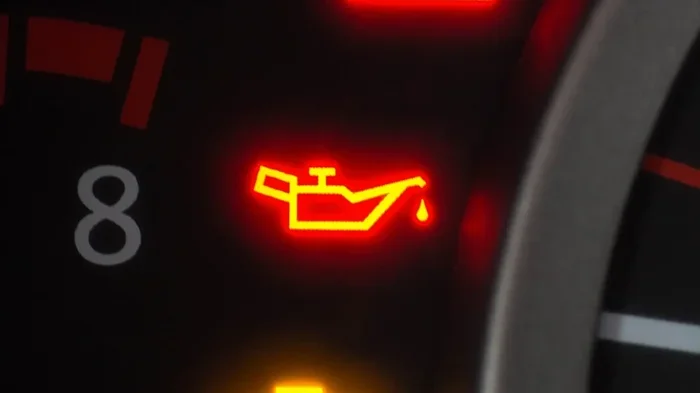
Many people mix these two up, and that is a dangerous habit. The oil change light (often yellow and shaped like a genie lamp or an oil can) tells you it is time to replace your oil. It is a maintenance reminder based on mileage or time passed.
The oil pressure light (usually red and shaped like an oil can with drops) is a serious warning. It means your oil pressure is dangerously low right now. If this red light comes on, pull over immediately and turn off the engine.
Think of it this way. The oil change light is like your phone reminding you to charge it overnight. The oil pressure light is like your phone dying at 2 percent — you need to act NOW.
How Modern Oil Life Monitoring Systems Work
Most cars made after 2000 have a smart system that tracks more than just mileage. These oil life systems use algorithms to look at several factors:
- Number of engine starts and stops
- Driving temperature extremes
- Idle time and short trips
- Driving speed and acceleration patterns
- Time since last service
Based on all of this data, the system calculates when your oil is actually degrading. This is why some drivers see the light at 3,000 miles while others get 7,500 miles. The system is adapting to your real-world driving habits, not just a fixed number.
How Long Can You Safely Ignore the Oil Change Light?
Here is where most drivers want a simple number. And we will give you one. But first, let us look at the factors that change the answer.
The General Timeline Most Mechanics Agree On
Most automotive experts say you have about 500 to 1,000 miles after the oil change light comes on before you need to get the oil changed. This window gives you enough time to schedule the service without it becoming an emergency.
However, this is not a hard rule. Some vehicles are more forgiving than others. And some driving conditions make that window much shorter.
Factors That Shorten Your Safe Window
Certain situations mean you should not push the limit at all. Here are the conditions that call for immediate action:
- Extreme heat or cold: Harsh temperatures break down oil faster, reducing its ability to lubricate your engine.
- Stop-and-go traffic: Frequent idling and low speeds create more engine stress and oil contamination.
- Towing or hauling: Heavy loads make your engine work harder, which degrades oil more quickly.
- Dusty or dirty roads: Particles can contaminate your oil and clog your oil filter faster.
- Old or low-quality oil: If you have been using budget oil, the light may be telling you something important.
If any of these sound like your daily driving, do not wait. Get the oil changed as soon as you reasonably can. Think of it like this — would you skip a meal if you were running a marathon? Your engine is working hard too.
What Happens If You Wait Too Long?
Let us be honest about the consequences. When oil gets old, it loses its ability to flow smoothly and protect metal parts. Here is what can happen if you ignore the light for weeks or months:
- Increased friction: Metal parts grind against each other without proper lubrication.
- Overheating: Old oil does not cool the engine as effectively. This can lead to low antifreeze causing overheating and other cooling system problems.
- Sludge buildup: Contaminated oil turns into sticky sludge that clogs passages and restricts flow.
- Engine wear: Bearings, pistons, and cylinder walls wear out faster without clean oil.
- Complete engine failure: In the worst case, a seized engine means a full replacement costing several thousand dollars.
The cost of an oil change is typically between 30 and 80 dollars. The cost of an engine rebuild? Anywhere from 3,000 to 7,000 dollars. The math is simple — do not skip this service.
Signs That Your Oil Change Is Overdue
Sometimes the light does not come on at all, or you might be driving a car with a manual reset system. Here are the warning signs that tell you your oil needs attention right away.
Visual and Physical Warning Signs
You do not need a mechanic to spot these red flags. Anyone can check them at home:
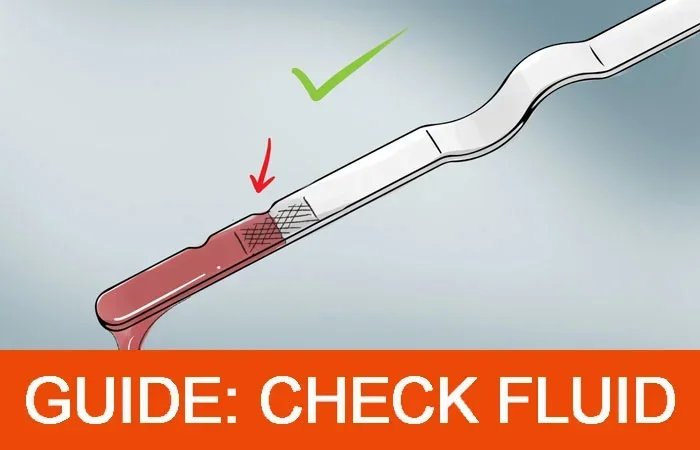
- Dark or black oil: Fresh oil is amber and translucent. If it looks like coffee, it is way past due.
- Burning oil smell: This often means oil is leaking onto hot engine parts and burning off.
- Engine knocking or ticking: Old oil loses its viscosity and cannot cushion engine parts properly.
- Reduced fuel economy: Dirty oil makes your engine work harder, which burns more gas.
- Smoke from the exhaust: Blue or gray smoke can indicate oil is burning inside the combustion chamber.
If you notice any of these signs, do not just change the oil. Have a mechanic get a free diagnostic for your car to make sure there is no underlying damage. Sometimes the light is telling you about a bigger problem.
How to Check Your Oil at Home
Checking your oil is one of the easiest car maintenance tasks you can do. Here is how:
- Park your car on a level surface and turn off the engine.
- Wait about 5 minutes for the oil to settle.
- Open the hood and locate the dipstick.
- Pull the dipstick out, wipe it clean, and reinsert it fully.
- Pull it out again and check the oil level against the markings.
- Look at the color — it should be amber, not dark brown or black.
If the level is low, top it off with the type of oil recommended in your owner’s manual. But topping off is not a replacement for a full oil change. Think of it as a band-aid, not a cure.
Common Mistakes People Make With Oil Change Lights
Even well-meaning car owners make mistakes when it comes to oil change reminders. Here are the most common ones and how to avoid them.
Mistake 1: Resetting the Light Without Changing the Oil
This is probably the most common mistake. Some drivers reset the light and keep driving, planning to get the oil changed “next week.” Weeks turn into months, and suddenly the engine is making strange noises.
Never reset the light until the oil has actually been changed and the filter replaced. That is the only way the system will reset properly and track your next service accurately.
Mistake 2: Following a Strict 3,000-Mile Rule for Modern Cars
Older advice said to change oil every 3,000 miles no matter what. Modern cars with synthetic oil can go much longer. Check your owner’s manual for the manufacturer’s recommended oil change interval. Many newer vehicles can go 5,000 to 10,000 miles between changes.
Mistake 3: Ignoring the Light During Long Road Trips
Road trips put extra stress on your engine. Long hours of highway driving at consistent speeds can heat up the oil and reduce its effectiveness faster than city driving. If the light comes on during a trip, find a service station and get it done.
Also, remember that proper car washing and maintenance go hand in hand with oil care. Keeping the exterior clean helps you spot fluid leaks and other issues early, just like staying on top of your oil filter replacements.
How to Reset the Oil Change Light After Service
Once you have gotten your oil changed, you will need to reset the light so it does not keep nagging you. The process varies by car, but here is a general guide that works for most vehicles.
- Turn the ignition to the “ON” position (do not start the engine).
- Press the gas pedal slowly three times in a row within five seconds.
- Wait for the light to flash or turn off.
- Turn the ignition off and then start the engine to confirm the reset.
If this does not work for your vehicle, consult the owner’s manual. Some cars require holding a specific button on the dashboard or steering wheel. You can also visit any auto parts store — many will reset the light for free.
And if you are curious about other dashboard lights and what they mean, understanding your vehicle’s warning systems is part of good vehicle maintenance. Just like checking whether you can wash your car too much or whether low antifreeze causes overheating, knowing your oil system helps you be a smarter car owner.
Oil Change Light and Different Vehicle Types
Not all cars are the same, and neither are their oil change systems. Here is how different types of vehicles handle the oil change reminder.
Newer Cars with Oil Life Systems
Most vehicles from the last 15 years use condition-based monitoring. These systems look at driving patterns and environmental factors to determine the real oil life percentage. When it hits 15 to 5 percent, the light comes on.
The beauty of these systems is that they are personalized. A car driven mostly on short trips in winter will trigger the light sooner than one driven on long highway stretches in mild weather.
Older Cars with Simple Mileage Reminders
Older vehicles often use a basic mileage counter. The light comes on at a set interval, usually every 3,000 to 5,000 miles. There is no algorithm — just a timer. If you have an older car, stick to the recommended mileage in the manual and do not try to stretch it.
High-Performance and Luxury Vehicles
Performance cars and luxury brands sometimes have shorter oil change intervals because they use higher-grade synthetic oils that break down faster under extreme conditions. Brands like BMW, Mercedes, and Audi often recommend changes every 10,000 miles or 12 months, whichever comes first.
For these vehicles, the oil change light is especially important to follow. The engines are more complex and more expensive to repair.
How to Choose the Right Oil for Your Car
Not all oil is created equal. The type of oil you use affects how long you can go between changes and how well your engine is protected.
Conventional vs. Synthetic vs. Blend
Here is a quick comparison of the three main types:
- Conventional oil: Affordable, good for older cars with simpler engines. Typically needs changing every 3,000 to 5,000 miles.
- Synthetic oil: Superior protection and longer life. Can last 7,500 to 15,000 miles depending on the brand.
- Synthetic blend: A middle ground that offers better protection than conventional at a lower price than full synthetic.
Check your owner’s manual for the recommended viscosity (like 5W-30 or 0W-20). Using the wrong viscosity can reduce engine protection and trigger the oil change light sooner than it should.
When to See a Professional Instead of DIY
Changing your own oil can save money and teach you about your car. But there are times when a professional is the better choice.
If you notice any of the following, book a service appointment instead of grabbing a wrench:
- The oil change light keeps coming back after you reset it
- You see metal particles in the old oil
- Your engine runs louder than usual even after an oil change
- You have less than 1,000 miles on the clock and the light is already on
- You are not sure what type of oil your car needs
A professional mechanic can also check your oil filter, inspect for leaks, and top off other fluids. Many shops offer free diagnostics with an oil change service, which is a great way to catch problems early.
Regular maintenance like this also protects your vehicle’s resale value. If you ever decide to sell, a full service history shows buyers the car was well cared for. You can even check whether you can sell a car without a title if you are thinking about parting ways with your vehicle.
Final Thoughts: Listen to Your Car
The oil change light is one of the simplest warnings your car can give you. It is not complicated, and it is not a suggestion — it is a reminder that your engine needs fresh oil to keep running smoothly.
Ignoring it for a few hundred miles might seem harmless, but the cumulative effect of skipped oil changes is one of the leading causes of premature engine failure. And nobody wants to deal with a blown engine at 40,000 miles.
The good news is that staying on top of your oil changes is one of the easiest and cheapest ways to extend your car’s life. Set a reminder on your phone, keep track of your mileage, and learn what your specific vehicle’s system means.
Your car works hard for you every day. A little oil change attention goes a long way. Take care of it now, and it will take care of you for years to come. And while you are at it, remember that good car care extends beyond oil — things like proper tire pressure, clean fluids, and regular inspections all add up to a healthier, happier vehicle.
Stay proactive, stay informed, and never let that little yellow light become a big red problem.
Frequently Asked Questions
Can I drive 500 miles with the oil change light on?
In most cases, yes. The general safe window is 500 to 1,000 miles after the light comes on. However, if you are driving in extreme heat, cold, or stop-and-go traffic, you should get the oil changed sooner rather than later.
What happens if I ignore the oil change light for a month?
Ignoring the light for a month can lead to degraded oil that no longer lubricates your engine properly. This causes increased friction, overheating, and potentially serious engine damage that could cost thousands to repair.
Is it safe to reset the oil change light without getting an oil change?
No. Resetting the light without changing the oil just clears the reminder. Your engine still has old, degraded oil that needs to be replaced. Always change the oil first, then reset the system.
How often should I check my oil level between changes?
Check your oil level at least once a month or before any long trip. This simple habit helps you catch leaks early and ensures your engine always has enough clean oil to function properly.
Does synthetic oil last longer than conventional oil?
Yes, synthetic oil generally lasts longer than conventional oil. It can go 7,500 to 15,000 miles between changes compared to 3,000 to 5,000 miles for conventional oil. Check your owner’s manual for your vehicle’s specific recommendation.
Can the oil change light come on even if my oil level is fine?
Yes. The oil change light is based on oil life and time, not just oil level. Even if your oil level is full, the oil can still be contaminated and lose its protective properties over time, triggering the reminder.
=== CONCLUSION ===
The oil change light is your car’s built-in way of keeping you informed and your engine protected. While you can typically go 500 to 1,000 miles after it illuminates, the smartest move is to schedule the service as soon as possible. Ignoring it for too long leads to sludge, friction, overheating, and potentially catastrophic engine failure.
Stay on top of your oil changes, learn the signs that your vehicle is overdue, and never let a simple reminder turn into a major repair bill. Your engine will thank you — and so will your wallet. Keep driving with confidence, knowing you are taking care of the most important part of your car.