How Key Fob Locks Work Everything You Need To Know
Key fob locks use radio frequency signals to lock, unlock, and start your car without a traditional key. This guide breaks down how key fob locks work, from the basic transmitter and receiver to advanced rolling code encryption. You will learn about battery life, programming, common issues, and how to keep your key fob secure and working perfectly.
You press a button on your key fob, and your car locks or unlocks in a split second. It feels like magic. But how key fob locks work is actually a fascinating mix of radio technology, computer chips, and smart security design. Understanding this system can help you use your car smarter, fix problems faster, and keep your vehicle safer. In this guide, we will walk you through every part of how key fob locks function, from the basic signal to the advanced encryption that protects your ride.
If you have ever wondered why your key fob works from across a parking lot or what happens inside the lock mechanism when you press a button, you are in the right place. We will cover everything in plain, simple language. No tech degree needed. Whether you drive a new car or an older model with a basic remote, this guide has something useful for you.
Key Takeaways
- Radio Frequency Technology: Key fob locks send a coded radio signal to your car’s receiver to lock or unlock doors instantly.
- Rolling Code Encryption: Modern key fobs use a rolling code system that changes the signal every time you press a button, making your car much harder to hack.
- Battery-Powered Convenience: Key fobs run on small batteries that typically last 2 to 4 years and are easy to replace at home.
- Smart Key and Proximity Systems: Newer vehicles use proximity sensors so your car can detect the fob and start with the push of a button.
- Common Issues Are Fixable: Most key fob problems like weak signals or unresponsive buttons can be solved with a battery swap, reprogramming, or a simple reset.
- Security Is Always Improving: Automakers keep adding layers of protection like signal blocking and encrypted transponders to prevent theft.
📑 Table of Contents
- What Is a Key Fob Lock and Why Does It Matter?
- The Basic Technology Behind Key Fob Locks
- Rolling Code Technology and Signal Encryption
- Types of Key Fob Lock Systems
- Common Key Fob Lock Problems and How to Fix Them
- Tips to Keep Your Key Fob Lock System Secure
- How Key Fob Locks Have Evolved Over the Years
- Key Fob Locks and the Future of Vehicle Access
- Conclusion
What Is a Key Fob Lock and Why Does It Matter?
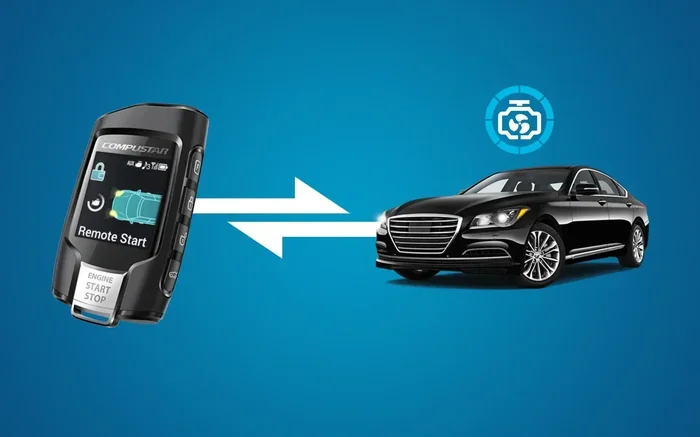
A key fob lock is an electronic locking system that lets you lock, unlock, and sometimes start your car without inserting a physical key. The key fob is a small handheld device that sends a radio signal to your car. The car receives that signal and responds by locking or unlocking the doors. Some advanced systems can even start the engine just by pressing a button while the fob is inside the vehicle.
This technology is part of what is called a remote keyless entry system. It has become standard on most vehicles built in the last 20 years. The car security system relies on the key fob to confirm your identity before allowing access. This adds a strong layer of protection that old-style locks simply could not offer.
The importance of key fob locks goes beyond convenience. They reduce the risk of someone breaking into your car by picking a lock or using a copied key. The encrypted signals make it much harder for thieves to gain unauthorized access. That is why automakers continue to invest heavily in improving this technology every year.
The Basic Technology Behind Key Fob Locks
At its core, a key fob lock system has two main parts. The first part is the key fob itself, which contains a tiny transmitter. The second part is the car’s receiver module, which listens for signals from the fob. When you press a button, the fob sends a coded message through the air to the car. The car checks if the code is valid and then triggers the lock or unlock action.
How the Transmitter Works
The key fob has a small circuit board inside it. On that board is a frequency transmitter that sends out radio waves at a specific frequency. Most car key fobs operate at one of two frequencies. The most common frequencies are 315 MHz for cars made in North America and 433.92 MHz for cars made in Europe and Asia. The transmitter sends a signal that can travel anywhere from 20 to 100 feet depending on the car model and conditions.
Inside the fob, there is also a tiny chip that stores a unique code. This code is what tells your car that the signal is really coming from your fob and not from someone else’s device. The combination of the transmitter and the unique code is what makes the system work.
How the Receiver Works
The car has an antenna and a receiver module that constantly listens for signals from the key fob. When the receiver picks up a signal, it reads the code and compares it to the codes stored in the car’s computer. If the code matches, the car knows the signal is valid. It then sends a command to the door lock actuator to lock or unlock the doors.
The whole process happens in milliseconds. You press the button, and the doors respond almost instantly. This speed is what makes key fob locks feel so seamless and convenient in daily use.
Rolling Code Technology and Signal Encryption
One of the most important parts of how key fob locks work is the rolling code system. Early remote locks used a fixed code. That meant the same signal was sent every time you pressed a button. Thieves learned how to capture that signal and replay it to unlock cars. This was called a signal replay attack, and it was a real security problem.
To fix this, automakers introduced the rolling code system. Here is how it works in simple terms.
- When you press a button on your fob, the fob sends a code to the car.
- The car accepts that code and then both the fob and the car move to the next code in a sequence.
- That next code is generated using a shared algorithm that only the fob and the car know.
- Every time you press a button, the code changes. It never repeats.
This means that even if a thief captures the signal you send, it will not work the next time you use it. The code has already moved on. This signal encryption makes modern key fob locks extremely secure and very difficult to hack.
What Is a Transponder Key?
You may also hear the term transponder key when talking about key fob locks. A transponder is a small chip inside the key fob or key blade that sends a low-level signal to the car’s ignition lock. When you turn the key or press the start button, the car checks if the transponder code matches the code it is expecting. If it does not match, the car will not start. This is called a car immobilizer system, and it is one of the most effective anti-theft features in modern vehicles.
The transponder works together with the key fob lock system to provide two layers of protection. The fob handles remote access, and the transponder handles engine authentication. Together, they make your vehicle much safer than a car with a standard lock and key.
Types of Key Fob Lock Systems
Not all key fob locks are the same. Different cars use different systems depending on the age of the vehicle and the level of technology. Here are the most common types you will encounter.
| Type | How It Works | Common In |
|---|---|---|
| Basic Remote Fob | Sends a fixed or rolling code to lock and unlock doors only | Older vehicles and budget models |
| Smart Key System | Uses proximity detection and push-button start with no physical key needed | Modern luxury and mid-range vehicles |
| Remote Start Fob | Locks, unlocks, and starts the engine from a distance | Cold weather markets and truck models |
| Proximity Keyless Entry | Detects the fob inside the car and allows access without pressing any button | New generation vehicles and EVs |
Each type of key fob lock system builds on the same basic principles. The difference is in the level of automation and convenience. Smart key systems and proximity entry are the most advanced and offer the smoothest user experience.
How Proximity Sensors Work
Proximity-based key fob systems use antennas placed around the car. These antennas constantly scan for the fob’s signal. When the fob comes within a few feet of the car, the system recognizes it. You can then open the door by touching the door handle, and the car will start when you press the engine button. All of this happens because the proximity sensor detects the fob’s presence automatically.
This is why you can keep the fob in your pocket or purse and still lock, unlock, and start your car. The system does all the work for you. It is one of the most impressive features of modern vehicle access technology.
Common Key Fob Lock Problems and How to Fix Them
Even the best key fob locks can have issues from time to time. Most problems are simple to fix and do not require a trip to the mechanic. Here are the most common issues you may face.
Weak or Unresponsive Signal
If your fob stops working or only works when you are very close to the car, the most likely cause is a weak battery. Key fob batteries are small and usually last between 2 and 4 years. Replacing the battery is quick and easy in most fobs. Open the fob with a small flathead screwdriver, swap out the old battery for a new CR2025 or CR2032 cell, and test it again. This fixes the problem in about 80% of cases.
Fob Needs Reprogramming
Sometimes the fob loses its connection to the car. This can happen after a battery change or after the car battery has been disconnected. Key fob programming is the process of re-linking the fob to the car’s computer. Many cars let you reprogram the fob yourself by following a simple sequence of steps in the owner’s manual. For newer or more complex systems, you may need a dealer or locksmith to handle the key fob programming for you.
Buttons Wear Out Over Time
The rubber buttons on a key fob can wear out after years of daily use. If a specific button stops working, you may need to replace the entire fob or have the buttons repaired. Keeping your fob clean and dry helps extend its lifespan. Avoid dropping it or exposing it to extreme heat, as this can damage the internal electronics.
Signal Interference
In rare cases, signal interference from other electronic devices can cause your fob to malfunction. Large radio towers, security systems, or even other key fobs nearby can sometimes confuse the signal. Moving away from these sources and trying again usually solves the issue.
Tips to Keep Your Key Fob Lock System Secure
Your key fob locks are designed to protect your car, but there are steps you can take to make them even more secure.
- Use a Signal Blocking Pouch: A Faraday pouch blocks the radio signal from your fob when you are not using it. This prevents thieves from amplifying the signal and gaining access to your car.
- Keep Your Fob Away from Doors and Windows at Night: Storing your fob near exterior doors can make it vulnerable to signal boosting attacks. Keep it in a safe place inside your home.
- Replace the Battery on Schedule: Do not wait until the fob stops working. Replace the battery every 2 to 3 years to avoid being caught off guard.
- Check for Recalls and Updates: Some automakers issue software updates to fix security vulnerabilities in key fob systems. Stay informed and apply updates when available.
- Have a Spare Fob: Always keep a backup fob in a safe place. If your primary fob is lost or damaged, a spare can save you time and money.
Quick Tips for Key Fob Care
Taking care of your key fob is simple. A few small habits can keep your key fob lock system working perfectly for years. Clean the buttons and the exterior with a soft cloth every few weeks. Avoid getting the fob wet. Do not leave it in direct sunlight or in a hot car for long periods. And always keep spare batteries on hand so you are never stuck with a dead fob.
How Key Fob Locks Have Evolved Over the Years
The journey of key fob locks has been impressive. In the early days, cars used basic metal keys with no electronic features. Then came the remote lock and unlock buttons in the 1980s. These first remotes used a simple fixed code that sent the same signal every time. It was a big step forward for convenience, but it was not very secure.
By the 1990s, rolling code technology became the standard. This was a game changer for car security. The codes changed every time, making replay attacks much harder. In the 2000s, smart key systems arrived. These allowed drivers to keep the fob in their pocket and start the car with the push of a button. Today, we have proximity sensors and advanced encrypted signals that make the entire process feel effortless.
Each generation of key fob lock technology has built on the last. The result is a system that is more secure, more convenient, and more reliable than ever before. As cars become more connected and electric, the key fob system will continue to evolve with new features and stronger protection.
Key Fob Locks and the Future of Vehicle Access
Looking ahead, key fob locks are part of a bigger trend toward digital vehicle access. Some car manufacturers are experimenting with using smartphones as digital keys. Others are exploring biometric access like fingerprint or facial recognition to unlock and start the car. These technologies build on the foundation that key fob locks established.
The core principles remain the same. A secure signal, encrypted communication, and a trusted handshake between the fob and the car. As long as cars need secure access, the technology behind key fob locks will continue to play a vital role in how we interact with our vehicles.
Understanding how your key fob lock system works empowers you as a car owner. You can troubleshoot problems faster, keep your vehicle more secure, and appreciate the clever engineering that goes into every button press. The next time you tap your fob and hear the satisfying click of your doors locking, you will know exactly what is happening behind the scenes.
Conclusion
Key fob locks are one of the most important convenience and security features in modern vehicles. From the basic transmitter and receiver to the advanced rolling code encryption, every part of the system works together to keep your car safe and accessible. By understanding how key fob locks work, you can take better care of your fob, troubleshoot issues quickly, and make smarter decisions about your vehicle’s security. Keep your fob maintained, stay aware of new technology, and enjoy the peace of mind that comes with a well-functioning car security system.
Frequently Asked Questions
How far can a key fob lock signal reach?
Most key fob signals work from about 20 to 100 feet away from the car. The exact distance depends on the car model, the fob’s battery strength, and any obstacles between the fob and the car. Some advanced remote keyless entry systems can reach even farther in open areas.
Can someone hack my key fob lock system?
Modern key fob locks use rolling codes and signal encryption that make hacking very difficult. However, older cars with fixed codes can be more vulnerable. Using a signal blocking pouch and keeping your fob battery fresh are great ways to improve your car security system.
How often should I replace my key fob battery?
Most key fob batteries last between 2 and 4 years. If you notice the signal getting weaker or the fob becoming less responsive, it is a good sign that the battery needs replacing. Swapping in a new CR2025 or CR2032 battery is quick and easy.
What should I do if my key fob stops working after a battery change?
If the fob still does not work after a new battery, try reprogramming it to the car. You can often do this yourself by following the steps in your owner’s manual. If that does not work, a dealer or locksmith can help with key fob programming and reset the connection.
Is a smart key the same as a regular key fob?
A smart key is a more advanced type of key fob lock system. It uses proximity sensors to detect the fob and allows push-button start without inserting a key. A regular key fob requires you to press a button to lock or unlock the car, while a smart key system works automatically when you are near the vehicle.
Can I replace my key fob lock myself?
You can replace the battery and sometimes reprogram a basic fob yourself. For more complex issues like a broken fob or lost fob, you may need a locksmith or dealer. They can cut a new fob, program the transponder key, and ensure it works with your vehicle access system correctly.