Can I Add Remote Start to My Car and What You Need to Know
Yes, you can add remote start to most cars with the right kit and professional installation. A remote start system lets you start your engine from a distance using a key fob or smartphone app. This guide covers everything you need to know about aftermarket remote start, costs, compatibility, and installation steps.
This is a comprehensive guide about Can I Add Remote Start to My Car?.
Key Takeaways
- Remote start is addable: Most vehicles can get a remote starter kit installed, whether you drive a sedan, SUV, or truck.
- Two main types exist: One-way remotes and two-way remotes give you different levels of feedback and control.
- Professional installation is recommended: Wiring a remote start involves your car’s electrical system and may void warranties if done incorrectly.
- Costs range from $150 to $500: The price depends on the brand, range, and features of the system you choose.
- Safety first: Always pair remote start with a car alarm system and proper bypass modules for modern vehicles.
[FEATURED_IMAGE_PLACEHOLDER]
Can I Add Remote Start to My Car and What You Need to Know
So you are standing outside your car on a freezing morning, and you wish you could just press a button and let the engine warm up before you step inside. Or maybe you live in a hot climate and want to cool down your car before you get in. Can I add remote start to my car? The short answer is yes. But the full answer involves a few important things you should know first.
Adding a remote start system to your vehicle is one of the most popular car upgrades people make. It brings comfort, convenience, and even a layer of vehicle security. However, it is not as simple as buying a box and plugging it in. Your car’s make, model, year, and engine type all play a role in whether a remote starter kit will work for you.
In this guide, we will walk through everything you need to know. We will cover how remote start systems work, what types are available, how much they cost, and whether you should install one yourself or hire a professional. By the end, you will have a clear picture of what to expect and how to make the best choice for your car.
What Is a Remote Start System and How Does It Work?
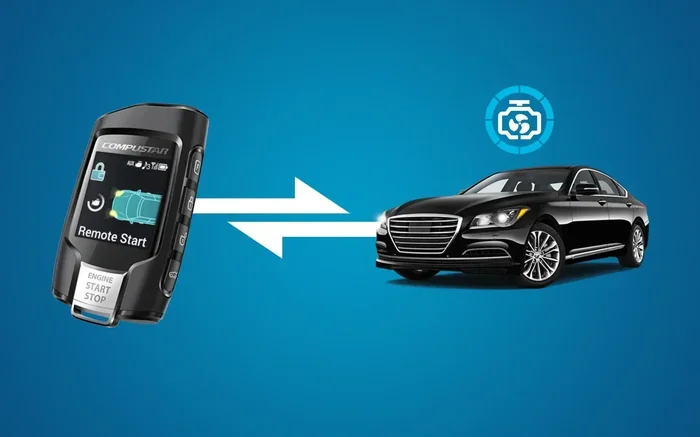
A remote start system is a device that lets you start your car engine from a distance. You press a button on a key fob or use a smartphone app, and the system sends a signal to your car to turn the engine on. You do not need to be inside the vehicle for it to work.
Here is how it works in simple terms. The remote sends a radio signal to a receiver module installed inside your car. The receiver talks to your car’s ignition system and engine control unit. It mimics the actions you would normally do when turning the key or pressing the start button. The engine fires up, and your climate control system begins working so the cabin is comfortable when you get in.
Most systems also include a car alarm system feature. This means your car stays protected even while the engine is running remotely. The doors stay locked, and the alarm stays armed until you physically enter the vehicle.
One-Way vs Two-Way Remote Starters
When shopping for a remote starter kit, you will come across two main types. Understanding the difference helps you choose the right one.
One-Way Remote Starters: These send a signal from the remote to the car. You press the button and hope the engine started. There is no confirmation sent back to you. These are the most affordable option and work well for most basic needs.
Two-Way Remote Starters: These send a signal to the car and receive a confirmation signal back. You know for sure the engine started because the remote will beep or flash. Some two-way systems also let you lock and unlock doors or trigger the horn from the remote.
Smartphone-Based Remote Starts: Many modern systems connect to your phone through Bluetooth or Wi-Fi. You can start your car from anywhere with an internet connection. This is the most advanced option and usually comes with a higher price tag.
Can Any Car Get a Remote Start Added?
This is the question most car owners ask, and the answer is not always a simple yes. While many vehicles can accept an aftermarket remote start, some require extra steps or are not compatible at all.
Vehicles That Easily Accept Remote Start
Most cars with a traditional key ignition or a simple push-button start system are good candidates. Older vehicles and many mid-range models work well with standard remote starter kits. Here are some examples:
- Cars with a manual ignition key slot
- Vehicles with a basic push-button start without advanced security
- Most trucks and SUVs from the last 15 years
- Cars that use a standard transponder key system
Vehicles That Need Extra Components
Modern cars with advanced security features often need a bypass module to work with a remote start. These modules trick the car’s security system into thinking the key is present, even when you are starting the engine remotely.
Luxury brands and European cars sometimes have complex wiring and security protocols. Vehicles from brands like BMW, Mercedes, and Audi may need a more specialized remote starter kit and a professional installer who understands their systems.
Cars with a stop-start system or hybrid engines can also present challenges. The system needs to integrate properly with the car’s computer, and not all kits support these features.
What Do You Need to Install a Remote Start?
Before you decide to add remote start to your car, you need to know what goes into the process. There are a few key components and some important considerations.
Essential Components
Every remote start system includes a few basic parts. Here is what you will need:
- Remote Control or Key Fob: This is what you carry with you. It sends the signal to start the car. Most kits come with one or two remotes.
- Control Module: This is the brain of the system. It gets installed under the dashboard and connects to your car’s wiring.
- Bypass Module (if needed): Modern cars with transponder keys need this to bypass the security system during remote start.
- Wiring Harness: This connects the control module to your car’s electrical system without cutting into factory wires.
Tools and Skills Needed
If you plan to install the system yourself, you will need some basic tools and a decent understanding of car electronics. You will need wire strippers, crimp connectors, electrical tape, a multimeter, and a wiring diagram for your specific car model.
However, we strongly recommend professional installation unless you have experience with car wiring. A wrong connection can damage your engine control unit, trigger error codes, or even cause electrical fires. A professional installer will also ensure the car alarm system integration works correctly.
How Much Does It Cost to Add Remote Start to a Car?
Cost is always a big factor when adding any accessory to your car. The price of a remote start system can vary quite a bit depending on the brand, features, and type of installation.
Price Breakdown by System Type
Here is a general idea of what you can expect to pay:
- Basic One-Way Systems: $100 to $200 for the kit. These are simple remotes with a range of about 1,000 to 3,000 feet.
- Mid-Range Two-Way Systems: $200 to $350 for the kit. These offer confirmation signals and a longer range of up to a mile.
- Premium Smartphone Systems: $300 to $500 for the kit. These let you control your car from your phone and often include GPS tracking.
- Professional Installation: $100 to $300 extra, depending on your car and your location.
Some car electronics shops also bundle the remote start with other features like an upgraded car music system or a 6-channel car amplifier for a discounted package. This can save you money if you are already planning upgrades.
Hidden Costs to Watch For
Not all costs are upfront. Some things to keep in mind include:
- Bypass modules for modern cars can add $50 to $150 to the total cost.
- Extended warranties on the installation may cost extra but are worth considering.
- If your car needs a new 12v car socket or electrical upgrades, those add to the bill.
- Replacement remote fobs can cost $30 to $50 each if you lose one later.
Benefits of Adding Remote Start to Your Car
There are many good reasons to add a remote start system to your vehicle. Let us look at the biggest benefits.
Comfort in Extreme Weather
This is the number one reason most people install remote start. In winter, you can warm up your car and defrost the windshield before you step outside. In summer, you can cool down the interior so it is not like sitting in an oven when you get in.
Some people also use a 12 volt car kettle or a small heater plugged into a 12v to 230v car inverter to make their remote-started car even more comfortable. These small accessories can make a big difference on cold mornings.
Improved Vehicle Security
A good remote starter kit comes with car security system features. Your car stays locked while the engine runs remotely. If someone tries to break in, the alarm triggers. Some systems also include GPS tracking so you can locate your car if it gets stolen.
Engine Health Benefits
Letting your engine warm up before driving can reduce wear and tear. Cold engines run less efficiently, and the oil has not yet circulated properly. A remote auto start gives the engine a few minutes to reach optimal temperature before you drive off. This is especially helpful in cold climates where temperatures drop well below freezing.
Resale Value
Believe it or not, a factory or professionally installed aftermarket remote start can boost your car’s resale value. Many buyers look for this feature, especially in regions with harsh winters. It is a practical upgrade that adds real value to your vehicle.
Common Mistakes to Avoid When Adding Remote Start
Even with the best intentions, mistakes happen during remote start installation. Here are some common errors you should avoid.
Skipping the Bypass Module
Many people try to save money by skipping the bypass module. This is a big mistake on modern cars. Without it, the transponder key system will not recognize the remote start signal, and your car will not start. You may also trigger security warnings on your dashboard.
Choosing the Wrong Range
Not all remotes have the same range. A cheap one-way remote might only work from 500 feet away. If you park in a large lot or want to start your car from inside your house, you need a system with a longer range. Two-way remotes with a range of 3,000 to 5,000 feet are a much better choice for most users.
Ignoring Warranty Concerns
Some car manufacturers warn that adding aftermarket electronics can void your warranty. Before you install a remote start system, check your warranty terms. Professional installation from a reputable shop can help protect your warranty since they use non-invasive methods and quality products.
Not Testing the System Properly
After installation, always test the system thoroughly. Make sure the engine starts, the doors lock, and the alarm arms correctly. Test the range from different distances and angles. A quick test now can save you headaches later.
Should You Install It Yourself or Hire a Professional?
This is a decision every car owner faces when adding remote start. Both options have pros and cons.
DIY Installation: You save money on labor costs, and you learn more about your car’s electrical system. If you are handy with tools and have experience with car electronics, it can be a rewarding project. Just be sure to follow the wiring diagram for your car exactly.
Professional Installation: You pay more upfront, but you get peace of mind. A professional knows how to handle different car models, avoids damaging wires, and ensures the car alarm system and engine control unit work together seamlessly. Many shops also offer warranties on their installation work.
For most people, we recommend professional installation. The risk of damaging your car’s electronics is real, and the cost of fixing a mistake can far exceed the savings from a DIY job. Plus, a professional installation often comes with a guarantee, which DIY does not.
If you do go the DIY route, make sure you buy a quality remote starter kit with clear instructions. Watch video tutorials for your specific car model, and never rush the process. Take your time, and double-check every connection before you power on the system.
Maintenance Tips for Your Remote Start System
Once your remote start system is installed, a little maintenance goes a long way. Here are some simple tips to keep it working well.
- Replace the remote fob battery every 1 to 2 years. A weak battery means a shorter range and unreliable starts.
- Keep the control module clean. Dust and moisture can cause problems over time. Use 3M cloth for car cleaning to gently wipe down the area under the dashboard where the module sits.
- Check your wiring connections once a year. Vibration from driving can loosen connections over time.
- Update the software if your system has a smartphone app. Manufacturers often release updates that improve performance and fix bugs.
- Test the system regularly. Try starting your car remotely at least once a month to make sure everything works.
Taking care of your remote starter kit ensures it lasts for many years. Most quality systems have a lifespan of 5 to 10 years with proper maintenance. If you also use a 3M car glass cleaner to keep your remote fob clean, the buttons will last longer and feel better in your hand.
Final Thoughts
So, can you add remote start to your car? Absolutely. Whether you drive a daily commuter or a family SUV, a remote start system is one of the most practical upgrades you can make. It brings comfort, adds a layer of vehicle security, and can even help your engine last longer.
The key is to choose the right system for your car, invest in quality installation, and maintain it properly. Do your research, compare options, and do not rush the decision. A well-installed remote starter kit will serve you well for years to come.
Start by checking your car’s compatibility, then decide between a one-way remote, a two-way remote, or a smartphone-based system. Set a budget, find a trusted installer, and enjoy the convenience of stepping into a warm or cool car every time you go for a drive.
Adding remote start to your car is not just a luxury. It is a smart investment in comfort, security, and the long-term health of your engine. Take the step today, and you will wonder how you ever lived without it.
Frequently Asked Questions
Is adding remote start to my car covered by warranty?
It depends on your car manufacturer and how the system is installed. Factory-approved installations are less likely to void your warranty. Aftermarket installations may affect coverage for electrical components. Always check with your dealer before installation.
Can I install a remote start system myself?
Yes, you can if you have experience with car electronics and wiring. However, professional installation is strongly recommended to avoid damaging your car’s electrical system. A professional ensures proper integration with your car alarm system and engine control unit.
How far can a remote start reach?
Range varies by system. Basic one-way remotes work from about 1,000 to 3,000 feet. Two-way remotes can reach up to a mile or more. Smartphone-based systems work from anywhere with internet access, giving you unlimited range.
Does remote start waste gas?
A remote start idle for 10 to 15 minutes uses a small amount of fuel. However, the comfort and engine health benefits usually outweigh the minimal fuel cost. Modern engines are designed to handle idle warming efficiently.
Will a remote start work with my keyless entry car?
Most keyless entry cars can support remote start, but they require a bypass module to work properly. The bypass module allows the remote start system to communicate with your car’s transponder key security system without the physical key present.
Can remote start damage my car engine?
No, a properly installed remote start will not damage your engine. In fact, letting your engine warm up before driving can reduce wear. The key is professional installation and using a quality remote starter kit that is compatible with your vehicle.
Frequently Asked Questions
What is Can I Add Remote Start to My Car??
Can I Add Remote Start to My Car? is an important topic with many practical applications.


