Key Factors That Affect the Cost of Auto Window Tint
The cost of auto window tint varies widely based on tint material type, vehicle size, and installation quality. Ceramic and carbon tints cost more but offer superior heat rejection and UV protection compared to basic dyed films. Understanding these factors helps car owners budget wisely and choose the right tint for their needs.
Have you ever wondered why the cost of auto window tint can range from a couple hundred dollars to well over a thousand? The answer isn’t as simple as picking a film off a shelf. Several important factors come into play, and understanding them can save you money, time, and frustration.
Whether you want to reduce glare on long drives, protect your car’s interior from sun damage, or just add some privacy, window tinting is one of the best upgrades you can make. But before you commit, it helps to know what drives the price. This guide breaks down every major factor so you can make a smart, informed decision.
We’ll cover everything from the different types of tint films to how your vehicle’s size and shape affects the final bill. By the end, you’ll have a clear picture of what to expect and how to get the best value for your money.
Key Takeaways
- Tint Material Matters: Ceramic, carbon, dyed, and metalized films all have different price points and performance levels.
- Vehicle Size Affects Price: Larger vehicles like SUVs and trucks cost more to tint due to more window surface area.
- Professional Installation Costs More but Lasts Longer: DIY kits save money upfront but often lead to bubbles and peeling.
- State Laws Impact Your Choice: Legal tint limits vary by state and may restrict which films you can use.
- Warranties Add Value: Higher-quality tints come with longer warranties that protect your investment.
- Extra Features Increase Cost: UV protection, glare reduction, and privacy enhancements add to the overall price.
- Comparing Quotes Saves Money: Getting multiple estimates helps you find the best balance of quality and affordability.
📑 Table of Contents
- What Is Auto Window Tint and Why Does It Matter?
- Types of Window Tint Films and Their Price Ranges
- How Vehicle Size and Shape Impact Tinting Costs
- The Role of Professional Installation vs. DIY Kits
- Legal Restrictions and Tint Percentages
- Additional Features That Influence the Cost of Auto Window Tint
- How to Save Money on Auto Window Tinting
- What to Expect During the Tinting Process
- How Long Does Auto Window Tint Last?
- Conclusion
What Is Auto Window Tint and Why Does It Matter?
Auto window tint is a thin film applied to the inside of your car’s glass. It serves several purposes, from blocking harmful UV rays to reducing heat inside your vehicle. The window tinting prices you pay depend largely on the type of film you choose and the quality of the installation.
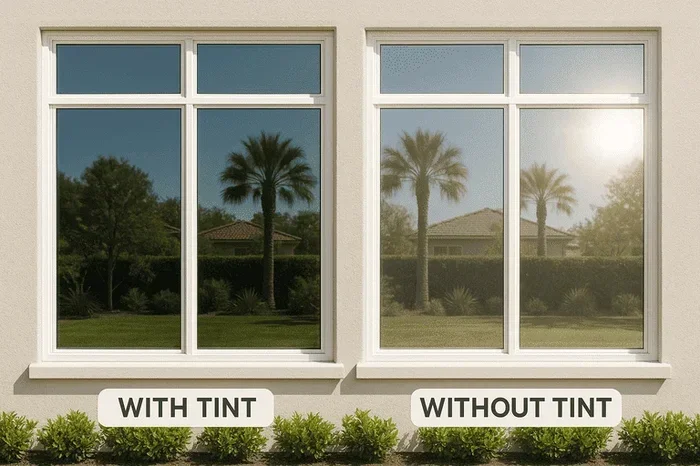
Most car owners tint their windows for three main reasons: heat reduction, UV protection, and privacy. In hot climates, a good tint can lower your car’s interior temperature by 30 to 40 percent. This means less reliance on air conditioning, which can actually improve your fuel economy over time.
The visible light transmission rating, or VLT, tells you how much light the tint allows through. Lower VLT means a darker tint. This rating is important because every state has its own legal tint limits. Choosing a film that meets your state’s state tint laws is essential to avoid fines and failed inspections.
Types of Window Tint Films and Their Price Ranges
The type of film you choose is the single biggest factor in the cost of auto window tint. Each material offers different levels of performance, durability, and appearance. Here is a closer look at the most common options.
Dyed Window Tint
Dyed tint is the most budget-friendly option. It uses multiple layers of dye to absorb heat and reduce glare. The window tinting prices for dyed film typically range from $50 to $100 per window when professionally installed.
However, dyed tint has some drawbacks. It tends to fade over time, turning purple or bubbly after a few years. It also offers the lowest level of heat rejection compared to other options. If you are on a tight budget and live in a mild climate, dyed tint can work, but it won’t last as long.
Metalized Window Tint
Metalized tint contains tiny metallic particles that reflect heat away from your car. It is more durable than dyed film and does not fade easily. The car window film cost for metalized tint usually falls between $100 and $200 per window.
The tradeoff is that metalized tint can interfere with electronic signals. If you use GPS, Bluetooth, or keyless entry, you might notice some disruption. Some people also find the shiny, reflective look less appealing on certain vehicles.
Carbon Window Tint
Carbon tint is a popular middle-ground option. It offers excellent heat rejection without the signal interference issues of metalized film. Carbon film has a matte, non-reflective finish that many car owners prefer for its clean, modern look.
The cost of auto window tint for carbon film typically runs from $150 to $250 per window. It holds up well over time and does not fade as quickly as dyed alternatives. For many drivers, carbon tint hits the sweet spot between performance and price.
Ceramic Window Tint
Ceramic tint is the premium option. It uses nano-ceramic particles to block heat and UV rays without affecting signal clarity. It offers the highest level of heat rejection and UV protection of any tint type.
Unsurprisingly, ceramic tint comes at the highest price. The window tinting prices for ceramic film can range from $200 to $400 per window. However, the durability, performance, and longevity make it worth the investment for many car owners, especially those who spend a lot of time driving in direct sunlight.
Comparison Table: Tint Types at a Glance
| Tint Type | Avg. Cost Per Window | Heat Rejection | Signal Interference | Durability | Fade Resistance |
|---|---|---|---|---|---|
| Dyed | $50 – $100 | Low | None | Low | Poor |
| Metalized | $100 – $200 | Medium-High | Yes | High | Good |
| Carbon | $150 – $250 | High | No | High | Very Good |
| Ceramic | $200 – $400 | Very High | No | Excellent | Excellent |
How Vehicle Size and Shape Impact Tinting Costs
The size and shape of your vehicle play a big role in the final price. More windows mean more film and more labor hours, which drives up the cost of auto window tint. Let us look at how different vehicle types compare.
Sedans
Sedans are the easiest and cheapest vehicles to tint. They have a standard set of windows — two front doors, two rear doors, and a rear windshield. A full sedan tint job typically costs between $200 and $400 when done professionally.
The straightforward window shapes make the installation process faster. This means lower labor costs, which is a big part of the overall window tinting prices. If you drive a sedan, you are in a good position to save money.
SUVs and Crossovers
SUVs have larger windows and often include a rear windshield, side windows, and sometimes a sunroof. The increased surface area means more film is needed. A full SUV tint usually costs between $300 and $600.
Some SUVs also have curved or oddly shaped rear windows that add complexity to the installation. The more curved the glass, the more skill and time the installer needs. This is why professional installation is especially important for larger vehicles.
Trucks and Commercial Vehicles
Trucks and commercial vans often have the most windows and the most complex glass configurations. Pickup trucks with large rear windows and side windows can push the cost of auto window tint to $400 or more.
Commercial vehicles may also need special considerations. Some businesses tint their fleet vehicles for privacy or branding purposes. In these cases, the volume of work might qualify for bulk discounts from the installer.
The Role of Professional Installation vs. DIY Kits
One of the biggest decisions you will make is whether to hire a professional or go the DIY route. Both options have pros and cons, and the choice directly affects the cost of auto window tint and the final result.
Professional Installation
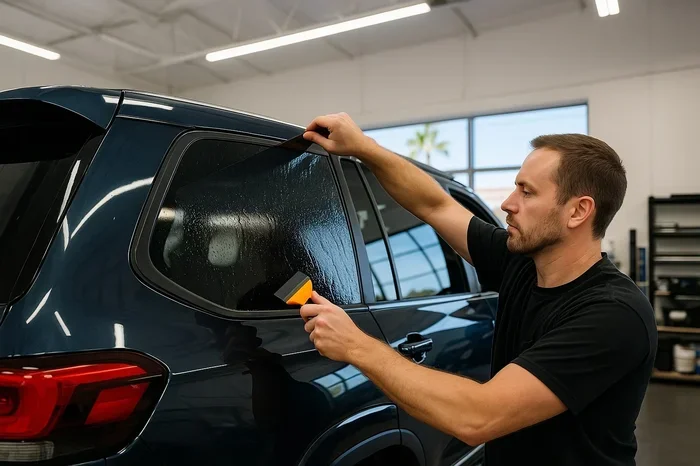
Professional installers have the tools, experience, and clean environments needed for a flawless application. They use heat guns to shape the film around curves and edges, ensuring a bubble-free finish. A professional job also typically comes with a window tint warranty that can last five to ten years.
The downside is the higher upfront cost. However, professional installation often saves money in the long run because the tint lasts longer and looks better. You avoid the headaches of peeling, bubbling, or uneven application that often come with DIY kits.
DIY Tint Kits
DIY tint kits are widely available online and at auto parts stores. They are much cheaper, with prices often ranging from $20 to $80 for a full set of films. For budget-conscious car owners, this can be an attractive option.
However, DIY kits come with significant risks. Without proper tools and experience, it is easy to end up with air bubbles, creases, or misaligned edges. A poorly installed tint not only looks bad but also peels faster, meaning you may need to redo the job sooner. This can end up costing more than a professional installation in the first place.
Expert Insight
Most industry professionals recommend investing in professional installation, especially for ceramic or carbon tints. These premium films require precise application to perform at their best. A skilled installer will also know the correct tint percentage for your vehicle and local laws, saving you from potential legal issues.
Legal Restrictions and Tint Percentages
Before you spend a dime on tint, you need to understand the legal rules in your area. Every state has its own state tint laws that dictate how dark your tint can be and which windows it can be applied to.
Understanding VLT Percentages
The visible light transmission percentage tells you how much light passes through the tinted glass. For example, a 50% VLT tint allows half the light through, while a 5% VLT tint is very dark. Most states require a minimum VLT of 50% to 70% for front side windows.
Rear windows and windshields often have different rules. Many states allow darker tints on the rear windows but require a certain percentage of light to pass through the front windshield, usually along the top strip.
Common Legal Tint Limits by Vehicle Type
- Sedans: Front side windows typically must be above 50% VLT. Rear windows can often go as low as 5% to 35% depending on the state.
- SUVs and Vans: Similar rules apply, but some states allow slightly darker tints on rear windows for larger vehicles.
- Windshield: Most states allow a non-reflective tint strip along the top of the windshield, usually no more than 4 to 6 inches.
Violating state tint laws can result in fines, failed inspections, or even being ordered to remove the tint. Always check your local regulations before choosing a tint darkness level.
Quick Tips for Staying Legal
- Ask your installer about the legal VLT limits in your state before selecting a film.
- Keep a copy of your state’s tint laws in your vehicle in case you get pulled over.
- Choose a tint that is slightly lighter than the legal minimum to stay safely within the law.
- If you are unsure, ask your installer for documentation of the film’s VLT rating.
Additional Features That Influence the Cost of Auto Window Tint
Beyond the basic film type and vehicle size, several additional features can push the cost of auto window tint higher. These extras can add real value, so it is worth understanding what they offer.
UV Protection
High-quality tints block up to 99% of harmful UV rays. This protects your skin during long drives and prevents your car’s interior from fading and cracking. The UV protection feature is standard in most ceramic and carbon tints but may cost extra with basic films.
Glare Reduction
Glare from the sun and other vehicles can be dangerous, especially during sunrise and sunset. Tints with built-in glare reduction make driving safer and more comfortable. This feature is particularly valuable for people who spend a lot of time on the road.
Privacy and Security
Darker tints provide more privacy for you and your passengers. They also make it harder for thieves to see valuables inside your car. If privacy is a priority, you may want to invest in a higher-quality film that maintains a dark appearance without fading quickly.
Interior Protection
Sun damage is one of the biggest enemies of your car’s interior. Dashboards, seats, and trim can crack and fade over time from constant UV exposure. A good tint acts as a shield, preserving the look and condition of your car’s interior. This benefit alone can justify the window tinting prices for many car owners.
Common Mistakes to Avoid
- Choosing the cheapest option: Budget tints fade quickly and may need replacement within a year or two.
- Ignoring state laws: Getting caught with illegal tint can result in fines and the hassle of removal.
- Skipping the warranty: Always ask about the window tint warranty before committing to an installer.
- Tinting all windows the same darkness: Front and rear windows often have different legal limits. Make sure your installer knows the rules.
- Not comparing quotes: Prices can vary significantly between shops. Get at least three estimates before deciding.
How to Save Money on Auto Window Tinting
Tinting your windows does not have to break the bank. With the right approach, you can get excellent results without overspending. Here are some practical tips to help you save.
Get Multiple Quotes
Prices for the cost of auto window tint can vary by 20% to 30% between different shops. Always get at least three quotes before making a decision. Look for installers who are experienced with your specific vehicle type.
Choose the Right Tint for Your Needs
You do not always need the most expensive ceramic tint. If you live in a mild climate and want basic heat rejection and privacy, a quality carbon tint may be all you need. Matching the film to your actual needs prevents you from paying for features you will not use.
Ask About Seasonal Discounts
Many tint shops offer discounts during slower months, typically in late fall and winter. Scheduling your tinting during these periods can save you a noticeable amount of money.
Consider Bundle Deals
Some installers offer package deals when you combine window tinting with other services like paint protection or ceramic coating. These bundles can reduce your overall cost while giving your car a comprehensive upgrade.
Expert Insight
According to industry experts, the best time to tint your windows is during cooler, less humid months. High humidity can slow the curing process and increase the risk of bubbling. If you can schedule your installation in spring or fall, you will get better results and a smoother experience.
What to Expect During the Tinting Process
Knowing what happens during a professional tinting job can help you feel more comfortable and set the right expectations. The process is straightforward but requires attention to detail.
- Window Cleaning: The installer thoroughly cleans every window to remove dust, dirt, and oils. This step is critical for a smooth, bubble-free application.
- Film Measurement and Cutting: The film is measured and cut to fit each window precisely. Modern shops often use computer-cut templates for accuracy.
- Film Application: The installer sprays a soapy solution on the window and carefully applies the film. A heat gun is used to shape the film around curves and edges.
- Trimming and Finishing: Excess film is trimmed away, and the edges are smoothed down. The installer checks for bubbles, creases, or misalignment.
- Curing Time: The tint needs time to cure and bond to the glass. This typically takes two to four days, during which you should avoid rolling down your windows.
Most professional installations take between two and four hours for a full vehicle. The window tint warranty usually begins once the installation is complete, so make sure you receive your warranty documentation before you leave.
How Long Does Auto Window Tint Last?
The lifespan of your tint depends largely on the film type and the quality of the installation. Dyed tint typically lasts two to three years before showing signs of fading or bubbling. Metalized and carbon tints can last five to seven years with proper care.
Ceramic tint is the most durable option, often lasting ten years or more. The window tint warranty is a good indicator of expected lifespan. Higher-quality films almost always come with longer warranties, which gives you peace of mind and protects your investment.
To maximize the life of your tint, avoid using abrasive cleaners on your windows for at least a month after installation. Use a soft microfiber cloth and a gentle glass cleaner. This simple habit can add years to the life of your tint.
Conclusion
The cost of auto window tint is shaped by many factors, from the type of film you choose to the size of your vehicle and the quality of the installation. Ceramic and carbon tints cost more upfront but deliver superior performance and longevity. Dyed and metalized films are more affordable but may need replacement sooner.
Understanding the factors that influence pricing helps you make a smart investment. Consider your climate, driving habits, and personal preferences when choosing a tint. Always check your state’s state tint laws and ask about warranties before committing to an installer.
Ultimately, window tinting is one of the most worthwhile upgrades you can make for your car. It protects your interior, improves comfort, and adds a sleek, polished look. Take the time to research your options, compare quotes, and choose a quality film with professional installation. Your car and your wallet will thank you for years to come.
Frequently Asked Questions
What is the average cost of auto window tint?
The average cost of auto window tint ranges from $200 to $600 for a full vehicle, depending on the film type and vehicle size. Sedans tend to cost less, while SUVs and trucks fall on the higher end. Ceramic tint will be on the more expensive side, while dyed tint is the most affordable option.
Does DIY window tint save money?
DIY tint kits are cheaper upfront, often costing $20 to $80 for a full set. However, they come with a higher risk of bubbles, peeling, and uneven application. Poor results may lead to needing a professional redo, which can end up costing more than a professional installation from the start.
What tint percentage is legal in most states?
Most states require front side windows to have a VLT of 50% or higher. Rear windows can often go as low as 5% to 35%, depending on the state. The windshield usually allows a non-reflective strip along the top. Always check your specific state’s tint laws before choosing a film.
How long does auto window tint last?
Dyed tint lasts about two to three years, while carbon and metalized tints last five to seven years. Ceramic tint can last ten years or more with proper care. The quality of the installation and the window tint warranty also play a big role in longevity.
Can I tint my windows myself to save money?
Yes, you can, but it is not recommended for most people. Professional installers have the tools and experience to ensure a clean, bubble-free finish. A poorly applied DIY tint can peel, bubble, or interfere with your visibility, creating safety issues on the road.
Is ceramic window tint worth the extra cost?
For most car owners, ceramic tint is worth the investment. It offers the best heat rejection, UV protection, and signal clarity. It also lasts longer than other tint types. If you spend a lot of time driving in direct sunlight or want the longest-lasting tint, ceramic is the clear choice.