How Do You Trick a Mass Airflow Sensor for Better MPG
The mass airflow sensor plays a big role in how your engine uses fuel. Many car owners wonder if tricking this sensor can boost MPG and performance. While some methods exist, they come with real risks and trade-offs. This guide breaks down what the MAF sensor does, common tricks people use, and safer alternatives that actually work. Understanding your sensor helps you make smarter decisions about fuel economy.
Have you ever wondered if there is a way to get more miles per gallon out of your car? The mass airflow sensor sits at the heart of your engine’s fuel delivery system. It tells your car’s computer how much air is coming in, and that determines how much fuel gets injected. Some drivers look for ways to trick a mass airflow sensor to squeeze out better fuel economy.
The truth is, there are methods people use to do this. Some work better than others. Some carry serious risks. In this article, we will walk you through everything you need to know. We will cover how the sensor works, common tricks, the dangers involved, and better alternatives that can genuinely improve your MPG without breaking the law or harming your engine.
Key Takeaways
- What the MAF sensor does: It measures incoming air so the ECU can deliver the right fuel amount.
- Common tricks exist but carry risk: Methods like spacer washers or intake modifications can alter readings.
- Safety is a real concern: Tricking sensors can damage your engine and void your warranty.
- Better alternatives work too: Cold air intakes, air filter upgrades, and proper maintenance boost MPG legally.
- Vehicle weight matters: A heavier car uses more fuel, which affects how your MAF sensor operates. Learn how extra weight impacts your car.
- Consult a pro first: Always talk to a mechanic before modifying your sensor setup.
📑 Table of Contents
- What Is a Mass Airflow Sensor and How Does It Work?
- Why Would You Want to Trick a Mass Airflow Sensor?
- Common Methods People Use to Trick a MAF Sensor
- Is Tricking a MAF Sensor Safe?
- Better Alternatives for Improving MPG
- Quick Tips for MAF Sensor Health
- Expert Insights on MAF Sensor Modifications
- Key Takeaways
- Conclusion
What Is a Mass Airflow Sensor and How Does It Work?
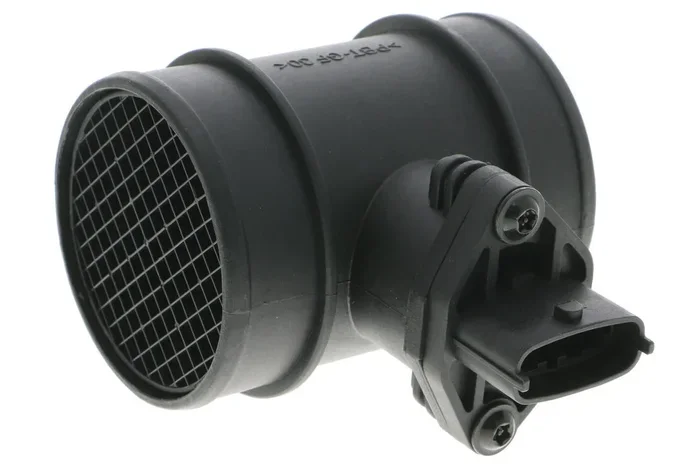
Your car’s mass airflow sensor (often called the MAF sensor) is a small but critical component. It sits between your air filter and throttle body. Its job is simple but essential. It measures the volume and density of air flowing into your engine.
Here is how it works in plain terms. Air enters your engine through the air intake. It passes over a heated wire or film inside the MAF sensor. As air flows past, it cools the wire. The sensor calculates how much air is moving based on how much cooling occurs. It then sends this data to your car’s engine control unit (ECU). The ECU uses this information to decide how much fuel to inject.
If the sensor reads more air, the ECU adds more fuel. If it reads less air, less fuel goes in. This balance is called the air-fuel ratio. Getting it right is crucial for engine performance, fuel economy, and emissions control.
Why the MAF Sensor Matters for MPG
Your fuel economy depends heavily on this air-fuel balance. When the sensor works correctly, your engine runs efficiently. But when something changes how the sensor reads airflow, the whole system shifts. Even a small change can affect your miles per gallon significantly.
A dirty or faulty MAF sensor can cause poor fuel economy. It can also lead to rough idling, stalling, and reduced engine power. Many car owners search for ways to improve their MPG by manipulating the sensor. But is that a good idea? Let us find out.
Why Would You Want to Trick a Mass Airflow Sensor?
The most common reason people look into this is to improve fuel economy. A car that gets better MPG saves money at the pump. Over time, those savings can add up fast. Some drivers also want more engine performance and horsepower.
Here are a few reasons people explore MAF sensor modifications:
- Better fuel economy: Getting more miles out of every gallon of gas.
- Improved throttle response: Feeling a quicker, more responsive engine.
- More horsepower: Some methods can increase airflow and power output.
- Reduced emissions concerns: Some drivers want to alter sensor readings to pass emissions tests (though this is illegal in many places).
- Cost savings: Avoiding expensive ECU tuning or replacement parts.
While these goals sound appealing, the methods used to achieve them can cause real problems. Let us look at the most common tricks people try.
Common Methods People Use to Trick a MAF Sensor
Several techniques exist that claim to alter how the mass airflow sensor reads incoming air. Some are simple DIY fixes. Others require more technical knowledge. Here are the most common ones you will find online.
1. MAF Sensor Spacer Washers
This is probably the most popular method. A spacer washer is a thin metal or rubber disc. It gets placed between the MAF sensor and the air intake pipe. The spacer moves the sensor further away from the incoming air stream.
The idea is simple. By moving the sensor back, it reads less air than is actually flowing in. The ECU then injects less fuel. With less fuel and the same air, the air-fuel mixture becomes leaner. A leaner mixture can improve MPG in some cases.
However, running too lean is dangerous. It can cause engine knocking, overheating, and long-term damage to your pistons and valves.
2. Unplugging the MAF Sensor
Some drivers simply unplug the MAF sensor and let the ECU use default values. When the sensor is disconnected, the computer falls back to a preset fuel map. This method can sometimes improve throttle response.
The problem is that the ECU does not know the real airflow conditions. It guesses. In some driving conditions, this guess is close enough. In others, it can be way off. Your fuel economy might improve slightly, or it might get worse. It is a gamble.
3. Modifying the Air Intake System
Another approach involves changing the air intake setup. Some people install a cold air intake system. These systems bring in cooler, denser air from outside the engine bay. Colder air is denser, which means more oxygen per volume.
When the MAF sensor reads this denser air, the ECU adds more fuel. The result can be a slight power boost. But the MPG improvement is often minimal or nonexistent. You are paying for more fuel to match the extra air.
4. Cleaning or Replacing the Sensor
This is not a trick, but a legitimate fix. A dirty MAF sensor gives inaccurate readings. Cleaning it with a specialized MAF sensor cleaner can restore proper function. Many drivers notice better fuel economy and smoother engine operation after a simple cleaning.
If cleaning does not help, replacing the sensor entirely might be the answer. A new sensor costs anywhere from 50 to 200 dollars. It is a small price for reliable readings and better MPG.
Is Tricking a MAF Sensor Safe?
This is the most important question. The short answer is no. Tricking your mass airflow sensor carries significant risks. Let us break them down.
Engine Damage Risks
When you alter how the MAF sensor reads air, you change the air-fuel ratio. If the mixture becomes too lean, your engine runs hot. Over time, this causes serious damage. Here are the risks:
- Engine knocking: Lean mixtures cause premature ignition that damages pistons.
- Catalytic converter failure: Too much heat from lean running destroys this expensive component.
- Warped valves: Excessive heat can warp intake or exhaust valves.
- Piston damage: In severe cases, pistons can crack or melt.
Warranty and Legal Issues
Modifying your MAF sensor can void your car’s warranty. If your engine suffers damage afterward, the manufacturer may refuse to cover repairs. In many states, altering emissions equipment is illegal. You could face fines or fail vehicle inspections.
Also, modern cars have onboard diagnostics systems. If the ECU detects something is wrong with the MAF sensor readings, it will trigger the check engine light. This can lead to failed inspections and extra repair costs.
The Weight Factor
Something people often overlook is how vehicle weight affects fuel economy and sensor behavior. A heavier car needs more fuel to move. This puts more demand on your engine and MAF sensor. If your car is carrying extra weight, no sensor trick will fully compensate. Understanding how weight impacts your car can help you set realistic expectations for MPG improvements.
Better Alternatives for Improving MPG
Instead of tricking your mass airflow sensor, there are much safer ways to boost your fuel economy. These methods actually work and do not put your engine at risk. Here are the best approaches.
1. Keep Up with Regular Maintenance
The simplest way to improve MPG is proper maintenance. Follow your manufacturer’s service schedule. Change your oil on time. Replace your air filter regularly. A clean air filter allows better airflow, which helps your MAF sensor read accurately.
2. Use the Right Fuel
Always use the fuel grade recommended for your vehicle. Using a lower octane than required can hurt performance and economy. Some drivers swear by fuel system cleaners. These can remove buildup in your fuel injectors and help the engine run more efficiently.
3. Check Your Tires
Underinflated tires create more rolling resistance. This means your engine works harder and uses more fuel. Check your tire pressure at least once a month. Keeping tires at the proper pressure can improve your MPG by up to three percent.
4. Drive Smarter
Your driving habits have a huge impact on fuel economy. Here are some tips:
- Avoid aggressive acceleration and hard braking.
- Use cruise control on highways to maintain steady speeds.
- Remove excess weight from your vehicle.
- Limit idling time.
- Plan routes to avoid heavy traffic when possible.
5. Upgrade Your Cold Air Intake
A quality cold air intake kit is a legitimate upgrade. It improves airflow and can give your engine a slight power boost. Unlike tricks that deceive the MAF sensor, a cold air intake works with your sensor to optimize performance. Just make sure the kit fits your specific vehicle model.
6. Get a Professional ECU Tune
If you want real performance and MPG gains, consider a professional ECU tune. A mechanic or tuner can reprogram your engine control unit to optimize fuel delivery, timing, and airflow. This is legal, safe, and far more effective than any MAF sensor trick.
Quick Tips for MAF Sensor Health
Keeping your mass airflow sensor in good shape goes a long way for fuel economy. Here are some quick tips:
- Never touch the sensor wire or film with your fingers. Oils from your skin can contaminate it.
- Clean your MAF sensor every 30,000 miles with a proper cleaner.
- Always replace your air filter on schedule.
- Check for vacuum leaks around the intake manifold. Leaks can cause false readings.
- Address check engine lights promptly. Ignoring them can lead to bigger problems.
Expert Insights on MAF Sensor Modifications
Most automotive experts agree that tricking a MAF sensor is not worth the risk. The potential savings at the pump do not justify the cost of possible engine damage. A certified mechanic can help you find legitimate ways to improve your fuel economy.
Many professionals recommend starting with the basics. Clean your sensor, replace your filters, and check for leaks. If those steps do not help, a professional ECU tune is the best next step. It is safer, more reliable, and often more effective than any DIY sensor trick.
Some tuners also point out that modern vehicles are designed to run efficiently from the factory. Manufacturers spend millions optimizing the air-fuel ratio for each model. Trying to outsmart that engineering usually leads to disappointment at best and expensive repairs at worst.
Key Takeaways
- The MAF sensor is essential: It measures incoming air and tells your ECU how much fuel to inject.
- Common tricks include spacer washers, unplugging, and intake modifications.
- These methods carry real risks: Engine damage, warranty voiding, and legal issues.
- Better alternatives exist: Regular maintenance, proper fuel, tire care, and professional tuning.
- Vehicle weight affects fuel economy: Heavier cars put more strain on your engine and sensor.
- Consult a professional before modifying any sensor: A mechanic can recommend safe, effective upgrades.
Conclusion
The question of how to trick a mass airflow sensor comes up often among car owners looking to save fuel. While the idea of boosting your MPG with a simple hack is appealing, the risks far outweigh the rewards. Methods like spacer washers and sensor unplugging can cause engine damage, void warranties, and even create legal problems.
Instead, focus on legitimate ways to improve your fuel economy. Keep up with maintenance, drive smarter, and consider professional upgrades like a cold air intake or ECU tune. These approaches deliver real results without putting your engine at risk.
Your mass airflow sensor is there to help your engine run at its best. Work with it, not against it. Your wallet and your car will thank you in the long run.
Frequently Asked Questions
Can tricking a MAF sensor improve my MPG?
Some methods can temporarily improve fuel economy, but the gains are often minimal. More importantly, running a lean air-fuel mixture can cause serious engine damage over time. The risks usually outweigh any small MPG improvement.
Is it legal to modify a mass airflow sensor?
In many places, modifying emissions-related equipment like the MAF sensor is illegal. It can cause you to fail emissions inspections and may result in fines. Always check your local laws before making any changes.
How much does it cost to replace a MAF sensor?
A replacement MAF sensor typically costs between 50 and 200 dollars for the part alone. Labor costs vary, but most mechanics can install it in under an hour. Total costs usually range from 100 to 300 dollars.
Can a dirty MAF sensor cause poor fuel economy?
Yes, absolutely. A contaminated or dirty MAF sensor gives inaccurate readings to your ECU. This can cause your engine to run too rich or too lean, both of which hurt fuel economy. Regular cleaning can prevent this problem.
What is the safest way to improve MPG?
The safest methods include regular maintenance, proper tire pressure, using recommended fuel, and driving habits like smooth acceleration and steady highway speeds. A professional ECU tune is also a safe and effective option.
Will a cold air intake help my MAF sensor work better?
A cold air intake brings in denser, cooler air which can improve overall engine efficiency. It works with your MAF sensor rather than against it. This is a much safer approach than trying to trick the sensor into giving false readings.