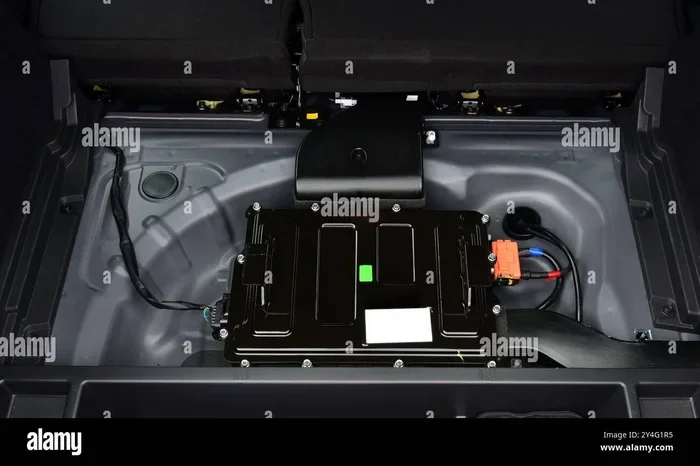
How Do You Prolong Hybrid Battery Life for Longer Drives
Prolonging your hybrid battery life is easier than most drivers think. With a few smart driving habits and simple maintenance routines, you can significantly extend the health and performance of your hybrid battery pack. This guide covers everything from charging practices to temperature management that helps your battery last longer.
Your hybrid battery is the heart of your vehicle. It works alongside the gas engine to deliver fuel efficiency and smooth power. But like any battery, it has a lifespan. The good news is that you can take steps to make it last much longer than you might expect. Many hybrid owners replace their batteries only after 150,000 miles or more. With the right habits, you can join them.
So how do you actually prolong hybrid battery life? It comes down to a mix of smart driving, proper charging, temperature awareness, and routine maintenance. You do not need to be a mechanic to follow these steps. Most of them are simple habits you can start today. Let us walk through each one in detail.
The hybrid battery life of your vehicle depends heavily on how you treat it day to day. Just like the battery in your phone, your hybrid battery degrades faster when you mistreat it. But unlike your phone, replacing a hybrid battery can cost thousands of dollars. That is why taking care of it matters so much. In this article, we will cover every practical step you can take to keep your battery healthy for the long haul.
Key Takeaways
- Keep your battery between 20% and 80% charge: Avoiding full discharges and constant full charges reduces wear on battery cells.
- Use regenerative braking wisely: Smooth driving habits help the battery recharge efficiently without stressing the cells.
- Monitor battery temperature: Extreme heat and cold both damage hybrid battery packs over time.
- Follow your manufacturer maintenance schedule: Regular check-ups catch small issues before they become big problems.
- Avoid deep discharge cycles: Keeping your state of charge in the middle range is the single best thing you can do.
- Drive consistently: Aggressive driving and frequent short trips wear out hybrid batteries faster.
📑 Table of Contents
- Understanding How Your Hybrid Battery Works
- Charge Your Battery the Right Way
- Drive Smart to Protect Your Battery
- Temperature Management for Battery Longevity
- Maintenance Habits That Make a Difference
- Common Mistakes That Shorten Battery Life
- When to Consider Battery Replacement
- Final Thoughts on Prolonging Hybrid Battery Life
Understanding How Your Hybrid Battery Works
Before you can take care of something, you need to understand how it works. Your hybrid battery pack stores electrical energy and works with the electric motor and gas engine. When you brake, the system captures energy through regenerative braking and sends it back to the battery. This is a key feature that sets hybrids apart from regular gas cars.
The battery pack is made up of many individual cells. Each cell has a limited number of charge cycles. A charge cycle happens every time you charge from empty to full. But here is the thing: you do not need to go from zero to one hundred percent for a full cycle. Partial charges count too. Understanding this helps you see why your charging habits matter so much.
Most hybrids use nickel-metal hydride or lithium-ion battery technology. Both types respond well to proper care. The electric motor assists the gas engine during acceleration and can power the car at low speeds. This dual-system design is what makes hybrids so efficient. But it also means the battery plays a bigger role in your daily driving than you might realize.
What Affects Battery Degradation
Several factors speed up battery degradation. High temperatures are the biggest enemy. When your battery gets too hot, the chemical reactions inside accelerate and cause wear. Cold weather is not great either, though it causes different problems. In freezing temperatures, the battery cannot charge or discharge as efficiently.
Another major factor is how often you let the battery drain too low. Deep discharge cycles are especially harmful. They put stress on the individual cells and reduce their overall capacity over time. Frequent short trips also wear the battery faster because the system never gets a chance to fully recharge. And finally, aggressive driving with lots of hard acceleration pulls more power from the battery than gentle driving does.
You should also know that hybrid battery replacement costs have come down in recent years. But prevention is still far cheaper than replacement. Taking care of your battery now saves you money later.
Charge Your Battery the Right Way
Charging habits have a direct impact on how long your battery lasts. The golden rule is simple: keep your battery between 20% and 80% charge. This range puts the least amount of stress on the cells. You do not need to charge every time you park. In fact, charging to 100% every day can actually shorten your battery lifespan.
For plug-in hybrids, you have more control over charging. You can plug in at home or at public charging stations. The key is to avoid leaving the car plugged in at full charge for hours. Most modern hybrids have a battery management system that helps with this. But it is still a good idea to unplug once the battery reaches your target level.
Can you charge a hybrid car at home? Absolutely. Many owners use a standard 120-volt outlet for slow charging. You can also install a 240-volt charger for faster charging. Either way, the principles are the same. Keep charges moderate and avoid letting the battery sit at extreme levels for long periods.
Charging Tips for Everyday Use
- Charge after trips, not before: Let the battery use some of its charge before plugging in.
- Set a charging limit if your car allows it: Many hybrids let you set a maximum charge level.
- Do not let the battery sit empty: A completely dead battery can cause damage to the cells.
- Use level 1 charging when possible: Slower charging is gentler on the battery than fast charging.
- Charge in moderate temperatures: Avoid charging in extreme heat or cold when you can.
If you ever wonder whether your battery is holding a proper charge, you can get a free diagnostic for your car at many auto parts stores. This gives you a baseline reading and helps you spot problems early.
Drive Smart to Protect Your Battery
The way you drive affects your hybrid battery more than you might think. Smooth, steady driving puts less strain on the battery pack. When you accelerate gently and coast to stops, the regenerative braking system works efficiently. This means the battery recharges without being pushed too hard.
At what speed do hybrids switch to gas? Most hybrids switch to the gas engine at higher speeds, usually around 40 to 50 miles per hour. The electric motor handles low-speed driving and city traffic beautifully. This is one of the reasons hybrids excel in stop-and-go driving. The battery gets frequent mini-charges through regenerative braking in city conditions.
However, you should not ignore the gas engine entirely. Can a hybrid run on gas only? Yes, most hybrids can. But running exclusively on gas for long periods means the battery does not get used or recharged. This can actually lead to imbalances in the battery cells over time. A balanced approach works best.
Driving Habits That Extend Battery Life
- Accelerate smoothly: Avoid slamming the gas pedal. Gentle acceleration uses less battery power.
- Coast to stops: Lift your foot off the accelerator early when you see a red light.
- Use eco mode when available: Eco mode limits power draw and reduces stress on the battery.
- Avoid rapid acceleration bursts: These pull heavy current from the battery and generate heat.
- Take longer drives when possible: Longer trips allow the battery to reach an optimal charge state.
Can you shift into sport mode while driving? You can, but sport mode draws more power from the battery. It also causes the gas engine to work harder. If you use sport mode frequently, it will wear your battery faster. Reserve it for when you really need the extra power.
Another important point: do not ignore your fuel efficiency. If you notice your miles per gallon dropping, it could be a sign that the battery is not working properly. A weak battery forces the gas engine to work harder, which wastes fuel. Tracking your fuel economy is one of the easiest ways to monitor battery health.
Temperature Management for Battery Longevity
Temperature is one of the most important factors in battery longevity. Heat causes chemical breakdown inside the battery cells. Over time, this leads to reduced capacity and shorter driving ranges. Cold temperatures slow down the chemical reactions and make the battery less efficient. Both extremes are harmful.
Most hybrid battery packs are liquid-cooled or air-cooled to manage temperature. But the cooling system can only do so much. If you live in a very hot climate, your battery will naturally degrade faster. Parking in the shade or a garage makes a real difference.
Hot Weather Battery Tips
- Park in shaded areas whenever possible: Direct sunlight heats the battery pack quickly.
- Use a windshield sunshade: This keeps the interior cooler and reduces heat transfer to the battery.
- Let the car cool down before charging: Charging a hot battery adds stress to the cells.
- Watch for overheating warnings: If your dashboard shows a battery temperature warning, pull over safely.
Cold Weather Battery Tips
- Pre-condition the cabin while plugged in: This uses grid power instead of draining the battery.
- Drive gently until the battery warms up: The battery works best once it reaches its optimal temperature range.
- Keep the car in a garage during freezing nights: Even a garage without heat offers some protection.
- Do not expect full electric range in winter: Reduced range in cold weather is normal and not necessarily a problem.
If your battery ever gets too hot or too cold, the car’s computer will limit performance to protect it. This is normal. But repeated extreme temperature exposure will shorten your battery’s overall lifespan over months and years.
Maintenance Habits That Make a Difference
Regular maintenance keeps your hybrid battery and entire vehicle running smoothly. You do not need special tools or training for most of these tasks. A consistent maintenance schedule is the foundation of long battery life.
Start with the basics. Keep your tires properly inflated. Under-inflated tires make the car work harder, which draws more power from the battery. Check your coolant levels regularly. The cooling system protects both the engine and the battery pack. Clean or replace your air filters as recommended. A clogged air filter reduces engine efficiency, which affects how the hybrid system operates.
You should also get regular oil changes. Clean oil helps the gas engine run efficiently, which reduces the workload on the battery. And do not skip your scheduled hybrid system check-ups. Many dealerships and independent shops can run diagnostics on the battery pack. These checks can reveal weak cells or imbalance issues before they become serious problems.
Quick Maintenance Checklist
- Check tire pressure monthly
- Replace engine oil and filter on schedule
- Inspect coolant levels every few months
- Clean air filters regularly
- Run a battery diagnostic at least once a year
- Inspect the battery pack for visible damage or leaks
- Keep the battery terminals clean and corrosion-free
Can you get a free diagnostic for your car? Many auto parts stores offer this service at no cost. It is a great way to check on your battery health without spending money. You can also ask your mechanic to check the state of charge during every visit.
One more thing worth mentioning: you can leave your car at the airport or at Enterprise for short trips without worrying about the battery. Modern hybrids are designed to sit idle without significant battery drain. Still, if you plan to leave your car for weeks, try to keep it charged to around 50% and park in a temperature-controlled area if possible.
Common Mistakes That Shorten Battery Life
Knowing what to avoid is just as important as knowing what to do. Many hybrid owners accidentally shorten their battery life without realizing it. Here are the most common mistakes and how to avoid them.
Mistake 1: Always Charging to 100%
It is tempting to charge your battery all the way every time. But keeping the battery at full charge for long periods stresses the cells. If your car lets you set a charge limit, set it to 80% or even 70%. You will still have plenty of range for daily driving, and your battery will thank you.
Mistake 2: Letting the Battery Drain to Zero
Running the battery completely dead is one of the worst things you can do. It causes deep discharge, which damages the internal chemistry of the cells. If you notice your battery is low, plug in or drive for a while to bring it back up. A hybrid can run without gas for short distances, but you should not rely on the battery alone until it is nearly empty.
Mistake 3: Ignoring Warning Signs
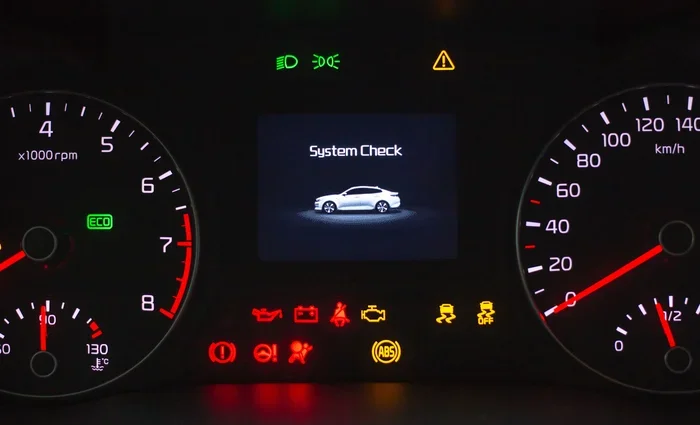
Your car gives you plenty of warnings when something is wrong. A flashing battery light, reduced electric-only range, or unusual noises under the hood all deserve attention. Ignoring these signs can turn a small battery issue into a major repair. Address problems early and they are usually less expensive to fix.
Mistake 4: Skipping Maintenance
Some owners think hybrids need no maintenance because they use less fuel. That is not true. The battery system still needs attention. Skipping coolant checks, tire rotations, and system diagnostics can lead to problems that shorten battery life.
Mistake 5: Using the Wrong Fuel
Can you put premium gas in any car? Not always. Check your owner manual for the recommended fuel type. Using the wrong fuel can cause engine problems that indirectly affect the hybrid system. A poorly running gas engine means the battery has to pick up the slack, which wears it out faster.
When to Consider Battery Replacement
Even with the best care, every battery will eventually need replacement. The question is when. Most hybrid batteries last between 100,000 and 200,000 miles with proper maintenance. But some batteries fail earlier, especially if the owner neglected basic care.
Signs that your battery may need replacement include a significant drop in fuel economy, reduced electric-only driving range, frequent battery warning lights, or difficulty holding a charge. If you notice any of these symptoms, get a professional diagnostic right away.
Replacing a hybrid battery is expensive, but costs have come down significantly. Many manufacturers offer battery warranties that cover replacement for 8 to 10 years or up to 100,000 miles. Check your warranty before assuming you will pay out of pocket. And if your car has a salvage title or lien, make sure you understand your warranty coverage and ownership status before pursuing any major repairs.
Some owners choose to refurbish or recondition their battery packs instead of replacing them entirely. This can be a more affordable option. However, it is important to work with a reputable shop that has experience with hybrid battery systems.
Final Thoughts on Prolonging Hybrid Battery Life
Taking care of your hybrid battery does not require a lot of time or money. It is mostly about building good habits and paying attention to what your car tells you. Keep your charge levels in the right range, drive smoothly, manage temperature, and stick to a maintenance schedule. These simple steps go a long way toward extending your battery life.
The relationship between you and your hybrid battery is a two-way street. Treat it well, and it will treat you well. You will enjoy better fuel economy, smoother driving, and fewer expensive repairs. Your battery is designed to last for many years and tens of thousands of miles. Give it the care it deserves, and it will reward you with reliable performance mile after mile.
Start with one or two changes today. Maybe it is charging to 80% instead of 100%. Maybe it is parking in the shade during summer. Small changes add up over time. The goal is not perfection. The goal is consistent, mindful care that keeps your hybrid battery healthy for the long run.
And remember, if you ever need to sell your car or deal with title issues, make sure you understand the process. You can sell a car with a lien, and you can sell a car without a title in certain situations. But none of that matters if your battery is not in good shape. Take care of the battery first, and everything else falls into place.
Frequently Asked Questions
How long does a hybrid battery typically last?
Most hybrid batteries last between 100,000 and 200,000 miles with proper care. Some last even longer depending on driving habits and maintenance. Regular check-ups and good charging practices make a big difference in overall battery longevity.
Can a hybrid run without gas?
Yes, a hybrid can run on electric power alone for short distances. However, you should not let the battery drain completely. Running out of both gas and battery power can leave you stranded and may damage the battery cells.
Does driving in hot weather damage hybrid batteries?
Excessive heat accelerates battery degradation over time. Parking in the shade, avoiding charging in extreme heat, and keeping the cooling system maintained all help protect your battery from heat-related damage.
How can I check my hybrid battery health at home?
You can monitor fuel economy, electric-only range, and any warning lights on your dashboard. For a more detailed check, many auto parts stores offer free diagnostics. You can also ask your mechanic to read the battery state of charge during routine service visits.
Is it okay to charge a hybrid every day?
For plug-in hybrids, daily charging is fine as long as you do not always charge to 100%. Setting a charge limit around 80% and avoiding deep discharge cycles will keep your battery healthy even with daily charging.
Can you jump start a hybrid car?
Yes, you can jump start a hybrid car, but you must follow the correct procedure. The process is different from jump starting a regular gas car because of the high-voltage battery system. Always consult your owner manual or check specific guidance on jump starting your hybrid model.
=== CONCLUSION ===
Prolonging your hybrid battery life comes down to consistent, mindful habits. Charge between 20% and 80%, drive smoothly, manage temperature, and stick to a maintenance schedule. These steps are simple but powerful. They protect your investment and keep your hybrid running strong for years to come. Start implementing these tips today and your battery will reward you with reliable, efficient performance mile after mile.