How Big Is a Toyota Gas Tank and What You Should Know
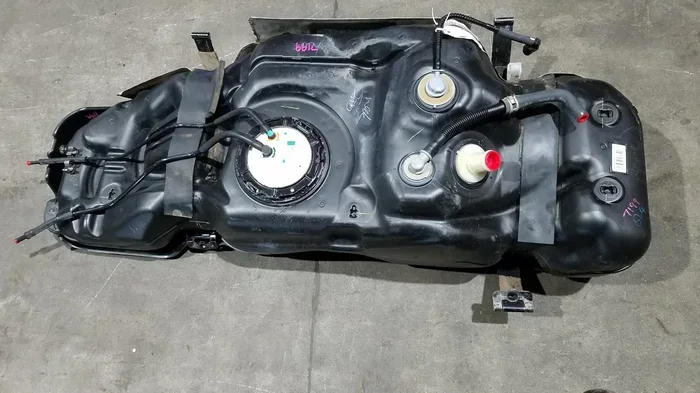
A Toyota gas tank typically holds between 13 and 18 gallons, depending on the model and year. This means most Toyotas can travel 400 to 600 miles on a full tank. Knowing your fuel tank capacity helps you plan road trips, estimate costs, and avoid running low on gas.
If you have ever wondered how big is a Toyota gas tank, you are not alone. It is one of those details that quietly shapes your daily driving experience. The size of your fuel tank determines how far you can go between fill-ups. It affects your road trip planning. It even influences how often you visit the gas station.
Toyota builds vehicles for all kinds of drivers. Some need a compact car for city commuting. Others need a truck for heavy towing. Each model comes with a different fuel tank capacity designed to match its purpose. In this article, we break down the gas tank sizes across popular Toyota models. We also share practical tips to help you get the most out of every gallon.
Whether you drive a Toyota Corolla or a Toyota Tundra, understanding your tank size matters. It helps you estimate fuel costs. It keeps you from getting stranded. And it gives you peace of mind on long drives. Let us dive into everything you need to know about Toyota gas tank sizes.
Key Takeaways
- Toyota gas tanks range from 13 to 18 gallons, with most models falling in the 14–16 gallon range.
- Fuel tank size directly affects your driving range and how often you need to stop for gas.
- Hybrid Toyotas often have smaller gas tanks because the electric motor assists with propulsion.
- Your driving habits impact fuel efficiency more than tank size alone.
- Always use the recommended fuel type to protect your engine and maintain optimal performance.
- Knowing when to refuel can prevent damage to the fuel pump and save you money.
📑 Table of Contents
Understanding Toyota Gas Tank Sizes
Every Toyota model has a specific fuel tank capacity. This is measured in gallons. The size depends on the vehicle type, engine, and design goals. A smaller car needs less fuel. A larger truck needs more. Here is a closer look at what drives these differences.
What Determines Gas Tank Size?
Several factors play a role in deciding how big a Toyota gas tank should be:
- Vehicle class – Compact cars have smaller tanks than SUVs and trucks.
- Engine type – Larger engines consume more fuel, so they need bigger tanks.
- Hybrid technology – Hybrid vehicles often use smaller gas tanks since the electric motor shares the workload.
- Design goals – Toyota balances tank size with vehicle weight, cargo space, and overall efficiency.
- Target market – City drivers need less range than highway drivers or those in rural areas.
Most standard Toyota sedans and compact SUVs carry between 13 and 16 gallons. Full-size trucks and larger SUVs can hold up to 18 gallons or more. This range covers the vast majority of Toyota vehicles on the road today.
Why Gas Tank Size Matters
The size of your gas tank directly impacts your driving range. Driving range means how many miles you can travel on a full tank. A bigger tank means fewer stops. But it also means more weight. More weight can reduce your fuel efficiency slightly. Toyota engineers carefully balance these trade-offs for each model.
For example, a Toyota Camry with a 15.8-gallon tank can travel roughly 550 to 600 miles on the highway. A Toyota Yaris with a 12-gallon tank may only go about 400 miles. The difference comes from both tank size and fuel economy ratings.
Gas Tank Capacity by Toyota Model
Not all Toyotas are created equal when it comes to fuel capacity. Here is a breakdown of common Toyota models and their approximate tank sizes. Keep in mind that exact numbers can vary by year and trim level.
Compact and Midsize Sedans
- Toyota Corolla – 13.2 gallons
- Toyota Camry – 15.8 gallons
- Toyota Avalon – 18.1 gallons
These sedans are designed for daily commuting and highway cruising. Their tank sizes strike a good balance between range and vehicle weight. The Corolla is a great choice for city drivers who do not need a lot of range. The Camry and Avalon offer more space for longer trips.
SUVs and Crossovers
- Toyota RAV4 – 14.5 gallons
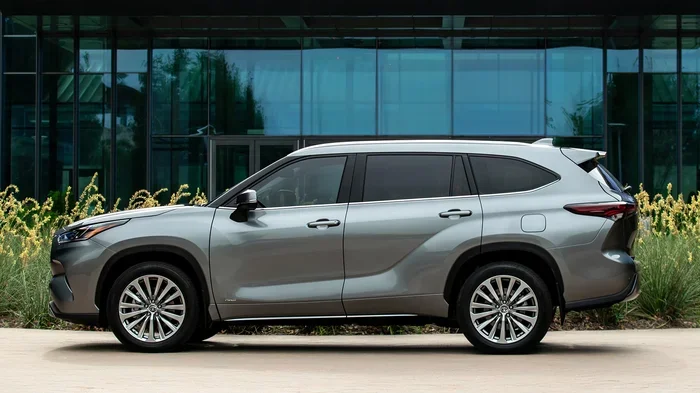
- Toyota Highlander – 18.3 gallons
- Toyota 4Runner – 18.5 gallons
- Toyota Grand Highlander – 19.2 gallons
SUVs generally have larger tanks because they are heavier and often used for family trips. The RAV4 is a popular compact SUV with a respectable tank size. The Highlander and 4Runner offer even more range for those who need it. The Grand Highlander, as Toyota’s largest three-row SUV, carries one of the biggest gas tanks in the lineup.
Trucks
- Toyota Tacoma – 16 to 21.1 gallons (depending on cab and bed configuration)
- Toyota Tundra – 26.4 gallons
Toyota trucks are built for work and adventure. The Tacoma is a mid-size pickup with a tank that supports both daily driving and off-road trips. The Tundra, Toyota’s full-size truck, has a massive 26.4-gallon tank. This gives it one of the longest ranges of any Toyota vehicle.
How Far Can You Go on a Full Tank?
This is one of the most common questions drivers ask. The answer depends on two things: your tank size and your fuel economy. Let us look at some real-world examples.
Calculating Your Driving Range
To estimate your driving range, use this simple formula:
Tank Size (gallons) x MPG = Driving Range (miles)
For example, a Toyota Corolla with 13.2 gallons and a fuel economy rating of 32 MPG can travel about 422 miles. A Toyota Tundra with 26.4 gallons and 20 MPG can go about 528 miles. These are estimates. Your actual range will vary based on driving conditions.
Factors That Affect Your Range
Several things can change how far you actually go on a full tank:
- Driving style – Aggressive acceleration uses more fuel.
- Highway vs city driving – Highway driving is generally more efficient.
- Towing or hauling – Extra weight reduces your range significantly.
- Terrain – Hilly or mountainous areas use more gas.
- Weather – Cold weather can lower fuel efficiency by 10 to 20 percent.
- Tire pressure – Underinflated tires increase fuel consumption.
Understanding these factors helps you plan better. You can estimate stops more accurately. You can also avoid the stress of watching your fuel gauge drop too quickly.
Tips to Maximize Your Toyota Fuel Efficiency
You cannot change your tank size, but you can control how efficiently you use the fuel inside it. Here are proven tips to help you go farther on every tank.
Drive Smoothly and Steadily
Hard braking and rapid acceleration waste fuel. Try to maintain a steady speed whenever possible. Use cruise control on the highway. Gentle driving can improve your miles per gallon by up to 30 percent on some trips.
Keep Your Tires Properly Inflated
Underinflated tires create more rolling resistance. This means your engine works harder. Check your tire pressure at least once a month. The recommended pressure is listed on the driver side door jamb. This simple habit can boost your fuel economy noticeably.
Reduce Unnecessary Weight
Extra weight in your vehicle means extra fuel consumption. Remove roof racks when not in use. Clear out heavy items from your trunk. Every pound counts over long distances.
Use the Right Fuel Type
Always check your owner manual for the recommended fuel type. Most Toyotas run fine on regular unleaded gasoline. Using premium gas when your vehicle does not require it will not improve performance. It will only cost you more money at the pump.
Keep Up with Maintenance
Regular oil changes, air filter replacements, and spark plug checks keep your engine running efficiently. A poorly maintained engine burns more fuel. Follow Toyota’s recommended maintenance schedule. This protects both your engine and your wallet.
Hybrid vs Gas-Only Tank Considerations
Toyota has been a leader in hybrid technology for years. Hybrid vehicles like the Toyota Prius and Toyota RAV4 Hybrid use both a gas engine and an electric motor. This changes how you think about fuel tank size.
Smaller Tanks, Big Advantages
Hybrid Toyotas typically have smaller gas tanks than their gas-only counterparts. The electric motor fills in the gaps. This means a RAV4 Hybrid might have a 14.3-gallon tank while a gas-only RAV4 has 14.5 gallons. The difference is small, but the hybrid system makes the fuel go further.
Many drivers wonder if a hybrid can run without gas. The answer is no. Hybrid vehicles still need gasoline to operate. The electric motor assists but cannot power the car alone for extended periods. You should always keep your hybrid at least partially fueled.
When Do Hybrids Switch to Gas?
Toyota hybrids use the electric motor at low speeds and during light acceleration. They switch to the gas engine when more power is needed. This happens during highway cruising, hard acceleration, or when the battery is low. The system automatically manages this switch for you. You do not need to do anything special.
Some drivers also ask whether running the AC in a hybrid uses gas. The answer is yes. The air conditioning system runs on engine power, which means it draws from the gas tank. However, hybrids are generally very efficient with their AC usage compared to traditional vehicles.
Charging and Refueling
Unlike plug-in hybrids, standard Toyota hybrids do not need to be plugged in. They recharge the battery through regenerative braking and the gas engine. You simply refuel at the gas pump like any other vehicle. This makes hybrids incredibly convenient for daily use and long trips alike.
Common Mistakes That Waste Gas
Even with a full tank, poor habits can drain your fuel faster than you think. Here are some common mistakes to avoid:
- Ignoring the low fuel warning – Running on empty can damage the fuel pump. It also leaves you vulnerable to getting stranded.
- Overfilling the tank – Topping off can cause fuel to overflow or enter the emissions system. This can trigger warning lights and costly repairs.
- Using the wrong octane – Always follow Toyota recommendations. Higher octane does not help engines that do not require it.
- Leaving windows open at high speeds – This creates drag. Drag forces the engine to work harder and burn more fuel.
- Skipping oil changes – Dirty oil increases engine friction. More friction means more fuel consumption.
Avoiding these simple mistakes can save you money and extend the life of your vehicle. Small changes in your routine can lead to big improvements in fuel efficiency over time.
Final Thoughts on Toyota Gas Tank Size
So, how big is a Toyota gas tank? The answer depends on the model, but most range from 13 to 26 gallons. Understanding your specific tank size helps you plan trips, estimate fuel costs, and avoid running low. Whether you drive a compact Corolla or a powerful Tundra, knowing your fuel capacity gives you confidence behind the wheel.
Take a moment to check your owner manual or the driver side door jamb for your exact tank size. Pair that knowledge with good driving habits, and you will get the most out of every gallon. Fuel efficiency is not just about the tank. It is about how you use what you have.
If you are considering a Toyota, pay attention to tank size alongside other features. Range matters. Efficiency matters. And the right combination of both can make your ownership experience much more enjoyable. Choose the Toyota that fits your lifestyle, and you will always have the fuel you need to go the distance.
For more information about how your Toyota uses fuel, check out our guide on does AC burn gas in a hybrid car. You can also learn about whether a hybrid burns gas when idling to better understand fuel usage in stop-and-go traffic. If you are curious about whether a hybrid can run without gas, we have covered that too.
Frequently Asked Questions
What is the average Toyota gas tank size?
The average Toyota gas tank holds between 14 and 18 gallons. Smaller models like the Corolla have tanks around 13 gallons, while larger trucks like the Tundra can hold over 26 gallons. Your exact tank size depends on the model and year of your vehicle.
How many miles can a Toyota go on a full tank?
Most Toyotas can travel between 400 and 600 miles on a full tank. This range depends on your tank size, fuel economy, and driving conditions. Highway driving typically gives you more miles than city driving. You can calculate your range by multiplying your tank size in gallons by your MPG rating.
Can I use premium gas in my Toyota?
Most Toyotas run perfectly well on regular unleaded gasoline. Using premium gas will not improve performance unless your vehicle specifically requires it. Check your owner manual or the fuel door sticker for the recommended fuel type. Using premium gas when it is not needed simply wastes money.
Why does my Toyota’s fuel gauge drop quickly?
Several factors can cause rapid fuel consumption. Aggressive driving, underinflated tires, and extra weight all reduce fuel efficiency. Cold weather and stop-and-go traffic also use more gas. If your fuel gauge drops unusually fast, check for leaks or have a mechanic inspect your vehicle.
How often should I refuel my Toyota?
This depends on your driving habits and tank size. Most drivers with a 15-gallon tank and average fuel economy will need to refuel every 400 to 500 miles. Try not to let your tank drop below a quarter full. Keeping your tank at least partially full protects the fuel pump and prevents you from getting stranded.
Do Toyota hybrids have smaller gas tanks?
Yes, most Toyota hybrids have smaller gas tanks than their gas-only versions. This is because the electric motor assists the gas engine, reducing overall fuel consumption. A hybrid RAV4, for example, has a 14.3-gallon tank but can travel farther on it than the gas-only RAV4 with a 14.5-gallon tank. The hybrid system makes the fuel go further.
=== CONCLUSION ===
Understanding how big a Toyota gas tank is gives you valuable insight into your vehicle’s capabilities. From compact sedans to full-size trucks, every Toyota model is designed with a specific fuel capacity in mind. This capacity shapes your driving range, your refueling habits, and your overall ownership experience.
By knowing your tank size, driving efficiently, and avoiding common fuel-wasting mistakes, you can make every gallon count. Whether you are commuting to work or heading out on a cross-country road trip, your Toyota’s fuel tank is ready to take you there. Stay informed, drive smart, and enjoy the ride.