How Accurate Are Tesla Delivery Dates Really Though
Tesla delivery dates are estimates, not guarantees. While Tesla aims to deliver vehicles on schedule, many buyers experience delays ranging from a few weeks to several months. Understanding how Tesla calculates delivery windows and what factors affect timelines can help you set realistic expectations and plan accordingly.
Key Takeaways
- Tesla delivery dates are estimates: They are based on production schedules, not firm commitments.
- Delays are common: Supply chain issues, factory output, and logistics all play a role.
- Accuracy varies by model: Some models have more reliable delivery windows than others.
- You can take steps: Choosing off-peak times and staying flexible can help speed up delivery.
- Communication matters: Tesla provides updates through the app, but they are not always timely.
- Reliable vehicles matter more than timing: Whether it is a Tesla or cars from Japan reliability, what matters is that your vehicle is safe and well-built.
📑 Table of Contents
- What Are Tesla Delivery Dates?
- How Tesla Calculates Your Delivery Estimate
- How Accurate Are Tesla Delivery Dates in Practice?
- Factors That Can Delay Your Tesla Delivery
- Tesla Delivery Accuracy by Model
- Tips to Get Your Tesla Faster
- How Tesla Compares to Other Automakers on Delivery Accuracy
- What to Do If Your Tesla Delivery Is Delayed
- Final Thoughts
What Are Tesla Delivery Dates?
When you place an order for a Tesla, the company gives you a delivery estimate. This is the date range they promise you will receive your vehicle. But here is the thing. That date is not set in stone.
Tesla uses a complex system to calculate when your car will arrive. They look at factory production schedules, logistics, shipping routes, and regional demand. All of this feeds into the Tesla delivery timeline you see on your order page.
The problem is that this timeline can shift. A lot. Some buyers get their cars right on time. Others wait weeks or even months beyond the promised window. So how accurate are Tesla delivery dates really? Let us break it down.
How Tesla Shows Delivery Estimates
When you configure your Tesla online, you see a delivery window. This window is usually a range of a few weeks. For example, you might see “Estimated delivery: March 10 – March 24.” This gives you some flexibility, but it also means Tesla is not committing to a specific day.
The estimate is based on several internal factors:
- Current factory production rates
- Available inventory at delivery centers
- Shipping and logistics timelines
- Regional demand and ordering volume
- Customization and configuration complexity
Tesla updates these estimates regularly. Sometimes they move the date earlier. Often, they push it later. This constant shifting is what frustrates many buyers.
How Tesla Calculates Your Delivery Estimate
Understanding how Tesla builds its delivery estimates helps you set realistic expectations. The company uses a combination of real-time production data and historical patterns to generate your Tesla order estimate.
The Role of Factory Production
Tesla factories in Fremont, Austin, Berlin, and Shanghai all feed into the delivery timeline. If a factory is running at full capacity, deliveries tend to move faster. But when there is a production slowdown, your Tesla delivery schedule gets pushed back.
Factory output depends on many things:
- Availability of raw materials
- Worker staffing levels
- Equipment maintenance and downtime
- Regulatory approvals and inspections
- Battery supply chain stability
Each of these factors can cause delays. And when one factory has issues, it can ripple through the entire delivery system.
Logistics and Shipping
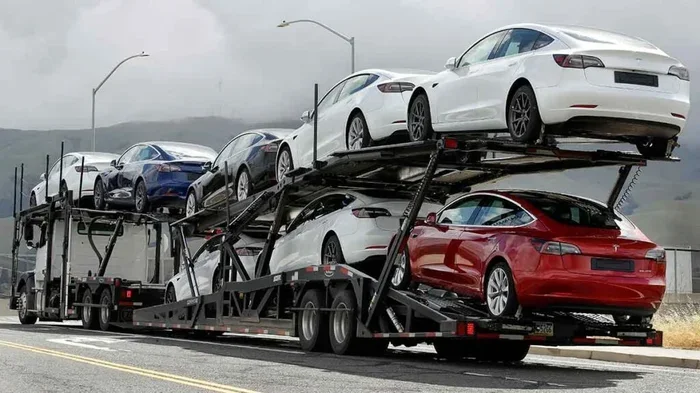
Once your Tesla is built, it needs to get to you. This involves trucking, sometimes rail, and occasionally overseas shipping. Each step in the Tesla logistics chain adds time and risk.
Weather, port congestion, and driver availability all affect shipping timelines. A snowstorm in the Midwest or a port strike on the West Coast can delay your delivery by days or weeks. Tesla builds some buffer time into estimates, but not always enough.
Interestingly, the complexity of vehicle wiring and electrical systems also matters. In fact, even something as small as push in wire connectors used in vehicle assembly can affect production efficiency. If connectors need rework or replacement, it slows down the build line and pushes delivery dates further out.
How Accurate Are Tesla Delivery Dates in Practice?
This is the million-dollar question. And the honest answer is: it depends. Let us look at the real-world picture of Tesla delivery accuracy.
On-Time Delivery Rates
Tesla does not publish official on-time delivery statistics. However, community surveys and owner forums suggest that a significant portion of buyers receive their vehicles later than promised. Some estimates put the on-time rate below 50% for certain models and time periods.
Here is what owners commonly report:
- Within the promised window: About 40-50% of buyers
- 1-2 weeks late: About 25-30% of buyers
- 1 month or more late: About 20-25% of buyers
- 2+ months late: About 5-10% of buyers
These numbers vary widely based on the model, location, and time of year. During peak ordering periods, delays tend to be worse.
Why the Numbers Vary
Several factors cause delivery accuracy to swing so much:
- Model popularity: Popular models like the Model Y often have longer wait times.
- Geographic location: Deliveries to remote areas take longer than urban centers.
- Time of year: Year-end production pushes and holiday shipping disruptions affect timelines.
- Customization: Unique configurations take longer to build and allocate.
- Factory changes: Retooling or upgrading production lines causes temporary slowdowns.
All of these variables make it hard for Tesla to give precise dates. The estimates are best guesses, not firm promises.
Factors That Can Delay Your Tesla Delivery
Many things can push your Tesla delivery window further out. Knowing these factors helps you understand why delays happen and what you might be able to do about them.
Supply Chain Issues
Tesla relies on a global network of suppliers. When any part of this network faces disruption, production slows down. Chip shortages, battery material delays, and component quality issues have all caused production halts in recent years.
Even when Tesla has the materials, the Tesla build schedule depends on assembly line efficiency. If one station falls behind, the entire line slows. This is especially true for complex vehicles with many custom options.
Regulatory and Inspection Delays
Before a Tesla can be delivered, it must pass safety and regulatory inspections. These inspections vary by region and can add unexpected time to the process. In some markets, vehicles need additional certifications that take weeks to complete.
Safety is always the priority here, and most buyers understand that. But it does mean your Tesla shipping dates can be affected by factors completely outside Tesla’s control.
Weather and Natural Disasters
Extreme weather events can disrupt both production and delivery. Floods, hurricanes, and wildfires have all impacted Tesla operations in the past. When a factory or shipping route is affected, delivery dates shift accordingly.
While Tesla builds some weather buffer into estimates, major events can cause significant delays that are hard to predict.
Customization Complexity
The more customized your Tesla, the longer it takes to build and deliver. Standard configurations move through production faster than vehicles with unique paint colors, interior options, or performance packages.
If you want the fastest delivery, consider choosing a vehicle from existing inventory or selecting a more common configuration. This is one of the most effective ways to reduce your Tesla wait time.
Tesla Delivery Accuracy by Model
Not all Tesla models have the same delivery accuracy. Some models are more reliable to deliver on time than others. Here is a closer look.
Model 3
The Model 3 was Tesla’s first mass-market vehicle. It has been in production the longest, which means Tesla has refined the delivery process for this model. Model 3 delivery dates tend to be more accurate than newer models.
However, during high-demand periods, even the Model 3 can see significant delays. The key is to order during off-peak periods when possible.
Model Y
The Model Y is currently Tesla’s best-selling vehicle. High demand means longer wait times and less accurate delivery estimates. Many Model Y buyers report delays of 4-8 weeks beyond the promised window.
The Model Y benefits from shared production lines with the Model 3, but its popularity creates bottlenecks in the delivery pipeline.
Model S and Model X
The Model S and Model X are Tesla’s premium vehicles. They have lower production volumes, which can mean more variability in delivery timelines. Some buyers get their vehicles quickly, while others face extended waits.
These models also have more customization options, which adds complexity to the production and delivery process.
Cybertruck and Future Models
Newer models like the Cybertruck face their own unique delivery challenges. Production ramp-up for new vehicles is always slower than expected. Cybertruck delivery dates have shifted multiple times since initial reservations were taken.
As Tesla introduces new models, expect delivery estimates to be less accurate until production stabilizes. This is normal for any automaker launching a new vehicle.
Tips to Get Your Tesla Faster
While you cannot fully control your Tesla delivery date, there are steps you can take to improve your chances of getting your vehicle sooner.
Order During Off-Peak Times
Tesla delivery timelines tend to be shorter during slower ordering periods. Avoid placing orders right after a new model launch or during holiday seasons. Mid-week orders during non-holiday periods often move through faster.
Choose Common Configurations
Standard paint colors, interior options, and wheel configurations build faster than unique or rare combinations. If speed matters, stick with the most popular options.
Check for Existing Inventory
Sometimes Tesla has completed vehicles sitting at delivery centers waiting for buyers. These vehicles can be delivered much faster than custom-built orders. Check your local Tesla inventory online or ask your delivery coordinator.
Stay Flexible on Delivery Location
Being flexible about where you take delivery can shorten your wait. Some delivery centers have faster turnover than others. If you have multiple options, choose the center with the shortest current timeline.
Keep Your Contact Info Updated
Tesla communicates delivery updates through the app and email. Make sure your contact information is current so you do not miss important notifications about schedule changes or delivery appointments.
Consider the Used Market
If you need a Tesla quickly, the used market is worth exploring. Many Tesla owners sell their vehicles after just a few months of ownership. You can often find a Tesla with delivery already completed, saving you weeks or months of waiting.
And when it comes to vehicle safety and reliability, always do your research. Just as you would check Hiace van safety ratings before buying a commercial vehicle, make sure your Tesla meets all safety standards and has a clean history.
How Tesla Compares to Other Automakers on Delivery Accuracy
Tesla is not the only automaker that deals with delivery delays. Traditional manufacturers also face production and logistics challenges. However, Tesla’s direct-to-consumer model creates some unique dynamics.
When you buy from a traditional dealership, the delivery process involves more middlemen. This can add time but also provides more human interaction and support. With Tesla, the process is more streamlined but also more opaque. You rely heavily on the app and online communication.
In terms of delivery accuracy, Tesla generally falls in the middle of the pack. Some luxury brands with low production volumes have worse accuracy. High-volume manufacturers with established supply chains often have better predictability.
Tesla’s main advantage is speed of production. Once a vehicle is built and shipped, the delivery process itself is usually fast. The bottleneck tends to be the wait between ordering and production start.
What to Do If Your Tesla Delivery Is Delayed
Delays happen. If your Tesla promised delivery date passes and you still do not have your vehicle, here is what you can do.
- Check the Tesla app regularly: Delivery status updates are posted there first.
- Contact Tesla support: They can give you the most current estimated timeline.
- Join owner forums: Other Tesla owners in your region can share real-time delivery information.
- Stay patient but persistent: Follow up regularly if the delay extends beyond a few weeks.
- Know your rights: Depending on your location and purchase terms, you may have options if delays become excessive.
Most importantly, remember that delays are common and rarely permanent. Tesla has a strong track record of eventually delivering vehicles, even if the timeline shifts.
Final Thoughts
So how accurate are Tesla delivery dates? The honest answer is that they are decent estimates but not reliable commitments. Tesla works hard to deliver vehicles on time, but the complex nature of modern automotive production and logistics means delays are part of the process.
If you are considering a Tesla, go in with flexible expectations. Choose a common configuration, order during off-peak times, and stay engaged with the delivery process. These steps will give you the best chance of a smooth and timely delivery experience.
At the end of the day, the wait is worth it for most Tesla owners. The vehicles are well-built, efficient, and exciting to drive. Whether you are waiting for a Tesla or any other vehicle, reliability matters. That is why it is always smart to research vehicle quality, whether you are looking at cars from Japan reliability or the latest electric vehicles from any manufacturer.
Stay informed, stay patient, and your Tesla will arrive. When it does, the wait will feel worth it.
Frequently Asked Questions
Why are Tesla delivery dates often inaccurate?
Tesla delivery dates are estimates based on production schedules, logistics, and regional demand. Many factors beyond Tesla’s control, such as supply chain disruptions, weather, and regulatory inspections, can cause delays. The estimates are best guesses rather than firm commitments.
How can I check my Tesla delivery status?
You can check your delivery status through the Tesla app or your online Tesla account. The app provides real-time updates on your vehicle’s production and shipping progress. Delivery coordinators may also reach out via email or phone with updates.
What should I do if my Tesla delivery is delayed?
First, check the Tesla app for updated estimates. Contact Tesla support for the most current timeline. Join owner forums to connect with others in your region who may have similar experiences. Most delays are temporary and resolve within a few weeks.
Are Tesla delivery dates more accurate for certain models?
Generally, models with longer production histories like the Model 3 tend to have more accurate delivery estimates. Newer models or high-demand vehicles like the Model Y may have less predictable timelines due to production ramp-up and high order volumes.
Can I speed up my Tesla delivery?
You can improve your chances by ordering during off-peak times, choosing common configurations, checking for existing inventory, and being flexible on delivery location. These steps can reduce your wait time significantly.
Does Tesla compensate customers for delivery delays?
Tesla does not have a standard compensation policy for delivery delays. However, the company occasionally offers credits or incentives to affected buyers. Your best approach is to stay in communication with Tesla support and stay informed about your delivery timeline.
=== CONCLUSION ===
Tesla delivery dates are useful planning tools, but they are not guarantees. The accuracy of these estimates depends on a wide range of factors, from factory production to shipping logistics. By understanding how Tesla builds its timelines and taking proactive steps, you can set realistic expectations and reduce frustration.
Stay flexible, stay informed, and remember that the end result is a great vehicle waiting for you. Whether you are waiting for a Tesla or researching vehicle reliability, the key is patience and preparation. Your Tesla will arrive, and when it does, the journey will be worth it.