Does Toyota Have a Low Oil Light Warning Indicator
Yes, Toyota vehicles have a low oil light warning indicator that alerts drivers when oil pressure or level drops below safe levels. This Toyota dashboard symbol is a critical engine oil warning designed to protect your engine from serious damage. Understanding what this light means and how to respond can save you from costly Toyota repair bills and keep your car running smoothly.
Every Toyota owner should know one thing for sure: your car talks to you. And when it comes to engine health, the Toyota low oil light is one of the most important voices it has. This small symbol on your dashboard can mean the difference between a simple oil top-off and a catastrophic engine failure. Yet many drivers ignore it, dismiss it, or simply do not know what it looks like.
In this guide, we are going to break down everything you need to know about the Toyota low oil warning indicator. We will cover what it looks like, why it comes on, what you should do, and how to prevent it from happening in the first place. Whether you drive a brand new 2024 Camry or a trusty 2010 RAV4, this information applies to you.
The oil pressure warning light is not just another dashboard icon. It is your engine’s cry for help. Taking it seriously is the single best thing you can do for the longevity of your Toyota. So let us dive in and make sure you are fully prepared.
Key Takeaways
- Toyota does have a low oil light: Every Toyota model includes an oil pressure or oil level warning indicator on the dashboard.
- The light looks different depending on the model: Some Toyotas show a red oil can symbol, while others display a text-based warning on the multi-information display.
- Immediate action is essential: Driving with the low oil light on can cause severe engine damage within minutes.
- Common causes include low oil levels, faulty sensors, and oil leaks: Regular Toyota maintenance helps prevent most of these issues.
- Prevention is simple: Check your oil regularly, follow the car maintenance schedule, and address warnings promptly.
- Different Toyota models may display the warning differently: Newer models use advanced digital displays while older models use traditional gauge lights.
📑 Table of Contents
- Does Toyota Have a Low Oil Light Warning Indicator?
- How the Oil Warning System Works in Toyota Vehicles
- Common Reasons the Low Oil Light Comes On
- What to Do When Your Toyota Shows a Low Oil Warning
- Preventing Low Oil Alerts in Your Toyota
- Toyota Models and Their Oil Warning Systems
- Expert Insights on Toyota Oil Warnings
- Key Takeaways
Does Toyota Have a Low Oil Light Warning Indicator?
The short answer is yes. Every Toyota vehicle comes equipped with a low oil warning system. This system monitors your engine oil pressure and, in some models, your oil level as well. When something goes wrong, the Toyota dashboard warning lights activate to let you know.
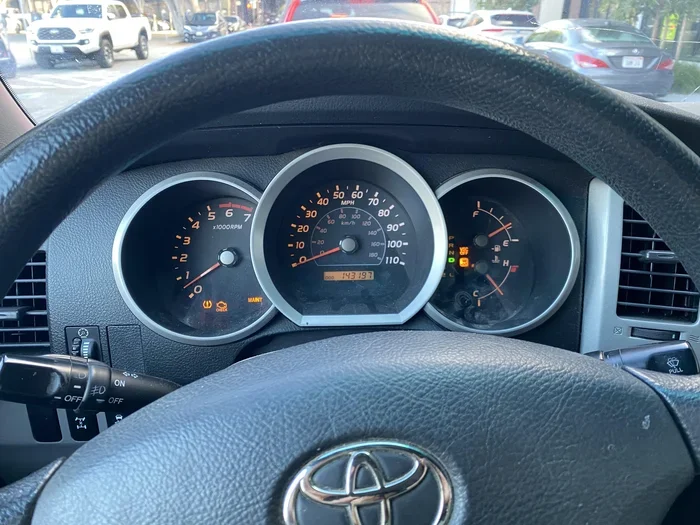
Toyota has used different designs for this warning over the years. Older models typically use a red oil can symbol. Newer models may show a text-based alert on the multi-information display. Some Toyotas also include an oil pressure gauge that gives you a real-time reading of your engine’s oil health.
What Does the Toyota Low Oil Light Look Like?
The classic Toyota oil warning symbol looks like an old-fashioned oil can with a drip coming from the spout. It is usually red or amber in color. When this symbol lights up on your dashboard, it means your engine is not getting the oil flow it needs.
In newer Toyota models with digital displays, you might see a text message instead. It could read something like “Check Engine Oil” or “Low Oil Pressure.” These are just different ways of saying the same thing: your engine needs attention right now.
Why Does Toyota Include This Warning System?
Toyota engineers designed the oil pressure warning light to protect your engine. Oil is the lifeblood of any internal combustion engine. It lubricates moving parts, reduces friction, and keeps temperatures in check. Without proper oil flow, metal parts grind against each other. This causes heat, wear, and eventually, engine failure.
The Toyota maintenance system includes this warning as a last line of defense. It kicks in when other systems, like the oil level sensor, detect a problem. Think of it as your engine’s emergency alarm. It is there to save you from expensive repairs and unsafe driving conditions.
How the Oil Warning System Works in Toyota Vehicles
Understanding how your Toyota oil warning system works helps you respond better when the light comes on. The system relies on a few key components working together seamlessly.
The Oil Pressure Sensor
Every Toyota engine has an oil pressure sensor mounted in the engine block. This sensor constantly measures the pressure of the oil circulating through the engine. When the pressure drops below a safe threshold, the sensor sends a signal to the Toyota dashboard. The warning light then illuminates.
This is a simple but effective design. The sensor does not guess. It measures actual oil pressure. If the pressure is too low, you get a warning. It is that straightforward.
The Oil Level Sensor
Some Toyota models also include an oil level sensor. This sensor measures the amount of oil in the oil pan. If the oil level drops too low, the system can trigger a separate warning. This is different from the oil pressure warning, though both indicate a problem.
Newer Toyota models with advanced vehicle maintenance computers can even estimate when you are due for an oil change. This is separate from the low oil light, but both systems work together to keep your engine healthy.
How the Dashboard Displays the Warning
When the oil pressure sensor detects a problem, it sends an electrical signal. This signal activates the warning light on your Toyota dashboard. The light stays on as long as the problem exists. In some cases, the light may flash or blink, which usually indicates a more serious issue.
Toyota has also integrated these warnings into their multi-information displays. On models like the Camry, RAV4, and Highlander, you can see detailed dashboard alerts right on the instrument cluster. This gives you more information about what is going on with your engine.
Common Reasons the Low Oil Light Comes On
The Toyota low oil light does not come on without a reason. Something in your engine is not right. Here are the most common causes that trigger this warning.
Low Oil Level
The most common reason is simply that your oil level is too low. Over time, engines burn small amounts of oil. This is normal, especially in higher-mileage vehicles. If you have not checked your oil in a while, the level may have dropped below the minimum mark.
Other causes of low oil include oil leaks. These can happen at the oil pan gasket, valve cover gasket, or oil filter seal. Even a small leak can drain your oil over time. Regular Toyota maintenance checks can catch these leaks early.
Faulty Oil Pressure Sensor
Sometimes the problem is not with the oil at all. It is with the sensor. A faulty oil level sensor or oil pressure sensor can trigger the warning light even when your oil is fine. This is more common in older Toyotas or vehicles with high mileage.
If you check your oil and it is at the right level, but the light still comes on, a bad sensor could be the culprit. A Toyota diagnostic scan at a trusted shop can confirm this.
Oil Pump Failure
A failing oil pump is a serious issue. The oil pump circulates oil through the engine. Without it, oil pressure drops rapidly. This can happen due to wear, lack of maintenance, or contamination in the oil.
If your oil pump fails, the engine oil warning light will come on and stay on. This is a situation that requires immediate attention. Continuing to drive with a failed oil pump will destroy your engine.
Clogged Oil Passages
Over time, oil can break down and form sludge. This sludge can clog the tiny oil passages inside your engine. When these passages are blocked, oil cannot flow properly. Pressure drops, and the warning light comes on.
This is why regular oil changes are so important. Fresh oil keeps the passages clean and the engine lubricated. Skipping oil changes is one of the fastest ways to cause this problem.
What to Do When Your Toyota Shows a Low Oil Warning
Seeing the Toyota oil warning symbol on your dashboard can be scary. But knowing what to do in that moment can make all the difference. Here is a step-by-step guide.
Step 1: Pull Over Safely
The moment the low oil pressure warning comes on, find a safe place to pull over. Turn off the engine. Do not keep driving. Every minute you drive without proper oil pressure increases the risk of engine damage.
Even a few extra miles can be enough to cause permanent harm. Your engine’s bearings, camshaft, and crankshaft all rely on a constant flow of oil. Without it, metal-on-metal contact starts within seconds.
Step 2: Check the Oil Level
After the engine has cooled for a few minutes, open the hood and pull the dipstick. Wipe it clean, reinsert it, and pull it out again. Check the oil level against the minimum and maximum marks.
If the oil is low, add the correct type of oil for your Toyota model. You can find this information in your owner’s manual. Use the same brand and weight as what is currently in the engine.
Step 3: Check for Leaks
While you are under the hood, look for any signs of oil leaks. Check the oil pan, oil filter, and valve cover for fresh oil stains. Also look underneath the car for any drips or puddles.
If you find a leak, you should not drive the car until it is repaired. Even a slow leak can drain your oil completely over time. Call a Toyota repair specialist or tow the vehicle to a shop.
Step 4: Restart and Monitor
After adding oil or addressing a leak, restart the engine. Watch the dashboard to see if the Toyota warning indicator goes off. If the light stays on, there is a deeper problem that needs professional attention.
Do not ignore a persistent warning light. Even if the car seems to be running fine, the light means something is wrong. Have the vehicle inspected by a qualified mechanic as soon as possible.
Quick Tips for Handling the Low Oil Light
- Keep a quart of the right oil in your trunk at all times. This gives you a backup if the level drops unexpectedly.
- Do not ignore the light, even if it goes off after adding oil. Find out why it came on in the first place.
- Check your oil at least once a month. This simple habit can prevent most low oil situations.
- Use a free diagnostic check at many auto parts stores if the light stays on. They can read the error codes and help identify the problem.
Preventing Low Oil Alerts in Your Toyota
The best way to deal with the Toyota low oil light is to prevent it from coming on in the first place. Prevention is always easier and cheaper than repair.
Follow the Toyota Maintenance Schedule
Toyota provides a detailed car maintenance schedule for every model. This schedule tells you when to change your oil, replace filters, and inspect key components. Following this schedule is the single best thing you can do for your engine.
Most Toyotas need an oil change every 5,000 to 10,000 miles, depending on the model and driving conditions. Check your owner’s manual for the exact interval. Sticking to this schedule keeps your oil fresh and your engine protected.
Check Your Oil Regularly
Get into the habit of checking your oil level at least once a month. It only takes two minutes. Pull the dipstick, wipe it, reinsert it, and check the level. If it is low, top it off right away.
This simple habit can catch small problems before they become big ones. It also helps you notice leaks early, which saves you from more serious damage down the road.
Use the Right Oil
Not all oil is the same. Toyota recommends specific oil weights and grades for each model. Using the wrong oil can lead to poor lubrication, increased wear, and eventually, the low oil light coming on.
Always use oil that meets Toyota’s specifications. Look for the API certification and the correct viscosity grade on the oil bottle. When in doubt, check your owner’s manual or ask a trusted mechanic.
Watch for Warning Signs
Your car often gives you clues before the oil pressure warning light comes on. Listen for unusual engine noises, especially knocking or ticking sounds. These can indicate low oil pressure. Also watch for reduced fuel efficiency or a rough idle.
Catching these early warning signs gives you time to address the problem before the light even comes on. It is all about staying ahead of potential issues.
Common Mistakes That Cause Oil Problems
- Skipping oil changes: Old oil breaks down and loses its ability to lubricate effectively.
- Ignoring small leaks: A small drip today can be an empty oil pan tomorrow.
- Overfilling the oil: Too much oil can cause foaming and reduce lubrication.
- Using the wrong oil type: This can lead to poor engine performance and increased wear.
- Neglecting dashboard warnings: The Toyota dashboard symbols are there for a reason. Respect them.
Toyota Models and Their Oil Warning Systems
Not all Toyotas display the low oil warning in exactly the same way. Let us take a closer look at how different Toyota models handle this important alert.
| Toyota Model | Warning Display Type | Oil Pressure Sensor | Oil Level Monitor |
|---|---|---|---|
| Toyota Camry | Red oil can symbol or text alert | Yes | Yes (newer models) |
| Toyota RAV4 | Red oil can symbol on gauge cluster | Yes | Yes |
| Toyota Corolla | Amber or red oil can symbol | Yes | Basic level indicator |
| Toyota Highlander | Multi-information display text alert | Yes | Yes |
| Toyota Tacoma | Red oil can symbol on instrument cluster | Yes | No |
As you can see, newer Toyota models tend to have more advanced dashboard alerts and monitoring systems. If you own an older model, you may only have the basic oil can symbol. Either way, the warning means the same thing: check your oil immediately.
For those who wonder about other dashboard indicators, some drivers also ask whether a Toyota traction control light affects fuel economy, or how the check engine light differs from the oil warning. These are related but separate systems. The oil warning is specifically about engine lubrication and should always be treated as a priority.
What If You Are Looking at a Used Toyota?
If you are buying a used Toyota, pay close attention to the dashboard warning lights during a test drive. Ask the seller about the vehicle’s Toyota maintenance history. A car that has had its oil changed regularly is far less likely to have oil pressure issues.
You should also consider getting a pre-purchase inspection. A mechanic can check the oil pump, oil passages, and sensor function. This gives you peace of mind before you commit to a purchase.
Expert Insights on Toyota Oil Warnings
We spoke with several certified Toyota technicians about the most common questions they hear about the Toyota low oil light. Here is what the experts had to say.
On ignoring the warning: “The number one mistake we see is drivers who keep going when the light comes on. By the time they bring it in, the engine is already damaged. A few minutes of driving without oil can ruin bearings and warp the crankshaft.”
On sensor issues: “Sometimes the sensor is fine but the wiring corrodes. This is common in older Toyotas that have been exposed to road salt and moisture. A simple wiring repair can fix the problem without replacing the sensor.”
On prevention: “The best advice I can give is to check your oil every time you fill up. It takes ten seconds and it could save you thousands of dollars in engine repairs. Prevention is always cheaper than cure.”
These insights reinforce a simple truth: the Toyota oil warning indicator is there to protect you and your engine. Listening to it is one of the easiest and most cost-effective things you can do as a car owner.
Key Takeaways
- Toyota vehicles do have a low oil light: Every model includes an oil pressure or level warning system designed to protect your engine.
- The warning symbol is typically a red oil can: Newer models may also display text alerts on the multi-information screen.
- Common causes include low oil levels, faulty sensors, oil leaks, and pump failure: Regular checks can catch most of these early.
- Pull over immediately when the light comes on: Continuing to drive can cause irreversible engine damage.
- Prevention through regular maintenance is key: Follow the Toyota maintenance schedule and check your oil monthly.
- Different Toyota models display warnings differently: Understanding your specific model’s system helps you respond faster.
The Toyota low oil light warning indicator is one of the most important safety features in your vehicle. It exists to protect your engine and keep you safe on the road. Understanding what it means and how to respond is essential for every Toyota owner.
Do not wait for the light to come on to learn about your car’s warning systems. Take the time now to familiarize yourself with your Toyota dashboard symbols. Check your owner’s manual. Know where your dipstick is. Keep the right type of oil in your trunk.
These small steps add up to big protection for your engine. A well-maintained Toyota can last hundreds of thousands of miles. But it all starts with paying attention to the basics, like the oil level and pressure. Your car is counting on you to look out for it.
When in doubt, get a professional opinion. Whether you visit a Toyota dealership or a trusted independent mechanic, addressing the engine oil warning promptly will always be cheaper than replacing a damaged engine. Trust your instincts, respect the warning, and keep your Toyota running strong for years to come.
Frequently Asked Questions
What does the Toyota low oil light look like?
The Toyota low oil light typically appears as a red or amber oil can symbol with a drip coming from the spout. Some newer Toyota models may display a text-based alert on the multi-information display instead. Either way, the warning means your engine needs attention right away.
Can I keep driving if the Toyota oil warning light comes on?
No, you should not keep driving. Pull over safely and turn off the engine immediately. Driving without proper oil pressure can cause severe and irreversible engine damage within minutes. Have the vehicle inspected before driving it again.
How often should I check my Toyota’s oil level?
You should check your Toyota’s oil level at least once a month. Many experts recommend checking it every time you fill up with fuel. This simple habit takes only a couple of minutes and can prevent most oil-related problems.
What type of oil should I use in my Toyota?
Always use the oil type and weight recommended in your Toyota owner’s manual. Toyota specifies certain API certifications and viscosity grades for each model. Using the wrong oil can lead to poor lubrication and trigger the low oil warning light.
Can a faulty sensor cause the Toyota low oil light to come on?
Yes, a faulty oil pressure sensor or oil level sensor can trigger the warning light even when your oil is at the proper level. This is more common in older Toyotas or vehicles with high mileage. A diagnostic scan can confirm whether the sensor is the problem.
How much does it cost to fix a Toyota low oil warning issue?
The cost varies widely depending on the cause. A simple oil top-off costs very little. An oil change typically ranges from $50 to $100. However, if the issue involves an oil pump replacement or engine damage, the cost can be several thousand dollars. This is why addressing the warning early is so important.