Can I Drive with One Headlight and Is It Against the Law
Driving with one headlight is risky and often illegal. Most states require vehicles to have both headlights working properly. You could face fines, fail inspections, and put yourself and others in danger. This guide covers the laws, risks, and simple fixes so you can stay safe and legal on the road.
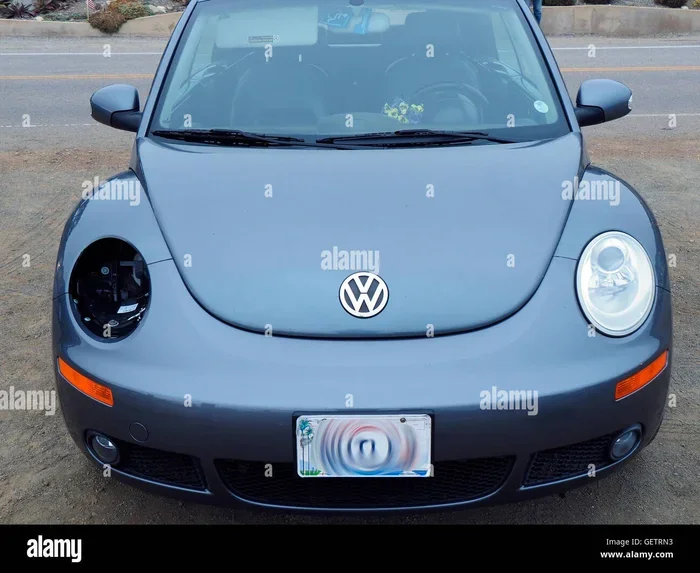
Have you ever been driving down a dark road and noticed one of your headlights is out? It happens to the best of us. A bulb burns out, a fuse blows, or a wire gets damaged. The question is simple but important: can you legally drive with one headlight? The answer might surprise you.
Driving with only one working headlight is a common problem. Many drivers ignore it for days or even weeks. But this is a risky habit that can lead to tickets, accidents, and expensive repairs. In this article, we will explore the laws, safety risks, and practical steps you can take right now.
## Why Headlights Matter for Safe Driving
Headlights do more than help you see the road. They let other drivers see your car. This is especially true at night, in fog, or during heavy rain. When one headlight goes out, your visibility drops significantly.
### The Science Behind Two Headlights
Your car’s headlights work as a pair for a reason. They create a balanced field of light. This helps you judge distances, spot obstacles, and navigate curves safely. When you lose one headlight, the light becomes uneven. Your depth perception suffers. Other drivers may also have trouble judging how far away you are.
### How One Headlight Affects Night Driving
Driving at night with one headlight is dangerous. Studies show that a single headlight provides about 40% less illumination than a pair. This means you need more time to react to hazards. Pedestrians, cyclists, and animals on the road become harder to spot.
Quick Tip: If you notice one headlight is dim or out, fix it the same day. Do not wait until your next trip to the auto shop.
## Is It Against the Law to Drive with One Headlight?
The short answer is: yes, in most cases. Headlight laws vary by state, but nearly all require vehicles to have two working headlights. Let us break this down.
### General Headlight Laws Across the US
Most states have similar rules. Vehicles must have two headlights that are clean, working, and properly aligned. The headlights must turn on from sunset to sunrise. Many states also require headlights when visibility drops below 500 feet.
Here are some key points about headlight laws:
- Two headlights are required: Nearly every state mandates this for vehicles manufactured with two headlight systems.
- Headlights must be clean and clear: Dirty or foggy headlights can also lead to a citation.
- Proper alignment matters: Even if both bulbs work, misaligned headlights can cause issues.
- Daytime running lights are not enough: These do not replace standard headlights in most states.
### What Happens If You Get Pulled Over?
If a police officer notices you are driving with one headlight, you can expect a traffic stop. The consequences depend on your state and local laws. Here is what could happen:
- A warning: Some officers may let you go with a verbal warning, especially for a first offense.
- A fine: Many states impose fines ranging from $50 to $200 for a headlight violation.
- Points on your license: Some states add points to your driving record, which can raise your insurance costs.
- A vehicle inspection notice: You may be told to fix the issue and pass an inspection within a set timeframe.
### State-by-State Variations
Headlight laws are not the same everywhere. Some states are stricter than others. For example, California requires two headlights and can issue a citation for a single burned-out bulb. Texas also mandates two working headlights. New York has similar rules with additional requirements for headlight alignment.
Even though laws differ, the safest approach is the same: always drive with both headlights working.
## Common Reasons a Headlight Burns Out
Understanding why headlights fail can help you prevent it. Here are the most common causes.
### Age and Wear
Headlight bulbs have a lifespan. Most halogen bulbs last between 450 and 1,000 hours. If your headlights are older, one may burn out without warning. This is normal wear and tear, but it can catch you off guard.
### Vibrations and Road Conditions
Rough roads and potholes can damage headlight connections. Vibrations can loosen the bulb or break the filament inside. This is especially common in older vehicles or trucks that are frequently driven on unpaved roads.
### Electrical Issues
Sometimes the problem is not the bulb itself. A bad fuse, corroded wiring, or a faulty relay can cause a headlight to stop working. These electrical issues need professional diagnosis.
### Moisture and Corrosion
Water can get into the headlight housing. This causes corrosion on the bulb and connectors. Over time, moisture can short out the electrical connection and kill the bulb.
Expert Insight: Regularly check your headlight housings for cracks or moisture. A small gap in the seal can lead to big problems over time.
## How to Fix a Burned-Out Headlight
Fixing a dead headlight is easier than you think. Most of the time, it is a simple bulb replacement. Here is how to do it.
### Step-by-Step Bulb Replacement
- Find the right bulb: Check your owner’s manual for the correct bulb type. Common types include H11, H7, 9005, and 9006.
- Gather your tools: You usually just need a screwdriver and a clean cloth.
- Access the back of the headlight: Open the hood and locate the bulb housing behind the headlight assembly.
- Remove the old bulb: Unplug the wiring harness, twist the old bulb counterclockwise, and pull it out.
- Install the new bulb: Handle the new bulb with gloves or a clean cloth. Oil from your skin can shorten the bulb’s life. Insert it and twist clockwise to lock it in place.
- Test the new bulb: Turn on your headlights before closing the hood to make sure the new bulb works.
### When to See a Professional
If the bulb keeps burning out, the problem may be deeper. A faulty voltage regulator, corroded socket, or wiring issue could be the culprit. In these cases, it is best to visit a mechanic. They can diagnose the root cause and fix it properly.
Quick Tip: Always replace headlights in pairs. If one bulb burns out, the other is likely close behind. Replacing both at once ensures even lighting and saves you a future trip.
## Safety Risks of Driving with One Headlight
Beyond the legal issues, driving with one headlight poses real safety risks. Let us look at why this is so dangerous.
### Reduced Visibility for You
With only one headlight, your ability to see the road ahead is cut in half. You may miss potholes, debris, or obstacles until it is too late. This is especially true on unlit roads or in bad weather.
### You Are Harder to See
Other drivers depend on your headlights to judge your position and speed. A single headlight makes your car look smaller and harder to spot. This is especially dangerous at intersections, on highways, and in parking lots.
### Increased Risk of Accidents
Studies show that vehicles with malfunctioning headlights are more likely to be involved in nighttime accidents. The risk is not just for you but for everyone on the road.
Quick Tip: If your headlight goes out while driving, pull over safely and fix it as soon as possible. Do not try to drive far distances with only one working headlight.
## Preventing Headlight Failures
Prevention is always better than repair. Here are simple steps to keep both headlights working strong.
### Regular Car Care Checks
Make it a habit to check your headlights once a week. Walk around your car and look at both headlights. Turn them on and off to make sure both are bright. This takes only a minute but can save you from surprises.
### Clean Your Headlights
Dirty headlights reduce light output by up to 80%. Use a headlight restoration kit or a simple mix of baking soda and water to clean them. Clear headlights improve visibility and make your car look great.
### Replace Bulbs Before They Die
If your headlights are more than a year old, consider replacing them proactively. New bulbs provide better light and reduce the risk of sudden failure.
### Address Electrical Problems Early
If you notice flickering headlights or dimming, get them checked. These are early signs of electrical issues that can lead to a complete headlight failure.
## What If You Have a High-Mounted Third Light?
Some vehicles have a high-mounted third brake light or additional driving lights. These do not replace standard headlights. Even if your truck or SUV has extra lights, you still need two working headlights to comply with the law.
Common Mistake: Many drivers think that having fog lights or auxiliary lights means they can skip the main headlights. This is not true. Standard headlights are required by law in all states.
## Frequently Asked Questions
Can I drive with one headlight if the other is a high-beam?
No. Most states require two low-beam headlights to be working. High-beam headlights are not a substitute for a functioning low-beam headlight. You can still receive a ticket for having only one working headlight, regardless of the beam type.
How much is a ticket for driving with one headlight?
Fines vary by state and municipality. They typically range from $50 to $200. Some areas may also add points to your driving record, which can increase your insurance premiums.
Will one headlight fail a vehicle inspection?
Yes. In most states, a vehicle inspection will fail if one headlight is not working. You will need to fix the issue and pass a re-inspection before your vehicle can be legally driven.
How long can I legally drive with one headlight?
There is no grace period in most states. If a headlight is out, you are technically violating the law from the moment you start driving. Fix it as soon as possible to avoid fines and stay safe.
Can a bad ground cause one headlight to go out?
Yes. A poor electrical ground can cause one headlight to dim or stop working entirely. This is a common issue in older vehicles and can usually be fixed by cleaning the ground wire or replacing the connector.
Is it safer to drive with one headlight or no headlights at all?
One headlight is better than none. Even a single headlight provides some illumination and makes your vehicle visible to other drivers. However, driving with no headlights at all is extremely dangerous and illegal in all states.
## Final Thoughts
Driving with one headlight is not just a minor inconvenience. It is a safety hazard and, in most places, a violation of the law. The risks are clear. You are less visible to other drivers. Your ability to see the road drops significantly. And you could face fines, points on your license, or even a failed inspection.
The good news is that fixing a burned-out headlight is usually quick and affordable. A new bulb costs just a few dollars, and the replacement process is simple enough for most drivers to handle at home. Make headlight maintenance a regular part of your car care routine and you will avoid these problems altogether.
Stay safe, stay legal, and keep both headlights shining bright. Your life and the lives of others on the road depend on it.
If you enjoyed this article, check out our other car care guides for more tips on keeping your vehicle in top shape.
Key Takeaways
- It’s often against the law: Most states require two working headlights on your vehicle at night.
- Safety is the main concern: One headlight reduces your visibility and makes you harder for others to see.
- Fines can be costly: Depending on your location, you could face tickets and points on your license.
- Replacement is simple: Most headlight bulbs are easy and cheap to swap out yourself.
- Prevention matters: Regular car care checks can help you avoid a dead headlight in the first place.
- Know your local laws: Headlight regulations vary by state, so check your specific rules.
Further Reading
- 30 40 Duplex House Plans With Car Parking
- 20X45 House Plan With Car Parking
- 20X40 House Plan With Car Parking
Frequently Asked Questions
Can I drive with one headlight?
In most states, driving with one headlight is against the law. Vehicles are required to have two working headlights. You may receive a ticket, points on your license, or fail a vehicle inspection if caught driving with a single headlight.
Is it illegal to drive with one headlight?
Yes, nearly all US states require two functioning headlights. The law applies from sunset to sunrise and whenever visibility is poor. Even if your other lights are working, a missing headlight is a violation.
What happens if you get pulled over for one headlight?
You may receive a warning, a fine, or a citation. The outcome depends on your local laws and the officer’s discretion. In some cases, you may need to pass a re-inspection after fixing the issue.
How much does it cost to replace a headlight bulb?
A single headlight bulb typically costs between $15 and $50. If you replace it yourself, there is no labor cost. Professional installation may add $50 to $100 depending on your location.
Can a burned-out headlight cause a car inspection to fail?
Yes. Most vehicle inspections check that both headlights are working properly. A single burned-out bulb will result in a failed inspection. You must fix the issue before your vehicle can pass.
How can I prevent headlight bulbs from burning out?
Regular car care helps prevent headlight failures. Check your bulbs weekly, clean the headlight housings, replace bulbs in pairs, and address electrical issues early. These simple steps keep your headlights working reliably.