Can I Drive My Car With One Headlight Out On The Road
Driving with one headlight out is risky and may violate traffic laws in most states. You could face a police stop, failed inspection, or a dangerous nighttime drive. Replacing a headlight bulb is usually quick, affordable, and essential for road safety. This guide covers everything you need to know about driving with a single working headlight.
This is a comprehensive guide about Can I Drive My Car With One Headlight Out?.
Key Takeaways
- It is often illegal: Most states require both headlights to work while driving at night or in low-visibility conditions.
- Safety is the top concern: One headlight reduces your visibility and makes it harder for oncoming drivers to see you.
- Replacement is simple: Most headlight bulbs can be swapped in under 30 minutes with basic tools.
- Cost is low: A new headlight bulb typically costs between $15 and $50, depending on your vehicle.
- Check your fuse first: Sometimes a blown fuse is the real culprit, not a dead bulb.
- Keep cleaning supplies handy: A dirty headlight lens can dim output even with a working bulb, so regular cleaning helps.
- Act fast: Ignoring a burnt-out headlight can lead to tickets, insurance issues, or accidents.
[FEATURED_IMAGE_PLACEHOLDER]
Can I Drive My Car With One Headlight Out?
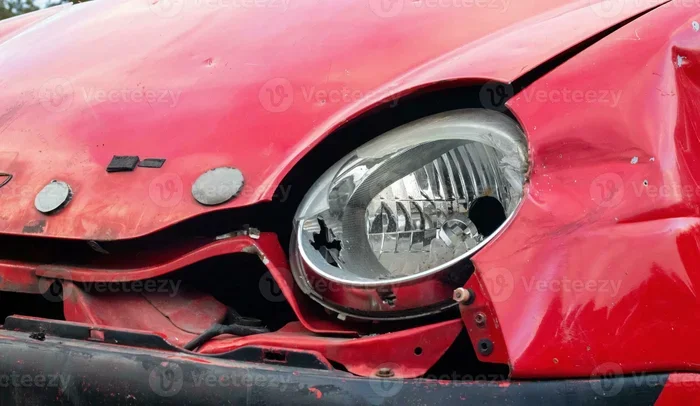
Short answer: you probably should not. Can I drive my car with one headlight out on the road? The honest truth is that doing so puts you and others at risk. It may also break local traffic laws. Most states and countries require vehicles to have both headlights working during nighttime driving and in certain weather conditions.
Many drivers ignore a single burnt-out headlight. They think one light is still enough. But here is the thing. Your headlights do more than help you see the road. They also make your vehicle visible to other drivers. When one side goes dark, your car looks smaller and harder to spot. This is especially true on dark roads or during rain and fog.
A single working headlight can also create an uneven light pattern. This confuses oncoming drivers. They may not know if they are looking at a motorcycle or a full-size SUV. That confusion can lead to dangerous situations. So even if you feel confident driving with one headlight, the real question is whether everyone else on the road can safely share it with you.
Why Both Headlights Matter
Headlights are designed as a pair for a reason. They create a balanced beam that lights up the road evenly. When one bulb goes out, the entire lighting system becomes lopsided. Your depth perception suffers. You may misjudge distances to other vehicles, pedestrians, or road obstacles.
Oncoming traffic relies on your headlights to judge how far away you are. A car with one dark headlight looks farther away than it actually is. This misjudgment can cause rear-end collisions or head-on close calls. It is a small part of your vehicle that carries a huge responsibility.
The Legal Side of Driving With a Headlight Out
Traffic laws vary by location, but most places have clear rules about headlights. In the United States, federal guidelines and state laws generally require that all external lights function properly. Let us break this down so you know exactly where you stand.
Federal and State Regulations
At the federal level, the Department of Transportation sets safety standards for vehicles. These standards include requirements for headlamps. Every car sold in the U.S. must come with two working headlights from the factory. This tells you something important. The system is built for two lights, not one.
State laws add their own layers. For example, most states classify a burnt-out headlight as a equipment violation. You can be pulled over and fined. The fine amount varies. In some states, it is a small ticket. In others, it can be costly. More importantly, a citation can go on your driving record.
Here are some common legal points to keep in mind:
- Most states require two functioning headlights at all times when lighting conditions demand them.
- Police can stop you solely for a burnt-out headlight.
- A headlight violation may affect your insurance rates.
- Vehicles that fail inspection due to a dead headlight cannot be legally driven.
- Commercial vehicles face stricter enforcement and higher fines.
What Happens If You Get Pulled Over?
If a police officer notices your single headlight, they will likely pull you over. They are trained to spot safety violations. A burnt-out bulb is one of the most common reasons for a traffic stop. The officer will usually issue a warning or a fix-it ticket. A fix-it ticket means you pay a small fine and provide proof that the bulb has been replaced.
However, if you argue with the officer or resist, the situation can escalate. It is not worth the risk. Just fix the headlight and move on. Keep a receipt from the repair shop in your glove box. If you do get stopped, showing proof of repair can help your case.
Safety Risks of Driving With One Headlight
The legal issues are bad enough. But the safety risks are even more concerning. Driving at night with only one headlight is genuinely dangerous. Let us look at why this is such a serious problem.
Reduced Visibility for You
Your headlights illuminate the road ahead. With both bulbs working, you can see about 300 to 500 feet in front of your car. This gives you enough time to react to obstacles, animals, or stopped vehicles. When one headlight goes out, your effective range drops significantly. You lose the wide beam pattern that both bulbs create together.
Think of it this way. Imagine reading a book with one eye closed. You can still read, but you lose depth and peripheral awareness. Driving with one headlight works the same way. You can still drive, but your ability to judge distance and see the full road is compromised.
Making Your Car Invisible to Others
This is the part most drivers overlook. Headlights are not just for seeing. They are for being seen. A car with one dark headlight blends into the background more easily. Other drivers may not notice you until it is too late. This is especially true at intersections, on highways, and in poorly lit areas.
Motorcyclists and cyclists face the same visibility challenges. But cars are heavier and faster, which makes the stakes much higher. A driver who does not see your car until the last second cannot brake in time. One burnt-out bulb could be the difference between a close call and a serious crash.
Weather Conditions Make It Worse
Rain, fog, snow, and glare all reduce visibility. In these conditions, you need every advantage you can get. Two working headlights cut through fog and reflect off wet surfaces better than one. A single headlight simply cannot do the job in tough weather. If you are caught in a storm with one dead headlight, your risk increases dramatically.
Common Reasons a Headlight Burns Out
Understanding why headlight bulbs fail can help you prevent it from happening again. Most bulb failures are not random. There is usually a cause behind them.
Normal Wear and Tear
Headlight bulbs have a lifespan. Halogen bulbs typically last between 450 and 1,000 hours. LED headlights can last much longer, sometimes 10,000 hours or more. Over time, the filament inside the bulb weakens. Eventually, it breaks, and the light goes out. This is the most common reason a headlight burns out.
If your headlight has been working for several years, a burnt-out filament is probably the cause. It is normal wear. The good news is that replacing it is usually simple and inexpensive.
Vibration and Loose Connections
Cars vibrate while driving. Over time, this vibration can loosen the bulb socket or damage the electrical connection. A loose connection causes the bulb to flicker or stop working entirely. If your headlight goes out intermittently, a loose connection might be the problem.
You can check this yourself. Open the hood and look at the back of the headlight assembly. Gently wiggle the bulb and its connector. If it moves freely, the connection may need tightening. Some vehicles have a clip or bracket that holds the bulb in place. Make sure it is secure.
Moisture and Corrosion
Moisture inside the headlight housing is a hidden killer. It can corrode the bulb socket and electrical contacts. Over time, corrosion builds up and prevents the bulb from making proper contact. You might notice a foggy or wet-looking headlight lens. This is a sign that moisture has entered the housing.
Fixing moisture issues requires more than just replacing the bulb. You need to find and seal the leak. This could be a cracked lens, a damaged gasket, or a loose connector. If you ignore moisture, the problem will keep coming back.
Electrical System Problems
Sometimes the bulb is fine, but the electrical system fails to power it. A blown fuse, a faulty relay, or a bad ground wire can all cause a headlight to stop working. If you replace the bulb and it still does not light up, the problem is likely electrical.
In this case, it is best to consult a mechanic. Electrical issues can be tricky to diagnose. A professional has the tools and experience to find the root cause quickly. Trying to fix complex electrical problems yourself can lead to more damage.
How to Replace a Burnt-Out Headlight Bulb
Replacing a headlight bulb is one of the easiest car maintenance tasks you can do. You do not need to be a mechanic. With the right bulb and a few basic tools, you can handle this yourself in under 30 minutes.
What You Will Need
- The correct replacement bulb: Check your owner’s manual for the right bulb type. Common types include H1, H4, H7, and 9005.
- Gloves: Latex or nitrile gloves prevent oils from your skin getting on the new bulb. Oils can create hot spots that shorten the bulb’s life.
- A clean cloth or 3M cloth for car: This helps you handle the bulb without touching the glass directly.
- A screwdriver or wrench: Depending on your vehicle, you may need one of these to access the bulb.
Step-by-Step Replacement
- Turn off the engine and let the headlights cool. Working on a hot bulb can cause burns and damage the new bulb.
- Open the hood and locate the back of the headlight assembly. You will see the bulb socket connected to the wiring harness.
- Unplug the wiring harness. Press the release clip and gently pull the connector away from the bulb.
- Remove the old bulb. Depending on your vehicle, you may need to twist the socket or release a retaining clip. Pull the old bulb straight out.
- Handle the new bulb with gloves or a clean cloth. Never touch the glass part of the new bulb with bare fingers.
- Insert the new bulb into the socket. Push it in firmly and make sure it is seated properly.
- Reconnect the wiring harness. Plug the connector back in until you hear it click.
- Test the new bulb before closing everything up. Turn on the headlights and check that both low beam and high beam work.
Once you confirm the new bulb works, close the hood and clean up. It is that simple. If the bulb still does not work after replacement, check the fuse box. A blown fuse is the most common reason a new bulb fails to light up.
Preventing Future Headlight Problems
Regular maintenance can keep your headlights working and extend the life of your bulbs. A few simple habits go a long way.
- Check both headlights monthly. Walk around your car once a month and test all lights. It takes less than five minutes.
- Clean your headlight lenses regularly. Dirty lenses can reduce light output by up to 80 percent. Use a proper cleaner or a 3M car glass cleaner to restore clarity.
- Replace bulbs in pairs. If one headlight burns out, the other is likely close behind. Replacing both at the same time ensures even lighting and saves you a future trip.
- Address moisture issues quickly. If you notice fog inside your headlight housing, dry it out and check the seals. Water inside the housing will damage the bulb and the reflector.
- Keep spare bulbs in your trunk. A replacement bulb is small and lightweight. Having one on hand means you are never stuck in the dark.
Taking care of your headlights is part of basic car maintenance. It keeps you safe, keeps you legal, and saves money in the long run. A few minutes of attention now can prevent hours of trouble later.
Expert Insights on Headlight Safety
Automotive safety experts agree on one thing. Headlights are your first line of defense during nighttime driving. They are not optional accessories. They are essential safety equipment that every driver depends on.
According to the National Highway Traffic Safety Administration, approximately 50% of all traffic fatalities occur at night. This statistic highlights the critical role that functioning headlights play in road safety. When even one headlight fails, your risk profile increases significantly.
Professional mechanics also stress the importance of addressing headlight issues promptly. A quick visit to a 3M car care center or your local auto shop can resolve the problem in minutes. Waiting only increases your exposure to risk and potential legal consequences.
Remember that your headlights work together as a system. The reflector, the lens, the bulb, and the electrical connection all play a role. Replacing the bulb is only part of the equation. Keeping the entire headlight assembly in good condition ensures the best performance and the safest driving experience.
Conclusion
Can I drive my car with one headlight out on the road? The answer is clear. You should not. It is unsafe, it is often illegal, and it puts everyone on the road at risk. The fix is simple, affordable, and takes less than half an hour in most cases.
Do not wait for a police officer to pull you over or, worse, for an accident to happen. Check your headlights regularly. Replace bulbs as soon as one goes out. Keep spare bulbs in your car. These small habits make a huge difference in your safety and your wallet.
Your headlights are your eyes on the road. Take care of them, and they will take care of you. Drive safely, stay visible, and never underestimate the power of two working headlights.
FAQs
Is it illegal to drive with one headlight out?
In most states and countries, yes. Traffic laws typically require both headlights to function properly. You can be pulled over and fined for a burnt-out headlight. Always check your local regulations to be sure.
How much does it cost to replace a headlight bulb?
A standard headlight bulb costs between $15 and $50. If you replace it yourself, that is the only cost. If you visit a mechanic, labor charges may add $20 to $50 more. Overall, it is one of the cheapest car repairs you can do.
Can I drive at night with only one working headlight?
You technically can, but you should not. Driving at night with one headlight significantly reduces your visibility and makes your vehicle harder for others to see. It increases the risk of accidents and traffic violations.
How long do headlight bulbs last?
Halogen bulbs typically last 450 to 1,000 hours of use. LED headlights can last 10,000 hours or more. Your driving habits, road conditions, and vibration levels all affect bulb lifespan.
What should I do if my headlight keeps burning out?
Frequent bulb failures often point to an underlying issue. Check for loose connections, moisture in the housing, or voltage problems. A mechanic can diagnose the root cause and fix it permanently.
Does a dirty headlight lens affect brightness?
Absolutely. A cloudy or yellowed headlight lens can reduce light output by up to 80 percent. Regular cleaning with a proper product like 3M glass cleaner helps maintain maximum brightness and visibility.
Frequently Asked Questions
What is Can I Drive My Car With One Headlight Out??
Can I Drive My Car With One Headlight Out? is an important topic with many practical applications.