Grand Highlander Lawsuit Explained What Buyers Must Know
The Grand Highlander lawsuit has raised serious concerns among Toyota buyers. This guide breaks down what the lawsuit covers, the key complaints, and what you need to know before buying or owning one. Whether you are a current owner or considering a purchase, understanding the Grand Highlander lawsuit details can save you time, money, and stress.
Key Takeaways
- The Grand Highlander lawsuit involves multiple complaints about vehicle defects and performance issues.
- Buyers have reported problems with the powertrain, transmission, and overall reliability of the SUV.
- Joining a class action lawsuit may be an option for affected owners.
- Understanding your consumer rights can help you pursue warranty claims or legal recourse.
- Regular maintenance and documentation strengthen your position if you need to take legal action.
- Toyota has responded to some concerns, but many buyers feel the response has been insufficient.
- Staying informed helps you make smarter buying decisions and protect your investment.
📑 Table of Contents
- Grand Highlander Lawsuit Explained: What Every Buyer Needs to Know
- What Is the Grand Highlander Lawsuit About?
- Common Complaints from Grand Highlander Owners
- What Buyers Should Know Before Purchasing
- Your Rights as a Consumer
- What Toyota Has Said About the Lawsuit
- How to Protect Yourself as a Grand Highlander Owner
- What the Future Holds for the Grand Highlander Lawsuit
- Key Takeaways for Grand Highlander Buyers
Grand Highlander Lawsuit Explained: What Every Buyer Needs to Know
The Grand Highlander lawsuit has become a hot topic in the automotive world. If you own or are thinking about buying a Toyota Grand Highlander, this is something you need to understand. The lawsuit centers around a range of complaints from real owners who have experienced serious vehicle problems. These issues have led to legal action against Toyota, and the details matter for every buyer in the market.
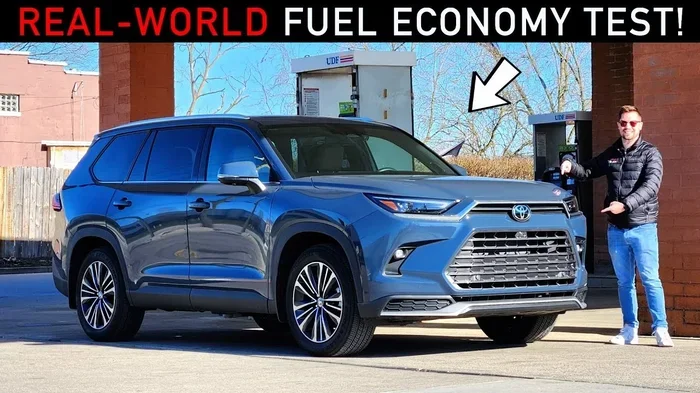
Toyota built the Grand Highlander as a spacious, family-friendly SUV. It promised comfort, reliability, and value. But many owners say the reality has fallen short. From powertrain failures to unexpected repair costs, the complaints are stacking up. This article walks you through everything you need to know about the Grand Highlander lawsuit. We will cover the key issues, what buyers can do, and how to protect yourself.
Knowledge is power. When you understand the details of a lawsuit like this, you make better decisions. You know what to watch for. You know your rights. And you know when to take action. Let us dive into the full picture of the Grand Highlander lawsuit and what it means for you.
What Is the Grand Highlander Lawsuit About?
The Grand Highlander lawsuit is a legal action taken by vehicle owners against Toyota. The core of the complaint revolves around alleged defects and performance failures in the Grand Highlander model. Owners have reported a wide range of issues that affect the daily drivability and safety of their vehicles.
Toyota is one of the most trusted names in the automotive industry. So when a lawsuit like this surfaces, it naturally raises eyebrows. Buyers expect reliability from a Toyota. When that expectation is not met, frustration builds quickly. The lawsuit aims to hold Toyota accountable for the problems owners have experienced.
Many of the complaints center on the powertrain and transmission systems. These are critical components. When they fail, the vehicle becomes unreliable and unsafe. Owners have reported sudden stalling, rough shifting, and complete transmission failure. These are not minor inconveniences. They are serious problems that can lead to dangerous driving situations.
The Scope of the Legal Action
The Grand Highlander lawsuit is not just one isolated case. Multiple owners have come forward with similar complaints. This pattern of issues strengthens the case significantly. When many owners report the same problem, it points to a potential design or manufacturing flaw rather than bad luck.
Legal experts suggest that the growing number of complaints could lead to a class action lawsuit. A class action allows many affected owners to join together in a single legal proceeding. This approach can be more efficient and powerful than individual lawsuits. If you are wondering whether you can still join a class action, check our guide on Can I Still Join The Class Action Lawsuit for more details.
The lawsuit also highlights broader concerns about Toyota’s quality control. Some buyers feel that Toyota has not done enough to address these issues promptly. Instead of proactive recalls or fixes, many owners say they have been left to deal with expensive repairs on their own.
Common Complaints from Grand Highlander Owners
Understanding the specific complaints helps buyers know what to watch for. The Grand Highlander lawsuit draws from a long list of owner-reported problems. Here are the most frequently mentioned issues.
Transmission Problems
Transmission issues top the list of complaints. Many owners describe rough or jerky shifting. Some report the transmission slipping between gears. Others have experienced complete transmission failure, which is an expensive and serious repair.
These problems often appear within the first few years of ownership. For a vehicle that Toyota markets as a reliable family SUV, transmission failures are deeply concerning. Owners have spent thousands of dollars on repairs that should not have been necessary.
Powertrain and Engine Issues
Beyond the transmission, engine problems have also been reported. Some owners have noticed unusual noises coming from the engine bay. Others have experienced reduced power or stalling while driving. These issues can be frightening, especially at highway speeds.
The powertrain is the heart of any vehicle. When it fails, the entire driving experience suffers. Owners feel let down by a brand they trusted to deliver a dependable vehicle.
Electrical and Infotainment Glitches
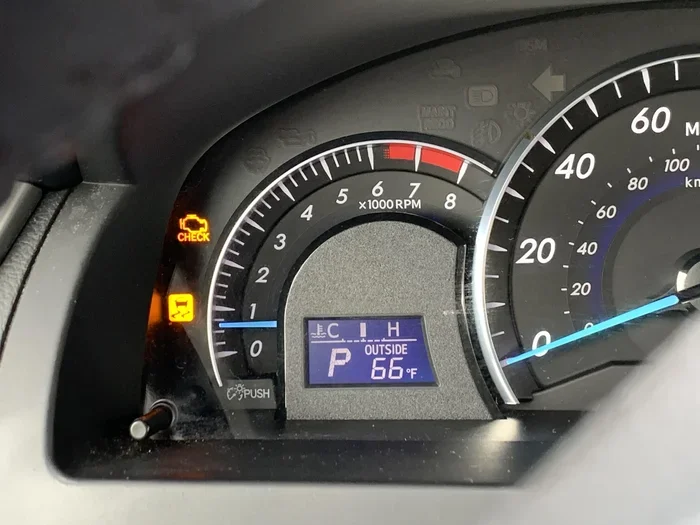
Electrical problems are another recurring theme. Owners have reported flickering dashboards, unresponsive touchscreens, and intermittent warning lights. While these may seem minor compared to powertrain issues, they add up and diminish the overall ownership experience.
Some owners have also raised concerns about the vehicle’s window tint affecting visibility and interior comfort. For more information on window tint regulations and options, you can explore our article on 33 Percent Window Tint Explained or learn about 12 Percent Window Tint Explained.
What Buyers Should Know Before Purchasing
If you are considering buying a Grand Highlander, the Grand Highlander lawsuit should be on your radar. Being informed helps you make a smarter decision. Here is what every potential buyer should keep in mind.
Research the Vehicle History
Before buying any used vehicle, get a full vehicle history report. This report can reveal past accidents, service records, and any recall notices. For a Grand Highlander, pay special attention to any transmission or powertrain repairs listed in the history.
Ask the seller for maintenance records. A well-documented service history gives you confidence that the vehicle has been properly cared for. If records are missing or incomplete, that is a red flag worth investigating further.
Get a Pre-Purchase Inspection
A pre-purchase inspection by a trusted mechanic is one of the best investments you can make. A qualified technician can spot potential problems that a casual test drive might miss. They will check the transmission, engine, electrical systems, and more.
Think of it this way. You would not buy a house without an inspection. The same logic applies to a vehicle. Spending a few hundred dollars on an inspection could save you thousands in future repairs.
Understand Your Warranty Coverage
Toyota offers warranty coverage on new vehicles. Understanding what is covered and for how long is essential. If you are buying a used Grand Highlander, check whether any factory warranty remains. Extended warranties are also an option, but read the fine print carefully.
Warranty coverage can provide peace of mind. It ensures that if a defect does arise, you are not left bearing the full cost of repairs. Always keep your warranty documents in a safe place and familiarize yourself with the claim process.
Your Rights as a Consumer
Every vehicle buyer has rights. When those rights are violated by a defective product, legal options become available. The Grand Highlander lawsuit is a reflection of buyers exercising those rights.
Lemon Laws and Vehicle Defects
Most states in the U.S. have lemon laws. These laws protect consumers who purchase vehicles with persistent defects. If a vehicle cannot be repaired after a reasonable number of attempts, the manufacturer may be obligated to replace or refund the vehicle.
Lemon laws vary by state. Some states offer stronger protections than others. If you believe your Grand Highlander qualifies as a lemon, consult with a consumer rights attorney. They can evaluate your situation and advise you on the best course of action.
Product Liability and Safety Recalls
Product liability law holds manufacturers responsible for defects that cause harm. If a Grand Highlander defect leads to an accident or injury, Toyota could be held liable. This is the foundation of many automotive defect lawsuits.
Toyota occasionally issues safety recalls. These recalls address known defects that could compromise vehicle safety. Owners should always check for open recalls on their vehicle. You can do this by visiting the official Toyota website or using the National Highway Traffic Safety Administration (NHTSA) lookup tool.
Documentation Is Your Best Friend
If you are experiencing problems with your Grand Highlander, document everything. Keep records of all repairs, visits to the dealership, and communication with Toyota or your dealer. This documentation can be invaluable if you decide to pursue legal action.
Save every receipt. Write down dates, symptoms, and what was said during service visits. The more evidence you have, the stronger your position becomes. In a lawsuit or warranty dispute, documentation often makes the difference between success and failure.
What Toyota Has Said About the Lawsuit
Toyota has acknowledged some of the complaints raised by Grand Highlander owners. The company has addressed certain issues through recalls and service campaigns. However, many owners feel that Toyota’s response has not been sufficient to address the full scope of the problems.
Some owners have reported positive experiences with Toyota dealerships. They say their issues were resolved quickly and professionally. Others have had frustrating experiences, with repeated visits to the dealership failing to fix the root cause of the problem.
The Grand Highlander lawsuit continues to develop. Toyota may take further steps to address the concerns raised by owners. Staying up to date on the latest developments is important for every Grand Highlander owner and potential buyer.
How to Protect Yourself as a Grand Highlander Owner
Whether you already own a Grand Highlander or are planning to buy one, taking proactive steps can protect you. Here are practical tips to keep in mind.
Stay on Top of Regular Maintenance
Regular maintenance is your first line of defense against major problems. Follow the manufacturer’s recommended service schedule. Change the oil on time. Check the transmission fluid regularly. Address small issues before they become big ones.
Good maintenance habits can extend the life of your vehicle significantly. They also create a paper trail that supports any future warranty claims or legal actions.
Know When to Seek Legal Help
If you have experienced repeated problems with your Grand Highlander and Toyota has not resolved them, it may be time to consult an attorney. A consumer rights lawyer can evaluate your case and let you know what options are available.
Many attorneys offer free initial consultations. This means you can explore your options without any financial risk. If you are considering joining a class action, our guide on Can I Still Join The Class Action Lawsuit provides helpful context on how these proceedings work.
Connect with Other Owners
You are not alone in this. Online forums and owner communities are valuable resources. Other Grand Highlander owners can share their experiences, offer advice, and keep you informed about developments in the Grand Highlander lawsuit.
Communities also amplify the voice of affected owners. When enough people speak up, manufacturers take notice. Joining a community can give you access to support, information, and collective action opportunities.
What the Future Holds for the Grand Highlander Lawsuit
The Grand Highlander lawsuit is still unfolding. Legal proceedings can take months or even years to reach resolution. During this time, new evidence may emerge, and Toyota may take additional steps to address the concerns raised by owners.
For potential buyers, the lawsuit is a reminder to always do thorough research before purchasing any vehicle. Even trusted brands can have problematic models. The key is to stay informed, ask the right questions, and know your rights as a consumer.
For current owners, the lawsuit offers a path to potential compensation or resolution. If your Grand Highlander has caused you repeated frustration and expense, exploring your legal options is a worthwhile step. The more owners who come forward, the stronger the case becomes for accountability.
Key Takeaways for Grand Highlander Buyers
The Grand Highlander lawsuit highlights important lessons for all SUV buyers. Reliability should always be a top priority. Do your homework before making a purchase. Understand the vehicle’s known issues and how they have been addressed.
Know your consumer rights. Familiarize yourself with lemon laws, warranty terms, and product liability protections. Keep detailed records of your ownership experience. And do not hesitate to seek legal advice if you believe your rights have been violated.
The automotive industry is constantly evolving. Lawsuits like the Grand Highlander lawsuit push manufacturers to improve their products and processes. In the end, these legal actions benefit all consumers by promoting higher standards of quality and accountability.
Stay informed. Stay proactive. And never underestimate the power of knowledge when it comes to protecting your investment and your safety on the road.
Frequently Asked Questions
What is the Grand Highlander lawsuit about?
The Grand Highlander lawsuit involves legal action taken by vehicle owners against Toyota. The lawsuit addresses alleged defects and performance failures in the Grand Highlander SUV. Owners have reported transmission problems, powertrain issues, and other reliability concerns that have led to costly repairs and safety worries.
Can I join the Grand Highlander class action lawsuit?
Yes, if you own a Grand Highlander and have experienced similar issues, you may be eligible to join the class action. Check our detailed guide on Can I Still Join The Class Action Lawsuit to understand the requirements and process for joining.
What are the most common Grand Highlander problems?
The most common issues reported include transmission slipping or jerky shifting, powertrain failures, engine stalling, and electrical glitches. These problems have been the foundation of the Grand Highlander lawsuit and have caused significant frustration among owners.
Does Toyota offer any recalls for the Grand Highlander?
Toyota has issued some recalls and service campaigns related to the Grand Highlander. However, many owners feel these responses have not fully addressed the scope of the problems. Always check for open recalls using the NHTSA website or the official Toyota recall lookup tool.
What should I do if I have problems with my Grand Highlander?
First, document all issues and repairs thoroughly. Visit your Toyota dealership and request service in writing. If the problems persist, consult a consumer rights attorney who specializes in vehicle defects. You may also consider joining the ongoing class action if you qualify.
How can I protect myself when buying a used Grand Highlander?
Get a full vehicle history report, request maintenance records, and always insist on a pre-purchase inspection by a trusted mechanic. Research known issues with the model and ask the seller about any past repairs or warranty work. Being thorough before buying can save you from inheriting costly problems.
=== CONCLUSION ===
The Grand Highlander lawsuit is a significant development for Toyota SUV owners and potential buyers alike. It serves as a reminder that even the most trusted brands can produce vehicles with serious defects. Understanding the details of this lawsuit empowers you to make informed decisions, protect your investment, and exercise your consumer rights.
Whether you are dealing with transmission problems, powertrain failures, or simply trying to decide if a Grand Highlander is right for you, knowledge is your greatest asset. Stay informed, keep your documentation organized, and do not hesitate to seek professional advice when needed. The Grand Highlander lawsuit may still be evolving, but the lessons it teaches are timeless: buy smart, drive safe, and always know your rights.