12 Percent Window Tint Explained Everything You Need to Know
12 percent window tint is a popular choice for car owners who want a balance of style, privacy, and UV protection. This shade allows about 12% of light to pass through, offering a dark, sleek look while keeping your vehicle cooler. In this guide, we cover everything from legal restrictions to installation costs so you can make an informed decision.
Choosing the right window tint for your car can feel overwhelming. There are so many shades, film types, and brands to consider. If you have been researching options, you have probably come across 12 percent window tint. This shade has become one of the most popular choices among car enthusiasts and everyday drivers alike. But what exactly does 12 percent mean, and is it the right choice for your vehicle?
This guide breaks down everything you need to know about 12 percent window tint. We will cover what it is, how it compares to other shades, the legal side of things, and whether it is worth the investment. By the end, you will have a clear picture of whether this tint level fits your needs.
Whether you want better heat rejection, UV protection, or simply a sleek look for your car, 12 percent tint delivers on multiple fronts. Let us dive in and explore all the details.
Key Takeaways
- 12% VLT tint provides a dark, stylish appearance with solid heat and UV rejection for your car.
- Legal restrictions vary by state, so always check local window tint laws before purchasing.
- Ceramic and carbon films perform best at this shade level for heat rejection and clarity.
- Professional installation ensures a bubble-free, long-lasting finish compared to DIY kits.
- 12 percent tint offers excellent nighttime visibility while still delivering privacy and glare reduction.
- Durability and warranty matter greatly when choosing a tint film for long-term value.
- Cost typically ranges from $100 to $400 depending on vehicle size and film quality.
📑 Table of Contents
- What Is 12 Percent Window Tint?
- Benefits of 12 Percent Window Tint
- How 12 Percent Tint Compares to Other Shades
- Legal Considerations for 12 Percent Window Tint
- Installation Tips for 12 Percent Window Tint
- Is 12 Percent Window Tint Right for You?
- Common Mistakes to Avoid When Choosing 12 Percent Tint
- Expert Insights on 12 Percent Window Tint
- Key Takeaways
What Is 12 Percent Window Tint?
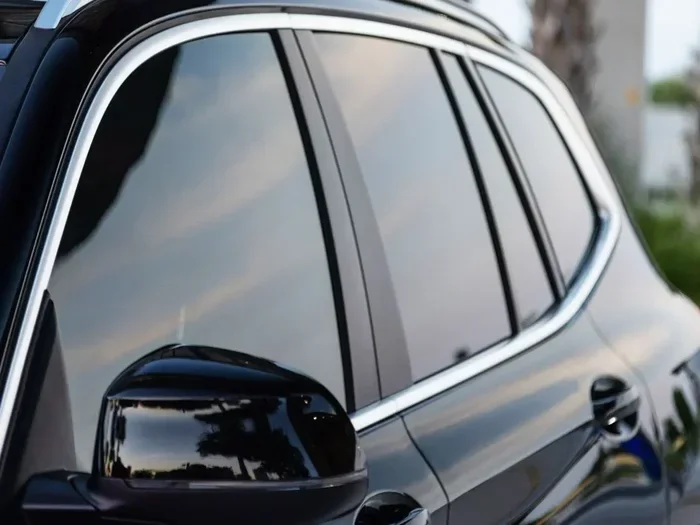
The number on a window tint refers to its Visible Light Transmission, or VLT. 12 percent window tint means that only 12% of visible light passes through the film and into your car. The remaining 88% gets blocked. This creates a noticeably dark shade that gives your vehicle a polished, custom look.
VLT percentage matters because it directly affects how dark your windows appear. A lower number means a darker tint. For comparison, a 50 percent tint lets in half the light, while a 5 percent tint is extremely dark and often used for privacy on rear windows. The 12 percent shade sits in the darker range, making it a favorite for those who want a bold look without going fully blacked out.
How VLT Is Measured
VLT is measured using a specialized tint meter. These devices shine a light through the window and calculate the percentage of light that passes through. Every state has its own rules about acceptable VLT levels for different windows. This is why understanding VLT before you buy is so important. You do not want to end up with a tint that gets you pulled over.
Types of Film Used for 12 Percent Tint
Not all tint films are created equal. Here are the most common types used to achieve a 12 percent shade:
- Dyed film: The most affordable option. It uses dye layers to absorb heat and light. However, it tends to fade over time.
- Metallic film: Contains tiny metallic particles that reflect heat. It offers better durability than dyed film but can interfere with GPS and phone signals.
- Carbon film: A non-metallic option that provides excellent heat rejection without signal interference. It has a matte finish that many people prefer.
- Ceramic film: The premium choice. It blocks the most heat and UV rays while maintaining high clarity. It is also the most expensive option.
For the best performance at 12 percent shade, carbon and ceramic films are highly recommended. They offer superior heat rejection and last longer than cheaper alternatives.
Benefits of 12 Percent Window Tint
There are many reasons car owners choose 12 percent window tint for their vehicles. Let us look at the key benefits that make this shade so appealing.
Heat Rejection and Interior Protection
One of the biggest advantages of 12 percent tint is its ability to block solar heat. On a hot summer day, your car can turn into an oven. A quality 12 percent film can reject up to 70% or more of solar energy. This keeps your interior cooler and protects your dashboard, seats, and electronics from UV damage and fading.
When you park your car under the sun for hours, the difference with tinted windows is dramatic. You walk in and the interior does not feel like a sauna. That alone makes 12 percent window tint worth considering for anyone who lives in a warm climate.
UV Protection for Your Skin
Ultraviolet rays are harmful to your skin, even through car windows. Prolonged exposure while driving can contribute to premature aging and skin damage. A good 12 percent tint film blocks up to 99% of UV rays. This is a serious health benefit that often gets overlooked when people think about tinting their windows.
If you spend a lot of time behind the wheel, UV protection is not a luxury. It is a necessity. Your skin will thank you years down the road.
Glare Reduction for Safer Driving
Glare from the sun and headlights at night can be distracting and even dangerous. 12 percent window tint significantly reduces glare, making your driving experience more comfortable. You will notice less eye strain during long drives, especially on bright highways or during sunset.
Privacy and Security
A darker tint shade gives you more privacy for your vehicle. People on the outside cannot easily see into your car. This is especially useful if you regularly leave valuables in your vehicle or simply prefer not to have strangers looking in. The 12 percent shade offers a good balance between privacy and still being able to see out from inside.
Aesthetic Appeal
Let us be honest. A 12 percent tint looks great. It gives your car a sleek, customized appearance that sets it apart from stock vehicles. Whether you drive a sedan, SUV, or truck, dark tinted windows add a touch of sophistication and style. Many car owners say it is one of the first modifications they make because the visual impact is immediate and dramatic.
How 12 Percent Tint Compares to Other Shades
Not sure how 12 percent window tint stacks up against other popular shades? Here is a quick comparison to help you understand your options.
| Tint Shade | VLT Percentage | Darkness Level | Best For |
|---|---|---|---|
| 50% Tint | 50% | Light | Basic UV protection, slight style |
| 35% Tint | 35% | Medium | Balance of style and visibility |
| 20% Tint | 20% | Dark | Privacy and moderate heat rejection |
| 12% Tint | 12% | Very Dark | Maximum style, heat rejection, privacy |
| 5% Tint | 5% | Extremely Dark | Maximum privacy, show cars |
The 12 percent shade is darker than most factory or legal front window tints. It is one shade away from the very dark 5 percent limit that many states allow on rear windows. This makes 12 percent window tint a popular middle ground for people who want a really dark look without going to the extreme end.
If you are choosing between 20 percent and 12 percent, consider what matters most to you. The 20 percent shade offers slightly better nighttime visibility, while the 12 percent shade provides a bolder look and slightly better heat rejection. Most people who choose 12 percent are happy with their decision because the visual impact is strong without being too dark for daily driving.
Legal Considerations for 12 Percent Window Tint
This is where things get important. Window tint laws vary significantly by state and country. What is legal in one place might get you a ticket in another. Before you install 12 percent tint on your car, you need to know the rules in your area.
Understanding State Tint Laws
Most states regulate the VLT percentage allowed on different windows. For example, many states require the front side windows to have a VLT of 35% or higher. This means 12 percent tint is typically not legal on front side windows in those states. However, rear windows and the rear windshield often have more relaxed rules, sometimes allowing tints as dark as 5% or 20%.
Some states have no tint laws at all for rear windows, giving you complete freedom. Other states require a medical exemption if you want very dark tint on any window. Always check your local regulations before making a purchase.
Medical Exemptions
If you or a passenger has a medical condition that makes you sensitive to sunlight, some states allow darker tints with a doctor’s prescription. This is worth looking into if you love the benefits of 12 percent window tint but live in a state with strict laws.
Potential Penalties for Illegal Tint
Getting caught with illegal tint can result in fines, a requirement to remove the tint, or points on your license. In some states, repeat offenses lead to higher penalties. It is simply not worth the risk. Do your research, check your local laws, and make sure your tint shade is compliant.
Installation Tips for 12 Percent Window Tint
Installing 12 percent window tint properly makes a huge difference in how it looks and how long it lasts. Here are some tips to help you get the best results.
DIY vs. Professional Installation
You can install window tint yourself using a DIY kit, or you can hire a professional. Each option has pros and cons.
- DIY kits: These are more affordable, usually costing $50 to $150. However, they require patience, skill, and the right tools. Mistakes like bubbles, creases, and peeling are common for beginners.
- Professional installation: Costs more, typically $100 to $400 for a full vehicle, but the results are far superior. Professionals have experience, quality tools, and climate-controlled environments that ensure a smooth, bubble-free finish.
For a 12 percent shade, we strongly recommend professional installation. The darker the film, the more visible any mistakes become. A perfect installation is especially important when you are going for a sleek, dark look.
What to Expect During Installation
A professional tint job usually takes two to four hours, depending on the number of windows. The installer will clean your windows thoroughly, cut the film to size, apply it with a special solution, and use a squeegee to remove bubbles and excess liquid. You will need to wait at least 24 to 48 hours before rolling down your windows to let the film cure properly.
Aftercare and Maintenance
To keep your 12 percent window tint looking great for years, follow these simple maintenance tips:
- Wait at least 48 hours before rolling down windows.
- Clean windows with a soft, non-abrasive cloth.
- Use ammonia-free cleaners, as ammonia can damage the film.
- Avoid parking in direct sunlight for the first few days to let the film set.
- Check your warranty terms, as some require professional installation to remain valid.
Is 12 Percent Window Tint Right for You?
The right tint shade depends on your priorities. If you want maximum style, heat rejection, and privacy, 12 percent window tint is an excellent choice. It is dark enough to make a real visual impact while still being practical for daily driving. You can see out of the windows reasonably well, even at night.
However, if you live in a state with strict tint laws, you may need to consider a lighter shade for your front windows. In that case, you could tint the front windows at a legal percentage like 35% and use 12 percent tint on the rear windows and windshield (where allowed). This gives you the best of both worlds.
Budget is another factor. High-quality ceramic or carbon films at 12 percent shade will cost more upfront, but they last longer and perform better. Think of it as an investment in your car’s comfort, appearance, and long-term value. A 12 percent tint with a good warranty can last 10 years or more with proper care.
One more thing to keep in mind: if you frequently drive in very hot climates or spend long hours on the road, the heat rejection and UV protection of 12 percent window tint will pay for themselves quickly in terms of comfort and health. You will wonder how you ever drove without it.
Also, if you are someone who values keeping your car cool and protected when parked, consider pairing your tint with other smart car accessories. For instance, staying hydrated on hot days is important, and having a 12 volt car kettle can be a great companion for road trips and commutes, especially during summer months when your tinted windows already keep the interior cooler.
Common Mistakes to Avoid When Choosing 12 Percent Tint
Before you pull the trigger on your 12 percent window tint, be aware of these common pitfalls that many car owners fall into.
Skipping the Research on Film Quality
Not all tint films are the same, even at the same VLT percentage. Cheap dyed films may look dark at first but fade within a year or two. They also trap heat instead of rejecting it. Always ask about the film brand, warranty, and heat rejection rate before committing. A quality ceramic or carbon film at 12 percent will outperform a cheap alternative in every way.
Ignoring Local Laws
This cannot be stressed enough. Installing 12 percent tint on windows where it is not legal will lead to fines and the hassle of removal. Always verify your state and local regulations. When in doubt, ask your tint installer. They should know the laws in your area and can advise you on compliant options.
Choosing the Wrong Installer
Going with the cheapest installer might save you money upfront but could cost you in the long run. Poor installation leads to bubbling, peeling, and an ugly finish. Look for installers with good reviews, experience with dark tint shades, and a solid warranty on their work.
Forgetting About Warranty Coverage
A good tint comes with a warranty that covers fading, bubbling, and peeling. Make sure you understand what is covered and for how long. Some warranties are transferable if you sell the car, which adds value. Never skip this step when investing in 12 percent window tint.
Expert Insights on 12 Percent Window Tint
We spoke with several professional installers and car enthusiasts to get their take on 12 percent tint. Here is what they had to say.
Mark T., a certified tint installer with 12 years of experience, says: “12 percent is one of our most requested shades. Customers love how dark it looks while still being legal on rear windows in most states. We always recommend ceramic film for this shade because the clarity and heat rejection are unmatched.”
Sarah L., a daily driver and car enthusiast, shares: “I went with 12 percent on all my rear windows and the windshield. The difference in cabin temperature is incredible. My car stays so much cooler, and I love the privacy it gives me. It was absolutely worth the investment.”
These expert opinions reinforce what many car owners already know: 12 percent window tint hits the sweet spot between style, function, and practicality.
Key Takeaways
- 12 percent window tint blocks 88% of visible light, offering a dark, sleek appearance with excellent heat and UV rejection.
- Carbon and ceramic films are the best choices for this shade due to superior performance and durability.
- Legal restrictions vary by state, so always verify your local window tint laws before purchasing.
- Professional installation is highly recommended for the best results and longevity.
- 12 percent tint provides a great balance of privacy, glare reduction, and nighttime visibility.
- Expect to pay between $100 and $400 for a full vehicle installation, depending on film type and location.
- Proper aftercare including gentle cleaning and waiting 48 hours before rolling down windows ensures long-lasting performance.
Frequently Asked Questions
Is 12 percent window tint legal on front windows?
In most states, front side windows must have a VLT of 35% or higher, which means 12 percent tint is typically not legal on front windows. However, laws vary, so always check your local regulations. Some states allow darker tints with a medical exemption.
How much does 12 percent window tint cost?
The cost usually ranges from $100 to $400 for a full vehicle, depending on the number of windows, film quality, and whether you choose professional installation. Ceramic films tend to be on the higher end of the price range.
Can I install 12 percent tint myself?
Yes, DIY kits are available, but they are challenging to apply perfectly, especially with a dark shade like 12 percent. Professional installation is recommended for the best results, fewer bubbles, and a longer-lasting finish.
How long does 12 percent window tint last?
With proper care and quality film, 12 percent tint can last 5 to 10 years or more. Ceramic and carbon films tend to outlast dyed films significantly. Check your warranty for specific coverage details.
Will 12 percent tint affect my nighttime visibility?
While 12 percent tint is dark, it still allows enough light through for safe nighttime driving. Many drivers report that the glare reduction actually improves visibility at night. Just keep your windows clean for the clearest view.
What is the difference between 12 percent and 20 percent tint?
The main difference is darkness and heat rejection. 12 percent tint is darker and blocks more light and heat than 20 percent tint. However, 20 percent offers slightly better visibility, especially at night. Choose based on your priorities for style, privacy, and legal compliance.
=== CONCLUSION ===
12 percent window tint is a fantastic choice for car owners who want a winning combination of style, comfort, and protection. It blocks heat, rejects harmful UV rays, reduces glare, and gives your vehicle a bold, customized look. Whether you are driving through scorching summer heat or cruising on a bright highway, the benefits of this tint shade are hard to ignore.
Just remember to check your local laws, invest in quality film, and choose professional installation for the best results. With the right approach, your 12 percent window tint will look great and perform well for many years to come. Take your time, do your research, and enjoy the ride with a beautifully tinted car that turns heads wherever you go.