Everything You Need to Know About 33 Percent Window Tint
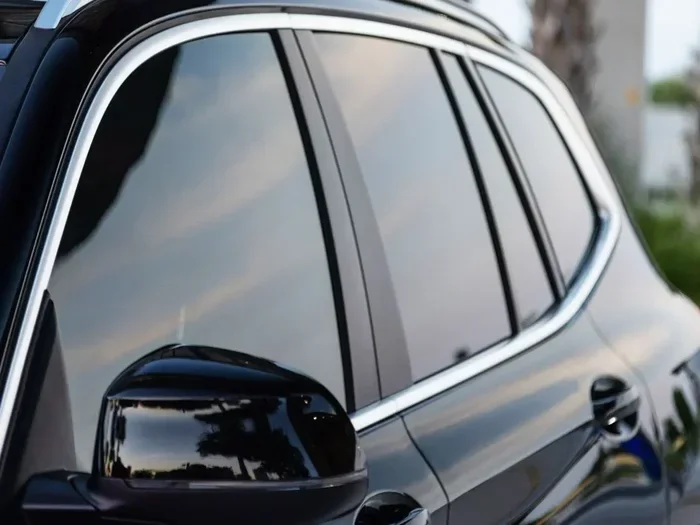
33 percent window tint offers a balanced mix of style, comfort, and legal compliance for most vehicles. This shade blocks about one-third of light, reducing heat and glare while maintaining clear visibility. You’ll get solid UV protection and privacy without crossing into illegal territory.
Have you ever noticed how a car with perfectly tinted windows looks sleek and cool, even on a scorching summer day? That subtle shade is often a 33 percent window tint, and it’s one of the most popular choices among vehicle owners. Whether you want to beat the heat, protect your interior, or add a touch of style, this tint level hits a sweet spot. 33 percent window tint lets in enough light for safe driving while still offering real benefits. In this guide, we’ll break down everything you need to know about this popular shade.
Choosing the right tint can feel confusing. There are percentages, film types, and state laws to consider. But don’t worry. We’ll walk you through it in plain, simple terms. By the end, you’ll know exactly what 33 percent tint offers and whether it’s the right fit for your car. Let’s dive in.
Key Takeaways
- Balanced Darkness: 33 percent tint blocks roughly one-third of light, giving you a sleek look without sacrificing visibility.
- Legal Sweet Spot: This shade often falls within state limits for side and rear windows, making it a safe choice.
- Heat and UV Rejection: Quality films reject up to 70% of solar heat and block 99% of harmful UV rays.
- Multiple Film Types: You can choose from ceramic, carbon, dyed, or metalized options at this VLT level.
- Professional Installation Matters: A pro ensures a bubble-free finish and proper curing for long-lasting performance.
- Check Local Laws First: Even at 33%, some states restrict windshield or front side tinting. Always verify your state’s rules.
📑 Table of Contents
What Is 33 Percent Window Tint?
When we talk about 33 percent window tint, we’re referring to the Visible Light Transmission (VLT) percentage. VLT measures how much light the film allows to pass through your glass. A 33% VLT tint means that roughly one-third of visible light gets through. The rest is absorbed or reflected by the film. In simple terms, it’s a medium-dark shade that balances privacy and clarity.
Imagine standing behind a window with this tint. You can see through it easily during the day, but people outside will have a harder time looking in. That’s the magic of a 33% shade band. It’s dark enough to look stylish, yet light enough to stay safe. This VLT level works well on side windows, rear windows, and even the lower portion of windshields in many states.
Why Choose This Shade?
Many drivers start with 35% tint and then wonder if 33% is a big difference. Honestly, the change is subtle. But 33% often aligns better with legal limits for front side windows in certain states. It also provides a slightly cooler cabin and a bit more glare reduction. If you want a clean, uniform look across all your windows, 33% is a reliable choice. It’s a go-to for daily drivers, family cars, and even some show vehicles.
How Is Tint Darkness Measured?
Understanding VLT is the first step. But how do manufacturers measure it? And what does the number really mean for your drive? Let’s clear that up.
The VLT Scale Explained
The VLT scale runs from 0% to 100%. A 0% tint would be completely opaque—no light passes through at all. A 100% tint means no film is applied, and the glass is completely clear. Most factory-tinted windows sit around 70% to 80% VLT. Aftermarket films like a 33 percent window tint drop that number significantly.
Here’s a quick look at common tint shades:
- 5% VLT: Very dark, often called “limo tint.” Legal only on rear windows in most states.
- 20% VLT: Dark shade, popular for privacy. Usually allowed on rear windows.
- 35% VLT: A medium tint that many people choose for a balanced look.
- 50% VLT: Light tint that blocks half the light. Great for glare reduction.
A 33 percent window tint sits right between 35% and 50%. It’s a subtle but effective middle ground. You get noticeable heat rejection and UV protection without making your car feel like a cave.
Does VLT Change With Light Conditions?
Yes, a little. Tint looks darker at night and lighter on bright sunny days. A 33% film will appear almost clear in direct sunlight but might feel slightly darker in low light. That’s normal. The VLT rating is measured under standard laboratory conditions. In real life, your perception shifts with the environment. This is why many people choose a slightly lighter tint for front windows, where visibility matters most.
Benefits of 33 Percent Tint
So why do so many car owners pick this specific shade? The benefits go beyond just looks. A 33 percent window tint delivers real, practical advantages every time you drive.
Heat Rejection and Cabin Cooling
One of the top reasons people tint their windows is to reduce heat. A quality 33 percent window tint can reject up to 70% of solar energy. That means your car stays noticeably cooler on hot days. You won’t have to blast the air conditioning as hard, which can actually improve your fuel economy. The cabin cools down faster too, making those short trips more comfortable.
Think about parking your car in direct sunlight. Without tint, the interior can turn into an oven. Dashboards crack, seats fade, and steering wheels get too hot to touch. A 33% shade band acts like a shield. It blocks a significant portion of that solar energy before it enters your vehicle. Over time, you’ll protect your interior and save on cooling costs.
UV Protection for You and Your Car
Ultraviolet rays are invisible but damaging. They can cause skin cancer, premature aging, and eye strain. They also fade your dashboard, seats, and trim. A good 33 percent window tint blocks up to 99% of UVA and UVB rays. That’s a huge benefit, especially for drivers who spend long hours on the road.
Even if you have a sunroof or large windows, UV exposure adds up. Tintting with a 33% film gives you a layer of protection that’s always working. You’ll notice less fading inside your car, and your skin will thank you too. It’s one of those health perks that many people overlook.
Glare Reduction and Privacy
Glare from the sun or headlights at night can be dangerous. It strains your eyes and makes it harder to see the road. A 33 percent window tint cuts down on that glare significantly. You’ll experience a more comfortable drive, especially during sunrise and sunset. The film also adds a layer of privacy. People on the outside can’t easily see into your vehicle, which is great for parking lots or when you’re loading gear.
Privacy isn’t just about hiding valuables. It also reduces the feeling of being watched, which can make you feel more relaxed behind the wheel. With a 33% shade band, you get a sleek, uniform look that enhances your car’s appearance while serving a functional purpose.
Legal Considerations and State Laws
Window tint laws vary from state to state, and they can be strict. Before you commit to a 33 percent window tint, you need to know the rules that apply to you. Ignorance isn’t an excuse, and getting pulled over for illegal tint can lead to fines and even a ticket to remove it.
Understanding VLT Limits by State
Most states set a maximum darkness level for front side windows. In many places, 33% is perfectly legal for the front doors. However, some states require front side windows to allow more than 50% or 70% light through. The rear windows and back windshield often have looser rules. Here’s a general idea of how it breaks down:
- Strict States: Require front side windows to be above 50% or 70% VLT. A 33 percent window tint would only be legal on rear windows.
- Moderate States: Allow 35% or 30% VLT on front side windows. 33% usually fits right in.
- Lenient States: Permit darker tints on all windows, including front doors.
You’ll also see rules about the windshield. Most states allow a shade band at the top of the windshield, but it can’t extend more than a few inches down. A 33 percent window tint on the windshield is almost never legal unless it’s that narrow strip. Always check your specific state’s current regulations, as laws change frequently.
Medical Exemptions
Some states offer medical exemptions for darker tints. If you or a passenger has a condition that makes you sensitive to sunlight, you may qualify for a special permit. This can allow you to tint your front windows darker than the standard limit. A 33 percent window tint might be the baseline for your exemption, or you could go darker with a doctor’s note. Contact your local DMV or highway patrol for the application process.
Types of 33 Percent Tint Films
Not all tint films are created equal. When you choose a 33 percent window tint, you’re selecting a VLT level, but you also need to pick a film type. Each type has its own pros and cons. Let’s explore the most common options.
Ceramic Tint
Ceramic tint is the premium choice. It uses nano-ceramic particles to block heat and UV rays without adding metallic shine. A 33 percent ceramic tint offers excellent clarity and doesn’t interfere with cell phone signals or GPS. It’s also incredibly durable and resists fading. If you want the best performance and don’t mind paying a bit more, ceramic is the way to go.
Carbon Tint
Carbon film is a great middle-ground option. It provides strong heat rejection and a matte, non-reflective finish. A 33 percent carbon tint won’t fade as quickly as dyed films, and it looks sleek on any car. It’s also more affordable than ceramic while still delivering solid performance. Many car owners choose carbon for its balance of quality and value.
Dyed Film
Dyed tint is the most budget-friendly option. It uses a layer of dye to absorb heat and darken the glass. A 33 percent dyed tint can look great initially, but it tends to fade and bubble over time. It also offers less heat rejection than ceramic or carbon. If you’re on a tight budget and want a quick cosmetic upgrade, dyed film can work. Just know it may need replacement sooner.
Metalized Film
Metalized films contain tiny metallic particles that boost strength and heat rejection. A 33 percent metalized tint is durable and scratch-resistant. However, the metallic layer can interfere with electronic signals. You might experience dropped calls or GPS glitches. It also has a shiny, reflective appearance that some people love and others don’t. For most daily drivers, ceramic or carbon is a better choice.
Installation and Maintenance Tips
Getting the right film is only half the battle. Proper installation and care make all the difference in how your 33 percent window tint looks and performs over the years.
DIY vs Professional Installation
You can buy a DIY 33 percent window tint kit and apply it yourself. Kits are affordable and come with instructions. But here’s the truth: tinting is a skill. A professional installer has the tools, experience, and clean environment to deliver a bubble-free, wrinkle-free finish. They also know how to handle curved glass and avoid scratches. If you want a flawless result and a warranty, going pro is the smart move.
A professional installation often includes a bubble-free guarantee and a lifetime warranty against peeling or fading. That peace of mind is worth the extra cost. Plus, a pro will ensure your tint meets local legal requirements, saving you from potential fines.
Curing and Aftercare
After installation, your 33 percent window tint needs time to cure. The adhesive dries and bonds to the glass. This process usually takes 3 to 7 days, depending on the film type and weather. During this time, keep your windows rolled up and avoid cleaning them. You might notice some haze or small water bubbles—that’s normal and will clear up as the film cures.
Once cured, you can care for your tint with a soft microfiber cloth and a non-ammonia cleaner. Avoid using rough sponges or harsh chemicals, as they can scratch or degrade the film. With proper care, a quality 33% shade band can last 10 years or more without fading or peeling.
Common Mistakes to Avoid
- Choosing the cheapest film: Low-quality dyed tint fades fast and looks terrible after a year or two.
- Ignoring state laws: Even if a shop offers dark tint, you could get ticketed if it’s illegal for your front windows.
- Tinting in a dusty environment: DIY kits often lead to dust bubbles, which are impossible to fix without redoing the whole panel.
- Rolling windows down too soon: This can create creases and damage the curing adhesive.
Conclusion
A 33 percent window tint is a fantastic choice for anyone who wants a balanced blend of style, comfort, and legality. It blocks enough light to keep your cabin cool, protect your interior from UV damage, and add a touch of privacy—without crossing into illegal territory. Whether you pick ceramic, carbon, or another film type, the key is to work with a reputable installer and check your local laws first.
If you’ve been on the fence about tinting your car, now is the perfect time. A 33 percent window tint delivers real, everyday benefits that you’ll notice every time you get behind the wheel. Take the time to research your options, find a trusted professional, and enjoy the ride with a cooler, more comfortable car.
Frequently Asked Questions
Is 33 percent window tint legal on front side windows?
In many states, yes. However, some states require front side windows to have a VLT above 50% or 70%. You must check your specific state’s regulations before tinting your front doors. A 33% shade band is often legal on rear windows and the lower windshield strip.
How much does a 33 percent tint cost?
Cost varies based on film type and vehicle size. Ceramic films run higher, often $200 to $400 for a full sedan. Carbon and dyed options are more affordable, typically $100 to $250. Professional installation adds to the price but ensures a quality, bubble-free finish.
Will 33 percent tint affect my night driving?
A 33 percent window tint reduces the amount of light entering your car, but it shouldn’t significantly impair night vision. If you drive frequently in very dark or rural areas, you might prefer a slightly lighter tint on the front windows. Most drivers find 33% perfectly comfortable for nighttime driving.
Can I tint just the front windows with 33 percent film?
You can, but only if your state allows it. Many states have different VLT limits for front and rear windows. Some require the front side windows to be lighter than 33%. Always verify your local laws to avoid fines or having to remove the tint.
How long does it take for 33 percent tint to cure?
Most films cure within 3 to 7 days. During this time, avoid rolling down your windows and keep the interior dry. You may notice temporary haze or small bubbles, which will disappear as the adhesive fully sets. In humid or cold weather, curing can take a bit longer.
What is the difference between 33 percent and 35 percent tint?
The difference is very small and mostly cosmetic. A 33% tint lets in slightly less light than 35%, making it a tiny bit darker. In practice, most people can’t tell the difference. The choice often comes down to state legal limits or personal preference for a slightly cooler cabin.