Does the Toyota Corolla Have a High Resale Value
The Toyota Corolla resale value is impressive, consistently ranking among the best in the compact sedan segment. With strong brand reliability, low maintenance costs, and high market demand, the Corolla holds its value remarkably well. Whether you own a gas model or a Corolla hybrid, understanding depreciation and resale trends helps you make smarter buying and selling decisions.
Key Takeaways
- Strong Retention: The Toyota Corolla retains roughly 50-60% of its value after five years, outperforming many competitors.
- Reliability Drives Demand: Known for longevity and low repair costs, the Corolla remains a top choice for used car buyers.
- Hybrid Models Excel: The Corolla Hybrid holds value even better than the gas-only version due to rising fuel economy demand.
- Maintenance Matters: Keeping up with service records and protecting the exterior directly impacts resale price.
- Market Position: The Corolla competes favorably against the Honda Civic, Hyundai Elantra, and Mazda3 in retained value.
- Smart Buying Move: Purchasing a used Corolla offers excellent value since the steepest depreciation has already occurred.
📑 Table of Contents
- What Makes the Toyota Corolla a Resale Value Powerhouse
- Toyota Corolla Depreciation Over the Years
- How the Corolla Stacks Up Against Other Sedans
- Tips to Maximize Your Toyota Corolla’s Resale Value
- The Hybrid Factor: Corolla Resale Value
- Should You Buy a Used Toyota Corolla for Its Resale?
- Final Verdict: Does the Toyota Corolla Have a High Resale Value?
What Makes the Toyota Corolla a Resale Value Powerhouse
The Toyota Corolla resale value story starts with trust. For decades, Toyota has built a reputation for building cars that last. When you buy a Corolla, you are not just getting a reliable ride. You are buying a vehicle that the used car market loves.
So why does the Corolla hold its value so well? Several factors come into play. First, the car has a proven track record of longevity. Many Corolla owners push their vehicles past 200,000 miles with minimal major repairs. This kind of durability creates strong demand in the used market.
Second, Toyota’s brand reputation plays a huge role. Buyers trust the Toyota name. They know that a used Corolla will likely be dependable, fuel-efficient, and affordable to maintain. This trust translates directly into higher resale prices compared to less established brands.
Third, the Corolla benefits from high market demand. Compact sedans remain popular among first-time buyers, commuters, and families looking for an affordable second car. When demand stays strong, resale values stay strong too.
The Role of Reliability in Vehicle Retention
Reliability is the backbone of the Corolla’s resale success. Consumer Reports and J.D. Power consistently rate the Corolla among the most reliable vehicles on the road. When a car has a reputation for rarely breaking down, buyers are willing to pay more for it used.
Think about it this way. Would you rather buy a five-year-old car with a clean history and known reliability, or a flashy model with unknown maintenance? Most buyers choose the Corolla every time. This preference keeps used Toyota Corolla prices higher than many rivals.
Another factor is the cost of ownership. The Corolla’s low maintenance cost means owners spend less on repairs over the years. This affordability appeals to a wide range of buyers, which keeps demand steady in the resale market.
Toyota Corolla Depreciation Over the Years
Understanding Toyota Corolla depreciation helps you see exactly how much value the car loses over time. Depreciation is the biggest factor in resale value, and the Corolla actually depreciates at a slower rate than most sedans.
On average, a new Toyota Corolla loses about 15-20% of its value in the first year. By year three, cumulative depreciation sits around 35-40%. After five years, most Corolla owners can expect the car to retain roughly 50-60% of its original purchase price. Compare that to luxury brands that lose 60-70% in the same timeframe, and the Corolla looks like a smart financial choice.
Year-by-Year Depreciation Breakdown
Here is a general look at how the Toyota Corolla worth changes over time:
- Year 1: 15-20% depreciation. The steepest drop happens here because the car is no longer brand new.
- Year 2: Additional 10-15% depreciation. The rate slows down as the car ages.
- Year 3: Another 8-12% loss. By now, the car has settled into its used market value.
- Year 4-5: 5-8% per year. Depreciation flattens out as the Corolla proves its reliability.
- Year 6-10: 3-5% per year. The car holds value remarkably well through the middle years.
Several factors influence these numbers. Mileage, condition, trim level, and service history all play a role. A well-maintained Corolla with low miles will always command a higher price than a high-mileage example with wear and tear.
Why the Corolla Depreciates Slower Than Competitors
The Corolla’s slower depreciation comes down to three things. Reliability keeps repair costs low. Brand trust makes buyers confident. And fuel efficiency keeps operating costs down. Together, these factors create a used car that buyers feel good about purchasing, which pushes prices up.
How the Corolla Stacks Up Against Other Sedans
The compact sedan market is competitive. Honda Civic, Hyundai Elantra, Mazda3, and Nissan Sentra all fight for the same buyers. So how does the Toyota Corolla resale value compare?
In most comparisons, the Corolla comes out ahead or neck-and-neck with the Honda Civic. Both vehicles hold value well thanks to strong reliability scores. The Elantra and Sentra tend to depreciate faster, giving the Corolla an edge in the used car market.
Resale Value Comparison Table
Here is a general comparison of five-year resale values among popular compact sedans:
- Toyota Corolla: Retains 50-60% of original value after five years.
- Honda Civic: Retains 48-58% of original value after five years.
- Hyundai Elantra: Retains 40-50% of original value after five years.
- Mazda3: Retains 45-55% of original value after five years.
- Nissan Sentra: Retains 38-48% of original value after five years.
The numbers show that the Corolla consistently ranks at or near the top. This is not a coincidence. It reflects years of engineering focus on quality, reliability, and buyer satisfaction.
What About the Corolla Hybrid?
The Corolla hybrid adds another dimension to the resale picture. Hybrid vehicles have become increasingly popular as fuel prices rise and environmental awareness grows. The Corolla Hybrid benefits from this trend.
Hybrid Corollas tend to hold their value slightly better than gas-only models. Buyers are willing to pay a premium for the fuel efficiency and lower operating costs that come with a hybrid powertrain. Since the Corolla Hybrid already gets excellent mileage, adding the hybrid badge makes it even more appealing in the used market.
One thing to keep in mind is that does a hybrid burn gas when idling is a question many buyers ask. The answer is that hybrid systems shut off the gas engine at idle, which means the Corolla Hybrid uses even less fuel in stop-and-go traffic. This efficiency translates into long-term savings that boost resale appeal.
Tips to Maximize Your Toyota Corolla’s Resale Value
Want to get the most money when you sell your Corolla? You can take several steps to protect and even boost its resale price. These tips apply whether you plan to sell privately or trade in at a dealership.
1. Keep Up with Regular Maintenance
The single most important thing you can do is follow the maintenance schedule. Change the oil on time. Replace filters as recommended. Keep all service records in a folder. When a buyer sees a full maintenance history, they feel confident about the purchase, and confidence leads to higher offers.
2. Protect the Exterior
First impressions matter. A clean, well-maintained exterior makes buyers willing to pay more. Consider using a quality vinyl wrap to protect the paint from chips, scratches, and sun damage. A wrap not only preserves the factory paint but also keeps the car looking newer for longer.
Regular washing, waxing, and paint protection also go a long way. Small cosmetic fixes like addressing chips or scratches early can prevent rust and keep the car looking its best.
3. Address Mechanical Issues Promptly
Do not ignore warning lights or unusual sounds. A small problem left unattended can turn into an expensive repair that scares off buyers. Fixing issues early keeps the car running smoothly and protects its value.
4. Keep Mileage Reasonable
High mileage is the enemy of resale value. While the Corolla is known for durability, buyers still prefer lower-mileage examples. If you can keep annual mileage under 10,000-12,000 miles, your Corolla will hold its value better.
5. Clean the Interior Thoroughly
Buyers judge the interior just as much as the exterior. Deep clean the seats, carpets, and dashboard before showing the car. Remove personal items and make the space feel fresh. A clean interior signals that the car has been well cared for.
Quick Tips for Selling Your Corolla
- Gather all service records and receipts.
- Get a pre-sale inspection to address any issues.
- Research comparable listings to set a fair price.
- Take high-quality photos from multiple angles.
- Be honest about the car’s condition and history.
The Hybrid Factor: Corolla Resale Value
The Toyota Corolla Hybrid deserves special attention when discussing resale value. Hybrid technology adds complexity to a vehicle, but in the Corolla’s case, it adds value instead of creating problems.
Hybrid Corollas benefit from growing consumer interest in fuel-efficient vehicles. As gas prices fluctuate and environmental concerns grow, more buyers look for hybrids. The Corolla Hybrid sits in a sweet spot because it offers excellent fuel economy without the premium price tag of a full-size hybrid sedan.
Does the Hybrid Powertrain Hold Up Over Time?
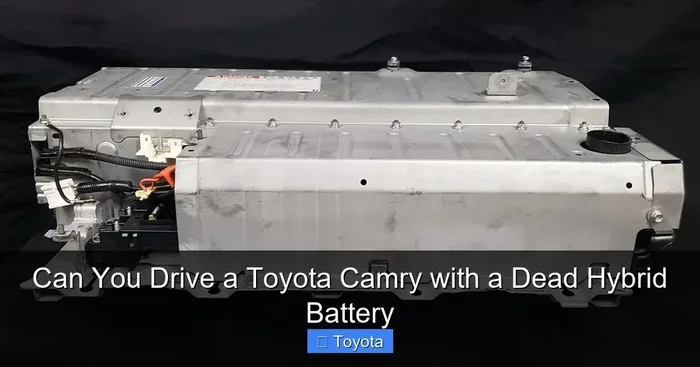
Toyota’s hybrid system is proven and durable. The battery packs in modern Toyota hybrids are designed to last the lifetime of the vehicle. Many owners report 150,000-200,000 miles on the original hybrid battery with no issues. This longevity means buyers do not have to worry about expensive battery replacements, which keeps resale confidence high.
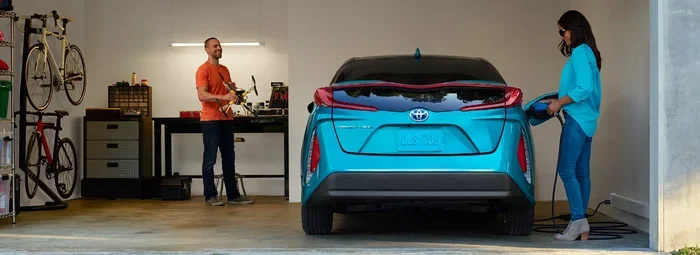
You might wonder whether can a hybrid run without gas affects the car’s long-term value. The answer is that the Corolla Hybrid still requires gasoline to operate. It cannot run on electric power alone for extended distances. However, the hybrid system optimizes fuel usage, which means lower operating costs and stronger appeal to used car buyers.
Hybrid vs. Gas-Only: Which Holds Value Better?
Generally, the hybrid version retains value slightly better than the gas-only model. The premium buyers are willing to pay for fuel savings usually exceeds the additional depreciation of the hybrid system. Over five years, the gap between hybrid and gas Corolla resale values narrows but the hybrid typically stays ahead.
However, location matters. In areas with high gas prices or strong eco-friendly incentives, hybrid Corollas command an even higher premium in the used market. In areas where fuel is cheap, the gap may be smaller.
Should You Buy a Used Toyota Corolla for Its Resale?
Buying a used Corolla is one of the smartest moves for value-conscious car shoppers. Since the vehicle depreciates the most in its first few years, purchasing a two- to three-year-old model lets you avoid the steepest drop in value.
A used Corolla also means the previous owner absorbed the initial depreciation hit. You get a reliable, well-proven vehicle at a significant discount compared to new. And when you eventually sell, the Toyota Corolla resale value works in your favor again.
What to Look for When Buying Used
- Check the full service history and maintenance records.
- Look for signs of accidents or frame damage.
- Test drive the car to listen for unusual noises.
- Verify the mileage aligns with the car’s age.
- Inspect the interior and exterior for wear and damage.
- Run a vehicle history report using the VIN.
One important consideration is the title status. If you are buying from a private seller, make sure the title is clear and free of liens. If you ever plan to sell, understanding how to sell a car without a title or how to handle a lien is important knowledge for any car owner.
The Certified Pre-Owned Advantage
Consider buying a certified pre-owned (CPO) Corolla from a Toyota dealer. CPO vehicles undergo thorough inspections and come with extended warranties. They also tend to have better resale value because buyers trust the certification process. The peace of mind that comes with a CPO warranty can justify a slightly higher purchase price.
Final Verdict: Does the Toyota Corolla Have a High Resale Value?
The answer is a clear yes. The Toyota Corolla resale value is strong, consistent, and competitive. Few compact sedans match the Corolla’s combination of reliability, low ownership costs, and lasting market demand.
Whether you buy new or used, gas or hybrid, the Corolla delivers value that lasts. The car depreciates slowly, holds its appeal across generations of buyers, and costs less to maintain than most competitors. These factors combine to make the Corolla one of the best choices for anyone who cares about long-term value.
If you are planning to sell your Corolla in the future, keeping it well-maintained and protecting its condition will pay off at resale. And if you are shopping for a used car, the Corolla offers some of the best value available in the compact sedan segment.
The bottom line is simple. When it comes to holding value, the Toyota Corolla continues to prove itself year after year. It is not just a practical car. It is a smart financial choice.
Frequently Asked Questions
Does the Toyota Corolla have a good resale value compared to other sedans?
Yes, the Corolla consistently ranks among the top compact sedans for resale value. It holds roughly 50-60% of its original value after five years, which is better than most competitors like the Hyundai Elantra and Nissan Sentra. The Honda Civic is its closest rival, but the Corolla usually edges ahead in long-term retention.
How much does a Toyota Corolla depreciate in the first year?
A new Toyota Corolla typically loses 15-20% of its value in the first year. This is standard for most non-luxury vehicles. The depreciation rate slows down significantly in years two through five, which is good news for owners who plan to sell or trade in their car.
Is the Toyota Corolla Hybrid worth the extra money for resale?
For many buyers, yes. The Corolla Hybrid holds its value slightly better than the gas-only version. The growing demand for fuel-efficient vehicles means hybrid models often attract more buyers in the used market. Over time, the fuel savings and stronger resale value can offset the higher upfront cost.
What is the best way to maintain a Corolla’s resale value?
Follow the recommended maintenance schedule, keep detailed service records, protect the exterior with regular washing and waxing or a quality vinyl wrap, and address mechanical issues promptly. Keeping mileage reasonable and maintaining a clean interior also make a big difference when it is time to sell.
Can I sell my Toyota Corolla without a title?
Selling a car without a title is possible in some situations, but it adds complexity to the process. Most buyers and dealerships require a clear title to complete a sale. If you need to sell your car without a title, check your state’s specific regulations and be prepared to provide alternative documentation.
How does the Corolla’s resale value compare to the Honda Civic?
The Toyota Corolla and Honda Civic are very close in resale value, with the Corolla typically edging ahead by a small margin. Both vehicles are known for reliability and strong market demand. The difference usually comes down to specific model year, trim level, and condition of the individual vehicle.