Are CNG Cars Safe Discover the Truth About CNG Safety
Are CNG cars safe? The short answer is yes. CNG vehicles undergo strict safety testing and feature built-in protections that make them a reliable choice for everyday driving. CNG safety standards are regulated by government agencies and industry organizations worldwide. This guide breaks down everything you need to know about compressed natural gas vehicle safety, from fuel tanks to refueling practices.
Are CNG cars safe? If you have been thinking about switching to a natural gas vehicle, this is probably the first question on your mind. The truth is that CNG safety has improved dramatically over the past two decades. Today’s compressed natural gas vehicles are built with advanced safety features that protect drivers, passengers, and the environment.
More people are choosing CNG vehicles every year. They want to save money on fuel and reduce their carbon footprint. But safety always comes first. This guide will walk you through everything you need to know about are CNG cars safe. We will cover how they work, what risks exist, and how to keep your vehicle running safely.
The good news is that CNG cars have a strong safety record. Governments and auto manufacturers have invested heavily in making natural gas safety a top priority. From the CNG tank design to the fuel system, every part of a CNG vehicle is built with protection in mind.
Key Takeaways
- CNG cars are safe: They meet rigorous safety standards and have built-in leak detection and shut-off systems.
- CNG tanks are stronger than gasoline tanks: They are designed to withstand high pressure and impact.
- Proper maintenance is key: Regular inspections of the CNG fuel system prevent most safety issues.
- CNG has lower emissions: This makes it a cleaner alternative to traditional gasoline vehicles.
- Refueling is safe when done correctly: Following proper procedures eliminates most risks at the pump.
- CNG conversions need professional installation: DIY setups can compromise safety and void warranties.
- Knowledge is your best safety tool: Understanding how your CNG vehicle works keeps you and your family safe.
📑 Table of Contents
- What Is a CNG Car and How Does It Work?
- Are CNG Cars Safe? Understanding the Risks and Protections
- CNG Fuel System Safety: Tanks, Leaks, and Refueling
- CNG vs Gasoline: Safety Comparison
- Common CNG Safety Mistakes and How to Avoid Them
- Expert Tips for Keeping Your CNG Car Safe
- The Environmental and Safety Benefits of CNG Vehicles
- Conclusion
What Is a CNG Car and How Does It Work?
A CNG car runs on compressed natural gas instead of gasoline or diesel. The gas is stored in a high-pressure tank, usually at 3,600 pounds per square inch. When you press the accelerator, the CNG fuel system delivers the gas to the engine just like gasoline would.
CNG vehicles can be either dedicated or dual-fuel. A dedicated CNG car runs only on natural gas. A dual-fuel vehicle can switch between gasoline and CNG fuel. Both types are safe and widely used around the world.
How the CNG Fuel System Works
The CNG fuel system has several key parts. The storage tank holds the compressed gas. Pressure regulators reduce the gas pressure before it enters the engine. Fuel injectors deliver the gas into the combustion chamber. Each component is tested rigorously before the vehicle reaches the market.
Modern CNG engines are designed with safety in mind. They have automatic shut-off valves that activate if pressure drops too low or rises too high. This prevents fuel leaks and engine damage. The CNG tank is also equipped with pressure relief devices that release gas safely in extreme conditions.
Types of CNG Vehicles
There are three main types of CNG vehicles on the road today:
- Dedicated CNG vehicles: These run entirely on compressed natural gas. They have no gasoline tank and produce very low emissions.
- Bi-fuel vehicles: These can run on either gasoline or CNG. A switch lets you choose which fuel to use.
- Dual-fuel vehicles: These use both fuels at the same time. They are common in heavy-duty trucks and commercial vehicles.
All three types follow the same CNG safety standards. The differences are mainly in how the fuel is used, not in how safe the vehicle is.
Are CNG Cars Safe? Understanding the Risks and Protections
The question are CNG cars safe comes up often, and for good reason. Any vehicle that runs on fuel carries some risk. But CNG vehicles are engineered to minimize those risks at every level.
Compressed natural gas is a clean-burning fuel. It is lighter than air, which means it disperses quickly if there is a leak. This is a big advantage over gasoline, which pools on the ground and creates a fire hazard. Natural gas safety experts agree that CNG is one of the safest fuel options available today.
Built-In Safety Features
CNG cars come with multiple layers of protection. Here are the most important safety features:
- High-strength tanks: CNG tanks are made from thick, reinforced steel or carbon fiber. They are designed to survive crashes and impacts.
- Automatic shut-off valves: These close instantly if the engine stalls or if a leak is detected.
- Pressure relief valves: These release excess pressure safely if the tank gets too hot.
- Leak detection sensors: These alert the driver if gas is escaping from the system.
- One-way check valves: These prevent gas from flowing backward into the system.
These features work together to make CNG vehicle safety a top priority. The tanks alone are a major reason why are CNG cars safe is a question with a confident yes.
Crash Test Performance
CNG vehicles undergo the same crash tests as gasoline cars. In many cases, they perform just as well or better. The CNG tank is usually mounted in the center of the vehicle, away from crumple zones. This reduces the risk of damage during a collision.
Manufacturers also test tanks at pressures far beyond normal operating levels. A typical CNG tank can handle pressures up to 2.25 times its maximum working pressure before failing. This gives drivers and passengers a huge margin of safety.
Fire Safety and CNG
One of the biggest concerns people have is fire risk. So, are CNG cars safe when it comes to fire? The answer is yes. Compressed natural gas has a very narrow flammability range. This means it is much harder to ignite than gasoline vapor.
Gasoline ignites at temperatures as low as 250 degrees Celsius. CNG, on the other hand, requires temperatures above 540 degrees Celsius to ignite. This makes CNG engines much less likely to catch fire in an accident.
Additionally, CNG gas dissipates quickly into the air because it is lighter than air. Gasoline fumes, by contrast, hang low and pool near the ground. This makes gasoline vehicles more prone to fire explosions in certain situations.
CNG Fuel System Safety: Tanks, Leaks, and Refueling
The CNG fuel system is the heart of any CNG car. Understanding how it works and how to maintain it is essential for staying safe on the road.
CNG Tank Design and Durability
CNG tanks are built to last. Most are rated for a service life of 15 to 20 years. They are made from materials that resist corrosion, impact, and extreme temperatures. The two main types of CNG tanks are Type III (steel with carbon fiber wrapping) and Type IV (fully composite).
Both types pass strict safety tests. They are dropped, punctured, heated, and exposed to extreme pressure during testing. Only tanks that pass all tests are approved for use in CNG vehicles.
Preventing and Detecting CNG Leaks
CNG leak detection is a critical part of CNG car safety. Modern vehicles have sensors that can detect even small amounts of gas in the cabin. If a leak is detected, the system alerts the driver immediately.
Here are some tips to prevent leaks in your CNG fuel system:
- Have your CNG fuel system inspected every 12 months or 12,000 miles.
- Check all fittings and connections for wear or damage regularly.
- Never ignore a hissing sound near the tank or fuel lines.
- Use only certified CNG refueling equipment and stations.
- Replace worn seals and hoses as part of regular CNG vehicle maintenance.
Quick Tip: If you smell gas while driving, pull over safely and turn off the engine. Open the windows and exit the vehicle. Do not use your phone inside the car. Call for help from a safe distance.
Safe Refueling Practices
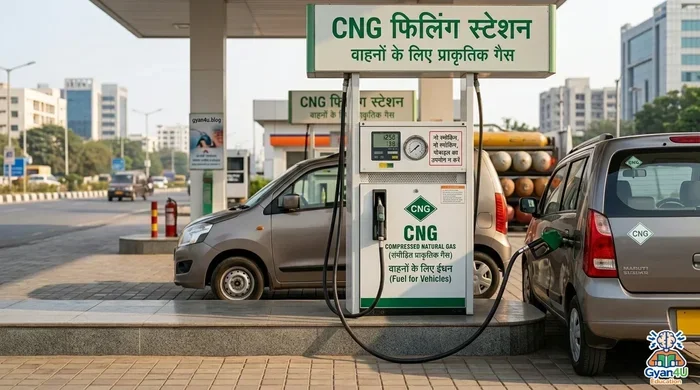
CNG refueling is a straightforward process, but it is important to follow safety steps every time. Here is what you should do:
- Turn off the engine before refueling.
- Make sure no one is in the vehicle during refueling.
- Do not use your phone at the refueling station.
- Follow the instructions on the pump and pay attention to the nozzle.
- Do not overfill the tank. Leave a small margin of space.
- After refueling, check all connections and fittings for leaks.
Following these simple steps makes CNG refueling one of the safest parts of owning a natural gas vehicle. Most refueling stations also have automatic shut-off systems that prevent overfilling.
CNG vs Gasoline: Safety Comparison
When people ask are CNG cars safe, they often want to compare them to gasoline vehicles. Let us look at the key differences.
| Safety Factor | CNG Vehicles | Gasoline Vehicles |
|---|---|---|
| Fuel Flammability | Low (high ignition temperature) | High (low ignition temperature) |
| Tank Strength | Very high (reinforced composite) | Moderate (standard steel) |
| Leak Behavior | Gas rises and disperses quickly | Fuel pools and spreads |
| Fire Risk in Accidents | Lower | Higher |
| Emissions | Lower (fewer toxic fumes) | Higher (more pollutants) |
| Crash Test Performance | Comparable or better | Standard |
| Fuel System Complexity | More components to inspect | Simpler system |
As you can see, CNG vehicles have several safety advantages over gasoline cars. The fuel itself is less flammable, the tanks are stronger, and leaks disperse quickly. However, CNG fuel systems do require more frequent inspections because they have more components.
Expert Insight: According to the International Association for Natural Gas Vehicles, CNG vehicles have a lower fire-related accident rate than gasoline vehicles. This is one of the strongest pieces of evidence that are CNG cars safe is a question with a clear answer.
Common CNG Safety Mistakes and How to Avoid Them
Even the safest CNG car can become a risk if the owner does not follow proper practices. Here are the most common mistakes and how to avoid them.
Mistake 1: Skipping Regular Inspections
The CNG fuel system needs regular check-ups just like any other part of your vehicle. Skipping inspections can lead to worn hoses, loose fittings, and undetected leaks. Make it a habit to have your CNG vehicle maintenance done on schedule.
Mistake 2: Using Uncertified Fuel Stations
Not all refueling stations are created equal. Some older stations may not maintain their equipment properly. Always use certified CNG refueling stations that follow safety standards. Look for stations with recent inspection certificates.
Mistake 3: Ignoring Warning Signs
Your vehicle will tell you if something is wrong. Unusual smells, hissing sounds, or dashboard warning lights should never be ignored. These are early warning signs of potential CNG fuel system problems.
Mistake 4: DIY CNG Conversions
Converting a gasoline car to run on CNG is not a DIY project. Improper installation can lead to leaks, engine damage, and serious safety hazards. Always use certified professionals for CNG conversion work. A professional installation ensures that every component is properly fitted and tested.
Common Mistakes to Avoid:
- Never modify the CNG tank or fuel lines yourself.
- Do not park near open flames or heat sources for long periods.
- Do not ignore the smell of gas, even if it is faint.
- Do not exceed the recommended refueling pressure.
- Do not skip annual safety inspections.
Expert Tips for Keeping Your CNG Car Safe
Keeping your CNG vehicle safe is not complicated. It comes down to a few simple habits and regular maintenance. Here are expert tips that every CNG car owner should follow.
1. Follow the Manufacturer’s Maintenance Schedule
Your CNG car manual has a maintenance schedule for a reason. Follow it closely. This includes checking the CNG fuel system, inspecting the tank, and testing all safety valves.
2. Keep Your Tank Clean and Dry
Moisture can cause corrosion inside the CNG tank over time. Make sure your tank is kept dry and free from debris. This is especially important in humid or coastal climates.
3. Drive Defensively
Safe driving habits protect your CNG fuel system as much as they protect you. Avoid sudden stops, sharp turns, and rough roads when possible. These can put stress on the tank and fuel lines.
4. Store Vehicles Properly
If you store your CNG vehicle for long periods, make sure the tank is filled to no more than 80% capacity. This allows for thermal expansion and reduces pressure buildup. Store the vehicle in a well-ventilated area away from direct sunlight.
5. Educate Everyone in Your Household
Make sure everyone who drives your CNG car knows how the CNG fuel system works. They should know where the emergency shut-off is located and how to use it. This simple step can make a big difference in an emergency.
Quick Tip: Keep a fire extinguisher rated for chemical fires in your vehicle at all times. This is good practice for any car, but it is especially important for CNG vehicles.
The Environmental and Safety Benefits of CNG Vehicles
Beyond personal safety, CNG cars offer important environmental benefits that make them a smart choice for the whole community.
CNG emissions are significantly lower than gasoline emissions. CNG vehicles produce fewer hydrocarbons, nitrogen oxides, and particulate matter. They also emit less carbon dioxide, which helps reduce the overall impact of transportation on the environment.
CNG fuel efficiency has improved a lot in recent years. Modern CNG engines deliver comparable performance to gasoline engines while using a cleaner fuel. This means you do not have to sacrifice power or driving experience to go with natural gas safety.
The CNG cost savings are also worth mentioning. CNG is typically 30 to 50 percent cheaper than gasoline. This makes CNG vehicles an attractive option for budget-conscious drivers who still want a safe and reliable car.
CNG vehicle performance has also improved dramatically. Early CNG cars were sometimes criticized for reduced power. Today’s CNG engines deliver smooth, responsive performance that rivals gasoline engines. This means safety and performance go hand in hand.
The natural gas safety record of CNG vehicles speaks for itself. Millions of CNG cars are on the road worldwide, and they have a proven track record of safe, reliable operation. From taxis in Delhi to buses in Los Angeles, CNG vehicles are trusted by professionals and families alike.
Expert Insight: The National Fire Protection Association has stated that CNG vehicles meet or exceed all relevant safety standards. Their studies show that the risk of fire or explosion in a CNG car is actually lower than in a comparable gasoline vehicle.
Conclusion
The answer to the question are CNG cars safe is a resounding yes. CNG vehicles are built with advanced safety features, undergo rigorous testing, and have a proven track record of safe operation. From the CNG tank design to the fuel system components, every part of a CNG car is engineered with protection in mind.
Understanding compressed natural gas safety is the first step toward confident ownership. By following proper maintenance schedules, using certified refueling stations, and staying alert to warning signs, you can enjoy all the benefits of a CNG vehicle without worry.
CNG cars offer a safe, clean, and cost-effective alternative to gasoline vehicles. Whether you are considering a new purchase or a CNG conversion, the safety record of CNG vehicles gives you every reason to feel confident. Apply the tips in this guide, stay informed, and enjoy a safer, cleaner driving experience.
The truth about CNG safety is clear. CNG cars are safe, they are smart, and they are here to stay. Make the switch today and drive with confidence knowing your vehicle meets the highest safety standards.
Frequently Asked Questions
Are CNG cars safe in accidents?
Yes, CNG cars are safe in accidents. The CNG tanks are made from high-strength materials and undergo rigorous crash testing. They are designed to withstand impacts and extreme pressure without rupturing. In fact, CNG vehicles often have a lower fire risk after a collision compared to gasoline cars.
Can a CNG tank explode?
The chances of a CNG tank exploding are extremely low. The tanks are built with multiple safety layers, including pressure relief valves and automatic shut-off systems. CNG gas is also lighter than air, so it disperses quickly rather than pooling and creating an explosion risk.
Is CNG fuel safe for the environment?
Yes, CNG fuel is much cleaner than gasoline. CNG emissions include fewer harmful pollutants and lower carbon dioxide output. This makes CNG vehicles a better choice for both personal safety and environmental health.
How often should I inspect my CNG fuel system?
You should have your CNG fuel system inspected at least once a year or every 12,000 miles. Regular inspections help detect leaks, worn hoses, and other issues before they become serious safety concerns. Following the manufacturer’s CNG vehicle maintenance schedule is essential.
Are CNG conversions safe if done by professionals?
Yes, professional CNG conversions are safe and reliable. Certified technicians follow strict safety guidelines and use approved components. This ensures that the CNG fuel system is properly installed and meets all safety standards. Always choose a certified professional for any conversion work.
What should I do if I smell gas in my CNG car?
If you smell gas, pull over safely and turn off the engine. Open the windows and exit the vehicle immediately. Do not use your phone or any electrical devices inside the car. Call for help from a safe distance and have your vehicle towed to a certified service center.
=== CONCLUSION ===
Are CNG cars safe? The evidence is clear and compelling. CNG vehicles are among the safest fuel options on the road today. They feature reinforced tanks, advanced leak detection, automatic shut-off systems, and a clean-burning fuel that is harder to ignite than gasoline. From CNG tank design to CNG refueling practices, every aspect of the CNG fuel system is built with safety as the top priority.
By following the maintenance tips and safety practices outlined in this guide, you can enjoy all the benefits of a CNG car with complete confidence. The combination of CNG safety features, environmental benefits, and cost savings makes compressed natural gas vehicles a smart choice for anyone looking to make the switch.
Remember, knowledge is your greatest safety tool. Stay informed, stay alert, and drive safely. Your CNG vehicle is built to protect you, and with proper care, it will do exactly that for years to come.