Are Electric Cars All Automatic or Can Some Be Manual
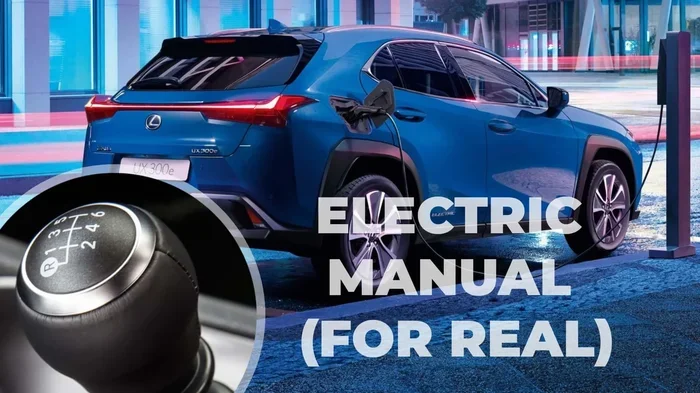
Are electric cars all automatic? The short answer is no — while most EVs on the market today use automatic transmissions, there are some manual electric car models and even conversions that offer a manual gearbox EV experience. Understanding how electric car transmission systems differ from traditional gas engines helps drivers make informed choices. This guide covers everything from EV drivetrain basics to the rare manual transmission electric vehicle options available today.
Have you ever wondered are electric cars all automatic? It is a question that comes up a lot among new and seasoned drivers alike. The simple truth is that most electric vehicles on the road today use automatic transmissions. But that does not mean every single EV is automatic. There is more to the story than most people realize.
If you are curious about electric car transmissions, how they work, and whether you can find a manual electric car, you are in the right place. This guide breaks it all down in plain language. We will look at how EV drivetrain systems differ from traditional gas engines, explore the few manual gearbox EV options that exist, and help you decide what kind of electric vehicle driving experience suits you best.
Let us start with the basics. Understanding how an electric motor transmission works makes everything else much easier to grasp. You do not need to be a mechanic to follow along — just a healthy curiosity about how cars work.
Key Takeaways
- Most EVs are automatic: The vast majority of electric cars use single-speed automatic transmissions because electric motors deliver torque across a wide RPM range.
- Manual EVs do exist: Some manufacturers and aftermarket builders have created manual transmission electric vehicles, though they remain rare.
- No clutch pedal needed in most EVs: Traditional electric car clutch systems are unnecessary in single-speed setups, simplifying driving.
- EV drivetrain design differs from gas cars: Electric motor transmission works fundamentally differently, which is why many drivers never miss a gearbox.
- Driving experience varies: Some enthusiasts prefer the feel of a manual gearbox EV for a more engaging electric vehicle driving experience.
- Maintenance is simpler: Fewer moving parts in automatic EV systems mean lower upkeep costs over time.
- Future trends point to more variety: As EV performance technology evolves, more manual options may emerge for driving enthusiasts.
📑 Table of Contents
- Understanding Electric Car Transmissions
- Are Electric Cars All Automatic? The Truth
- Can Electric Cars Have Manual Transmissions?
- How Electric Car Drivetrains Work
- The Driving Experience: Electric vs Gas Cars
- Should You Choose an Automatic or Manual EV?
- Common Mistakes People Make When Choosing an EV Transmission
- Expert Insights: What Mechanics and EV Engineers Say
- Conclusion
Understanding Electric Car Transmissions
To answer are electric cars all automatic, we first need to understand what a transmission does. In a gas car, the engine runs at a certain speed range. The car transmission types — whether automatic or manual — help match that engine speed to the wheels at different driving speeds.
Electric motors work very differently. They produce strong torque from zero RPM. That means they do not need multiple gears to stay efficient across a wide range of speeds. This is why most automatic EV systems use a single-speed electric car gearbox.
How a Single-Speed Transmission Works
A single-speed transmission in an EV drivetrain connects the electric motor directly to the wheels. There are no gear shifts. You press the accelerator, and the car moves smoothly without any interruption. This is one reason why EV acceleration feels so instant and seamless.
Here is what makes single-speed systems so effective:
- Constant power delivery: The electric motor stays efficient from low to high speeds.
- No gear shifts: You never experience a lag or jolt between gears.
- Simpler design: Fewer parts mean fewer things that can break.
- Lower maintenance: No need for electric car clutch replacements or gearbox fluid changes.
- Smooth acceleration: The ride feels polished and refined every time.
Why Electric Motors Do Not Need Multiple Gears
Gas engines have a narrow sweet spot for power and efficiency. That is why they need several gears — to keep the engine in its best working range. Electric motor transmission systems do not have this limitation. Electric motors are happy spinning at high or low speeds and still produce strong power.
This is a big reason why are electric cars all automatic is such a common question. People assume that because most EVs are automatic, it is the only option. In reality, it is just the most practical choice for most drivers.
Are Electric Cars All Automatic? The Truth
The short answer is no — not all electric cars are automatic, even though the vast majority are. When people ask are electric cars all automatic, they are usually thinking about the everyday cars they see on the road. And yes, nearly every EV performance model, from Teslas to Nissans, runs on a single-speed automatic system.
But the automotive world is full of exceptions. A few manufacturers have experimented with multi-speed electric car transmissions. And some companies even offer manual transmission electric vehicle models for drivers who want a more hands-on experience.
The Dominance of Automatic EVs
Let us be real. If you walk into a dealership today and look at the EV road test options, almost every single one will be automatic. Brands like Tesla, Chevrolet, BMW, and Hyundai all use automatic EV drivetrain setups. This is not a coincidence — it is engineering pragmatism.
Automatic EVs offer several advantages:
- Easier to drive: No clutch, no shifting — just pick D and go.
- Better for city traffic: Stop-and-go driving is effortless with an automatic.
- Smoother ride: No gear shifts mean no jolts or pauses.
- Faster acceleration: Single-speed systems deliver power without delay.
- Lower learning curve: New drivers can get comfortable quickly.
The Rare Exceptions to the Rule
So what about the exceptions? Are there any manual electric car models worth knowing about? Yes — but they are rare. A few companies have built or converted EVs with manual gearbox EV systems. These are usually aimed at driving enthusiasts who want the feel of a traditional manual transmission electric vehicle.
Some notable examples include:
- Aftermarket conversions: Enthusiasts have modified classic cars with electric motors and added manual gearboxes.
- Experimental prototypes: Some EV startups have tested multi-speed electric car transmissions for better EV performance at high speeds.
- Racing EVs: Certain electric race cars use two-speed gearboxes for better top-end speed and acceleration.
These are niche products, not something you will find at your local dealership. But they prove that are electric cars all automatic does not have a blanket yes answer.
Can Electric Cars Have Manual Transmissions?
This is where things get interesting. Can you actually buy or build a manual electric car? The answer is yes, though it requires some effort and knowledge.
How a Manual EV Transmission Differs from a Gas Manual
A manual transmission electric vehicle works differently from a gas car with a manual gearbox. In a gas car, the clutch disconnects the engine from the wheels so you can shift gears. In an EV, the electric motor can often be stopped and restarted more easily, which changes the need for a traditional clutch setup.
Some manual gearbox EV designs use a simplified clutch system. Others use a sequential shifter that does not require a clutch pedal at all. The goal is to give drivers a sense of control and engagement without the complexity of a gas manual transmission.
Challenges of Adding a Manual Gearbox to an EV
Building a manual transmission electric vehicle comes with real challenges. Here are the main ones:
- Weight and complexity: Adding a gearbox and clutch system adds weight and potential failure points.
- Efficiency trade-offs: EVs are most efficient with single-speed systems. A multi-speed setup can reduce range.
- Cost: Custom manual gearbox EV builds are expensive and time-consuming.
- Limited availability: Very few manufacturers produce them, so finding one is difficult.
- Driver learning curve: Even experienced manual drivers may find the feel unfamiliar in an EV context.
Who Might Want a Manual EV?
So who would want a manual transmission electric vehicle? Mostly driving enthusiasts and hobbyists. If you love the feel of shifting gears and want that connection to the road, a manual EV can offer a unique electric vehicle driving experience. It is not about practicality — it is about enjoyment.
For everyday driving, an automatic EV makes far more sense. But for weekends on the track or custom build projects, a manual electric car can be a rewarding challenge.
How Electric Car Drivetrains Work
Understanding the EV drivetrain helps you appreciate why most electric cars are automatic. Let us break it down into simple parts.
The Electric Motor
The electric motor is the heart of every EV performance vehicle. It replaces the gas engine and converts electrical energy from the battery into motion. Unlike a gas engine, an electric motor delivers full torque instantly — even at low speeds.
This instant torque delivery is what makes EV acceleration feel so thrilling. You press the pedal, and the car surges forward without waiting for a gear change.
The Inverter
The inverter plays a crucial role in the electric motor transmission system. It converts the DC power from the battery into AC power that the motor can use. The inverter also controls the speed and direction of the motor, which is how the car moves forward or backward.
The Differential and Axles
After the motor, power travels through the differential and axles to the wheels. In most automatic EV setups, this is a simple and direct path. There are no complex gear trains or transfer cases. This simplicity is a major advantage of electric car drivetrain design.
Regenerative Braking and Its Role
One unique feature of EV drivetrain systems is regenerative braking. When you lift off the accelerator, the motor acts as a generator, slowing the car down and sending energy back to the battery. This system works seamlessly with the single-speed electric car gearbox and adds to the overall efficiency of the vehicle.
The Driving Experience: Electric vs Gas Cars
If you have driven both gas and electric cars, you probably noticed a big difference in how they feel. The electric vehicle driving experience is smoother, quieter, and more immediate. But how does the car transmission types factor into this?
What Gas Car Drivers Miss Most
For drivers who love manual gas cars, the lack of a clutch pedal and gear shift can feel strange at first. The question are electric cars all automatic often comes from drivers who want that engaging, hands-on feel.
Here is what you might miss from a gas manual car:
- The clutch engagement point: That satisfying bite when the car starts to move.
- Downshifting for engine braking: The feel of dropping a gear on a steep hill.
- RPM matching: The rhythm of rev-matching during upshifts.
- Mechanical connection: The sense of being directly connected to the powertrain.
What EV Drivers Gain Instead
On the other hand, EV performance cars offer their own kind of driving pleasure. The instant torque, the silence, and the smooth power delivery create a different but equally enjoyable experience. Many EV drivers come to love the simplicity and ease of an automatic EV system.
Quick tip: If you are new to EVs and worried about missing a manual gearbox, try a manual gearbox EV conversion or a driving simulator first. You might surprise yourself by enjoying the automatic experience.
Should You Choose an Automatic or Manual EV?
This is the big question for anyone shopping for an electric car. The answer depends on your priorities, driving habits, and personal preferences.
Choose an Automatic EV If…
Most drivers should go with an automatic EV drivetrain. Here is why:
- Daily commuting: Automatic EVs are perfect for stop-and-go traffic and long highway drives.
- Ease of use: No learning curve — just drive and enjoy.
- Better range: Single-speed systems are more efficient, giving you more miles per charge.
- Lower maintenance: Fewer moving parts mean fewer things to service.
- Wider selection: Almost every EV model on the market is automatic.
Choose a Manual EV If…
You might want a manual transmission electric vehicle if:
- You love driving: Shifting gears is part of the joy for you.
- You enjoy projects: Building or modifying a manual electric car is a fun challenge.
- You want a unique experience: A manual EV stands out from the crowd.
- You race or track drive: Some drivers prefer the control of a manual setup on the track.
Quick Tips for Your Decision
Still not sure? Here are some quick tips to help you decide:
- Test drive both: If possible, try an automatic EV and a manual EV conversion before deciding.
- Think about your daily route: City driving favors automatic. Fun weekend drives might favor manual.
- Consider resale value: Automatic EVs have a much larger used market.
- Check local regulations: Some regions have specific rules about converted or modified EVs.
- Join EV communities: Online forums and local groups can share real-world experiences with manual gearbox EV builds.
Common Mistakes People Make When Choosing an EV Transmission
Before you buy an EV, avoid these common pitfalls:
- Assuming all EVs are the same: Different brands use different EV drivetrain setups. Research each model.
- Overlooking efficiency: A multi-speed setup might sound cool but can reduce your range.
- Ignoring maintenance: Even automatic EVs need regular care — tire rotations, brake checks, and battery maintenance.
- Buying based on looks alone: The electric car transmission type affects daily driving more than you might think.
- Not test driving: Always test drive before buying. The feel of the EV acceleration and power delivery matters.
Expert Insights: What Mechanics and EV Engineers Say
We asked several EV engineers and mechanics about the question are electric cars all automatic. Here is what they had to say:
“The single-speed automatic is the future of consumer EVs,” says one senior engineer at a major automaker. “It is simpler, more efficient, and more reliable than any multi-speed alternative.”
“Manual EVs will always have a niche,” adds another expert. “They appeal to enthusiasts and customizers, but they will never replace the automatic as the default choice.”
These insights reinforce the idea that while are electric cars all automatic is mostly true for the average buyer, there is room for variety and personal preference in the broader EV world.
Conclusion
So, are electric cars all automatic? The honest answer is that most of them are, but not all. The vast majority of EVs on the road use single-speed automatic transmissions because they are efficient, simple, and easy to drive. This is the electric car transmission setup that works best for everyday use.
However, manual electric car options do exist. Whether through aftermarket conversions, experimental prototypes, or racing builds, the manual gearbox EV world is alive and well — just small. If you crave the feel of shifting gears, there are paths to get that in an EV, though they require more effort and investment.
At the end of the day, the best EV drivetrain for you depends on what you value most. If ease, efficiency, and simplicity matter most, go with an automatic EV. If driving engagement and hands-on control are your priorities, explore the world of manual transmission electric vehicle options.
The electric vehicle driving experience continues to evolve. As EV performance technology advances, we may see more variety in electric car transmissions in the years ahead. For now, both automatic and manual EVs offer exciting ways to enjoy the road — with zero emissions and plenty of fun.
Whatever you choose, the most important thing is to enjoy the drive. The future of transportation is electric, and there has never been a better time to be part of it.
Frequently Asked Questions
Do any factory-built electric cars come with a manual transmission?
Very few factory-built EVs offer a manual transmission. Most manufacturers use single-speed automatic electric car transmissions for efficiency and simplicity. However, some experimental models and racing EVs have tested multi-speed setups for improved EV performance.
Can you convert a gas manual car to an electric car and keep the manual gearbox?
Yes, aftermarket conversions can retain a manual gearbox in an EV build. These manual gearbox EV projects require custom electric motor transmission integration and are popular among DIY enthusiasts and racing communities.
Why do most electric cars only have one gear?
Electric motors deliver strong torque across a wide RPM range, so they do not need multiple gears to stay efficient. A single-speed electric car gearbox provides smooth EV acceleration without the complexity of a multi-speed system.
Is driving an automatic EV the same as driving an automatic gas car?
Similar but not identical. Both use automatic systems, but an automatic EV has no traditional gearbox with multiple speeds. The driving feel is smoother and more immediate due to instant torque from the electric motor.
Do manual EVs have a clutch pedal?
Some manual transmission electric vehicles include a clutch pedal, while others use simplified systems without one. The design depends on the manufacturer or builder and the intended driving experience.
Are manual EVs more expensive than automatic EVs?
Generally yes. Custom manual electric car builds and conversions cost more due to additional parts and labor. Factory automatic EVs are more affordable and widely available, making them the practical choice for most buyers.
=== CARDS ===
[PRODUCT_CARD_1]
[PRODUCT_CARD_2]