What Breaks on High Mileage Cars and How to Fix Them
High mileage cars face specific wear and tear that every owner should understand. Knowing what breaks on high mileage cars helps you avoid costly repairs and keep your vehicle reliable. From engine components to suspension parts, this guide covers the most common failures and practical fixes. We also share maintenance tips that extend your car’s life and save you money.
You love your car. It has carried you through years of commutes, road trips, and daily errands. But now the odometer keeps climbing, and you start to wonder what breaks on high mileage cars. The truth is, every vehicle reaches a point where parts start wearing out faster than before.
Understanding what breaks on high mileage cars gives you a huge advantage. You can catch problems early, plan repairs, and avoid surprise breakdowns. This guide walks you through the most common failures and shows you exactly how to fix them. Whether your car has 100,000 miles or 200,000 miles, the information here will help you stay ahead of costly repairs.
Let us be honest. High mileage means more wear. But it does not mean the end of the road for your vehicle. With the right knowledge and a solid maintenance routine, your car can keep running reliably for years to come. Let us dive into what breaks and how you can fix it.
Key Takeaways
- Timing belts and chains fail over time: Replacing them on schedule prevents catastrophic engine damage.
- Transmission fluid degrades with age: Regular fluid changes keep your gearbox shifting smoothly for miles to come.
- Suspension components wear out gradually: Shocks, struts, and bushings cause rough rides and unsafe handling when they fail.
- Oil leaks become more common: Aging gaskets and seals are the main culprits behind most high-mileage oil leaks.
- Brake systems need extra attention: Rotors warp and calipers seize on cars with high mileage, so inspect them often.
- Water pumps and thermostats fail unpredictably: Cooling system failures can cause expensive engine overheating damage.
- Preventive maintenance saves thousands: Staying on top of fluid changes and inspections keeps high mileage cars running strong.
📑 Table of Contents
- Engine Problems That Common on High Mileage Cars
- Transmission Issues on High Mileage Vehicles
- Suspension and Steering Components Wear Out
- Brake System Failures on Aging Vehicles
- Cooling System Problems That Cause Overheating
- Electrical and Exhaust System Wear
- Preventive Maintenance That Keeps High Mileage Cars Running
- Common Mistakes Owners Make with High Mileage Cars
Engine Problems That Common on High Mileage Cars
The engine is the heart of your vehicle. Over time, internal components wear down from thousands of hours of use. Understanding these issues helps you spot problems early and avoid expensive repairs.
Oil Leaks from Worn Gaskets
Oil leaks top the list of what breaks on high mileage cars. As your engine ages, gaskets and seals dry out and crack. The valve cover gasket, oil pan gasket, and rear main seal are the most common leak points.
You might notice dark spots under your car in the morning. Or you may see oil warning lights flickering on your dashboard. Small leaks seem minor, but they can lead to low oil levels. Low oil causes engine wear, which leads to bigger problems.
Fixing oil leaks starts with finding the source. Check your oil pan, valve cover, and oil filter housing first. For minor leaks, a quality sealant can help. But for major gasket failures, you need to replace the gasket. This repair costs between 300 and 1,200 depending on which gasket is leaking. Regular oil changes keep gaskets healthier for longer.
Timing Belt and Chain Failure
The timing belt or chain keeps your engine’s valves and pistons synchronized. When it breaks, the damage can be devastating. Interference engines suffer bent valves and damaged pistons when the timing fails.
Timing belt replacement is one of the most important maintenance items on high mileage cars. Most manufacturers recommend replacing the belt every 60,000 to 100,000 miles. Timing chains last longer, but they stretch and weaken over time too.
Signs of timing belt trouble include ticking noises from the engine, oil leaking near the front of the motor, and rough idling. Do not wait for these signs. Replace the belt on schedule. The cost of a timing belt replacement runs between 500 and 1,000. Compare that to the 2,000 to 4,000 repair bill for a broken belt engine.
Head Gasket Failure
The head gasket seals the connection between the engine block and cylinder head. When it fails, coolant leaks into the combustion chambers or oil passages. Head gasket failure is one of the most serious problems on high mileage vehicles.
Watch for white smoke from the exhaust, coolant loss without visible leaks, and oil that looks milky. These symptoms mean your head gasket is failing. The repair involves removing the cylinder head, machining it flat, and installing a new gasket. This is an expensive repair, often costing 1,000 to 2,500.
Prevention is your best friend here. Keep your cooling system in top shape. Flush your coolant on schedule and watch your temperature gauge. Overheating is the number one cause of head gasket failure.
Transmission Issues on High Mileage Vehicles
Your transmission takes a beating over the years. The internal components experience extreme heat and pressure with every shift. Transmission problems rank high among what breaks on high mileage cars.
Transmission Fluid Degradation
Transmission fluid breaks down over time. It loses its lubricating properties and starts to burn. Old fluid causes increased friction inside the gearbox, leading to premature wear on clutch packs and bearings.
Most car owners forget about transmission fluid changes. They change engine oil regularly but ignore the transmission. You should change your transmission fluid every 30,000 to 60,000 miles for automatic transmissions. Manual transmissions need fluid changes every 30,000 to 50,000 miles.
Fresh transmission fluid keeps shifting smooth and protects internal components. If your transmission starts slipping or hesitating, check the fluid first. Dark, burnt-smelling fluid means it is time for a change.
Solenoid and Sensor Failures
Modern transmissions rely on solenoids and sensors to shift properly. These small electrical components fail over time, especially on high mileage cars. A faulty shift solenoid causes rough shifting, delayed engagement, or limp mode.
The good news is solenoid replacement is relatively affordable. You can expect to pay 150 to 400 for parts and labor. Replacing a transmission speed sensor costs between 100 and 300. These repairs are much cheaper than a full transmission rebuild.
Torque Converter Problems
The torque converter connects your engine to the transmission. It can develop problems after 100,000 miles. Shuddering during acceleration or strange whining noises often point to torque converter issues.
A failing torque converter needs replacement. This repair costs between 600 and 1,200. Regular transmission fluid changes help prevent torque converter problems by keeping the internal components properly lubricated.
Suspension and Steering Components Wear Out
Your car’s suspension system absorbs road impacts and keeps you stable. After years of driving, suspension components wear down. Steering problems often follow closely behind suspension failures.
Shock Absorbers and Struts
Shocks and struts take a lot of punishment. They absorb bumps, potholes, and uneven road surfaces every single day. After 50,000 to 80,000 miles, they lose their damping ability and start to fail.
Signs of worn shocks include excessive bouncing, nose-diving during braking, and uneven tire wear. You might also notice your car leans to one side when turning. Worn shocks make your car feel unsafe and uncomfortable to drive.
Replacing shocks and struts costs between 300 and 800 per corner. Use quality parts from brands like Monroe, KYB, or Gabriel. Cheap shocks wear out fast and do not give you a smooth ride.
Ball Joints and Tie Rod Ends
Ball joints connect your control arms to the steering knuckles. Tie rod ends connect the steering rack to the wheels. Both components wear out over time and need replacement.
Clunking noises over bumps, loose steering feel, and uneven tire wear signal failing ball joints or tie rods. These parts are safety-critical. Worn tie rods can cause your wheel to separate from the steering assembly.
Replacing ball joints costs 200 to 500 per joint. Tie rod ends run 100 to 300 each. Have your suspension inspected every 30,000 miles to catch these problems before they become dangerous.
CV Joint and Axle Shaft Damage
Constant velocity joints transfer power from the transmission to the wheels. They are protected by rubber boots that keep grease inside and dirt out. When the boot tears, grease escapes and dirt enters the joint.
A clicking noise when turning is the classic sign of a failing CV joint. The joint eventually fails completely if you ignore the clicking. A damaged CV axle costs 200 to 400 for parts and labor on most vehicles.
Inspect your CV boots during oil changes. If you see cracks or tears, replace the boot before the joint fails. Early detection saves you from a much more expensive repair.
Brake System Failures on Aging Vehicles
Your brakes work hard every time you drive. Over high mileage, brake components wear out and develop problems that compromise stopping power.
Warped Rotors and Worn Pads
Brake rotors warp over time from heat and stress. Worn brake pads damage the rotors further. You feel this as vibration through the brake pedal during hard stops.
Replace your brake pads every 30,000 to 50,000 miles. Rotors should be resurfaced or replaced every 60,000 to 70,000 miles. Budget around 150 to 300 per axle for pads and rotors.
Brake Caliper Seizure
Brake calipers can seize up after years of use. A seized caliper causes uneven brake pad wear and pulling to one side during braking. It also creates heat buildup that damages the rotor faster.
Caliper replacement costs 300 to 600 per caliper. You can extend caliper life by cleaning and lubricating the slide pins during brake pad replacements. This simple step prevents many caliper failures.
Brake Fluid Contamination
Brake fluid absorbs moisture over time. Contaminated fluid lowers the boiling point and causes spongy brake feel. It also corrodes internal brake components.
Flush your brake fluid every 2 years or 30,000 miles. This inexpensive maintenance item protects your entire brake system. Fresh brake fluid ensures firm, responsive braking.
Cooling System Problems That Cause Overheating
Your cooling system keeps the engine at the right temperature. When cooling system components fail, overheating can cause catastrophic engine damage.
Water Pump Failure
The water pump circulates coolant through the engine. It uses a seal and bearing that wear out over time. Water pump failure is one of the most common cooling system problems on high mileage cars.
Signs of a failing water pump include coolant leaks near the front of the engine, whining noises, and overheating. Replace the water pump when you see these symptoms. The repair costs 300 to 750 including parts and labor.
Thermostat Sticking Closed
The thermostat regulates coolant flow through the engine. When it sticks closed, coolant cannot circulate. The engine overheats quickly and can suffer serious damage.
Thermostat replacement is cheap and easy. You will pay 100 to 250 for parts and labor. Replace your thermostat every 50,000 to 100,000 miles as preventive maintenance. This simple part prevents overheating and expensive engine repairs.
Radiator and Hose Issues
Radiators develop leaks, clogs, and internal corrosion over time. Rubber hoses crack and swell with age. Both problems lead to coolant loss and overheating.
Inspect your radiator and hoses during every oil change. Look for cracks, bulges, and coolant stains. Replace hoses every 50,000 to 75,000 miles. A new radiator costs 300 to 900 depending on your vehicle.
Electrical and Exhaust System Wear
Beyond the mechanical systems, electrical and exhaust components also break down on high mileage vehicles. These problems affect performance, emissions, and fuel economy.
Catalytic Converter Failure
The catalytic converter reduces harmful emissions. It can clog or fail after 100,000 miles or more. A failing converter causes reduced power, poor fuel economy, and check engine lights.
Catalytic converter replacement is expensive, running 800 to 2,500. However, you can protect your converter by fixing engine misfires and oil burning problems early. Unburned fuel and oil passing through the converter damage it from the inside.
Exhaust Manifold Cracks
The exhaust manifold handles extreme heat cycles every time you drive. Cracks develop over years of thermal expansion and contraction. You will hear a ticking or tapping noise from the engine bay.
Exhaust manifold repair costs 200 to 600. Use OEM-quality manifolds or high-grade aftermarket parts. Cheap manifolds crack again quickly and waste your money.
Fuel Pump and Fuel Filter Problems
The fuel pump delivers gasoline from the tank to the engine. High mileage fuel pumps weaken and eventually fail. A failing fuel pump causes hard starts, stalling, and loss of power.
Replace your fuel filter every 30,000 to 50,000 miles. This keeps debris from reaching the fuel pump and extends its life. Fuel pump replacement costs 400 to 800 on most vehicles.
Preventive Maintenance That Keeps High Mileage Cars Running
Now that you know what breaks on high mileage cars, let us talk about prevention. The best repair is the one you never need. A solid maintenance routine keeps your car reliable and saves you thousands in repair costs.
Follow the Manufacturer Maintenance Schedule
Your owner manual contains a maintenance schedule for every service interval. Follow it closely. Do not skip oil changes, fluid flushes, or filter replacements. These simple tasks prevent the majority of high mileage breakdowns.
Keep Detailed Maintenance Records
Write down every service and repair. Track your mileage at each service. This history helps you spot patterns and plan for upcoming repairs. When you sell the car, complete records increase its value significantly.
Use Quality Parts and Fluids
Cheap parts and fluids cost less upfront but fail faster. Use name-brand oils, filters, and replacement parts. Quality components last longer and protect your engine better. The small extra cost pays for itself many times over.
Listen to Your Car
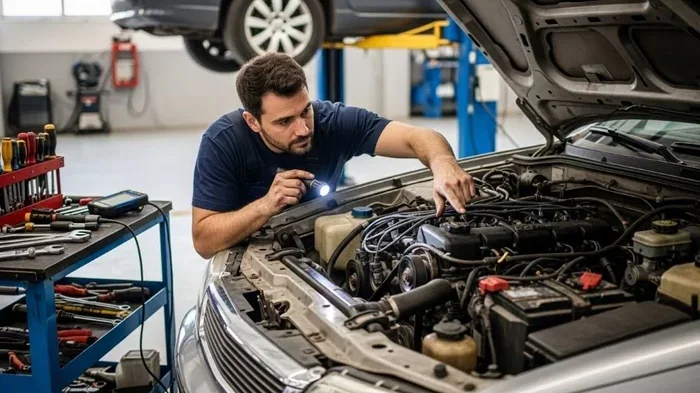
Your car tells you when something is wrong. Pay attention to new sounds, vibrations, smells, and warning lights. Catching a problem early means smaller repairs and lower costs. Ignoring warning signs turns minor issues into major breakdowns.
Find a Trustworthy Mechanic
Build a relationship with a mechanic you trust. A good mechanic knows your car’s history and can spot problems before they become serious. They give honest advice and fair pricing. Avoid shops that pressure you into unnecessary repairs.
Common Mistakes Owners Make with High Mileage Cars
Even caring owners make mistakes that shorten their car’s life. Avoid these common pitfalls to keep your vehicle running strong.
- Neglecting fluid changes: Old oil, coolant, and transmission fluid cause internal wear. Change them on schedule.
- Ignoring small leaks: A small oil leak becomes a big engine problem fast. Fix leaks promptly.
- Skipping inspections: Regular inspections catch problems early. Do not wait for something to break completely.
- Driving with warning lights: Check engine lights and warning signals mean something needs attention. Do not ignore them.
- Using cheap parts: Bargain parts fail sooner and can damage other components. Invest in quality replacements.
- Overloading the vehicle: Excess weight stresses your engine, brakes, and suspension. Stay within your vehicle’s rated capacity.
Understanding what breaks on high mileage cars empowers you to take control of your vehicle’s health. Every system has vulnerable components that wear out over time. The key is staying proactive with maintenance and addressing problems before they escalate.
Your high mileage car can continue to serve you well for years. The secret lies in regular care, quality parts, and timely repairs. Follow the maintenance schedule, listen to your car, and work with a trusted mechanic. These habits keep your vehicle safe, reliable, and road-ready no matter how many miles are on the clock.
Remember that every repair you perform on schedule saves you from a larger, more expensive repair later. Prevention is always cheaper than reaction. Invest in your car’s health today and enjoy the rewards for miles to come.
Can a high mileage car last forever?
With proper maintenance and timely repairs, many high mileage cars can exceed 300,000 miles. The key is staying on top of regular maintenance and addressing problems early. Some vehicles are built to last well beyond 200,000 miles with proper care.
How do I know if my car is considered high mileage?
Most experts consider 100,000 miles the threshold for high mileage. However, modern cars are built to last much longer. A well-maintained car at 150,000 miles may be in better shape than a neglected car at 80,000 miles.
What is the most expensive repair on a high mileage car?
Engine and transmission replacements are the most expensive repairs. These can cost 3,000 to 7,000 or more. Regular maintenance helps prevent these costly repairs by catching problems before they cause catastrophic failure.
Should I buy a car with high mileage?
High mileage cars can be excellent buys if they have been well maintained. Look for complete service records and get a pre-purchase inspection. A well-cared-for high mileage car often costs less and has lower depreciation than a newer vehicle.
How often should I change oil in a high mileage car?
Change your oil every 5,000 to 7,500 miles in a high mileage vehicle. Consider using high-mileage oil formulated for older engines. These oils contain seal conditioners and extra detergents that help protect aging engines.
What is the best way to maintain a high mileage car?
Follow the manufacturer maintenance schedule, use quality parts and fluids, and address problems immediately. Regular inspections and fluid changes are the foundation of high mileage car care. Consistent maintenance prevents most major repairs.
Frequently Asked Questions
What is What Breaks on High Mileage Cars?
What Breaks on High Mileage Cars is an important topic with many practical applications.